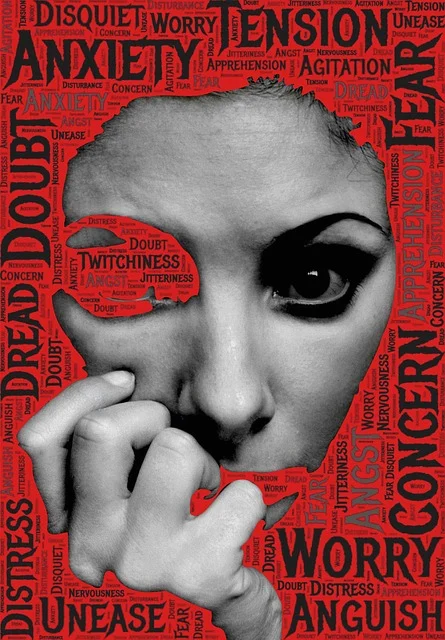
Recognising the signs you have repressed trauma is one of the most important — and most difficult — discoveries a person can make about their own inner life.
If you have spent years feeling inexplicably anxious, emotionally disconnected, or stuck in patterns that hurt you and that you cannot seem to change no matter how hard you try — what you are about to read may finally give those experiences a name.

Repressed trauma is not a dramatic, cinematic concept reserved for extreme cases of abuse or catastrophic events.
It is a quiet, persistent, deeply human response to experiences the mind judged — correctly, in the moment — to be too overwhelming to consciously process and survive.
The brain’s capacity to protect us from unbearable pain is one of its most remarkable features.
But that same protection, when it becomes a long-term pattern, can keep us disconnected from our own history in ways that silently shape every relationship, decision, and emotional response we have.
This article will walk you through the most important signs you have repressed trauma, the science behind why the brain suppresses traumatic memories, how repressed trauma lives in the body, and what the path toward healing actually looks like.
Nothing here is meant to frighten you — everything here is meant to help you understand yourself more completely and compassionately than perhaps you ever have before.
What Is Repressed Trauma and How Does the Brain Suppress It?
Repressed trauma refers to traumatic experiences — or the emotional content of those experiences — that the brain has pushed below the level of conscious awareness as a protective mechanism.
The memory is not erased; it is stored in a way that keeps it inaccessible to the conscious mind while its emotional and physiological impact continues to shape the person’s nervous system, behaviour, and relationships.
The brain suppresses traumatic material through a process rooted in the neuroscience of survival.
When an experience is too overwhelming for the conscious mind to process in the moment, the brain’s threat-response system — led by the amygdala — takes over and stores the experience in a fragmented, non-narrative form rather than as a coherent, integrated memory.
This is why many people with repressed trauma do not have clear, linear memories of what happened to them.
The experience was stored not as a story with a beginning, middle, and end, but as fragments — physical sensations, emotional states, images, sounds, and bodily responses — scattered across the nervous system in a way that does not feel like “memory” in the conventional sense.
The hippocampus — responsible for organising and contextualising memories — is directly impaired by high levels of cortisol produced during traumatic experiences.
This means the traumatic material bypasses the normal memory filing system entirely and is stored in the body and the emotional brain rather than in the narrative, conscious memory system.
Understanding this mechanism replaces the common question of “why can’t I just remember what happened?” with a far more compassionate and accurate understanding — the brain did exactly what it was designed to do, and the absence of clear memory is not weakness or imagination but the direct result of how trauma is neurologically processed.
Repressed Trauma vs Forgotten Memories — An Important Distinction
Before exploring the signs you have repressed trauma, it is important to understand how repressed trauma differs from simply forgotten memories.
This distinction matters both clinically and personally, because conflating the two can lead to confusion, unnecessary distress, and in some cases false conclusions.

Forgotten memories are memories that have simply faded over time due to normal neurological processes — the brain prioritises and retains information it deems relevant and allows less significant information to fade.
Repressed trauma is specifically the active, unconscious suppression of emotionally overwhelming material that the mind judged too threatening to maintain in conscious awareness.
Repressed trauma is not the same as denied trauma — where a person is consciously aware of what happened but refuses to acknowledge it.
Repression is genuinely unconscious — the person is not aware of what they are suppressing, which is precisely what makes it so powerful and so difficult to identify without therapeutic support.
It is also important to note that memory, particularly traumatic memory, is reconstructive rather than photographic.
Working with repressed trauma in therapy is not about recovering perfectly accurate recordings of past events but about processing the emotional and physiological residue of those experiences in a way that reduces their ongoing impact on present life.
The Most Common Signs You Have Repressed Trauma
The signs you have repressed trauma rarely announce themselves clearly — they tend to appear as patterns, symptoms, and experiences that feel disconnected from any obvious cause.
The following are the most clinically significant and commonly reported indicators that unprocessed traumatic material may be operating beneath the surface of conscious awareness.
Unexplained Anxiety and Chronic Fear
Persistent anxiety that has no identifiable cause — or that seems wildly disproportionate to the actual circumstances triggering it — is one of the most consistent signs you have repressed trauma.
The nervous system is responding to a threat encoded in the past, but because the conscious mind cannot access the source of that threat, the anxiety feels free-floating, irrational, and impossible to resolve through logic or reassurance.
This anxiety is not in your head in the dismissive sense — it is in your nervous system.
It is the emotional and physiological residue of past experiences continuing to activate the threat-response system in the present.
Emotional Numbness and Disconnection
Emotional numbness — a persistent flatness, disconnection from feelings, or inability to access emotions that others seem to experience naturally — is one of the most common and least recognised signs you have repressed trauma.
The mind that learned to suppress overwhelming emotional pain sometimes suppresses the capacity for emotion more broadly, leaving the person feeling as though they are watching their own life from behind glass.
This numbness is not the absence of emotion — it is the suppression of it, and it typically comes with a vague but persistent sense that something important is missing.
Many people describe feeling as though they go through the motions of life without ever fully inhabiting it.
Avoiding Certain People, Places, or Situations
Avoidance that has no obvious rational explanation — particularly when it is intense, consistent, and resistant to logical challenge — is a significant indicator of repressed traumatic material.
The nervous system has encoded specific sensory triggers associated with the original traumatic experience and activates avoidance in response to those triggers even when the conscious mind has no access to the reason.
You may find yourself unable to enter certain types of rooms, deeply uncomfortable around specific types of people, or inexplicably reluctant to engage in activities that others find entirely neutral.
These responses are the nervous system’s attempt to protect you from a threat it remembers even when you do not.
Overreacting to Small Triggers
When a minor frustration, a small criticism, an unexpected change of plan, or an apparently insignificant sensory experience produces an emotional response that feels wildly out of proportion — this is a hallmark sign of unprocessed traumatic material operating beneath conscious awareness.
The present moment event is simply the trigger; the emotional intensity belongs to the original traumatic experience that never got processed.
This pattern is one of the most confusing and relationship-damaging aspects of repressed trauma.
The person experiencing it often knows their response is disproportionate but cannot control it — because it is not a reaction to what just happened but a reaction to something stored in the nervous system from long ago.
Difficulty Trusting Others
A persistent, often inexplicable difficulty trusting people — even people who have consistently demonstrated themselves to be trustworthy — is one of the most socially and relationally costly signs you have repressed trauma.
The nervous system has learned, through past experience, that people are unsafe, unpredictable, or likely to cause harm — and it applies that learning to present relationships regardless of actual evidence.
This is not paranoia and it is not a personality flaw.
It is the attachment system adapting to the relational environment it experienced in the past, and it can be profoundly changed through trauma-informed therapy and safe relational experiences.
Perfectionism and Intense Fear of Failure
Perfectionism rooted in trauma looks different from ordinary high standards — it is driven by the deeply held, often unconscious belief that being less than perfect will result in something catastrophic.
For many people with repressed childhood trauma, perfectionism developed as a survival strategy — a way of controlling an environment that felt dangerous and unpredictable by ensuring that nothing could be criticised or rejected.
The exhausting, relentless quality of traumatic perfectionism — the feeling that nothing is ever good enough, that mistakes are catastrophic, that being seen as less than capable is unbearable — distinguishes it from healthy ambition.
It is not about excellence; it is about safety.
People-Pleasing and Inability to Say No
Compulsive people-pleasing — prioritising others’ needs, comfort, and approval at consistent expense to your own — is one of the most widely recognised trauma responses, rooted in a nervous system that learned early that safety depended on keeping others happy.
If expressing needs, setting boundaries, or disappointing others produced dangerous consequences in childhood, the nervous system learns to suppress all of these in favour of compliance and accommodation.
The inability to say no even when every part of you wants to, the compulsive apologising, the scanning of other people’s emotional states to pre-empt any sign of displeasure — these are not personality traits.
They are adaptive responses to early environments in which the person’s safety was genuinely contingent on managing others’ emotions.
Self-Sabotage in Relationships and Opportunities
A persistent pattern of undermining your own success, happiness, and relationships — particularly when things are going well — is one of the most diagnostically significant signs you have repressed trauma.
The unconscious mind that associates good things with the threat of loss, punishment, or abandonment will sabotage those good things before they can be taken away.
This pattern is maddeningly difficult to recognise from the inside because it does not feel like self-sabotage — it feels like circumstances conspiring against you, or like you are simply not someone who gets to have good things.
That belief is the trauma speaking, not the truth.

One of the most important and least understood dimensions of repressed trauma is its presence in the body.
The body keeps the score — as trauma researcher Bessel van der Kolk’s landmark work demonstrates — and physical symptoms are frequently among the most persistent and debilitating signs you have repressed trauma.
Chronic pain — particularly in the neck, shoulders, back, and jaw — that has no clear medical explanation is one of the most common somatic manifestations of repressed trauma.
The body holds tension in the areas where it learned to brace for impact, and that tension, sustained over years and decades, produces genuine physical pain.
Digestive disturbances — irritable bowel syndrome, chronic nausea, unexplained stomach pain, and appetite dysregulation — are strongly associated with unprocessed traumatic stress.
The enteric nervous system — the complex neural network surrounding the gut — is directly connected to the stress response system and reflects its chronic activation through persistent digestive symptoms.
Chronic fatigue that is disproportionate to physical activity or sleep quality is another common somatic expression of repressed trauma.
Maintaining the psychological and physiological suppression of traumatic material requires enormous energy — energy that is chronically diverted from the body’s normal restorative functions.
Headaches, skin conditions that worsen under stress, immune system dysregulation, and heightened sensitivity to physical pain are all documented somatic expressions of chronic traumatic stress.
The body speaks the language of unprocessed trauma when the mind cannot — and listening to these physical signals is an important part of the healing process.
The Link Between Repressed Trauma and Attachment Styles
The attachment style a person develops in early childhood is one of the most direct expressions of how their earliest relational experiences — including traumatic ones — shaped their nervous system’s approach to intimacy, safety, and connection.
Understanding the link between repressed trauma and attachment helps explain patterns in adult relationships that otherwise seem inexplicable.
Anxious attachment — characterised by intense fear of abandonment, need for reassurance, and hypersensitivity to relational cues — frequently develops in response to early environments that were unpredictable or inconsistently safe.
The nervous system learned that closeness is precious and precarious, and developed hypervigilance to maintain it.
Avoidant attachment — characterised by emotional distance, discomfort with intimacy, and a tendency to prioritise self-sufficiency — often develops in response to early environments where emotional needs were consistently unmet or where closeness was associated with pain.
The nervous system learned to need less, feel less, and rely on others less as a protective adaptation.
Disorganised attachment — the combination of desperately wanting closeness and being terrified of it simultaneously — is the attachment pattern most strongly associated with early traumatic experiences, particularly relational trauma.
It produces the confusing pattern of pursuing intimacy and then fleeing from it, loving someone and simultaneously fearing them, needing connection and being unable to tolerate it.
How Repressed Childhood Trauma Presents Differently From Adult Trauma
The age at which trauma occurs significantly shapes how it is stored in the nervous system and how it subsequently manifests in adult life.
Repressed childhood trauma — particularly trauma that occurred before language was fully developed — presents in distinctly different ways from trauma experienced in adulthood.
Childhood trauma is frequently stored in pre-verbal, sensory, and somatic form because it occurred before the brain developed the capacity for narrative memory.
This means it tends to emerge not as memories but as physical sensations, emotional states, relational patterns, and behavioural responses that feel like “just who I am” rather than responses to a specific experience.
The pervasive nature of childhood trauma — its tendency to affect the developing sense of self, the developing attachment system, and the developing nervous system simultaneously — means it produces more diffuse, identity-level impacts than adult trauma.
Where adult trauma tends to produce PTSD-like responses to specific triggers, childhood trauma tends to shape the entire landscape of a person’s emotional life, relational patterns, and self-concept.
Repressed childhood trauma is also more likely to be completely outside conscious memory than adult trauma, simply because the brain structures responsible for explicit memory were not fully developed at the time the experience occurred.
This makes it simultaneously more powerful in its ongoing influence and more difficult to identify and process.
The Role of Dissociation as a Sign of Repressed Trauma
Dissociation — the experience of feeling disconnected from yourself, your memories, your surroundings, or your sense of continuous identity — is one of the most direct expressions of the brain’s trauma suppression mechanism in action.
It ranges from mild experiences that most people occasionally have — daydreaming, driving on autopilot — to severe experiences that significantly disrupt daily functioning.
In the context of repressed trauma, dissociation functions as the nervous system’s emergency exit — a way of leaving an experience that is too overwhelming to remain present for.
Over time, if dissociation was the primary coping mechanism during repeated traumatic experiences, it can become an automatic response to any experience that carries even a trace of the original threat.
Common dissociative experiences associated with repressed trauma include emotional numbing, feeling like you are watching yourself from outside your body, memory gaps that are not explained by substance use, feeling that the world around you is not real, and a fragmented sense of identity or personal history.
These experiences are not signs of losing your mind — they are signs that the mind has been working very hard to protect you.
How Repressed Trauma Affects Relationships and Intimacy
The impact of repressed trauma on relationships and intimacy is one of the most painful and pervasive dimensions of living with unprocessed traumatic material.
Because the nervous system learned its fundamental lessons about safety, trust, and connection from early relational experiences — including traumatic ones — it applies those lessons to every subsequent relationship, often without the person having any conscious awareness of why their relationships follow the patterns they do.
Intimacy may feel simultaneously desperately wanted and deeply threatening — the closer someone gets, the more the nervous system’s alarm system activates, because closeness is associated at the somatic level with vulnerability and potential harm.
This produces the exhausting and confusing push-pull dynamic that characterises many relationships affected by repressed trauma.
Conflict in relationships may produce responses that are completely disproportionate to the actual disagreement — because the nervous system is not just responding to this argument but to every argument, every threat, and every experience of danger that was stored without being processed.
Partners, friends, and family members frequently feel confused, hurt, and helpless in response to these reactions without understanding their origin.
How Therapy Helps Uncover and Heal Repressed Trauma
Healing from repressed trauma is not about excavating the past for its own sake or forcing the conscious recall of specific memories.
It is about processing the emotional, physiological, and relational residue of past experiences in a way that reduces their ongoing grip on present life — and several evidence-based therapeutic approaches do this powerfully and effectively.
EMDR — Eye Movement Desensitisation and Reprocessing — is one of the most extensively researched and clinically effective treatments for trauma of all kinds, including repressed and complex trauma.
It works by using bilateral stimulation — eye movements, taps, or tones — to activate the brain’s natural information processing system and allow traumatic material to be processed and integrated in a way that was not possible at the time of the original experience.
Somatic therapy approaches — including Somatic Experiencing, Sensorimotor Psychotherapy, and body-based trauma therapy — work directly with the physical expressions of repressed trauma rather than relying primarily on verbal processing.
These approaches recognise that because trauma is stored in the body, the body must be part of the healing process — and they work with breath, movement, sensation, and posture to release the traumatic charge held in the nervous system.
Trauma-focused Cognitive Behavioural Therapy helps individuals identify and restructure the beliefs about themselves, others, and the world that developed as adaptations to traumatic experiences.
The self-blame, the shame, the conviction of fundamental unworthiness — these are not accurate reflections of reality but the cognitive imprints of trauma, and they can be meaningfully changed through skilled therapeutic work.
Internal Family Systems therapy — which approaches the psyche as a collection of different “parts” each carrying their own history, emotions, and protective functions — is particularly effective for complex and repressed trauma.
It creates an internal framework for understanding why different parts of the self respond so differently to the same situation, and it allows the person to develop a compassionate, curious relationship with all parts of their inner experience including the parts that carry the most pain.
How to Gently Begin Exploring Your Own Trauma History
If this article has resonated with you and you are considering beginning your own exploration of possible repressed trauma, the most important guidance is this: go gently, go at your own pace, and do not do this alone.
Trauma healing is not a solo project — it is fundamentally a relational process, and the presence of a skilled, trauma-informed therapist is not a luxury but a genuine clinical necessity for working with repressed material safely.
Begin with education rather than excavation.
Reading trauma-informed books — Bessel van der Kolk’s The Body Keeps the Score, Peter Levine’s Waking the Tiger, Pete Walker’s Complex PTSD: From Surviving to Thriving — builds the conceptual framework that makes subsequent therapeutic work more accessible and less destabilising.
Somatic practices — gentle yoga, breathwork, mindful movement, and progressive muscle relaxation — begin to rebuild the relationship between mind and body in ways that support trauma healing without requiring direct engagement with traumatic content.
These are safe starting points that create the physiological foundation that deeper therapeutic work requires.
Seek a therapist specifically trained in trauma — and specifically in the modality most appropriate for your situation.
Not all therapists are trauma-informed, and working with repressed trauma with an untrained therapist can be counterproductive and in some cases retraumatising.
FAQ: Signs You Have Repressed Trauma
Q1: Can you have repressed trauma without remembering anything bad happening in your childhood?
Yes — repressed trauma can exist without any accessible conscious memory of the events that caused it, particularly when the trauma occurred in early childhood before narrative memory was fully developed.
The absence of specific memories does not mean nothing happened — it often means the brain stored the experience in ways that bypassed the conventional memory system entirely.
Q2: Is repressed trauma the same as PTSD?
Repressed trauma and PTSD share neurological roots but are not the same condition — PTSD involves conscious re-experiencing of traumatic events through flashbacks and intrusive memories, while repressed trauma involves material that is not consciously accessible.
Complex PTSD, which develops from prolonged or repeated trauma, is more closely associated with the diffuse, identity-level impacts described in this article.
Q3: Can repressed trauma cause physical illness?
Research consistently demonstrates that unprocessed traumatic stress has measurable effects on immune function, inflammatory processes, hormonal regulation, and the nervous system.
Chronic pain, autoimmune conditions, digestive disorders, and chronic fatigue are among the physical conditions most strongly associated with unprocessed traumatic stress.
Q4: How long does it take to heal from repressed trauma?
Trauma healing is not a linear process with a predictable timeline — it depends on the nature, duration, and developmental stage of the original trauma, the quality of therapeutic support, and many individual factors.
What research and clinical experience consistently show is that meaningful, lasting healing is possible for virtually everyone who engages with appropriate trauma-informed support.
Q5: Can I heal from repressed trauma without therapy?
Some people make meaningful progress through self-directed practices — somatic movement, meditation, journaling, and education — but working with repressed trauma safely and thoroughly generally requires the support of a skilled trauma-informed therapist.
The relational dimension of healing — being genuinely seen, understood, and supported by another person — is itself a core component of trauma recovery that cannot be fully replicated through self-directed work alone.
Q6: What is the difference between repressed trauma and suppressed trauma?
Suppression is a conscious process — deliberately choosing not to think about something distressing.
Repression is unconscious — the material is pushed below conscious awareness by the brain’s protective mechanisms without the person’s deliberate involvement or awareness.