Quick Answer:Betrayal trauma is the psychological wound caused by infidelity or deception from someone you depended on, producing PTSD-like symptoms such as hypervigilance and emotional dysregulation. Trauma-informed couples counseling pairs individual trauma processing with structured relational repair to help partners regulate and rebuild trust. |
Discovering infidelity doesn’t just hurt, for many people, it rewires how safe the world feels. If you’ve found yourself replaying the discovery on a loop, scanning your partner’s phone at 2 a.m., or wondering why a marriage counselor’s standard advice isn’t touching what you’re actually feeling, you’re not overreacting. You may be experiencing betrayal trauma, a recognized psychological injury with its own symptom pattern, its own healing timeline, and its own clinical treatment path. This guide walks through what betrayal trauma is, how it overlaps with PTSD and Complex PTSD, and how couples counseling can help you and your partner heal, together or apart.
What Is Betrayal Trauma?
The term betrayal trauma was first coined by psychologist Jennifer Freyd to describe the injury that occurs when someone is harmed by a person or institution they depend on for safety, trust, or survival. Applied to romantic relationships, betrayal trauma therapy addresses the specific psychological wound that infidelity, secret-keeping, or deliberate deception inflicts on a partner who relied on that person for emotional and physical security.
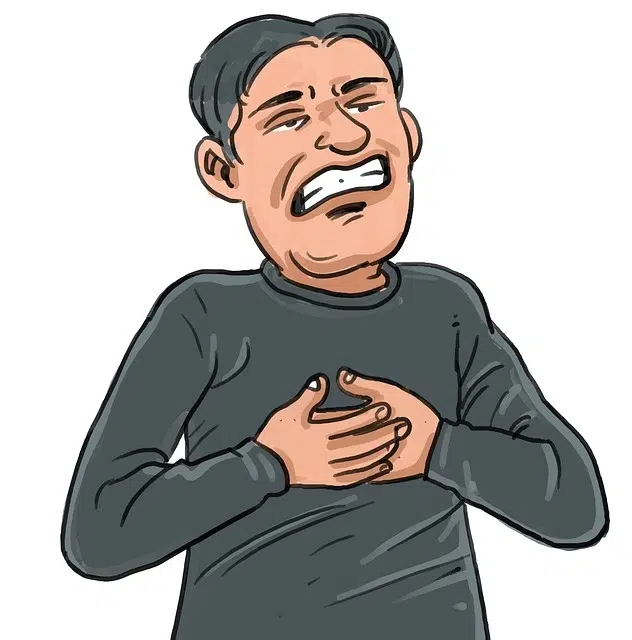
This is different from ordinary relationship conflict. A disagreement about finances or parenting styles is stressful, but it doesn’t typically threaten a person’s fundamental sense of safety. Discovering an affair does. The brain doesn’t register simple disappointment; it registers a contradiction it cannot easily resolve: the person who was supposed to be a source of protection has become a source of danger. That contradiction is what produces the reactions clinicians see so consistently in betrayed partners: shaking, insomnia, obsessive replaying of the timeline, and an almost compulsive need to reconstruct exactly what happened and when.
The table below outlines how betrayal trauma differs from the friction that’s a normal part of any long-term relationship.
| Factor | Standard Relationship Conflict | Betrayal Trauma |
| Core wound | Disagreement or unmet expectation | Shattered sense of safety and reality |
| Nervous system response | Mild stress, resolves with discussion | Fight-flight-freeze, PTSD-like activation |
| Memory pattern | Normal recall | Intrusive flashbacks, obsessive replay |
| Trust impact | Localized to the specific issue | Global, trust in one’s own perception is damaged |
| Recovery timeline | Days to weeks | Months to years, often needs clinical support |
| Typical care | Communication skills, compromise | Betrayal trauma therapy, trauma-informed couples counseling |
Is Betrayal Trauma the Same as PTSD?
One of the most common clinical questions is whether infidelity can cause PTSD, and a growing body of clinical observation suggests it can. Discovering an affair can meet the same basic pattern as a classic traumatic event, an overwhelming, unexpected threat that overrides a person’s normal coping capacity. Betrayed partners frequently describe symptoms consistent with PTSD from infidelity: intrusive memories of the moment of discovery, avoidance of reminders, nightmares, and a persistent, exhausting sense that danger is still present.
Clinically, betrayal trauma itself is not a standalone diagnosis in the DSM-5. It sits closer to Complex PTSD (C-PTSD), because the injury isn’t a single isolated event so much as a rupture inside an ongoing attachment relationship, the person a partner turns to for comfort is the same person who caused the harm. Viewed through a c-ptsd vs ptsd lens, betrayal trauma tends to share C-PTSD’s difficulty with emotional regulation, a damaged sense of self, and disrupted relational trust, alongside the hyperarousal and intrusive memories typical of classic PTSD. For a full breakdown of how these two presentations are diagnosed and treated differently, see our clinical comparison of complex PTSD vs. regular PTSD, which compares diagnostic criteria and treatment implications side by side.
| Clinical Insight
“In session, I rarely hear a betrayed partner say ‘I’m angry.’ I hear, ‘I don’t know what’s real anymore.’ That disorientation isn’t an exaggeration, it’s a nervous system responding to genuine trauma, not simply hurt feelings.” |
Recognizing the Symptoms: How Betrayal Trauma Shows Up in the Body and Mind
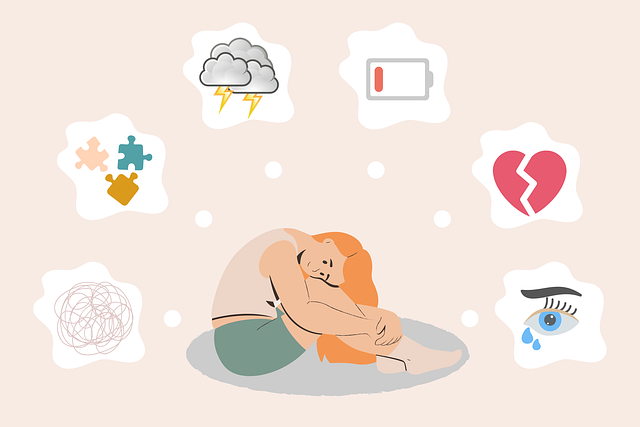
Betrayal trauma symptoms tend to cluster in three domains, cognitive, emotional, and physiological, and clinicians look at all three when assessing severity.
- Cognitive: intrusive replaying of texts or timelines, difficulty concentrating, compulsive “detective” behavior such as checking phones or tracking locations
- Emotional: waves of shame, rage, and grief, often alternating with numbness or emotional shutdown
- Physiological: hypervigilance, sleep disruption, panic-like symptoms, and a nervous system that stays braced for the next threat
For many betrayed partners, hypervigilance is the most disorienting symptom. It shows up as constant scanning of a partner’s phone, tone of voice, or schedule for any cue of another lie. This isn’t a character flaw or an attempt to control, it’s the same threat-detection mechanism seen in classic ptsd hypervigilance, redirected toward the relationship itself.

Underneath the hypervigilance is nervous system dysregulation: the body’s alarm system stays activated long after the immediate danger has passed, even once the unfaithful partner has been fully transparent and reassuring. That’s why cognitive reassurance alone (“I promise it won’t happen again”) often isn’t enough, the body needs its own path back to safety, which is part of why effective betrayal trauma therapy blends cognitive and somatic techniques.
When these symptoms are severe, flashbacks, panic attacks, dissociation, or an inability to function at work or with family, the experience has moved from ordinary relationship distress into a diagnosable trauma response that deserves dedicated clinical care. Our guide to online therapy for trauma and PTSD outlines what specialized, trauma-focused treatment looks like once symptoms reach this intensity.
The Four-Phase Healing Journey After Infidelity
Recovery from betrayal rarely moves in a straight line, but most couples move through four broadly recognizable phases. Understanding where you are in this cycle can make an overwhelming process feel more survivable.
Phase 1: Discovery
The discovery phase begins the moment the affair or deception comes to light, whether through a confession, a discovered message, or a slow unraveling of inconsistencies. This phase is defined by acute shock: disbelief, a racing heart, and a fractured sense of reality. Many betrayed partners describe feeling like the ground has disappeared beneath them.
Phase 2: Emotional Fallout
In the weeks that follow, shock gives way to intense, often unpredictable waves of emotion, rage, grief, obsessive questioning, and shame. Sleep and appetite frequently suffer. This is typically when hypervigilance and intrusive thoughts peak, and when couples are most likely to search for terms like betrayal trauma therapy near me, looking for immediate, professional support.
Phase 3: Clinical Intervention
Once the acute crisis stabilizes enough for structured work, couples move into clinical intervention. This is where trauma-informed couples therapy becomes essential, a treatment approach specifically trained to hold both the individual trauma response and the relational rupture at once. Effective betrayal trauma therapy techniques and approaches at this stage typically include individual trauma processing to regulate the nervous system, full and honest disclosure protocols, and early relational safety-building exercises.
Phase 4: Trust Repair
The final phase is trust repair, the longest and most gradual stage, often measured in months rather than weeks. Trust isn’t restored through apology alone; it’s rebuilt through consistent, verifiable behavior change and a couple’s demonstrated ability to communicate honestly under stress. Not every relationship reaches full trust repair, and for some couples, this phase clarifies that separation is the healthier outcome, which is also a legitimate resolution of the process.
How Couples Counseling Helps Heal Betrayal Trauma
For couples who choose to stay together, couples counseling for cheating is one of the most effective paths back to stability, though it works differently than counseling for ordinary relationship conflict. Infidelity couples counseling has to address two things simultaneously: the betrayed partner’s trauma response and the couple’s damaged relational system.
Therapists who specialize in couples counseling for affairs often draw on a combination of frameworks: the Gottman Method’s structured approach to rebuilding trust and repairing conflict patterns, Emotionally Focused Therapy’s (EFT) focus on attachment bonds, and trauma-informed techniques borrowed directly from PTSD treatment. This blended model is what distinguishes true betrayal trauma couples therapy from generic marriage counseling.
A well-structured program of couples counseling infidelity treatment usually includes individual sessions alongside joint ones, a staged and complete disclosure process rather than a slow drip of new information (which re-traumatizes the betrayed partner), and concrete trust-rebuilding exercises: transparency agreements, accountability check-ins, and communication tools designed to interrupt old defensive patterns before they escalate. Working with a therapist trained specifically in trauma-informed online couples counseling gives both partners a structured, guided space to do this work at a pace the nervous system can actually tolerate, rather than trying to navigate it alone.

| Clinical Insight
“I tell couples early on: counseling isn’t about erasing what happened. It’s about building a version of the relationship, or a version of yourselves, that can hold the truth and still move forward.” |
When Communication Breaks Down: Emotional Flooding and Nervous System Overwhelm
Even in therapy, betrayal-related conversations can suddenly go sideways, a calm discussion turns into shouting, shutdown, or a partner walking out mid-sentence. This is often emotional flooding: a physiological state where heart rate spikes, rational thinking narrows, and the nervous system shifts into fight, flight, or freeze. Once flooding sets in, no amount of reasoning will land, because the brain’s threat-response system has effectively taken the conversation offline.
Recognizing flooding, a suddenly racing pulse, an urge to lash out or flee, a mind that goes blank, is a core skill taught in trauma-informed couples work. Structured timeouts, paced breathing, and pre-agreed “pause and return” signals give the nervous system time to settle before the conversation resumes, turning what used to be relationship-ending arguments into manageable, if still painful, conversations.
Finding the Right Betrayal Trauma Therapist
Not every couples counselor is trained to work with infidelity-specific trauma, so it’s worth being selective. Look for a clinician who explicitly lists betrayal trauma, infidelity recovery, or trauma-informed couples therapy among their specialties, rather than general “relationship issues.”
- Ask directly about their training in trauma-informed couples therapy and disclosure protocols
- Ask whether they offer both individual and joint sessions
- Confirm session format, many people start by searching betrayal trauma therapy near me but find that online trauma therapy offers faster access to specialized clinicians than local options
- Ask about cost: whether couples counseling is covered by insurance depends on your plan and diagnosis code, so confirm coverage before committing to a treatment plan
Whether you pursue in-person or online trauma therapy, the most important step is starting before symptoms harden into long-term patterns. Betrayal trauma responds well to structured, specialized treatment, but like most trauma, it rarely resolves fully on its own.
Frequently Asked Questions
Can infidelity cause PTSD?
Yes. Discovering infidelity can trigger a trauma response with the same hallmark features as PTSD, including intrusive memories, hypervigilance, avoidance, and sleep disruption. Betrayal trauma isn’t a standalone DSM-5 diagnosis, but its symptom pattern closely overlaps with PTSD and Complex PTSD, and many clinicians treat it using established trauma protocols.
What’s the difference between betrayal trauma and complex PTSD?
Betrayal trauma describes the psychological injury from a specific relational rupture, while Complex PTSD is a broader diagnostic pattern from prolonged or repeated trauma. Betrayal trauma often shares Complex PTSD’s emotional dysregulation and relational disturbance, but doesn’t always require the sustained exposure Complex PTSD typically involves.
Does couples counseling work after cheating?
It can, when both partners engage honestly and the therapist is trained in trauma-informed, infidelity-specific work. Couples counseling for cheating that combines individual trauma processing with structured joint sessions has significantly better outcomes than generic relationship counseling alone.
How long does betrayal trauma recovery take?
Timelines vary, but most couples move through the emotional fallout phase within a few months, with full trust repair typically taking twelve to twenty-four months of consistent effort. Recovery isn’t linear, and setbacks around triggers or anniversaries are a normal part of the process.
Is couples counseling covered by insurance?
Sometimes. Coverage depends on your specific plan and whether the therapist bills under a covered diagnosis, such as anxiety or trauma, rather than relationship counseling, which many insurers exclude. Always confirm coverage details directly with your provider before starting treatment.
| Medical Disclaimer & E-E-A-T AttributionThis article is for educational purposes and does not replace personalized medical or psychological advice. If you are recovering from a brain injury, trauma, or a mental health condition, work with a licensed clinician to build a plan suited to your situation.
Written by: Adil Farooq, Psychiatry Magazine Medically reviewed by: [Dr. Adil Farooq MS · PhD] · Updated: 2026 |