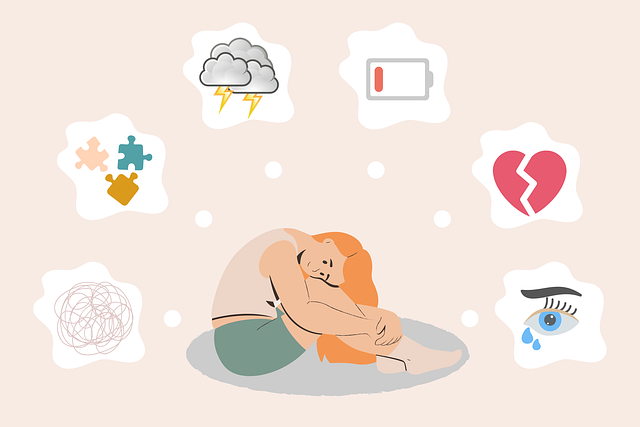
Emotional Flooding is a powerful psychological experience where your emotions become so intense that they feel overwhelming, uncontrollable, and all-consuming. In moments like these, it can feel as if your mind is racing, your body is reacting strongly, and your ability to think clearly disappears.

You might have experienced it during an argument, a stressful situation, or even unexpectedly—when emotions surge so strongly that you feel mentally and physically “flooded.” This is not just overreacting or being “too sensitive.” It’s a real nervous system response that deserves understanding and care.
In today’s fast-paced and emotionally demanding world, emotional flooding is becoming increasingly common. Stress, unresolved trauma, anxiety, and constant stimulation can push the brain into overload, making emotional regulation more difficult.
This comprehensive guide will help you understand what emotional flooding is, why it happens, how it affects your life, and most importantly, how to manage and heal it using practical, science-backed strategies.
What Is Emotional Flooding?
Emotional flooding refers to a state where emotions become so intense that they overwhelm your ability to process and respond calmly.
It is often described as:
- Feeling emotionally “overloaded”
- Losing control of reactions
- Becoming consumed by a single emotional state
Emotional Flooding vs Normal Emotions
Normal emotions:
- Come and go
- Can be managed
- Allow rational thinking
Emotional flooding:
- Feels sudden and intense
- Overpowers logic
- Triggers impulsive reactions
Psychological Flooding Explained
Also known as psychological flooding, this state occurs when your brain perceives a threat—emotional or physical—and activates a survival response.
This leads to:
- Heightened emotional intensity
- Reduced ability to think logically
- Strong physical reactions
Real-Life Example
Imagine being in a conversation where a small disagreement suddenly escalates. Your heart races, your thoughts become chaotic, and you either lash out or shut down completely. That’s emotional flooding in action.
Signs and Symptoms of Emotional Flooding
Understanding the signs helps you catch it early.
Emotional Signs
- Sudden overwhelm
- Intense anger, fear, or sadness
- Feeling out of control
- Emotional shutdown
Physical Signs
- Rapid heartbeat
- Sweating
- Shallow or fast breathing
- Muscle tension
Behavioral Signs
- Raising your voice or reacting impulsively
- Withdrawing or going silent
- Avoiding the situation
- Saying things you later regret
Cognitive Signs
- Racing thoughts
- Difficulty focusing
- Black-and-white thinking
- Misinterpreting situations
Causes of Emotional Flooding
Emotional flooding doesn’t happen randomly—it has clear triggers and underlying causes.
Emotional Flooding Trauma
Past trauma plays a major role.
- Childhood neglect
- Emotional abuse
- Unstable environments
These experiences teach the brain to react quickly to perceived threats.
Emotional Flooding Anxiety
Chronic anxiety increases sensitivity.
- Constant worry
- Hypervigilance
- Overthinking
Your brain becomes more reactive to stress.
Nervous System Overload
When your body is already stressed:
- Small triggers feel bigger
- Emotional tolerance decreases
Environmental Triggers
- Arguments
- Work pressure
- Social stress
- Sensory overload
The Psychology Behind Emotional Flooding
Amygdala Hijack
The amygdala (emotional center of the brain) takes control during stress.
Result:
- Logical thinking shuts down
- Emotional reactions dominate
Fight, Flight, Freeze Response
Your body reacts as if in danger:
- Fight → anger
- Flight → avoidance
- Freeze → shutdown
Why Logic Disappears
During emotional flooding:
- Blood flow shifts away from the rational brain
- Survival mode takes over
Emotional Flooding in Relationships
Why It Happens in Close Relationships
Relationships involve vulnerability, making emotional triggers stronger.
Common Patterns
- Arguments escalating quickly
- Misinterpreting tone or words
- Feeling attacked or misunderstood
Real-Life Scenario
Your partner says something neutral, but you interpret it negatively. Your emotions spike, and you react strongly—even though the situation didn’t require it.
Emotional Flooding vs Anxiety vs Panic Attacks
Emotional Flooding
- Triggered by emotional situations
- Leads to overwhelm
Anxiety
- Ongoing worry
- Less intense but persistent
Panic Attacks
- Sudden intense fear
- Physical symptoms dominate
Overlap
They can occur together, making experiences more intense.
How to Stop Emotional Flooding (Immediate Techniques)
1. Deep Breathing
How it works:
Calms the nervous system.
Steps:
- Inhale for 4 seconds
- Exhale for 6–8 seconds
- Repeat for 5 minutes
2. Grounding Techniques
Focus on the present moment:
- Name 5 things you see
- 4 things you feel
3. Take a Break
Step away from the situation:
- Go to another room
- Pause the conversation
4. Name Your Emotions
Say:
- “I feel overwhelmed”
- “I feel anxious”
This reduces intensity.
5. Sensory Reset
- Splash cold water on your face
- Hold something cold
Coping Skills for Emotional Flooding (Long-Term)
1. Emotional Awareness
Track triggers and patterns.
2. Cognitive Reframing
Challenge negative thoughts.
3. Mindfulness Practice
Stay present without judgment.
4. Journaling
Write emotions regularly.
5. Build Emotional Tolerance
Gradually expose yourself to triggers safely.
Daily Exercises to Prevent Emotional Flooding
1. Morning Breathing Routine
2. Emotional Check-Ins
3. Trigger Tracking
4. Evening Reflection
5. Body Relaxation Exercises
Consistency is key.
How Trauma Influences Emotional Flooding
Trauma sensitizes the brain:
- Overreacts to triggers
- Associates current events with past pain
Healing trauma reduces emotional flooding.
Role of Nervous System Regulation
A calm body supports a calm mind.
Techniques:
- Breathing exercises
- Meditation
- Gentle movement
How to Support Someone Experiencing Emotional Flooding
Do:
- Stay calm
- Listen
- Offer reassurance
Avoid:
- Arguing
- Dismissing feelings
Common Mistakes to Avoid
- Ignoring emotions
- Suppressing feelings
- Expecting instant control
- Blaming yourself
Benefits of Managing Emotional Flooding
- Better relationships
- Emotional stability
- Reduced stress
- Improved decision-making
FAQ
What is emotional flooding?
A state of overwhelming emotions that disrupts thinking.
What causes emotional flooding?
Stress, trauma, anxiety, and triggers.
Can it be controlled?
Yes, with practice and awareness.
Is it linked to trauma?
Often, yes.
Conclusion
Emotional flooding can feel overwhelming, but it is not permanent or uncontrollable. It is your body’s way of trying to protect you—even if it doesn’t feel helpful.
With awareness, practice, and the right tools, you can learn to manage these intense emotions and build a stronger, calmer, and more resilient version of yourself.
Start small. Stay consistent. Progress will follow.