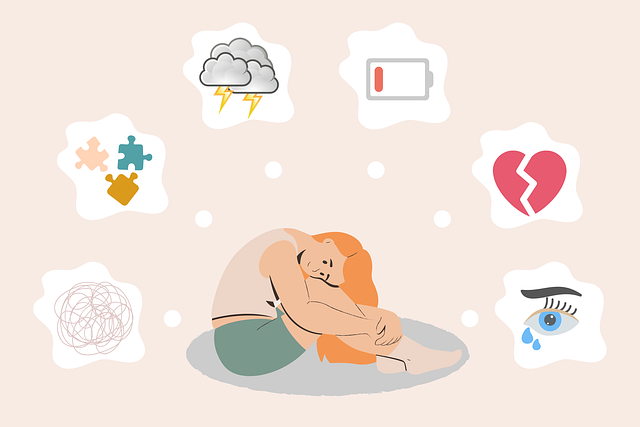
Emotional permanence issues can make you feel like love disappears the moment someone isn’t physically present or actively showing care. You might logically know someone cares about you, but emotionally, it feels uncertain, distant, or even gone when they’re not around.

This experience can be confusing and painful. It often leads to overthinking, anxiety in relationships, constant need for reassurance, and emotional ups and downs that feel difficult to control. Many people silently struggle with this without realizing there’s a name—and a solution—for what they’re experiencing.
In this in-depth guide, you’ll learn what emotional permanence issues really are, why they happen, how they affect your relationships, and most importantly, how you can begin to heal and build a stronger sense of emotional security.
What Are Emotional Permanence Issues?
Emotional permanence issues refer to difficulty maintaining a stable emotional connection with others when they are not physically present or actively expressing affection.
In simple terms:
If someone isn’t showing love right now, it feels like the love is gone.
The Psychology Behind It: Object Permanence
In developmental psychology, object permanence is the understanding that objects continue to exist even when they are not visible.
Emotional permanence is the emotional equivalent:
- Knowing someone cares about you even when they’re not around
- Trusting consistency without constant proof
When emotional permanence is weak:
- Absence feels like rejection
- Silence feels like abandonment
- Neutral behavior feels negative
How It Shows Up in Daily Life
- You feel anxious when someone doesn’t reply quickly
- assume the worst during silence
- need frequent reassurance to feel secure
- Your mood depends on others’ attention
This isn’t “neediness”—it’s a nervous system seeking safety.
Signs and Symptoms of Emotional Permanence Issues
Recognizing the signs is the first step toward healing.
1. Constant Need for Reassurance
You may frequently ask:
- “Are you okay?”
- “Do you still love me?”
- “Did I do something wrong?”
Even when everything is fine, your mind searches for confirmation.
2. Overthinking Communication
- Analyzing text messages
- Worrying about tone
- Reading into delays
A simple “okay” can feel like rejection.
3. Fear of Being Forgotten
When someone is busy or distant, it can feel like:
- You don’t matter anymore
- You’ve been replaced
- You’re no longer important
4. Emotional Highs and Lows
- Feeling great when receiving attention
- Feeling low when attention decreases
Your emotional state becomes externally controlled.
5. Difficulty Trusting Consistency
Even if someone has been reliable:
- You still doubt their feelings
- You struggle to feel secure long-term
6. Strong Reaction to Small Changes
- Slight tone shifts feel intense
- Small delays feel significant
- Minor issues feel overwhelming
Root Causes of Emotional Permanence Issues
These patterns don’t appear randomly—they develop over time.
1. Childhood Experiences
Early relationships shape emotional security.
Inconsistent Caregiving
- Love felt unpredictable
- Attention was sometimes present, sometimes absent
This teaches the brain:
“Love is not stable.”
Emotional Neglect
- Feelings weren’t acknowledged
- Needs weren’t consistently met
Result:
- Difficulty trusting emotional availability
2. Attachment Styles
Emotional permanence issues are strongly linked to anxious attachment.
Anxious Attachment Traits:
- Fear of abandonment
- Need for closeness
- Sensitivity to rejection
3. Trauma and Abandonment
Past experiences such as:
- Breakups
- Betrayal
- Loss
can condition your brain to expect disconnection.
4. Neurodivergence (e.g., ADHD)
Some individuals experience:
- “Out of sight, out of mind” emotionally
- Difficulty holding emotional consistency
This can intensify emotional permanence challenges.
The Psychology Behind Emotional Permanence Issues
Understanding the deeper mechanisms makes healing easier.
Emotional Object Constancy
This is the ability to:
- Hold onto feelings of connection
- Trust relationships even during absence
When it’s weak:
- Emotional memory fades quickly
- Present feelings override past experiences
Nervous System Dysregulation
Your body plays a major role.
When triggered:
- You enter a stress response
- Your brain prioritizes safety over logic
This is why:
You “know” you’re loved—but don’t feel it.
Brain and Memory Processing
Your brain may:
- Focus more on negative possibilities
- Struggle to recall positive interactions during stress
How Emotional Permanence Issues Affect Relationships
Romantic Relationships
- Frequent reassurance seeking
- Fear of distance
- Misinterpreting partner behavior
This can create:
- Pressure on the partner
- Emotional tension
Friendships
- Feeling excluded easily
- Assuming disinterest
- Pulling away to avoid hurt
Family Dynamics
- Sensitivity to attention changes
- Feeling less valued compared to others
Real-Life Scenario
Your partner doesn’t reply for a few hours:
- Thought: “They’re losing interest”
- Emotion: Anxiety
- Behavior: Overthinking, texting more
Reality: They were just busy.
Emotional Permanence Issues vs Anxiety
Similarities:
- Overthinking
- Fear-based thoughts
- Emotional distress
Differences:
General Anxiety:
- Broad worries (health, future, etc.)
Emotional Permanence Issues:
- Specifically tied to relationships and connection
Overlap
They often coexist, making emotional responses stronger.
How to Improve Emotional Permanence (Step-by-Step)
Healing is possible with consistent practice.
1. Build Self-Awareness
Identify triggers:
- Silence
- Delayed responses
- Tone changes
Awareness reduces automatic reactions.
2. Practice Reality Checking
Ask yourself:
- “What evidence do I have?”
- “Is this fact or fear?”
3. Regulate Your Emotions
Use:
- Deep breathing
- Grounding techniques
These calm your nervous system.
4. Strengthen Internal Security
Instead of seeking reassurance externally:
- Validate yourself
- Remind yourself of past consistency
5. Improve Communication
Express needs clearly:
- “I feel anxious when I don’t hear back. Can we set expectations?”
6. Tolerate Emotional Space
Gradually increase comfort with:
- Delayed responses
- Alone time
Daily Exercises to Build Emotional Permanence
1. Reassurance Journal
Write:
- Evidence of care
- Positive interactions
2. Memory Anchoring
Recall moments of connection when feeling anxious.
3. Affirmations
- “I am valued even when I’m not seen.”
- “Connection doesn’t disappear.”
4. Visualization
Imagine stable, secure relationships.
5. Delayed Reaction Practice
Pause before reacting emotionally.
6. Grounding Exercise
Focus on:
- What you see
- What you feel
How Partners Can Provide Support
1. Offer Consistent Reassurance
Not excessive—but reliable.
2. Communicate Clearly
Avoid ambiguity.
3. Be Patient
Understand this is not manipulation—it’s insecurity.
4. Encourage Independence
Support growth, not dependency.
Long-Term Healing Strategies
1. Therapy
Helpful approaches:
- Cognitive Behavioral Therapy (CBT)
- Attachment-based therapy
2. Nervous System Regulation
Practices like:
- Breathing exercises
- Mindfulness
3. Consistency
Healing requires repetition.
Common Mistakes to Avoid
- Seeking constant reassurance
- Ignoring inner work
- Avoiding communication
- Expecting instant results
Benefits of Healing Emotional Permanence Issues
- Stable relationships
- Emotional independence
- Reduced anxiety
- Better self-worth
FAQ
What are emotional permanence issues?
Difficulty feeling secure in relationships when others aren’t present.
Why do I feel unloved when someone is not around?
Because emotional connection feels tied to presence.
Can this be improved?
Yes, with consistent practice and awareness.
Is it related to attachment?
Strongly, especially anxious attachment.
Conclusion
Emotional permanence issues can make relationships feel unstable, even when they are not. But this pattern is not permanent—it’s learned, and it can be unlearned.
With awareness, emotional regulation, and consistent effort, you can build a deep sense of internal security.
You don’t need constant proof of love to feel safe.
Over time, you’ll begin to trust something powerful:
Connection doesn’t disappear—it continues, even in absence.