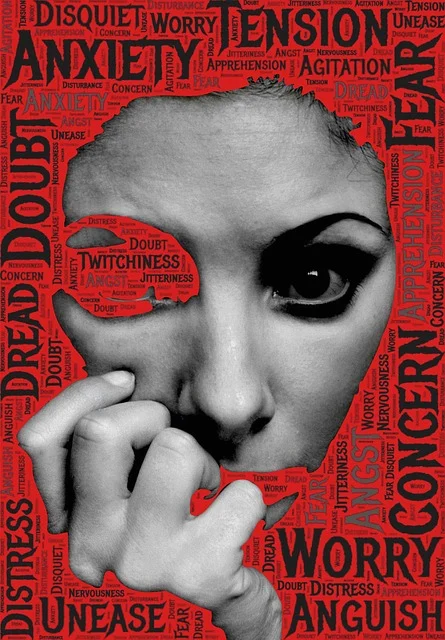
Overthinking is frequently described as the art of creating problems that do not actually exist[cite: 1]. But for millions of individuals, this is not a mere personality quirk, it is an exhausting mental loop that hijacks attention, constantly replays the past, and rehearses catastrophes that have yet to happen.
In clinical terminology, overthinking disorder is not a standalone diagnosis listed in the DSM-5-TR or the ICD-11. Instead, it is a complex symptom pattern, a volatile blend of rumination, chronic worry, and analysis paralysis, that surfaces across conditions like generalized anxiety, depression, obsessive-compulsive disorder, and trauma.
This comprehensive guide breaks down the true psychological drivers of chronic overthinking, how to differentiate it from clinical anxiety and OCD, what modern neurobiology reveals about the brain’s threat circuitry, and which evidence-based treatments provide genuine relief.
Quick Answer: What is Overthinking Disorder?
-
The Definition: “Overthinking disorder” is not a formal diagnosis in the DSM-5-TR or ICD-11. It is a transdiagnostic symptom cluster consisting of chronic rumination, anticipatory worry, and analysis paralysis.
-
Primary Causes: It is most commonly a downstream symptom of Generalized Anxiety Disorder (GAD), Major Depressive Disorder (MDD), Obsessive-Compulsive Disorder (OCD), or PTSD.
-
The Neuroscience: The condition is driven by an overactive Default Mode Network (DMN) and an amygdala locked in a threat response, leading to chronically elevated stress hormones like cortisol.
-
Expert Treatment: The most effective clinical interventions include Cognitive Behavioral Therapy (CBT), Acceptance and Commitment Therapy (ACT), and somatic nervous system regulation.
What Is Overthinking Disorder?
Overthinking disorder is an informal but widely recognized term for a persistent, compulsive pattern of rumination, a mental cycle of repetitive, intrusive thoughts that circle a problem without ever arriving at a resolution.
People caught in this cycle routinely find themselves trapped in a cognitive loop: replaying the same regret, mentally rehearsing a difficult conversation, or forecasting the absolute worst-case scenario for hours at a time. While occasional, structured self-reflection is a healthy tool for learning and future planning, overthinking becomes maladaptive when it stops producing insight and starts producing physiological exhaustion. It actively narrows attention, disrupts circadian rhythms, and severely interferes with executive functioning and emotional regulation.
How Clinicians Measure and Evaluate Overthinking
While overthinking lacks an independent diagnostic code, licensed psychiatrists and clinical psychologists rely on validated psychometric instruments to measure its severity and isolate the underlying pathology. If you seek professional help, a clinician may use:
-
The Ruminative Responses Scale (RRS): Evaluates whether an individual is engaging in “reflective pondering” (adaptive problem-solving) or “depressive brooding” (maladaptive self-criticism that frequently predicts major depressive episodes).
-
The Penn State Worry Questionnaire (PSWQ): A 16-item clinical inventory designed to measure the generality, excessiveness, and uncontrollability of pathological worry.
-
The GAD-7 Assessment: Measures the physiological and cognitive impacts of uncontrolled anxiety across a rolling 14-day window to gauge clinical severity.
Is Overthinking a Mental Illness?
No. Overthinking, on its own, is not classified as a mental illness in the DSM-5-TR or the ICD-11. There is no diagnostic checklist for a standalone “overthinking disorder.” However, the distress it causes is entirely real.
Clinicians treat overthinking as a transdiagnostic symptom, meaning it is a cognitive behavior that presents across multiple different psychiatric diagnoses. This distinction is critical for treatment: a patient whose overthinking is rooted in trauma requires a vastly different therapeutic approach than someone whose overthinking stems from a mood disorder.
What Causes Overthinking? The Psychological Roots
Overthinking is rarely an isolated issue; it is almost always a downstream symptom of an underlying emotional or cognitive imbalance. The following conditions account for the vast majority of cases seen in clinical practice.
Generalized Anxiety Disorder (GAD) GAD is the condition most consistently linked with chronic overthinking. It is defined by excessive, difficult-to-control worry regarding everyday situations, health, finances, or relationships, even when no immediate threat is present. Patients routinely rehearse every possible outcome of a situation to feel “prepared,” a maladaptive strategy that ultimately amplifies generalized anxiety disorder rather than resolving it.
Major Depressive Disorder (MDD) In the context of clinical depression, overthinking typically manifests as backward-looking rumination. This involves a repetitive focus on regrets, perceived personal failures, and negative self-judgment. These rumination thoughts deepen depressive episodes by reinforcing a subconscious sense of hopelessness, creating a dangerous feedback loop where low mood triggers rumination, and rumination further lowers the mood.
Obsessive-Compulsive Disorder (OCD) OCD involves intrusive, irrational obsessions paired with mental or physical compulsions performed to neutralize the resulting anxiety. Overthinking overlaps with OCD when a mental ritual, such as repeatedly reviewing a memory to ensure no harm was done, or silently counting, becomes the coping mechanism. Unlike standard overthinking, OCD thought loops are often disconnected from realistic risk and cause severe functional impairment if the ritual is resisted.
Trauma and PTSD For individuals navigating Post-Traumatic Stress Disorder (PTSD), overthinking frequently centers on “trauma replay”. The mind continuously revisits a traumatic memory in a subconscious attempt to gain retrospective control or make sense of the event. This repetitive processing frequently intensifies emotional flashbacks and delays true psychological recovery.
Overthinking vs. Rumination vs. Worry vs. OCD
These terms are frequently used interchangeably, but they describe distinct mental processes that require entirely different interventions.
| Clinical Dimension | Everyday Overthinking | Anticipatory Worry | Depressive Rumination | Obsessive-Compulsive Disorder (OCD) |
| Temporal Focus | Past, Present, or Future | Exclusively Future-oriented (“What if?”) | Exclusively Past-oriented (“Why did I?”) | Present threat / Future catastrophe |
| Cognitive Nature | Analytical loop on real-world problems | Escalating worst-case forecasts | Brooding over perceived flaws & mistakes | Intrusive, irrational ego-dystonic obsessions |
| Neurological Driver | Overactive Default Mode Network (DMN) | Amygdala-driven fear circuit | Subgenual anterior cingulate activation | Cortico-striato-thalamo-cortical (CSTC) loop |
| Behavioral Manifestation | Analysis paralysis, decision fatigue | Reassurance-seeking, avoidance | Social withdrawal, lethargy | Physical or mental neutralizing rituals |
| Clinical Classification | Transdiagnostic cognitive pattern | Core symptom of GAD | Core feature of MDD & PDD | Standalone Neuropsychiatric Disorder |
| First-Line Intervention | CBT & Cognitive Defusion | ACT & Decatastrophizing | Behavioral Activation & MBCT | Exposure & Response Prevention (ERP) |
The Different Types of Overthinking
Recognizing which specific pattern of overthinking you are experiencing is often the fastest route to applying the correct coping strategy.
-
Anticipatory Overthinking: Forward-facing dread. Mentally rehearsing a future event (a medical diagnosis, a presentation, a confrontation) so extensively that the imagined version becomes far more distressing than reality.
-
Retrospective Overthinking: Classic rumination. Looping backward over an event that has already concluded, searching for hidden meanings or dissecting perceived mistakes.
-
Decisional Overthinking (Analysis Paralysis): The inability to commit to a choice because every option has been stress-tested for downsides, leaving the individual entirely immobilized.
-
Social Overthinking: Post-event processing where an individual dissects their own words, tone of voice, and the micro-expressions of others long after an interaction has ended.
Overthinking in the Age of AI and Digital Overload
A rapidly emerging clinical pattern involves overthinking fueled not by a specific life event, but by constant digital input.
Doomscrolling trains the human brain to anticipate alarming information, keeping the nervous system in a state of low-grade threat activation. Furthermore, a new driver of overthinking is algorithmic anxiety: individuals typing ambiguous symptoms, health worries, or relationship conflicts into AI chatbots late at night. The user receives a plausible-sounding but unverified answer, and proceeds to overthink the AI’s response instead of the original concern. Managing overthinking today requires strict digital boundaries to eliminate these artificial psychological triggers.

The Neuroscience and Physiology of Overthinking
From a neurobiological standpoint, overthinking behaves as a destructive feedback loop between cognitive control and emotional reactivity.
The prefrontal cortex (responsible for logic and planning) becomes hyperactive, constantly generating scenarios. Simultaneously, the amygdala sends persistent danger signals, triggering a fight or flight response even when no physical threat exists. Finally, the Default Mode Network (DMN), the brain region active during rest, remains unusually engaged, which explains why intrusive thoughts peak during quiet moments, such as lying in bed.
This loop heavily impacts the endocrine system. Chronic overthinking continuously elevates cortisol (the primary stress hormone) via the HPA axis. Over time, this leads to systemic fatigue, digestive distress, tension headaches, and a compromised immune system.

How Is Overthinking Treated? Evidence-Based Approaches
Effective treatment for overthinking disorder addresses both the ingrained cognitive habits and the underlying physiological hyperarousal.
Cognitive Behavioral Therapy (CBT) CBT remains the gold standard intervention. It teaches patients to actively identify and challenge cognitive distortions such as catastrophizing, black-and-white thinking, and mind-reading, that fuel rumination, replacing them with accurate, evidence-based interpretations.
Acceptance and Commitment Therapy (ACT) Unlike CBT, which seeks to change thoughts, ACT utilizes “cognitive defusion” to change a patient’s relationship with their thoughts. It teaches individuals to accept the presence of difficult thoughts without engaging them, allowing the person to act in alignment with their values despite the mental noise.
Mindfulness and Somatic Interventions (MBCT) Mindfulness-Based Cognitive Therapy (MBCT) trains the brain to observe thoughts without judgment. Because overthinking is highly physiological, somatic interventions are critical. Techniques like the “Physiological Sigh” (two sharp inhales followed by an extended, slow exhale) directly stimulate the vagus nerve, rapidly downregulating the autonomic nervous system and shifting the brain out of its sympathetic threat state.

How to Support Someone Who Overthinks
Supporting a chronic overthinker requires patience rather than immediate problem-solving.
-
Listen Without Correcting: Most overthinkers are acutely aware that their thoughts are irrational; they need to feel heard and validated before they can accept advice.
-
Model Calmness: Overthinkers mirror surrounding emotional energy. A steady, unhurried response helps regulate their nervous system.
-
Avoid Shaming: Phrases like “You are overreacting” compound their anxiety with shame.
-
Encourage Grounding: Gently suggest a change of environment, a walk, or a sensory grounding exercise to break the mental loop.
When to Seek Professional Help
Overthinking crosses the line from a difficult trait into a clinical concern when it begins to cost you something tangible. Seek the support of a licensed psychologist or psychiatrist if:
-
Your sleep, work performance, or relationships are actively deteriorating due to mental looping.
-
You are experiencing chronic physical symptoms (tension headaches, jaw clenching, exhaustion).
-
Your thought patterns are triggering panic attacks or compelling you to perform mental rituals.
-
You are entirely unable to focus on the present moment on a daily basis.
Frequently Asked Questions
Is overthinking a sign of high intelligence?
Not directly. While some research indicates that individuals prone to deep, analytical thinking may be susceptible to rumination, intelligence itself does not cause overthinking. The link is usually tied to an “intolerance of uncertainty”, a trait where ambiguity feels threatening, forcing the mind to endlessly attempt to “solve” unanswerable problems.
Is overthinking the same as anxiety?
No, though they are deeply intertwined. Anxiety is a broad physiological and emotional state characterized by hyperarousal and fear. Overthinking is a specific cognitive manifestation (rumination or worry) that frequently accompanies anxiety, but an individual can overthink without meeting the full criteria for an anxiety disorder.
Can overthinking cause physical symptoms?
Yes. Because chronic overthinking keeps the autonomic nervous system locked in a stress response, it commonly manifests physically as muscle tension, chronic fatigue, digestive discomfort, and severe insomnia.
How do you stop overthinking at night?
Nighttime overthinking occurs because the Default Mode Network becomes hyperactive when external distractions are removed. To block overthinking before sleep, establish a “worry window” earlier in the day, physically journal your thoughts to externalize them, and utilize somatic breathing techniques to signal safety to your nervous system.
Can overthinking be fully cured? Clinicians generally describe overthinking as highly manageable rather than entirely “curable.” The goal of therapy is not to achieve a blank mind, but to shift from compulsive, involuntary looping to intentional reflection. With proper intervention, individuals experience a drastic reduction in the frequency and intensity of overthinking episodes.
The Bottom Line
Overthinking disorder may not be an isolated diagnosis in a medical manual, but the exhaustion and paralysis it causes are very real. Whether the root cause is generalized anxiety, depressive rumination, trauma, or the pressures of a hyper-connected digital world, the path to relief relies on understanding the neurobiology of the brain[cite: 2]. By utilizing evidence-based therapies and somatic grounding techniques, it is entirely possible to retrain the mind to understand that not every thought requires a reaction.