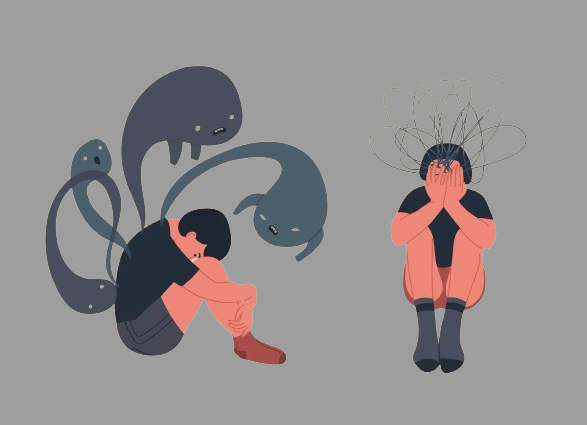
Quick Answer: Quiet BPD (also called high-functioning or discouraged BPD) describes a presentation of Borderline Personality Disorder where the classic symptoms fear of abandonment, emotional dysregulation, and identity instability are directed inward instead of acted out. Instead of visible anger or impulsivity, a person with quiet BPD withdraws, over-apologizes, and blames themselves, meaning their profound emotional pain remains hidden behind a calm, capable exterior.
Key Takeaways
- Quiet BPD is not a separate DSM-5 diagnosis; it is clinical shorthand for an internalized presentation of standard BPD criteria.
- Core symptoms are identical to classic BPD, but the direction of emotional expression changes inward toward the self instead of outward toward others.
- Typical signs include a silent fear of abandonment, chronic inner emptiness, self-directed anger, emotional masking, and compulsive people-pleasing.
- It is one of the most frequently misdiagnosed psychiatric presentations, often mistaken for high-functioning depression, social anxiety, or complex PTSD.
- Radically Open DBT (RO-DBT), CBT, Schema Therapy, and EMDR are cutting-edge, evidence-based treatments that make long-term clinical remission highly realistic.
What Is Quiet BPD?
Borderline Personality Disorder (BPD) is a recognized Cluster B personality disorder in the DSM-5, characterized by enduring patterns of emotional instability, frantic efforts to avoid abandonment, and a highly unstable self-image. However, “Quiet BPD” is not a term found in the DSM-5 itself. It is a descriptive label utilized by psychiatric clinicians, researchers, and patient advocates for individuals who meet the diagnostic criteria for classic Borderline Personality Disorder but express their dysregulation through withdrawal rather than outburst.
This concept is heavily anchored in psychologist Theodore Millon’s clinical framework, specifically his description of the “discouraged” borderline subtype. Millon identified that some individuals present with dependent or avoidant traits on the surface, meticulously masking the intense emotional volatility actively raging underneath.
It is critical to note that the word “quiet” does not mean “mild.” The intensity of the fear, toxic shame, and psychological distress is identical to that of classic BPD. Because the turmoil is internalized, it is harder to detect, harder to diagnose, and often harder to treat, as the individual rarely externalizes their need for help.
Expert Clinical Perspective Psychiatric diagnosticians frequently note a crucial early warning sign that is often missed in standard evaluations: the “over-apology reflex.” Individuals with Quiet BPD will frequently assume fault for environmental shifts entirely outside their control (e.g., apologizing for the weather ruining a shared plan) as a pre-emptive defense mechanism against perceived abandonment.
Quiet BPD vs. Classic BPD
Because quiet BPD and classic BPD share the exact same neurobiological and diagnostic roots, the clearest way to understand the distinction is to compare how the identical internal experience is expressed outwardly.
| Clinical Experience | Classic BPD | Quiet BPD (Internalized) |
| Fear of abandonment | Pleading, protest behaviors, direct confrontation. | Silent panic, sudden withdrawal, over-apologizing. |
| Anger & Frustration | Directed outward, sometimes explosive or confrontational. | Directed entirely inward as toxic guilt or harsh self-blame. |
| Impulsivity | Visible excessive spending, substance use, risk-taking. | Hidden private binge eating, secret spending, sudden life shifts. |
| Conflict Style | Reactive, combative, demanding resolution. | Avoidant, hyper-accommodating, complete silent shutdown. |
| Crisis Behaviors | May be highly visible or verbally communicated. | Frequently concealed, minimized, or suffered in isolation. |
| External Perception | “Intense,” “dramatic,” or “difficult to manage.” | “Calm,” “easygoing,” or “the strong, reliable one.” |

Signs and Symptoms of Quiet BPD
Quiet BPD symptoms can be incredibly difficult to identify from the outside because the individual has often spent decades perfecting the art of looking fine. However, the internal landscape is defined by a consistent cluster of psychological patterns:
- Silent, persistent fear of abandonment: Obsessively worrying that people will eventually leave or lose interest, even without any factual evidence.
- Chronic inner void: Experiencing chronic emptiness or emotional numbness that does not lift, even during objectively happy or successful moments.
- Self-directed emotional violence: Turning frustration into guilt, deep shame, or highly critical self-talk instead of expressing healthy outward anger.
- Compulsive people-pleasing: Driven not by genuine generosity, but by a survival-based fear of being perceived as “too much” or burdensome.
- Masterful emotional masking: Appearing upbeat, capable, or highly composed while internally experiencing a nervous system in overdrive.
- Extreme sensitivity to criticism: Experiencing distress that closely mimics rejection sensitive dysphoria, interpreting minor feedback as a catastrophic failure.
- Internalized splitting: Rapidly fluctuating between idealizing someone else and deeply devaluing oneself (e.g., “They are absolutely perfect, which means I am inherently flawed and unworthy of them”).
- Stress-induced dissociation: Mentally “checking out,” feeling depersonalized, or losing time during periods of interpersonal conflict.
- Hidden impulsivity: Engaging in secretive self-soothing behaviors to escape emotional discomfort without alerting others.
- Rumination spirals: Replaying minor social interactions for hours, absolutely certain they committed a fatal social error.
- The intimacy push-pull: Desperately craving deep emotional closeness while simultaneously pushing people away to avoid the inevitable pain of being hurt first.
What High-Functioning Quiet BPD Looks Like Day to Day
The terms “high-functioning BPD” and quiet BPD are frequently used interchangeably in modern psychology. From the outside looking in, someone with quiet BPD might be a highly reliable coworker, an academic overachiever, or the designated “therapist friend” who always has their life together. They rarely cancel professional obligations, never raise their voice, and almost never ask for emotional support.
Underneath this veneer of extreme competence, they expend a staggering amount of cognitive energy managing an internal experience dominated by self-monitoring. They constantly curate their personality to fit the perceived needs of the room, driven by a core belief that if people saw their “real” emotional volatility, they would immediately abandon them.
This chasm between their outward performance and inward reality is neurologically exhausting. Over years, this sustained emotional suppression frequently leads to severe burnout, somatic illnesses, or a sudden psychological collapse that appears to happen “out of nowhere” to their peers even though the individual has been struggling in silence for years.
Is “Quiet BPD” a Real Diagnosis?
No medical professional will write “Quiet BPD” on a chart, as it is not a standalone category in the DSM-5-TR. The official diagnosis remains Borderline Personality Disorder. To receive this diagnosis, an individual must meet at least five of the nine standard criteria such as unstable interpersonal relationships, identity disturbance, and chronic feelings of emptiness regardless of whether those symptoms are externalized loudly or internalized silently.
The term “quiet BPD” holds immense clinical value because it describes the presentation of the pathology. It provides a vital framework to explain why individuals who are suffering from severe borderline traits go unnoticed by the medical system for years, simply because their distress does not align with outdated, dramatic clinical stereotypes.
Quiet BPD vs. Introversion, Social Anxiety & High-Functioning Depression
Psychiatric diagnosticians frequently note that Quiet BPD is misdiagnosed as introversion, social anxiety, or high-functioning depression because all four conditions involve withdrawal and a strong preference for staying under the radar. The critical medical distinction lies in the underlying psychological driver.
Introversion is a neurological personality trait dictating how someone recharges energy; it is not rooted in fear. Social anxiety centers specifically on the fear of judgment in performative or social settings. High-functioning depression involves persistent anhedonia and low mood while maintaining daily routines.
Quiet BPD, by contrast, is driven by a deep, trauma-informed fear of abandonment and a highly unstable sense of self. A quiet, introverted person is generally comfortable and at peace in solitude. An individual with quiet BPD is often tortured by it; solitude can trigger the exact same abandonment panic that closeness does, creating a frantic internal push-pull dynamic that standard introversion simply cannot explain.
What Causes Quiet BPD?
Consistent with all Cluster B presentations, quiet BPD is formed through a complex interaction between genetic neurobiology and environmental conditioning. This is best understood through the biosocial theory of BPD, originally formulated by Dr. Marsha Linehan:
- Childhood Invalidation and Trauma: Growing up in an environment where emotional expression was punished, minimized, or used against a child teaches them that expressing feelings is dangerous. Suppression and self-blame become their primary survival strategies.
- Genetic Predispositions: Extensive family studies indicate that BPD possesses a heritable component directly tied to emotional hypersensitivity and delayed impulse regulation.
- Neurobiological Differences: Variations in amygdala reactivity (the brain’s threat center) and prefrontal cortex regulation mean that individuals with BPD experience emotional stimuli faster, more intensely, and for longer durations than neurotypical individuals.
- Sociocultural Conditioning: In households or cultures that enforce strict stoicism or discourage open vulnerability, internalizing emotional pain becomes a deeply ingrained, automatic coping mechanism long before it calcifies into a personality disorder.
How Quiet BPD Is Diagnosed and Often Misdiagnosed
Because the surface symptoms of quiet BPD overlap heavily with other prevalent mental health disorders, it is notoriously difficult to diagnose correctly during a standard intake evaluation. Patients are frequently misdiagnosed with:
- Major Depressive Disorder: Due to the presentation of profound low mood, toxic guilt, and social withdrawal.
- Generalized Anxiety Disorder: Due to chronic hypervigilance, excessive worrying, and the tendency to over-apologize.
- Complex PTSD (c-PTSD): Due to highly overlapping symptoms regarding a fractured sense of identity and relational trauma.
- Bipolar II Disorder: Because the internal emotional shifts are so rapid, clinicians often have to carefully distinguish these internalized symptoms from bipolar disorder to ensure they aren’t confusing interpersonal reactivity with unprovoked chemical mood cycles.
Accurate diagnosis requires a comprehensive, structured clinical interview conducted by a psychiatrist or psychologist who specializes in personality disorders.
Treatment and Healing Pathways
Clinical recovery from quiet BPD is not about changing who you are; it is about unlearning the survival mechanisms that force you to hide. Healing requires learning to safely regulate and express authentic emotions rather than aggressively suppressing them.

Evidence-Based Therapy
- Radically Open DBT (RO-DBT): While standard Dialectical Behavior Therapy is highly effective for BPD, RO-DBT is often the superior choice for the quiet subtype. Standard DBT targets disorders of “under-control” (impulsivity), whereas RO-DBT is specifically engineered for disorders of “over-control” (perfectionism, emotional masking, and social withdrawal), helping individuals learn to safely lower their guard and take social risks.
- Cognitive Behavioral Therapy (CBT): Highly effective for identifying and actively restructuring the severe, self-critical cognitive distortions that plague individuals with this condition.
- Schema Therapy: Dives deep into the subconscious to target and rewire early maladaptive core beliefs of defectiveness, subjugation, and inevitable abandonment.
- EMDR (Eye Movement Desensitization and Reprocessing): Frequently utilized as an adjunct therapy to process the specific childhood attachment traumas driving the internalized symptoms.
Medication
There is currently no FDA-approved pharmacological treatment specifically for Borderline Personality Disorder. However, psychiatrists frequently utilize targeted medications (such as SSRIs or mood stabilizers) to alleviate severe co-occurring symptoms like chronic depression, somatic anxiety, or sleep disturbances, providing the patient with enough stability to engage effectively in psychotherapy.
Supporting Someone with Quiet BPD
Do:
- Listen with radical empathy without immediately trying to “fix” their internal logic.
- Continuously reassure them that their authentic emotions and boundaries do not make them a burden.
- Encourage professional, specialized therapeutic support without issuing ultimatums.
- Maintain highly consistent, predictable behavior and enforce boundaries with warmth.
Don’t:
- Dismiss their psychological pain simply because they “seem fine” or are performing well at work.
- Take their sudden emotional withdrawal personally; it is almost always a trauma response rooted in fear, not a rejection of you.
- Assume their silence equates to peace.
Frequently Asked Questions About Quiet BPD
What are the main signs of quiet BPD?
The most consistent clinical signs are a deeply internalized fear of abandonment, chronic feelings of emptiness, turning anger inward as severe self-blame, compulsive masking of negative emotions, and extreme sensitivity to perceived rejection all while maintaining a highly functional, calm exterior.
Is quiet BPD an official diagnosis?
No. Quiet BPD is a widely accepted descriptive framework, not a standalone DSM-5-TR category. The formal diagnosis is Borderline Personality Disorder, which is assessed using standard diagnostic criteria regardless of whether the patient internalizes or externalizes their distress.
How is quiet BPD different from classic BPD?
The underlying neurobiology and core diagnostic criteria are identical. The difference lies entirely in the direction of the emotional expression: classic BPD tends to release distress outwardly through interpersonal conflict and visible impulsivity, whereas quiet BPD turns that exact same distress inward through withdrawal, isolation, and self-criticism.
Can quiet BPD be mistaken for depression, anxiety, or complex PTSD?
Yes, it is one of the most commonly misdiagnosed personality presentations in modern psychiatry. Because the primary visible symptoms low mood, toxic guilt, hypervigilance, and social withdrawal mimic these other conditions, the underlying personality structure is frequently overlooked.
Can someone with quiet BPD live a stable, fulfilling life?
Absolutely. With targeted, consistent psychotherapy particularly RO-DBT or Schema Therapy many individuals achieve long-term clinical remission. Through neuroplasticity and skill-building, they can develop highly stable relationships, robust careers, and a resilient sense of self. Recovery is not an exception; it is a highly realistic outcome.
What triggers a quiet BPD episode?
Episodes are almost exclusively triggered by perceived interpersonal threats. Common triggers include feeling misunderstood, facing constructive criticism, sensing a shift in a partner’s tone, or fearing that a relationship is ending even when there is zero objective evidence to support that fear.
Is there a mild version of BPD?
Some individuals exhibit subclinical “borderline traits” that cause distress but do not meet the full five-criteria diagnostic threshold for a personality disorder. However, Quiet BPD should not be mistaken for a “mild” version of the disorder; the psychological agony is just as severe, it is simply less visible to the public.
Conclusion: Breaking the Silence Around Quiet BPD
Quiet BPD hides in plain sight behind academic accolades, professional competence, composure, and a well-rehearsed “I’m fine.” But beneath the surface, the exact same fear of abandonment, chronic emptiness, and neurobiological intensity found in classic BPD is actively raging it has simply learned that it is safer to stay silent.
Recognizing quiet BPD for what it truly is matters deeply, because applying the correct clinical terminology changes what is possible for the patient. It opens the door to an accurate diagnosis, specialized therapeutic interventions, and a way of moving through the world that no longer requires constant self-erasure.
Healing from this condition does not mean you have to become louder or more dramatic. It simply means you no longer have to hide.
If you or someone you know is in crisis or having thoughts of suicide, call or text 988 (Suicide & Crisis Lifeline, US) or contact local emergency services immediately.
| This article is for educational purposes and does not replace personalized medical or psychological advice. If you are recovering from a brain injury, trauma, or a mental health condition, work with a licensed clinician to build a plan suited to your situation.
Written by: Adil Farooq, Psychiatry Magazine Medically reviewed by: [Dr. Adil Farooq MS · PhD] · Updated: 2026 |