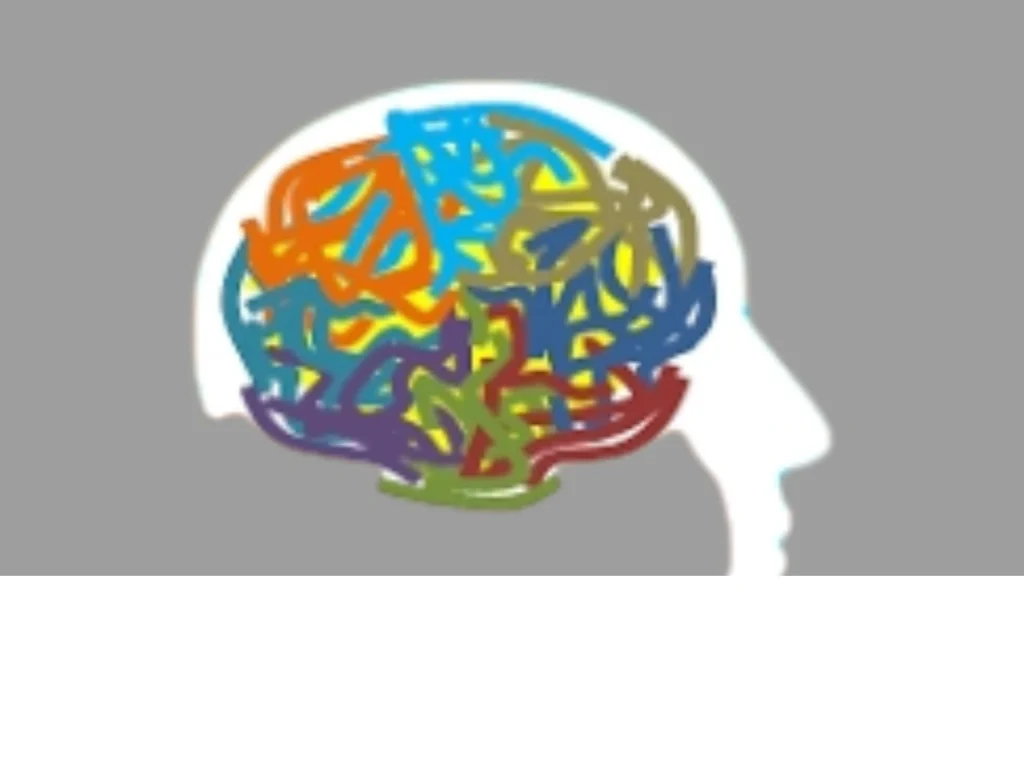
There is a particular kind of exhaustion that has nothing to do with physical tiredness. It lives in the mind, and it runs on a loop. You replay the conversation from last night, searching for the tone in their voice when they said they were fine. You reread the text message for the fourth time, trying to determine whether the absence of an exclamation mark means something has shifted between you. You construct elaborate scenarios about what their silence could mean, what your response to their silence might communicate, and what their response to your response will reveal about how safe you actually are in this relationship.

By the time you arrive at a conclusion, the anxiety has already moved on to the next unresolved detail, and the whole process begins again.
This is not simply overthinking. It is not emotional weakness, immaturity, or “being too needy.” It is often the lived experience of anxious preoccupation — one of the most exhausting and misunderstood attachment patterns in modern relationships.
What is anxious preoccupation? In psychology, it refers to a deeply ingrained attachment style where a person becomes mentally and emotionally consumed by the stability of their relationships. The mind constantly scans for signs of rejection, distance, withdrawal, or emotional inconsistency. Even when love is present, the nervous system struggles to fully trust it.
People living with anxious preoccupation are often told they are too sensitive or too intense. What they are rarely told is that their mind and nervous system are following a learned attachment strategy shaped by early emotional experiences. Their reactions have a history. Their anxiety has a structure. And their patterns can change.
What Anxious Preoccupation Actually Means in Psychology
Anxious preoccupation is one of the four major adult attachment styles described in attachment theory. More formally, it is called the anxious-preoccupied attachment style.
This attachment style is defined by two central features:
- High anxiety about relationships
- Strong desire for intimacy and closeness
Unlike avoidant attachment styles, anxiously preoccupied people do not pull away from relationships. They move toward them intensely. They deeply value emotional connection and often invest heavily in relationships. The problem is that closeness does not fully calm the anxiety.
Once intimacy is achieved, the fear shifts.
Instead of wondering:
“Will they come closer to me?”
The fear becomes:
“Will they stay?”
“Do they really love me?”
“Are they pulling away?”
“Did something change?”
The monitoring continues even when the relationship itself is stable.
The term “preoccupied” matters because it describes the mental occupation that happens internally. The mind becomes persistently focused on the relationship — its safety, future, emotional quality, and possible threats.
This is not a conscious decision to overthink. It is the automatic activation of an attachment system that learned early in life that connection could not always be trusted to remain stable.
Researchers in attachment psychology describe this as a hyperactivating strategy. When stress appears in the relationship, the attachment system amplifies itself rather than calming down.
The need for reassurance grows stronger.
Emotional monitoring intensifies.
Ambiguous signals begin to feel threatening.
This process often happens automatically and below conscious awareness.
The Origins of Anxious Preoccupation in Childhood
To understand anxious preoccupation, it is important to understand how attachment develops in early life.
Attachment is not simply a personality trait people are born with. It is a learned relational system built through repeated emotional experiences with caregivers during childhood.
Children who develop anxious preoccupied attachment usually experience inconsistent caregiving rather than complete neglect.
This distinction matters.
A child whose caregivers are consistently distant may develop avoidant attachment because they learn that emotional needs are unlikely to be met.

But children who develop anxious preoccupation usually experience something different:
sometimes emotional closeness is available, and sometimes it is not.
The caregiver may be loving one day and emotionally unavailable the next. Comfort may arrive unpredictably. Emotional responsiveness becomes inconsistent rather than reliable.
For the child, this creates uncertainty.
The child learns:
“Connection exists, but I cannot predict when it will disappear.”
So the nervous system adapts.
The child begins monitoring more carefully. They seek reassurance more intensely. They become emotionally vigilant because paying close attention feels necessary for maintaining connection.
This strategy is intelligent in the environment where it develops. The problem is that the nervous system continues using the same strategy in adult relationships long after childhood has ended.
This is why anxious preoccupation often feels disproportionate to the current relationship situation. The person is not only reacting to their partner in the present moment. They are also reacting from an older emotional blueprint created much earlier in life.
How Inconsistent Caregiving Shapes the Nervous System
The nervous system stores relational experiences not just as memories, but as physiological patterns.
A child raised in emotional inconsistency develops a nervous system calibrated toward relational alertness.
The body learns:
- Emotional safety can change suddenly
- Closeness may disappear unexpectedly
- Monitoring relationships is protective
Over time, this creates chronic hypervigilance.
Even healthy relationships can feel emotionally uncertain because the nervous system remains prepared for possible disconnection.
This explains why anxious preoccupation is not simply “being dramatic.” The anxiety is physiological as much as psychological.
The body itself learned that unpredictability was dangerous.
The Neuroscience Behind Constant Relationship Analysis
One reason anxious preoccupation feels impossible to stop is because it involves real neurological processes.
The amygdala — the brain’s emotional threat-detection system — plays a central role.
People with anxious attachment patterns often show increased sensitivity to social and relational threats. Small changes in tone, facial expression, texting behavior, or emotional availability can trigger strong internal alarms.
The amygdala does not analyze situations logically. It reacts quickly based on emotional memory and perceived threat.
For someone whose nervous system learned that emotional inconsistency was dangerous, even neutral situations can trigger anxiety.
Examples include:
- A delayed text reply
- A quieter mood than usual
- Less enthusiasm in conversation
- A partner needing space
The rational mind may know these situations are normal. But the nervous system reacts before rational thinking fully activates.
Stress hormones like cortisol also become involved. Research shows anxiously attached individuals often experience stronger physiological stress responses during relationship uncertainty.
This means anxious preoccupation is not “just in your head.” It is a full-body emotional alarm state.
Why Logic Alone Cannot Stop the Anxiety
Many people with anxious preoccupation become frustrated because they understand intellectually that their fears may be exaggerated, yet they still cannot stop worrying.
This happens because different parts of the brain are involved.
The prefrontal cortex — responsible for reasoning and emotional regulation — can recognize that the relationship is probably okay.
But when the amygdala is highly activated, rational thinking loses influence.
The body feels unsafe even when the mind understands there may not be real danger.
This creates a painful internal split:
“I know I’m overthinking, but I still cannot stop.”
The solution is not simply “thinking positively.” The attachment system itself must gradually learn safety through new emotional experiences and nervous system regulation.
What Anxious Preoccupation Feels Like From the Inside
From the inside, anxious preoccupation feels less like ordinary worry and more like compulsive emotional analysis.
The mind keeps returning to the relationship automatically.
You replay conversations repeatedly.
You analyze wording and tone.
You search for hidden meaning in small interactions.
You mentally prepare for rejection before it happens.
The exhausting part is that the analysis rarely produces peace.
Even after receiving reassurance, the relief is temporary. The mind soon searches for the next possible threat.
Many people with anxious preoccupation live in a state of anticipatory suffering. They are not only afraid of what is happening now. They are afraid of what might happen tomorrow, next week, or months from now.
The mind constantly asks:
“What if they lose interest?”
“What if I become too much?”
“What if this changes?”
“What if I get abandoned?”
This ongoing emotional forecasting becomes mentally exhausting.
The Shame Layer Beneath the Anxiety
Many people with anxious preoccupation also carry deep shame about their emotional experience.
They often believe:
- “I’m too needy.”
- “I’m emotionally broken.”
- “I love too much.”
- “I ruin relationships.”
These beliefs usually develop because others misunderstood their attachment anxiety and labeled them as overly emotional or demanding.
But anxious preoccupation is not evidence of weakness or defectiveness.
It is evidence of a nervous system that adapted to inconsistency.
Understanding this distinction is important because shame itself intensifies attachment anxiety. The person begins fearing not only abandonment, but also judgment for having emotional needs at all.
How Anxious Preoccupation Affects Relationships
Anxious preoccupation shapes relationships in powerful ways.
One of the most common dynamics is the pursue-withdraw cycle.
When the anxiously preoccupied person senses emotional distance, their attachment system activates intensely. They seek reassurance, closeness, communication, and emotional clarity.
If the partner feels overwhelmed by this intensity, they may temporarily withdraw to create space.
The anxiously attached person interprets this withdrawal as confirmation of rejection.
Their anxiety increases further.
They pursue more intensely.
The cycle escalates.
Neither person is necessarily trying to hurt the other. Both are reacting through their own attachment patterns.
Why Ambiguity Feels Threatening
People with anxious preoccupation often interpret ambiguous situations negatively.
A partner being quiet after work may feel like emotional withdrawal.
A delayed response may feel like rejection.
A change in texting style may feel like loss of love.
This happens because the nervous system prioritizes detecting possible relational danger.
The brain becomes biased toward threat interpretation.
Even healthy relationships contain normal ambiguity and imperfection. But anxious preoccupation makes ambiguity emotionally difficult to tolerate.
The Burden of Reassurance Seeking
Partners of anxiously preoccupied individuals sometimes feel exhausted by the constant need for reassurance.
No amount of reassurance seems to fully solve the anxiety because the issue exists deeper than the present moment.
The reassurance temporarily calms the attachment system, but the underlying fear soon returns.
Over time, this can create frustration on both sides:
- One person feels chronically unsafe
- The other feels unable to fully resolve the fear
Understanding attachment dynamics helps couples stop blaming each other personally and start understanding the underlying emotional architecture driving the cycle.
The Connection Between Anxious Preoccupation and Self-Worth
Anxious preoccupation is deeply connected to self-worth.
Many anxiously attached individuals unconsciously carry beliefs such as:
- “I am hard to love.”
- “People eventually leave.”
- “My needs are too much.”
- “Love must be earned continuously.”
These beliefs become internal working models.
A working model is the emotional blueprint through which people interpret relationships, themselves, and others.
The reassurance-seeking in anxious preoccupation is often not only about the partner. It is also about stabilizing a fragile sense of self-worth.
When reassurance is present, the person temporarily feels lovable and secure.
When reassurance disappears, self-doubt returns.
This is why healing anxious preoccupation requires more than finding a reassuring partner. It also involves developing internal emotional stability and self-worth that does not collapse when external validation fluctuates.
Signs You May Have Anxious Preoccupation
Not everyone who occasionally worries about relationships has anxious preoccupation.
The difference lies in the intensity, persistence, and compulsive quality of the monitoring.
Common signs include:
- Constantly analyzing texts and conversations
- Fear of abandonment even in stable relationships
- Requiring repeated reassurance to feel secure
- Emotional distress during small changes in closeness
- Feeling emotionally dependent on partner responsiveness
- Interpreting ambiguity as rejection
- Difficulty calming relationship anxiety logically
- Strong fear of being “too much” emotionally
- Obsessive focus on relationship stability
- Anxiety returning quickly after reassurance
If these patterns feel familiar, it may indicate anxious-preoccupied attachment rather than ordinary relationship stress.
What Actually Helps Heal Anxious Preoccupation
Healing anxious preoccupation begins with understanding that it is an attachment pattern — not a character flaw.
Attachment patterns can change.
The process is not instant, but research consistently shows that people can move toward greater attachment security through sustained emotional work and corrective relational experiences.
Emotionally Focused Therapy and Attachment-Based Healing
One of the most effective therapeutic approaches for anxious attachment is Emotionally Focused Therapy (EFT).
EFT helps people understand:
- The fears beneath their behaviors
- The attachment needs driving conflict
- The emotional cycles occurring inside relationships
Rather than simply teaching communication techniques, EFT works directly with attachment wounds and emotional bonding patterns.
Other effective therapies include:
- Internal Family Systems (IFS)
- Schema Therapy
- Psychodynamic Therapy
- Attachment-Based Therapy
These approaches help people process earlier relational experiences while building healthier emotional regulation and self-worth.
Mindfulness and Nervous System Regulation
Mindfulness can also help reduce the intensity of anxious preoccupation.
One of the biggest shifts in healing occurs when people learn:
“A thought is not automatically a fact.”
Mindfulness helps create space between:
- Emotional alarm
- Automatic interpretation
- Reactive behavior
This does not eliminate anxiety instantly, but it reduces identification with catastrophic thoughts and emotional spirals.
Nervous system regulation practices can also help:
- Breathwork
- Grounding exercises
- Somatic therapy
- Meditation
- Physical movement
- Sleep regulation
These practices help calm the physiological alarm state underlying attachment anxiety.
Building Internal Security
Perhaps the most important part of healing anxious preoccupation is developing a secure relationship with yourself.
This means:
- Building self-worth outside relationships
- Developing emotional resilience
- Learning self-soothing skills
- Creating stability within your own life
- Strengthening identity beyond romantic attachment
The goal is not emotional independence in the avoidant sense.
The goal is interdependence:
the ability to deeply love and connect without living in constant fear of losing yourself or being abandoned.
What Life Feels Like Beyond Anxious Preoccupation
People deeply trapped in anxious preoccupation often cannot imagine relationships without constant monitoring.
But healing does not create emotional numbness or indifference.
Secure attachment still values love deeply.
The difference is that the relationship no longer feels like a constant emotional emergency.
The mind becomes quieter.
Ambiguity becomes more tolerable.
Reassurance feels more believable.
Closeness feels safer.
You stop spending most of the relationship analyzing whether love exists and begin actually experiencing it while it is happening.
Secure attachment is not certainty that nobody will ever leave.
It is the development of enough internal emotional stability that uncertainty no longer feels catastrophic.
Anxious preoccupation is not a permanent identity. It is a learned relational strategy, and learned strategies can change when the nervous system experiences enough safety, consistency, and emotional repair over time.
Frequently Asked Questions
What causes anxious preoccupation?
It usually develops through inconsistent caregiving in childhood, where emotional connection was unpredictable. The nervous system learns to monitor relationships intensely in order to maintain emotional safety.
Is anxious preoccupation the same as being needy?
No. Anxious preoccupation is an attachment pattern rooted in nervous system conditioning and emotional survival strategies. Labeling it as “neediness” oversimplifies a much deeper psychological process.
Can anxious preoccupation be healed?
Yes. Attachment styles are not fixed. Therapy, secure relationships, emotional regulation work, and self-awareness can help people develop greater attachment security over time.
Why does reassurance only help temporarily?
Because reassurance calms the immediate fear without fully changing the deeper attachment model underneath it. Long-term healing requires repeated experiences of emotional safety and internal self-worth development.
How is anxious preoccupation different from normal relationship anxiety?
Normal relationship anxiety usually appears during genuinely stressful situations. Anxious preoccupation persists even in relatively safe relationships and often activates around ambiguity or imagined future threats rather than current evidence alone.
The person reading this who recognizes themselves in these patterns has probably spent years believing they are simply “too much.” Too emotional. Too sensitive. Too difficult to love.
But anxious preoccupation is not proof that you are broken.
It is proof that your nervous system adapted to inconsistency in the best way it knew how.
The constant analysis can quiet over time. Not through force, shame, or pretending not to care, but through the gradual development of emotional safety within yourself and within healthier relationships.
That change is possible. And the peace that exists on the other side of it is worth the work it takes to reach it.