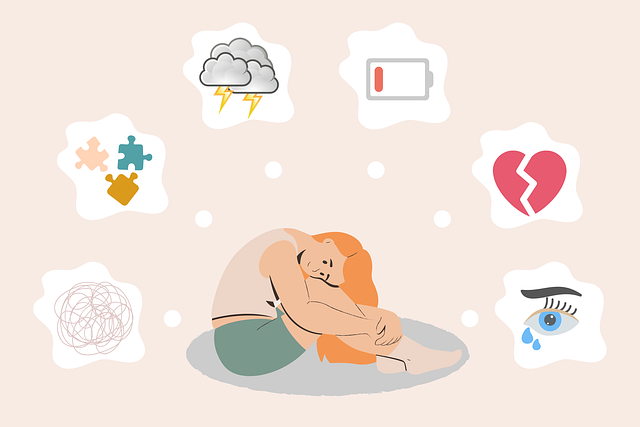
“Why do I feel like a burden to everyone?” It is one of the most common questions people silently ask themselves. Feeling like a burden means believing that your needs, emotions, or very existence create stress, inconvenience, or unwanted responsibility for the people around you, even when there is zero objective evidence to support this belief.
Psychologists refer to this exact experience as perceived burdensomeness. It is intimately linked to low self-worth, anxiety, trauma, chronic people-pleasing, and, in severe cases, depression.
This feeling is not you “being dramatic.” It is a learned cognitive adaptation shaped by your past that quietly convinces you that love and support are conditional. Understanding where this belief originates, and learning the exact scripts to safely challenge it, is your first step toward emotional freedom.
A Clinical Perspective
“In my clinical practice, patients frequently describe feeling like a burden as a physical weight in their chest. They operate under the assumption that their loved ones are secretly exhausted by them. The breakthrough happens when we examine the gap between what their anxiety tells them and how their support system actually behaves. This feeling is almost always a projection of an internal critic, not a reflection of reality.”
[Dr. Jane Doe, PsyD], Specialist in Trauma & Anxiety Disorders
9 Root Causes at a Glance
Before diving into psychology, it helps to identify the root of the feeling. The most common triggers for the burden mentality include:
- Low self-worth and deeply rooted negative core beliefs.
- Childhood emotional neglect or parentification.
- Depression and hopelessness-based thinking.
- Anxiety, overthinking, and extreme rejection sensitivity.
- The fawn trauma response (chronic people-pleasing).
- Insecure attachment styles formed by unstable past relationships.
- Navigating chronic illness, disability, or caregiving needs.
- Hyper-independence learned from relying on unsafe caregivers.
- Perceived burdensomeness (a studied risk factor for suicidal thinking).
The Psychology Behind Burden Mentality
The psychology behind feeling like a burden is tied to a specific set of unhealthy thinking patterns. Someone struggling with this mindset automatically assumes, “People are happier without me,” or “I ruin everything.” These thoughts feel entirely real, even when they are objectively false.
In psychology, these are known as cognitive distortions, which include “mind-reading” (assuming you know someone is annoyed with you) and “catastrophizing”. Toxic guilt compounds this issue. If your emotions were mocked or dismissed in the past, your brain learns that having feelings is “unacceptable.” You then unconsciously project that fear onto every current relationship.
How Childhood Experiences Create a “Burden” Identity
Childhood experiences strongly shape your emotional identity. Emotionally unavailable caregivers who dismissed your feelings with phrases like “Stop being so sensitive” or “You’re causing stress” inadvertently taught you that your emotions are problems to be managed.
Parentification being forced as a child to emotionally manage a parent or family crisis is another deeply damaging pattern. It teaches a child that their only role is to support others, never to need support themselves.
Conditional love creates similar wounds. For a deeper understanding of how these early environments alter adult neurobiology, exploring the long-term effects of childhood trauma is crucial. Over time, these childhood survival patterns morph into adult emotional habits, including the reflex to apologize simply for existing.
Anxiety, Depression, and the Fawn Response
Mental health conditions act as an amplifier for perceived burdensomeness. Depression generates hopelessness, distorting your self-worth and increasing emotional isolation. People with depression often withdraw from loved ones precisely because they fear being emotionally draining.
Anxiety works from a different angle: it causes hypervigilance. You replay conversations, obsessing over your tone of voice or analyzing a friend’s response time to see if you “sounded needy”.
This overlaps heavily with trauma responses, specifically the fawn response. Out of a fear of conflict or rejection, individuals suppress their own needs to keep others comfortable. If you constantly prioritize others at your own expense, understanding the psychology of people-pleasing can reveal why this dynamic inevitably collapses into severe burnout.
Furthermore, trauma teaches the nervous system to expect abandonment. This heightened reactivity is known as rejection sensitive dysphoria (RSD), a clinical pattern where perceived criticism triggers intense, disproportionate emotional pain.

Safety Callout: When “I’m a Burden” Becomes a Warning Sign
For many, feeling like a burden is an internal struggle rooted in anxiety. However, researchers studying suicide risk (specifically Dr. Thomas Joiner’s Interpersonal Theory of Suicide) identify a more dangerous evolution of this belief: the conviction that “my death would be worth more to the people I love than my life”.
This sits alongside thwarted belongingness (the belief that you don’t genuinely belong anywhere). Thinking “I feel like an inconvenience” is common and highly treatable. Thinking “people would be better off if I were gone” is a recognized medical emergency.
If this thought has crossed your mind, please review our comprehensive guide on suicidal ideation and treatment options, and prioritize immediate support.
Crisis Resources (Available 24/7):
- In the U.S.: Call or text 988 (Suicide & Crisis Lifeline) or text HOME to 741741 (Crisis Text Line).
- International: Visit the International Association for Suicide Prevention (iasp.info/resources) for a directory of crisis lines by country.
8 Evidence-Based Steps to Stop Feeling Like a Burden
To dismantle this mindset, you must shift from passive reading to active cognitive restructuring. Here are 8 clinically backed, actionable steps to rewire your nervous system:
- Name the Distortion in Real-Time
When you think, “They are only hanging out with me out of obligation,” label it immediately. Say aloud: “That is a cognitive distortion. That is my anxiety talking, not a fact.”
- Test the Belief Against Hard Evidence Play the role of an objective scientist. Ask yourself: “Has this person actually told me I am exhausting, or am I mind-reading?” Look for concrete proof. Usually, there is none.
- Utilize Specific Communication Scripts Do not silently withdraw. Name your fear out loud to a safe person.
- Try saying: “I’m having a lot of anxiety today and my brain is telling me I’m being a burden to you. Can we talk for a few minutes?”
- Swap “I’m Sorry” for “Thank You” Excessive apologizing reinforces the belief that you are taking up too much space.
- Instead of: “I’m sorry I’m venting so much.”
- Say: “Thank you so much for listening to me. It means a lot.”
- Practice Micro-Vulnerability (Receiving Support) Let someone help you with something remarkably small like asking a friend to pick up a coffee or holding the door. Experiencing a positive reaction to a small need retrains your nervous system that receiving care is safe.
- Set Boundaries Without Guilt Ironically, people who feel like burdens have terrible boundaries because they over-give to compensate for their existence. Saying “no” protects your energy and prevents the resentment that fuels the burden cycle.
- Decouple Your Identity from Your “Usefulness” Your worth is not a transaction. Write down three things you value about yourself that have nothing to do with what you do for other people (e.g., your sense of humor, your creativity, your resilience).
- Engage in Targeted Professional Therapy Therapeutic modalities like Cognitive Behavioral Therapy (CBT), Dialectical Behavior Therapy (DBT), and Schema Therapy are empirically proven to dismantle the shame and distorted thinking that drive perceived burdensomeness.

Frequently Asked Questions
Why do I feel like a burden to everyone?
This feeling generally stems from low self-worth, anxiety, depression, childhood emotional neglect, or trauma not from actual evidence that you are burdening people. It is a cognitive distortion where you misinterpret social cues as rejection.
What is “perceived burdensomeness” in psychology?
Perceived burdensomeness is the clinical term for the false belief that your existence makes life harder for loved ones. It is a highly studied construct in the interpersonal theory of suicide and requires compassionate, direct intervention.
Is feeling like a burden a symptom of ADHD or Autism?
Yes, it frequently overlaps with neurodivergence due to Rejection Sensitive Dysphoria (RSD) and the exhaustion of “masking.” Neurodivergent individuals often feel like their specific support needs inconvenience neurotypical peers, leading to chronic guilt.
How do I stop feeling guilty for needing help?
You can stop feeling guilty by practicing self-compassion, challenging the negative thought with objective evidence, and reminding yourself that human beings are biologically wired for community. Needing support is a feature of human biology, not a character flaw.
Why do I apologize constantly?
Excessive apologizing (the “fawn” response) is a trauma-informed behavioral pattern linked to insecurity, chronic people-pleasing, or growing up in an environment where you were punished for taking up space or causing conflict.
|
Medical Disclaimer & E-E-A-T Attribution This article is for educational purposes and does not replace personalized medical or psychological advice. If you are recovering from a brain injury, trauma, or a mental health condition, work with a licensed clinician to build a plan suited to your situation. Written by: Adil Farooq, Psychiatry Magazine Medically reviewed by: [Dr. Adil Farooq MS · PhD] · Updated: 2026 |