Phantom vibration syndrome is one of the strangest psychological effects of modern smartphone culture, causing people to feel their phone vibrate even when no notification actually arrived. Many people instinctively reach into their pocket, check their phone, and realize nothing happened at all. Yet the sensation felt completely real.
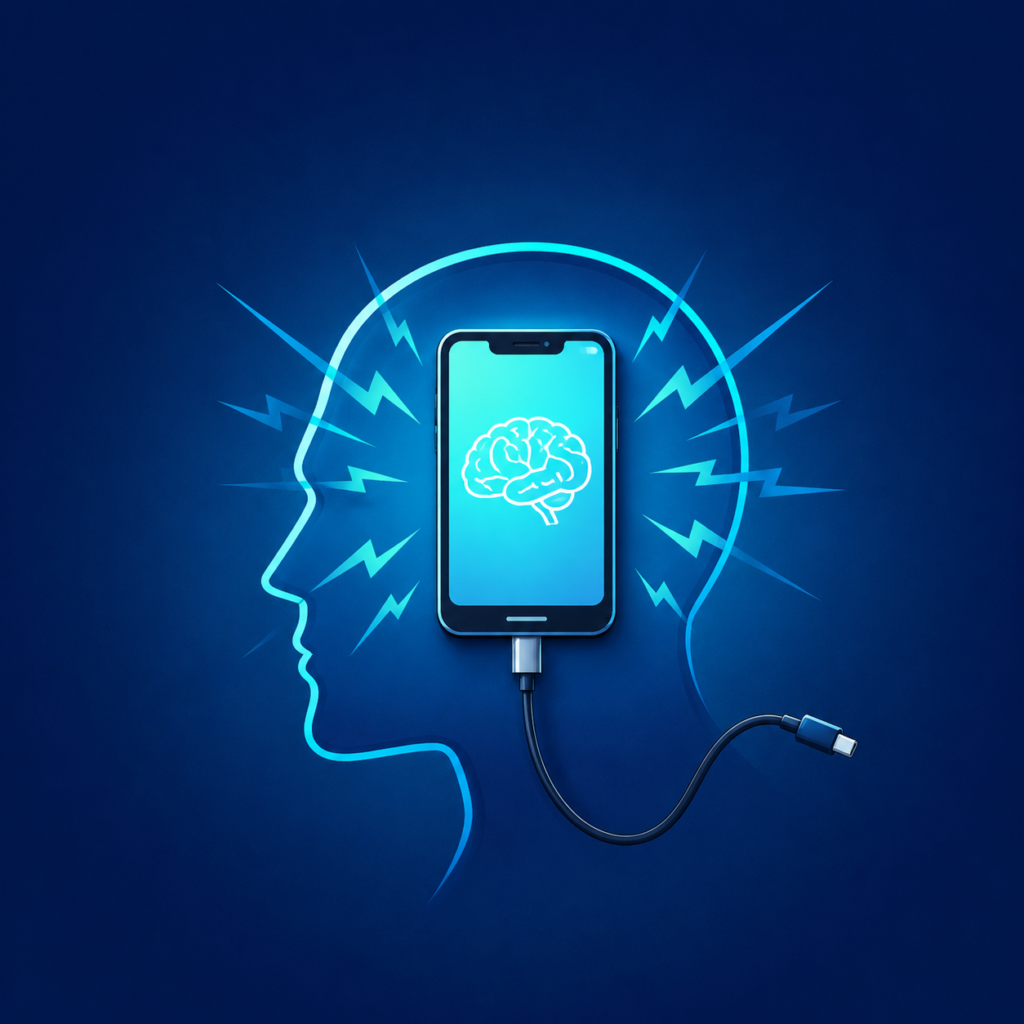
In today’s hyperconnected world, smartphones rarely leave our hands. People wake up checking notifications, spend hours scrolling social media, respond instantly to messages, and sleep with their devices nearby. Over time, the brain becomes deeply conditioned to expect constant digital stimulation.
This nonstop anticipation changes the way attention, perception, and emotional awareness function. The mind begins scanning constantly for notifications, alerts, and vibrations. Eventually, even tiny muscle movements, clothing shifts, or nerve sensations can be misinterpreted as phone activity.
Although phantom phone vibrations may seem harmless or even funny, they reveal something deeper about modern psychology. They expose how heavily technology influences human attention, stress levels, dopamine systems, and emotional habits.
For some people, phantom notification syndrome becomes an occasional curiosity. For others, it reflects chronic digital anxiety, smartphone addiction, overstimulation, or emotional dependency on constant connectivity. The phenomenon has become increasingly common among students, professionals, healthcare workers, remote employees, and social media users who feel pressured to remain constantly available.
The psychology behind phantom vibration syndrome is deeply connected to behavioral conditioning, cognitive expectation, digital stress, and the brain’s remarkable ability to predict sensory experiences before they happen.
Understanding why this happens can help people build healthier technology habits, reduce digital anxiety, and regain more control over attention and emotional well-being.
What Is Phantom Vibration Syndrome?
Phantom vibration syndrome refers to the false sensation that a mobile phone is vibrating when it actually is not. The experience usually happens when a phone is carried in a pocket, close to the body, or used frequently throughout the day.
Some people also experience phantom ringing syndrome, where they think they hear their phone notification sound even when no call or alert occurred.
The term became popular as smartphones became central to everyday life. Researchers and psychologists began noticing how frequently people reported fake phone vibrations and phantom notifications. What initially seemed unusual eventually became recognized as an extremely common psychological phenomenon.
Phantom vibration syndrome is not considered a severe mental illness or psychotic condition. Instead, it is generally understood as a cognitive and sensory misinterpretation caused by behavioral conditioning and heightened attentional focus.
The human brain constantly predicts and interprets sensory information. Rather than passively receiving reality exactly as it is, the brain actively anticipates patterns based on habits, expectations, and past experiences.
When someone checks notifications hundreds of times daily, the brain learns to expect vibrations constantly. Eventually, ordinary physical sensations such as muscle twitches, fabric movement, pressure shifts, or nerve activity can trigger false interpretations.
The phenomenon highlights the close relationship between technology and perception. It demonstrates how digital habits can influence not only behavior but also physical sensory experiences.
Studies suggest that phantom phone vibrations are surprisingly widespread, especially among individuals who heavily depend on smartphones for communication, work, social interaction, or emotional reassurance.
The Psychology Behind Phantom Vibration Syndrome
The psychology of phantom vibration syndrome is rooted in behavioral conditioning, anticipation, and the brain’s reward system.
Smartphones operate on powerful psychological reinforcement loops. Every message, like, notification, or email activates small bursts of dopamine, the neurotransmitter associated with reward, anticipation, and motivation.
Over time, the brain becomes trained to expect these rewards continuously. This creates compulsive phone-checking behavior and increases hyperawareness toward notifications.
Behavioral psychology explains this through conditioning patterns. Similar to how people automatically react to alarm clocks or familiar sounds, smartphone users become conditioned to anticipate device activity.
This anticipation eventually becomes subconscious. Even without a real notification, the brain remains prepared for one.
Compulsive phone checking strengthens the cycle further. The more frequently someone checks their device, the stronger the psychological habit loop becomes:
- Anticipation
- Notification expectation
- Phone checking
- Dopamine reward
- Repetition
This loop gradually rewires attention patterns.
Hypervigilance also contributes heavily to phantom notification syndrome. People under stress or social pressure often become extremely sensitive to communication signals. Professionals waiting for work emails, students expecting messages, or socially anxious individuals monitoring notifications may experience increased mental alertness toward their phones.
The brain eventually becomes so focused on expected notifications that it begins creating false sensory interpretations.
Notification anxiety is another major factor. Many individuals fear missing important updates, social interactions, opportunities, or validation online. This fear of missing out intensifies emotional attachment to smartphones and strengthens the brain’s anticipation system.
Phantom vibrations are therefore not random. They reflect learned behavioral responses shaped by digital culture and constant technological engagement.
How Smartphones Rewire Human Attention
Modern smartphones are designed to compete aggressively for human attention. Notifications, social feeds, short videos, infinite scrolling, and algorithm-driven content continuously stimulate the brain.
This constant digital stimulation changes cognitive behavior over time.
One major effect is attention fragmentation. Instead of focusing deeply on one activity, the brain becomes trained to shift rapidly between tasks, apps, conversations, and information streams.
Every notification interrupts concentration and reinforces the expectation of immediate responsiveness. Gradually, sustained attention becomes more difficult.
Smartphone addiction is closely connected to these cognitive changes. Many individuals feel uncomfortable during silence, boredom, or inactivity because their brains have adapted to continuous stimulation.
Digital distraction also weakens mindfulness and emotional presence. People increasingly divide attention between physical reality and virtual interaction. Conversations, meals, work, and even relaxation become interrupted by device checking.
The psychology of interruption is especially important here. Every notification creates a sense of urgency, even when the information is trivial. This repeated interruption keeps the nervous system in a semi-alert state.
Over time, the brain becomes highly sensitive to possible phone activity. Phantom vibrations emerge naturally from this heightened state of cognitive anticipation.
Research also suggests that excessive smartphone use may contribute to:
- Reduced concentration
- Increased impulsivity
- Higher anxiety levels
- Emotional overstimulation
- Lower productivity
- Sleep disruption
Technology itself is not inherently harmful, but unhealthy patterns of overuse can significantly affect mental focus and emotional regulation.
Symptoms of Phantom Vibration Syndrome
The symptoms of phantom vibration syndrome go beyond simply imagining a phone vibration.
Many individuals develop broader patterns of digital anxiety and compulsive device awareness.
The most obvious symptom is feeling vibrations that never occurred. These sensations often feel completely realistic, causing immediate reflexive phone checking.
Some individuals also hear phantom notification sounds, ringtones, or message alerts that are not actually present.
Compulsive checking behavior is another common symptom. People may repeatedly unlock their phones without any clear reason or instinctively check for notifications every few minutes.
Digital anxiety frequently accompanies these habits. Individuals may feel restless, irritated, or emotionally uncomfortable when separated from their phones.
Additional symptoms may include:
- Hyperawareness of phone location
- Difficulty ignoring notifications
- Anxiety during phone silence
- Sleep interruption from anticipated alerts
- Mental exhaustion
- Reduced focus
- Constant anticipation of messages
- Emotional dependency on connectivity
Some people also experience “phantom reach” behavior, automatically reaching toward pockets or bags to check their phone without conscious thought.
Mobile phone stress can gradually affect emotional well-being, especially when technology becomes tied to work pressure, social validation, or emotional reassurance.
Although phantom vibrations themselves are generally harmless, the behaviors surrounding them may indicate deeper problems related to smartphone overuse and chronic digital overstimulation.
Why Phantom Vibrations Feel So Real
One of the most fascinating aspects of phantom vibration syndrome is how convincing the sensations feel.
The brain does not simply react to sensory input. Instead, it constantly predicts and interprets information based on expectations and past experiences. This process is called predictive processing.
In predictive processing, the brain creates internal models of expected reality. When someone repeatedly experiences phone vibrations throughout the day, the brain begins anticipating them automatically.
Minor physical sensations can then become misinterpreted as phone notifications.
For example:
- Muscle twitches
- Fabric movement
- Pressure changes
- Skin stimulation
- Nerve activity
These ordinary sensations may trigger neural prediction systems associated with phone vibrations.
Pattern recognition also plays a major role. Human brains evolved to detect patterns quickly for survival purposes. Modern technology unintentionally exploits this system by creating repetitive behavioral cues.
Some researchers describe phantom vibrations as mild tactile hallucinations, though they are not dangerous hallucinations associated with psychotic disorders.
Instead, they represent sensory misinterpretations caused by expectation and conditioned attention.
Cognitive psychology shows that perception is heavily influenced by anticipation. What people expect often shapes what they perceive.
Phantom vibrations therefore demonstrate how strongly human perception can be influenced by repetitive technological habits.
The Link Between Anxiety and Phantom Vibration Syndrome
Anxiety significantly increases the likelihood of experiencing phantom phone vibrations.
People with generalized anxiety often remain mentally hyperalert, constantly scanning for possible threats, responsibilities, or social signals. Smartphones intensify this hypervigilance by creating continuous streams of notifications and social expectations.
Work-related stress also contributes heavily. Professionals who depend on immediate communication may feel psychological pressure to remain constantly available. This keeps the nervous system in a prolonged anticipatory state.
Social anxiety and fear of missing out further strengthen notification dependency. Many people worry about being ignored, excluded, forgotten, or disconnected socially.
This emotional dependency on notifications increases attentional sensitivity toward smartphones.
Digital stress accumulates gradually. Endless emails, social media interactions, group chats, breaking news alerts, and algorithm-driven engagement create cognitive overload.
The nervous system rarely receives opportunities for complete rest.
As stress levels rise, the brain becomes increasingly reactive to expected signals, making phantom notifications more frequent.
Some individuals begin associating notifications with emotional validation or relief from uncertainty. This strengthens compulsive checking habits and increases smartphone dependency.
The relationship between anxiety and smartphones is therefore deeply psychological. Phones are no longer simple communication tools. For many people, they function as emotional regulators, distraction devices, validation sources, and stress management tools.
How Social Media and Constant Connectivity Intensify the Problem
Modern apps are intentionally designed to maximize engagement and keep users returning constantly.
Notification systems exploit human psychology by creating anticipation, unpredictability, and reward-driven behavior.
Social media addiction intensifies phantom vibration syndrome because platforms continuously reinforce compulsive checking habits.
Likes, comments, messages, views, and shares activate dopamine reward systems repeatedly. Over time, users become emotionally conditioned to seek constant digital stimulation.
Online hyperconnectivity creates additional social pressure. Many individuals feel obligated to respond quickly, remain available, and maintain digital visibility.
This pressure increases cognitive stress and strengthens attentional fixation on smartphones.
Endless scrolling also overstimulates the brain. Constant exposure to fast-moving content fragments attention and reduces mental stillness.
Digital burnout eventually develops when the nervous system becomes overwhelmed by continuous information consumption.
Validation seeking plays another major role. Many users unconsciously tie self-worth to engagement metrics and online interaction.
This emotional dependency increases notification sensitivity and compulsive phone monitoring.
The result is a culture where silence feels uncomfortable and constant stimulation becomes psychologically normalized.
Is Phantom Vibration Syndrome Dangerous?
Phantom vibration syndrome itself is generally not dangerous. Most researchers consider it a common psychological side effect of modern smartphone use rather than a serious medical condition.
However, the broader behaviors associated with it can become problematic when they interfere with mental health, focus, sleep, relationships, or emotional well-being.
Excessive smartphone dependency may contribute to:
- Chronic stress
- Sleep disruption
- Reduced productivity
- Anxiety
- Attention difficulties
- Emotional exhaustion
- Digital burnout
When people become unable to disconnect mentally from their devices, emotional balance often suffers.
Sleep quality is especially vulnerable. Many individuals sleep with phones nearby and remain psychologically alert for notifications even during rest periods.
Over time, chronic overstimulation may weaken concentration, increase irritability, and reduce emotional resilience.
The key issue is not the occasional phantom vibration itself. The deeper concern is the unhealthy relationship with technology that often accompanies it.
How to Reduce Phantom Vibration Syndrome
Reducing phantom vibration syndrome requires improving both digital habits and emotional awareness.
One effective strategy is reducing unnecessary notifications. Constant alerts train the brain to remain hyperalert. Turning off nonessential notifications helps calm attentional overload.
Disabling vibration settings can also reduce sensory conditioning. Without constant vibration exposure, the brain gradually becomes less likely to misinterpret physical sensations.
Digital detox practices are highly beneficial. Taking intentional breaks from screens allows the nervous system to recover from overstimulation.
Healthy technology habits include:
- Limiting social media time
- Avoiding phone use before bed
- Creating phone-free spaces
- Practicing focused work sessions
- Reducing compulsive checking
Mindfulness techniques can also help retrain attention. Becoming more aware of automatic phone-checking habits reduces unconscious behavioral patterns.
Stress reduction is equally important. Exercise, sleep improvement, meditation, deep breathing, and real-world social interaction help calm the nervous system.
People experiencing severe digital anxiety or compulsive technology use may also benefit from therapy or counseling.
The goal is not eliminating smartphones completely. The goal is building a healthier, more intentional relationship with technology.
The Future of Digital Psychology in a Smartphone World
As technology becomes increasingly integrated into daily life, digital psychology will continue growing in importance.
Artificial intelligence, wearable devices, virtual reality, and constant connectivity will likely create even stronger relationships between technology and human behavior.
The challenge for future society is learning how to balance technological convenience with psychological well-being.
Digital wellness awareness is becoming increasingly important as researchers recognize the emotional effects of overstimulation, notification culture, and smartphone dependency.
Future mental health discussions will likely focus more on:
- Attention health
- Digital burnout
- Emotional overstimulation
- Technology addiction
- Online identity
- Healthy connectivity
Humans are highly adaptable, but emotional balance still depends on rest, focus, presence, and authentic human connection.
Mindful technology use may become one of the most important psychological skills of the modern era.
Phantom vibration syndrome is ultimately more than a strange phone sensation. It is a symbol of how deeply technology now shapes human perception, attention, and emotional experience.
FAQ Section
What is phantom vibration syndrome?
Phantom vibration syndrome is the false sensation that your phone is vibrating even though no notification actually occurred.
Is phantom vibration syndrome real?
Yes. It is a real psychological phenomenon experienced by many smartphone users worldwide.
Why do I feel my phone vibrate when it didn’t?
Your brain becomes conditioned to expect notifications constantly, causing ordinary physical sensations to be misinterpreted as phone vibrations.
Is phantom vibration syndrome dangerous?
Usually no, but excessive smartphone dependency and digital anxiety associated with it may negatively affect mental health.
Can anxiety cause phantom phone vibrations?
Yes. Anxiety increases hypervigilance and attentional sensitivity, making phantom notifications more likely.
How common is phantom vibration syndrome?
Research suggests it is extremely common, especially among frequent smartphone users and highly connected professionals.
Is phantom vibration syndrome a hallucination?
It is sometimes described as a mild tactile hallucination, but it is generally considered a harmless sensory misinterpretation rather than a serious psychiatric symptom.
Can social media addiction worsen phantom vibrations?
Yes. Constant notification exposure and compulsive checking behavior strengthen the brain’s anticipation patterns.
How do I stop phantom vibrations?
Reducing notifications, limiting phone use, practicing mindfulness, improving sleep, and reducing digital stress can help.
Does smartphone addiction affect the brain?
Excessive smartphone use can affect attention, dopamine reward systems, emotional regulation, and stress levels over time.