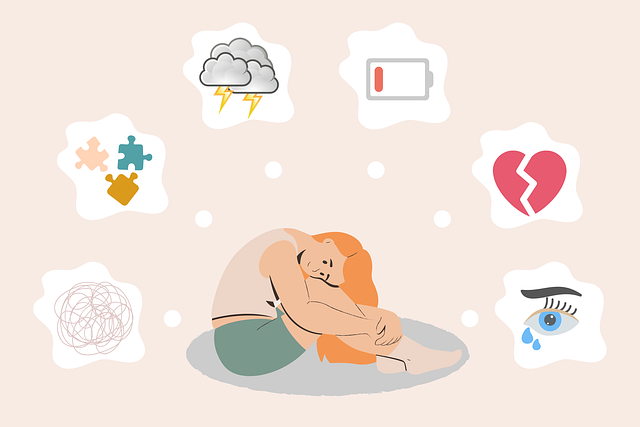
If you love someone with ADHD, you already know the version of the relationship that doesn’t make it into the diagnostic manuals: the mental load of remembering everything for two people, the whiplash of hyperfocus one week and forgotten anniversaries the next, and the quiet, creeping exhaustion of feeling more like a manager than a partner. You are not imagining it, and you are not alone. Across forums, clinics, and community centers, thousands of spouses and partners are searching for the same thing, an ADHD partner support group where someone finally understands what this actually feels like from the inside.
This guide walks through why that support matters clinically, not just emotionally, what your options look like in 2026, and how to know when it’s time to bring your partner into a professional conversation about ADHD.
Quick AnswerAn ADHD partner support group is a peer or therapist-led community for spouses and partners of adults with ADHD, offering a space to process burnout, emotional dysregulation, and relationship strain. These groups help by validating experiences non-ADHD partners rarely see reflected elsewhere, reducing isolation, and offering practical coping strategies grounded in clinical understanding of ADHD’s impact on relationships. |
What Is an ADHD Partner Support Group?
An ADHD partner support group is a structured or semi-structured community, online or in person, made up of people who share a home, a bed, or a life with someone who has ADHD. Unlike general relationship advice forums, these groups are built specifically around the neurological realities of ADHD: executive dysfunction, time blindness, impulsivity, and emotional reactivity, and how those traits ripple outward into shared finances, parenting, intimacy, and household responsibility.
Some groups are peer-run and informal, gathering weekly on video calls or in community centers. Others are facilitated by licensed therapists who specialize in neurodivergent relationships. What unites them is the premise that the partner’s experience deserves its own dedicated space, separate from couples counseling, and separate from ADHD-focused groups built for the diagnosed person themselves.
Why Non-ADHD Partners Need Their Own Support
It’s tempting to assume that if the ADHD partner gets treatment, the relationship automatically improves. In practice, the partner carrying the invisible logistical and emotional weight of the relationship often needs support just as urgently, sometimes more so, because their exhaustion has usually been building silently for years before anyone names it.
Compassion Fatigue Is Real, and It’s Common in ADHD Relationships
Many partners describe a slow erosion of patience and warmth that looks a lot like the physical, emotional, and psychological toll of ongoing caregiving, often called compassion fatigue. Constantly anticipating a partner’s forgetfulness, smoothing over missed deadlines, or absorbing the emotional aftermath of an impulsive decision is a form of chronic caregiving stress, even when no one uses the word “caregiver.” If you’d like a deeper clinical breakdown of this pattern, our guide on compassion fatigue and how to treat it covers the symptoms and recovery process in detail.

Emotional Dysregulation Changes the Emotional Climate of the Home
ADHD isn’t only about attention, it frequently includes difficulty regulating emotional responses, meaning rejection sensitivity, sudden irritability, or disproportionate reactions to minor stressors can become a regular feature of daily life. For the partner, this can feel like walking on eggshells, never quite sure which version of their spouse will show up after a hard day. Understanding the neurological roots of this volatility, rather than interpreting it as a character flaw, is often the first relief a support group provides. A closer look at adult ADHD emotional dysregulation symptoms can help partners separate the disorder from the person.
The “Parent-Child Dynamic” in ADHD Marriages
One of the most consistently reported struggles in ADHD relationships is what clinicians and support communities alike often call the parent-child dynamic. This happens when the non-ADHD partner gradually takes on a managerial role, tracking bills, appointments, and household tasks, while the ADHD partner, often unintentionally, slips into a more dependent position. Over time, this imbalance can quietly dissolve romantic and sexual intimacy, replacing it with a functional but resentful roommate-style partnership. Naming this dynamic out loud, in a room full of people who recognize it instantly, is one of the most validating experiences a support group offers.
Signs You’re Experiencing ADHD Relationship Burnout
Before looking for a group, it helps to recognize the specific signs of burnout that often show up in partners of adults with ADHD:
- Chronic resentment that surfaces even during calm, unremarkable moments
- Hypervigilance, constantly scanning for what might be forgotten or go wrong next
- Loss of identity, where your role has narrowed down to “the responsible one”
- Touch and intimacy avoidance, stemming from built-up frustration rather than lack of attraction
- Grief for the relationship you expected, paired with guilt for feeling that grief at all
- Physical symptoms of stress, sleep disruption, tension headaches, or a shortened fuse with others outside the relationship
If several of these feel familiar, a support group isn’t a last resort, it’s a preventive, evidence-informed step toward protecting both your wellbeing and the relationship itself.
Types of ADHD Partner Support Groups Available in 2026
The landscape of support has expanded significantly, and most partners now have more than one viable format to choose from:
- National nonprofit networks, such as CHADD (Children and Adults with Attention-Deficit/Hyperactivity Disorder), which run partner- and family-focused meetups alongside their general ADHD support offerings
- Online support communities, including dedicated forums, Facebook groups, and moderated video-call groups for partners specifically
- Therapist-facilitated groups, often run through private practices specializing in neurodivergent couples
- Local, in-person meetups, typically hosted through community mental health centers or ADHD coaching practices
- Asynchronous communities, where members post and respond on their own schedule, useful for partners juggling caregiving duties that make live meetings difficult
Online vs. In-Person Support Groups: Which Fits Your Life?
| Factor | Online Support Groups | In-Person Support Groups |
| Accessibility | Available nationwide; ideal for rural areas or unpredictable schedules | Limited to local availability; may require travel |
| Anonymity | Higher, many use first names only or remain off-camera | Lower, you’re recognizable to other members |
| Depth of Connection | Builds gradually; text-based groups can feel less immediate | Often builds trust faster through in-person presence |
| Scheduling Flexibility | High, including asynchronous formats | Fixed meeting times, less flexible |
| Facilitation Quality | Varies widely; some are unmoderated | Often professionally facilitated, especially through clinics |
| Best For | Partners with limited time, mobility, or local options | Partners who want in-person accountability and community |
Neither format is objectively better, many partners eventually use both, joining an online group for daily support and an in-person group for deeper monthly connection.

How to Choose the Right Group for You
- Clarify what you need most right now. Are you looking for emotional validation, practical strategies, or both?
- Check who facilitates the group. Peer-led groups offer camaraderie; therapist-led groups offer clinical structure.
- Look for a partner-specific focus. General ADHD groups are usually built for the diagnosed individual, not the spouse.
- Test more than one. Group chemistry matters as much as format, it’s normal to try two or three before finding the right fit.
- Watch for negativity spirals. A healthy group validates frustration without turning every session into a complaint session that leaves you more depleted than you arrived.
Support Group vs. Couples Therapy: Understanding the Difference
Partners often ask whether a support group can replace couples therapy. It can’t, but it can complement it powerfully. Here’s how the two compare:
| Factor | ADHD Partner Support Group | Couples Therapy |
| Primary Focus | The non-ADHD partner’s experience and wellbeing | The relationship system as a whole |
| Who Attends | Just the partner (peer group) | Both partners, together |
| Cost | Often free or low-cost | Typically billed per session |
| Goal | Reduce isolation, build coping skills, share strategies | Repair communication patterns and rebuild intimacy |
| Clinical Guidance | Varies by group | Consistent, led by a licensed therapist |
| Best Used | Ongoing, ideally in parallel with therapy | When both partners are ready to actively work on the relationship together |
Many clinicians recommend using a support group to stabilize your own emotional footing first, then entering couples therapy once you’re not approaching it from a place of total depletion.
Understanding the Root Cause: What ADHD Actually Looks Like in Adults
Support groups are most useful when paired with accurate knowledge of the condition itself. ADHD in adults doesn’t always resemble the hyperactive stereotype seen in children, it more often shows up as chronic disorganization, time blindness, emotional impulsivity, and difficulty with follow-through on tasks that feel unrewarding. For a foundational clinical overview, our reference guide on attention-deficit hyperactivity disorder (ADHD) breaks down the core diagnostic criteria and how the condition manifests differently across age groups and presentations.
When It’s Time to Encourage a Professional Assessment
Support groups help partners cope, but coping is not the same as solving the underlying issue. If your partner has never been formally evaluated, or was diagnosed years ago without ongoing treatment, encouraging a clinical reassessment can be one of the most relationship-protective steps you take together. Many adults, especially those diagnosed later in life or never diagnosed at all, are unaware of how much of their relationship friction traces back to unmanaged ADHD symptoms.
Bringing this up gently, ideally after you’ve stabilized your own emotional footing through support and self-care, tends to land better than raising it mid-conflict. If your partner is open to exploring it, a convenient starting point is a confidential online ADHD assessment, which can clarify whether symptoms meet clinical criteria and open the door to structured treatment, medication, therapy, or coaching, that benefits both of you.
Building Your Own Toolkit Alongside Group Support
A support group works best as one part of a broader self-care structure. Alongside attending meetings, consider:
- Setting explicit boundaries around tasks you will and won’t manage on your partner’s behalf
- Scheduling non-negotiable personal time, protected the same way you’d protect a work meeting
- Separating identity from the relationship’s dysfunction, you are not your partner’s symptoms, and their symptoms are not a reflection of your worth
- Tracking your own stress signals so burnout is caught early rather than after it peaks
Frequently Asked Questions
Are there free support groups for spouses of ADHD adults?
Yes. Several nonprofit organizations, including CHADD, offer free or low-cost partner and family support meetings, and many online communities are free to join, particularly peer-run forums and social media groups.
What’s the difference between an ADHD support group and an ADHD partner support group?
A standard ADHD support group is typically built for the person diagnosed with ADHD. An ADHD partner support group is specifically for the spouse, partner, or caregiver, focusing on their own emotional experience rather than symptom management for the diagnosed individual.
Can a support group help if my partner refuses treatment?
Yes. Even if your partner isn’t ready for treatment, a support group can help you develop boundaries, coping strategies, and realistic expectations, which often indirectly reduces relationship conflict regardless of your partner’s treatment status.
Is it normal to feel resentment toward a partner with ADHD?
Resentment is a common, human response to chronic unmet needs and unequal household responsibility, it doesn’t mean you don’t love your partner. Many people find that naming this feeling in a support group, rather than suppressing it, is what allows it to soften over time.
Should we try a support group or couples therapy first?
There’s no single right order. Some partners stabilize emotionally in a support group before entering couples therapy; others start both simultaneously. What matters most is that the support group doesn’t become a substitute for addressing relationship issues directly with your partner when you’re both ready.
How do I find an ADHD partner support group near me?
Search directories through nonprofit organizations like CHADD, ask local therapists who specialize in ADHD or neurodivergent couples for referrals, or start with an online group if in-person options in your area are limited.
Is caregiver burnout from an ADHD relationship considered compassion fatigue?
It can be. While compassion fatigue is more commonly discussed in professional caregiving contexts, many clinicians recognize the same symptom pattern, emotional exhaustion, reduced empathy, and depletion, in partners who take on a consistent caregiving role at home.
Finding Your Footing Again
Loving someone with ADHD can be joyful, chaotic, tender, and exhausting, sometimes within the same afternoon. Finding the right ADHD partner support group won’t erase the challenges, but it will remind you that you don’t have to carry them in silence. Whether you start with an online forum tonight or a local in-person meeting next month, taking that first step is itself a form of care, for your relationship, and for yourself.
| Medical Disclaimer & E-E-A-T AttributionThis article is for educational purposes and does not replace personalized medical or psychological advice. If you are recovering from a brain injury, trauma, or a mental health condition, work with a licensed clinician to build a plan suited to your situation.
Written by: Adil Farooq, Psychiatry Magazine Medically reviewed by: [Dr. Adil Farooq MS · PhD] · Updated: 2026 |