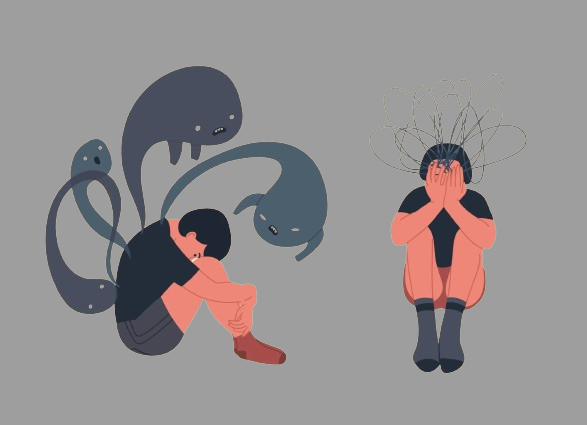
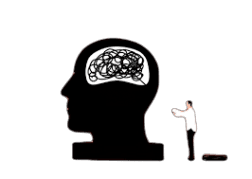
It is 2 a.m., and Daniel is lying in a silent bedroom when he notices it: a thin, high-pitched ringing that was not there a moment ago, or perhaps was always there and he has only just heard it. His heart begins to race. He wonders whether something is wrong with his ears, his brain or his health. The more he listens, the louder the sound seems to grow, and the more frightened he becomes. This loop is the heart of anxiety and tinnitus, and it is far more common than most people realize.

If you hear ringing, buzzing or hissing that no one else can hear, and if worry seems to turn the volume up, you are not imagining it and you are not alone. In this guide, you will learn what tinnitus is, how stress and anxiety can make it louder, how to tell when you need a doctor, and which treatments and daily habits can help you feel calmer. This article is educational and does not replace a medical evaluation.
Quick Answer: Anxiety does not always cause tinnitus, but stress and anxiety can make it louder, more noticeable and more upsetting. Tinnitus can also increase anxiety, which creates a loop of fear and attention that keeps the sound in the foreground. The good news is that this loop can be broken with a medical check-up, calming strategies and therapies such as CBT that teach the brain to treat the sound as unimportant.
What Is Tinnitus?
Tinnitus is the experience of hearing a sound that has no outside source. For most people it is a ringing, but it can also be buzzing, hissing, whooshing, humming or clicking. It may be soft or loud, constant or occasional, in one ear, both ears or seemingly inside the head.
It helps to know that tinnitus is a symptom, not a disease on its own. It happens when the hearing system and the brain generate or amplify a signal without a matching sound in the world. Tinnitus is very common, and many people notice faint ringing in a quiet room at some point in their lives without being bothered by it. The difference between tinnitus that is barely noticed and tinnitus that is distressing often has less to do with volume and more to do with how the brain and emotions respond to it. That is where anxiety enters the picture.
Anxiety and Tinnitus: Understanding the Connection
Researchers are still learning exactly how anxiety and tinnitus influence each other, so it is best to think of the following as well-supported ideas rather than final answers. When you feel threatened or stressed, your body activates its alarm system. Heart rate rises, muscles tighten and attention narrows toward anything that might be dangerous. For many people, a new or strange sound in the ears becomes exactly that kind of signal.
Research suggests that the brain’s emotion and alarm centers, often grouped under the term limbic system, are closely connected to the pathways that process sound. When those emotional centers are on high alert, the brain may give the tinnitus signal more importance, which can make it feel louder and harder to ignore. Many people also report that muscle tension in the jaw, neck and shoulders increases when they are anxious, and that can change how the ears and head feel.
The connection runs in both directions. Anxiety can make tinnitus more noticeable, and tinnitus can create anxiety, because an unexplained sound that will not go away is frightening. Poor sleep, which both problems tend to cause, adds another layer. When the body is under stress, in a pattern described in our guide to trauma responses, it stays alert for threats, and an unpleasant sound is easy to treat as one.
The Tinnitus Anxiety Cycle: How the Loop Works
Many people describe a predictable loop. First, you notice the sound. Then a frightening thought arrives: “What if this never stops?” Your body responds with tension, a faster heartbeat and shallow breathing. Because you are now on alert, you listen more closely, and the sound seems louder. That makes you more afraid, and the loop starts again.

Consider Maria, a fictional composite of many people with this experience. After a noisy concert, she noticed ringing that faded within a day. Two weeks later, during a stressful week at work, it returned. She began checking for it every few minutes, searching online at midnight and avoiding quiet rooms. The ringing itself had not changed much, but her attention to it had grown enormous, and so had her fear.
The loop matters because it explains why people with a similar sound can have very different levels of distress. Tinnitus anxiety is rarely about the sound alone. It is about the meaning the mind attaches to it, and meanings can be changed.
Anxiety and Tinnitus in Real Life: Two Composite Stories
The following stories are fictional composites, but they reflect what many people report.
Omar noticed ringing after a bad cold and spent weeks convinced that something was seriously wrong. A hearing test found mild high-frequency hearing loss, and his audiologist suggested background sound and a review of his sleep. Understanding the cause did more than any device. His fear dropped, and the ringing slowly stopped dominating his evenings.
Lena’s hearing tests were normal, yet her ringing felt unbearable during a stressful year of caring for a sick parent. She read frightening forum posts at night and checked the sound constantly. With CBT, she learned to notice the thought “this is dangerous,” breathe, and move on. Her tinnitus did not vanish, but the anxiety around it eased. These stories show why anxiety and tinnitus are best treated together: the sound and the fear are connected, but they are not the same thing.
Can Anxiety Cause Tinnitus?
This is one of the most common questions, and the honest answer is that anxiety may contribute, but it is rarely the whole story. Stress and anxiety may trigger tinnitus for the first time in some people, or bring back tinnitus that had been quiet. In many others, tinnitus has a physical starting point, and anxiety simply makes it louder.
That is why a medical check matters. If you assume that anxiety is the cause, you might miss a treatable problem such as hearing loss or an ear condition. If you assume the cause is purely physical, you might miss the emotional loop that keeps the sound distressing. The most helpful approach looks at both.
Other Causes Worth Ruling Out With a Doctor
Tinnitus can have many causes, and a doctor or audiologist can help sort them out. Hearing loss is among the most common, including the gradual loss that comes with age and damage from loud noise. Earwax buildup and ear infections can also cause ringing, as can jaw problems such as temporomandibular joint (TMJ) disorders and tension in the neck.
Some medications can affect hearing or cause tinnitus, so it is worth reviewing what you take with your doctor or pharmacist, and never stopping a medicine on your own. Some people notice that caffeine or alcohol changes their tinnitus, and conditions such as high blood pressure can play a role. This list is not for self-diagnosis. It is a reminder that a proper assessment comes first.
When to See a Doctor for Tinnitus
Most tinnitus is not dangerous, but some signs need prompt attention. See a doctor or audiologist soon if you experience sudden hearing loss, ringing in only one ear, or a pulsing or whooshing sound that beats in time with your heartbeat. The same applies if tinnitus comes with dizziness or balance problems, follows a head injury, or appears alongside ear pain, discharge, facial weakness or numbness. Sudden hearing loss in particular should be checked the same day if possible.
Even without these signs, it is sensible to have new tinnitus assessed. A hearing test is usually simple and can bring great relief when it shows that the cause is manageable. This article cannot replace that evaluation.
Anxiety and Tinnitus at Night: Why the Ringing Seems Louder
Many people say their tinnitus is worst at bedtime, and there is a simple reason. During the day, traffic, conversation and household noise partly cover the sound. At night, the room goes quiet, and the brain has little else to focus on, so the ringing steps forward.

Anxiety makes this worse. Bedtime is often when worries finally catch up with us, and a mind that is busy with fear is more likely to lock onto the sound. Then comes the dread of not sleeping, which raises tension further. Poor sleep makes you more sensitive to both stress and tinnitus the next day, and you may wake feeling exhausted. If you recognize that kind of constant tiredness, our article on burnout vs laziness may help you see that exhaustion is not a character flaw.
A calm bedtime routine can interrupt this pattern. Soft background sound, such as a fan, gentle music or a sound machine, can make the tinnitus less prominent, and slow breathing can lower the alarm response before you lie down. If sleep problems persist, speak with a doctor, because treating insomnia often reduces tinnitus distress too.
Tinnitus, Panic Attacks and Health Anxiety
For some people, the fear of tinnitus grows into panic. A sudden spike in ringing may bring a pounding heart, tight chest, dizziness and a sense that something terrible is happening. These sensations can feel like a medical emergency, even though panic symptoms are usually the body’s alarm system firing too strongly. If you are unsure, it is always right to get medical help.
Health anxiety can also attach to tinnitus. Intrusive thoughts such as “What if this is a tumor?” can lead to endless checking, repeated searches online and reassurance seeking from doctors and family. Relief comes briefly, then the doubt returns. Over time, fear of the sound can become the main problem, larger than the sound itself. Some people also find it hard to name what they feel in their bodies, a pattern known as alexithymia, which can make it difficult to tell whether they are feeling fear, tension or simply the ringing.
Anxiety Symptoms That Can Be Mistaken for Ear Problems
Anxiety can bring physical symptoms that overlap with ear and head problems. Muscle tension may cause jaw clenching, a tight neck and shoulders, and a sensation of ear pressure. Some people notice muffled hearing during stress, lightheadedness or a feeling of being “off balance.” Because these symptoms can also come from medical conditions, do not assume they are anxiety. Mention them to a doctor, and let the doctor decide what needs testing. Sensory sensitivity, including sensitivity to sound, is explored in our piece on highly sensitive person vs autism traits.
What Helps: Treatments and Strategies That Work
There is no single cure for most tinnitus, but there is a great deal that can reduce its impact. The most helpful plans combine medical care, therapy and daily habits.
Start With a Medical Assessment
A hearing test and an ear exam are the foundation. Treating hearing loss, removing earwax or addressing jaw problems can sometimes change tinnitus noticeably. Even when no cause is found, reassurance from a professional can reduce fear on its own.
CBT and Habituation Therapies
Cognitive behavioral therapy (CBT) is one of the best-supported approaches for tinnitus distress. It does not remove the sound. It changes how you think about it and respond to it, which weakens the anxiety loop. Tinnitus retraining therapy combines counseling with sound therapy to help the brain habituate, which means it gradually learns to treat the sound as unimportant, like the hum of a refrigerator you stop noticing. Habituation takes time, often months, but many people find that the sound fades into the background even if it does not disappear.
Sound, Hearing Aids and Sleep
Background sound can reduce the contrast between tinnitus and silence. Hearing aids can help people with hearing loss, because they bring in more outside sound and reduce the brain’s focus on the ringing. A regular sleep routine, limited late caffeine and a calm bedroom support the whole system.
Calming the Body
Slow breathing, gentle stretching, mindfulness and regular movement help the body leave alarm mode. Learning emotional regulation skills gives you tools for the moments when the sound spikes, and understanding your window of tolerance shows why you feel more sensitive when you are already stressed. When the body freezes in fear, a pattern covered in our guide to the freeze response, gentle grounding can help. If anxiety or low mood is severe, treating it directly can ease tinnitus distress, and online therapy for anxiety can be a convenient place to start. Questions about medication should always go to a doctor.
Everyday Self-Help Strategies
Small habits add up. Avoid total silence, especially at night, and use gentle background sound. Keep a consistent bedtime routine, and try not to check on the ringing again and again, because every check pulls attention toward it. Limit late-night searching online, which tends to feed fear rather than reduce it. Protect your hearing from loud noise with earplugs at concerts or when using power tools, since further damage can worsen tinnitus.
It can also help to keep a short, relaxed note of what tends to make the ringing seem louder, such as poor sleep, a heavy caffeine day or a stressful meeting. Seeing a pattern gives you a sense of control, and many people discover that stress and lack of rest matter more than they expected. Keep this light, though, because checking too often can turn into one more form of monitoring.
During a flare-up, speak to yourself the way you would speak to a friend. Try saying, “This sound is unpleasant, but it is not dangerous, and I have handled it before.” Move your attention to something engaging, such as music, a walk or a conversation. You are not trying to fight the sound. You are teaching your brain that it does not need an alarm.
What to Be Careful About
Be cautious with miracle cures and heavily advertised supplements. No single proven cure is currently known for most types of tinnitus, and spending money on promises can add disappointment to distress. Be careful, too, about constantly testing the sound, such as listening for it in silence to see whether it has changed. Avoiding all quiet places can also backfire, because it teaches the brain that silence is dangerous. Finally, do not stop any prescribed medication or change doses without speaking to your doctor.
How Family and Friends Can Help
If someone you love has tinnitus anxiety, avoid telling them to “just ignore it.” Instead, listen without judgment, ask what would help and gently encourage a medical check. Quiet company, patience during bad nights and help with a calming bedtime routine matter more than clever advice. If you live together, small changes such as a fan or soft music in the bedroom can be very kind.
When to Seek Mental Health Support
Consider speaking with a therapist if worry about the sound is taking over your days, if you avoid places or activities, or if sleep and mood are suffering. If you prefer care from home, our online therapy guide explains what to expect. Tinnitus can be linked with depression, insomnia and distress, so reach out when things feel heavy. If you ever feel unsafe or have thoughts of harming yourself, contact your local emergency services right away, or call or text 988 (Suicide and Crisis Lifeline) in the U.S.
Frequently Asked Questions
Can anxiety cause ringing in the ears?
It may contribute. Stress and anxiety can trigger or worsen tinnitus in some people, and they often make existing ringing louder and more upsetting. However, tinnitus has many physical causes too, so a medical check is important before assuming anxiety is the only explanation.
Can tinnitus cause anxiety?
Yes. A sound that does not stop and has no clear cause can be frightening, and fear of it can grow into anxiety, sleep problems and constant checking. Many people find that anxiety improves when they understand tinnitus better and learn ways to respond to it calmly.
Is tinnitus from anxiety permanent?
No one can promise a single outcome. For some people, stress-related tinnitus fades as stress eases. For others, a sound may remain, but distress often decreases a great deal through habituation, therapy and good sleep. A doctor can tell you more about your own situation.
Why is my tinnitus louder when I am anxious?
When you are anxious, your alarm system is active and your attention narrows. The brain may treat the ringing as more important, and muscle tension and poor sleep can add to the effect. Calming the body and shifting attention often lowers how loud the sound feels.
Why does tinnitus get worse at night?
At night, the room is quiet and distractions fade, so the brain notices the sound more. Worry about sleep also raises tension. Soft background sound, a steady bedtime routine and relaxation exercises often make tinnitus less prominent.
How do I stop ringing in my ears from anxiety?
You may not be able to stop it completely, but you can often reduce it. Start with a medical check, then use calming habits, background sound, regular sleep and therapy such as CBT. Treating the anxiety directly is often the most helpful step.
When should I worry about ringing in my ears?
See a doctor promptly for sudden hearing loss, ringing in one ear only, a pulsing sound that matches your heartbeat, dizziness, ear pain or discharge, facial weakness or ringing after a head injury. It is also wise to have any new, persistent tinnitus checked.
Conclusion
Living with anxiety and tinnitus can feel like being trapped with an alarm that never switches off, but the alarm is not as powerful as it feels. The sound may sometimes remain, yet the fear, tension and sleepless nights around it can shrink through proper medical care, understanding and practice. Many people find that once they stop fighting the sound, it slowly loses its power to command their attention. Be patient with yourself, because habituation is a gradual process, and every calm night is progress. If ringing is new, get it checked, and if worry has taken over, reach out for mental health support. You deserve peace, even when the world is not perfectly quiet.