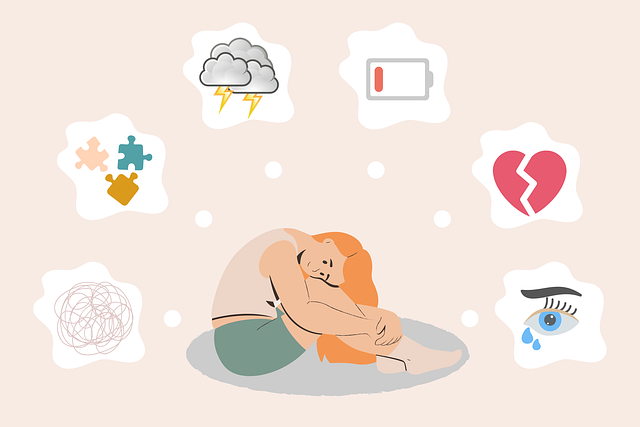
If you have recently started your mental health journey, you might be wondering whether your new counselor can simply write you a prescription to help ease your symptoms. You are not alone this is one of the most common points of confusion in modern psychological care.
The direct answer is no: traditional therapists cannot prescribe medication.
However, that single fact opens up a much more vital question: who actually can prescribe psychiatric medication, why does this clinical split exist, and how do talk therapy and pharmacology work together?
This comprehensive guide breaks down the real differences in training, prescribing authority, and clinical scope between therapists, psychologists, and psychiatrists. By the end, you will understand exactly how to build a collaborative care team tailored to your specific diagnosis, whether you are navigating depression, anxiety, ADHD, or trauma.
At a Glance: Key Takeaways
- Therapists Cannot Prescribe: Licensed counselors (LPCs), clinical social workers (LCSWs), and marriage and family therapists (LMFTs) are trained strictly in psychotherapy, not pharmacology. Their licenses do not carry prescribing authority.
- Psychiatrists Handle Medication: Psychiatrists are medical doctors (MD or DO) who complete a psychiatric residency. They can diagnose conditions, prescribe medication, and manage neurochemical dosages.
- The PMHNP Alternative: Psychiatric Mental Health Nurse Practitioners (PMHNPs) are advanced-practice nurses who, in almost all U.S. states, can also diagnose and prescribe psychiatric medication.
- The Psychologist Exception: Psychologists hold doctoral degrees (Ph.D. or Psy.D.) and specialize in advanced diagnostics. While they generally cannot prescribe medication, a handful of U.S. states allow it if they complete specialized psychopharmacology training.
- Collaborative Care is the Gold Standard: Medication management and talk therapy are usually split between two providers who coordinate as a team to treat both the symptoms and the root causes of a condition.
Do Therapists Prescribe Medication? The Clinical Reality
No. Therapists including Licensed Professional Counselors (LPCs), Licensed Clinical Social Workers (LCSWs), and Licensed Marriage and Family Therapists (LMFTs) are not licensed to prescribe medication in any U.S. state or most international jurisdictions.
Their scope of practice is entirely built around psychotherapy. They are clinical experts in helping clients process complex emotions, restructure negative cognitive patterns, and develop sustainable coping skills. When a therapist believes that a client’s progress is being hindered by a severe chemical imbalance, the ethical and appropriate next step is to initiate a referral to a prescribing medical provider, rather than attempting to prescribe directly.
The Real Reason for the Divide: Medical School vs. Clinical Psychology
To truly understand why this split exists, we have to look at how differently these career paths are built. The restriction on prescribing is not arbitrary; it comes down to strict licensing laws and the physiological realities of how pharmaceuticals interact with the human body.
The Medical Psychiatrist Path
A psychiatrist’s journey begins with four years of traditional medical school. They study the exact same core curriculum as a surgeon or a pediatrician: human anatomy, biochemistry, neurobiology, and systemic pharmacology. Following medical school, they complete a rigorous four-year psychiatric residency. During this time, they prescribe psychotropic medications under heavy supervision, learn to manage complex drug interactions, and treat severe psychiatric conditions (like schizophrenia or bipolar I disorder) in hospital settings.
The Clinical Therapist & Psychologist Path
A therapist’s or psychologist’s education is built just as rigorously, but it focuses entirely on the psychological and behavioral side of mental health. Graduate and doctoral psychology programs involve years of intensive coursework in cognitive research methodology, human development, and evidence-based psychotherapy models (like CBT, DBT, or EMDR). They complete thousands of hours of supervised clinical talk therapy.
What their degrees do not include is the systemic medical and pharmacological residency required to safely write prescriptions. This is precisely why the mental health field relies on a divided, team-based model: therapists manage the behavioral side of care, while a separate, medically trained physician manages the chemical side.
Therapist vs. Psychiatrist vs. Psychologist: What’s the Real Difference?
The terms “therapist,” “psychologist,” and “psychiatrist” get used interchangeably in everyday conversation, but each represents a distinct license and scope of practice.
Here is how the primary mental health professionals compare side-by-side:
| Provider Type | Typical Degree | Core Clinical Focus | Can They Prescribe Medication? | Typical Session Length |
| Therapist / Counselor (LPC, LCSW, LMFT) | Master’s Degree (MA, MS, MSW) | Talk therapy, coping skills, trauma processing, and behavioral change. | No. | 45–60 minutes (Weekly or Bi-weekly). |
| Clinical Psychologist | Doctoral Degree (Ph.D. or Psy.D.) | Advanced psychological testing, formal DSM-5-TR diagnosis, and psychotherapy. | No (Except in a few states like NM, LA, IL, IA, ID, and CO with advanced certification). | 45–60 minutes (Weekly or Bi-weekly). |
| Psychiatrist | Medical Degree (MD or DO) | Medical diagnosis, neurochemical balancing, and medication management. | Yes (Full medical prescribing authority). | 15–30 minutes (Monthly or Quarterly). |
| Psychiatric Nurse Practitioner (PMHNP) | Master’s or Doctoral Nursing Degree | Psychiatric diagnosis and medication management. | Yes (In nearly all U.S. states). | 20–30 minutes (Monthly or Quarterly). |

A useful way to think about it: psychologists and therapists are trained to change how you think and cope; psychiatrists and PMHNPs are trained to change your brain chemistry.
Can Online Therapists Prescribe Medication?
With the rapid expansion of telehealth, search engines are flooded with queries looking for “online therapy that can prescribe medication.”
If you are using an online mental health platform, the rules of prescribing authority remain identical to in-person care:
- The Tele-Therapist: The licensed counselor you speak to for an hour a week via video chat for cognitive behavioral therapy cannot prescribe medication.
- The Tele-Psychiatrist: Many comprehensive online platforms now offer dual services. They employ remote psychiatrists or PMHNPs who can prescribe medication online following a thorough virtual medical evaluation.
If you know you need pharmacological support, you must specifically seek out a platform that advertises “medication management” alongside traditional therapy.

When You Need Both: The Collaborative Care Model
For many diagnoses, the most effective path isn’t “therapy OR medication” it is both. This is known as the collaborative care model.
Research on major depressive disorder consistently shows that combining an antidepressant (like an SSRI) with structured talk therapy outperforms either treatment alone. Medication acts as a biological bridge; it helps stabilize mood, elevate energy, and lift the crushing weight of severe depression just enough so that the person can meaningfully engage with their psychological work.
Simultaneously, engaging in comprehensive online depression therapy addresses the deeply ingrained thought patterns, life circumstances, and behavioral loops that medication alone simply cannot touch. In collaborative care, your prescriber and your therapist actively communicate with your consent to ensure your treatment plan is perfectly aligned.
Treating Specific Conditions: Therapy Alone vs. Medication
Not every mental health struggle requires a prescription pad. Therapists are often the first and only provider someone needs for situational stress, grief, or relationship challenges. However, for specific clinical diagnoses, the roles divide in important ways.
1. Managing Anxiety Disorders
Cognitive Behavioral Therapy (CBT) has a remarkably strong evidence base for treating anxiety disorders entirely on its own, without medication as a prerequisite. Many people fully manage Generalized Anxiety Disorder (GAD) by learning to regulate their nervous systems naturally. If you are experiencing daily worry, engaging in dedicated online therapy for anxiety is often the safest, most effective place to start before ever involving a prescriber.
2. ADHD: Where Diagnosis and Prescribing Split
ADHD provides the clearest example of how clinical roles divide. A psychologist or highly trained therapist is typically the one who conducts the formal assessment using structured interviews and standardized rating scales to write a diagnostic report.
However, prescribing the actual medication is a different matter. Most first-line ADHD medications are stimulants (like Adderall or Vyvanse), which are federally classified as controlled substances. Writing these prescriptions requires a DEA registration, which only comes with a medical or advanced-practice nursing license. Therefore, the most successful management plans start with a rigorous online ADHD assessment & support program for diagnosis and executive function coaching, paired with a psychiatrist for the stimulant prescription.
3. Trauma and PTSD: Why Medication Isn’t the First Move
Trauma-related conditions follow a completely different treatment logic. For PTSD, leading clinical guidelines favor starting with trauma-focused psychotherapy before defaulting to a prescription.
Medication still has a real role certain drugs can specifically target trauma-related night terrors. But because trauma is deeply tied to how the brain and nervous system store memory, it requires somatic processing. Modalities like EMDR (Eye Movement Desensitization and Reprocessing) are the backbone of recovery. This deeply sensitive work is conducted exclusively by licensed therapists through dedicated online therapy for trauma and PTSD, using medication only as a secondary tool to manage co-occurring sleep disruption or acute anxiety.
How to Build the Right Care Team: Actionable Steps
- Start with an Assessment: If your symptoms are mild, situational, or rooted in past trauma, booking an intake session with a licensed therapist is the right first call.
- Ask Directly: A good therapist will tell you plainly if they believe your case would benefit from a prescriber’s involvement to break through a chemical plateau.
- Get a Warm Referral: Most high-quality therapists maintain close professional relationships with local psychiatrists or PMHNPs specifically so that referrals are fast, safe, and coordinated.
- Insist on Communication: Ask whether your therapist and prescriber are willing to share clinical updates on your progress. This prevents fragmented care and ensures true collaborative healing.
Frequently Asked Questions
Can a therapist prescribe medication for depression or anxiety?
No. Traditional therapists, counselors, and social workers (LCSW, LMFT, LPC) do not have medical degrees and cannot prescribe medication. If medication seems appropriate, a therapist will refer you to a psychiatrist, psychiatric nurse practitioner, or primary care physician.
What is the difference between a counselor and a psychiatrist?
A counselor holds a master’s degree and treats mental health through talk therapy and behavioral strategies. A psychiatrist is a medical doctor (MD or DO) who diagnoses mental illness from a biological perspective and is licensed to prescribe psychiatric medications.
Can I get ADHD meds prescribed online?
Yes, but only through a licensed tele-psychiatrist or psychiatric nurse practitioner (PMHNP). Online therapists and psychologists cannot prescribe stimulants. You must undergo a formal medical evaluation through an online psychiatric platform that offers medication management.
Can a psychologist prescribe medication?
In the majority of U.S. states, psychologists cannot prescribe medication because they hold a Ph.D. or Psy.D., not a medical degree. However, in a few states (like New Mexico, Louisiana, and Illinois), psychologists who complete advanced psychopharmacology training are granted limited prescribing privileges.
Is medication required to treat PTSD?
No. Many modern treatment guidelines favor trauma-focused therapies like EMDR or trauma-informed CBT as the primary, first-line approach for PTSD. Medication is often added secondarily to manage co-occurring symptoms, rather than being used as a standalone cure.
| Medical Disclaimer & E-E-A-T AttributionThis article is for educational purposes and does not replace personalized medical or psychological advice. If you are recovering from a brain injury, trauma, or a mental health condition, work with a licensed clinician to build a plan suited to your situation.
Written by: Adil Farooq, Psychiatry Magazine Medically reviewed by: [Dr. Adil Farooq MS · PhD] · Updated: 2026 |