If you have ever searched for ADHD paralysis how to break it at two in the morning while sitting frozen in front of a task you genuinely need to complete, this article was written specifically for you.
You are not lazy, you are not broken, and you are not failing — you are experiencing one of the most disabling and least understood symptoms of ADHD, and there is a clear neurological explanation for every second of that frozen, suffocating feeling.
ADHD paralysis is the state in which a person with ADHD knows exactly what they need to do, wants to do it, has the ability to do it — and cannot start.
Not will not. Cannot.
The gap between intention and action in ADHD paralysis is not a gap that willpower, motivation, or better time management can bridge on its own.
It is a gap created by specific neurological differences in the ADHD brain — differences in dopamine regulation, executive function, and the systems responsible for initiating and sustaining goal-directed behaviour.
Understanding this distinction — between cannot and will not — is the most important thing anyone with ADHD or anyone who loves someone with ADHD can internalise.
What Is ADHD Paralysis and Why Does It Happen?
ADHD paralysis is a state of functional freeze in which the ADHD brain is unable to initiate, transition into, or sustain a task despite the person’s conscious desire to do so.
It is not a symptom listed in the DSM-5 diagnostic criteria for ADHD, but it is one of the most universally reported experiences among adults living with the condition.
The neurological root of ADHD paralysis lies in executive dysfunction — the collective term for difficulties with the brain functions responsible for planning, initiating, organising, and completing goal-directed tasks.
In ADHD, these executive functions are not absent — they are inconsistently available, dependent on neurochemical conditions that the ADHD brain struggles to maintain reliably.
Dopamine is the central character in the story of ADHD paralysis.
The ADHD brain has differences in dopamine production, transmission, and receptor sensitivity that make it significantly harder to generate the neurochemical signal needed to initiate action toward a task — particularly a task that does not provide immediate, intrinsic reward.
Neurotypical brains can initiate action toward important but unrewarding tasks relatively easily by drawing on the importance or urgency of the task as sufficient motivation.
The ADHD brain requires a different kind of neurochemical fuel — interest, novelty, challenge, urgency, or passion — and without one of these elements present, the initiation system simply does not fire reliably.
This is why ADHD paralysis so frequently strikes at the tasks that matter most.
Important work projects, financial administration, medical appointments, and long-term planning all tend to be low in immediate interest and novelty — exactly the conditions under which the ADHD brain’s initiation system is most likely to fail.
The 4 Types of ADHD Paralysis
Not all ADHD paralysis looks or feels the same, and understanding which type you are experiencing in a given moment helps you choose the most effective strategy to break it.
Clinicians and ADHD specialists have identified four distinct patterns of ADHD paralysis, each with its own triggers and most effective interventions.
1. Task Paralysis
Task paralysis is the most commonly recognised form — the inability to begin a specific task despite knowing what needs to be done and wanting to do it.
It most frequently affects tasks that are complex, ambiguous, boring, or that carry a high emotional weight such as fear of failure or perfectionism.
The frozen state of task paralysis is often accompanied by a compulsive pull toward avoidance behaviours — scrolling social media, reorganising the desk, making unnecessary cups of coffee, cleaning things that do not need cleaning.
These behaviours are not laziness; they are the brain seeking the dopamine stimulation it cannot find in the task it needs to complete.
2. Choice Paralysis
Choice paralysis occurs when the number of available options overwhelms the ADHD brain’s decision-making capacity, resulting in a complete inability to choose between them.
Rather than selecting one option and proceeding, the brain loops between possibilities indefinitely, consuming enormous energy without producing any forward movement.
This type of paralysis is particularly activated by open-ended tasks — “write something creative,” “plan your week,” “choose a direction for this project” — where the range of possible starting points is effectively infinite.
The absence of a clear, singular starting point removes the neurological handrail the ADHD brain needs to initiate.
3. Emotional Paralysis
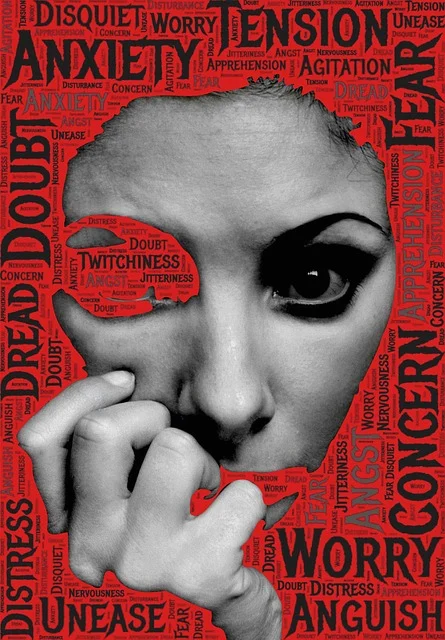
Emotional paralysis occurs when the emotional weight attached to a task — fear, shame, anxiety, dread, grief, or anticipatory overwhelm — becomes so intense that it creates a functional freeze.
The task itself may be objectively simple, but the emotional meaning attached to it generates a level of internal resistance that shuts down the initiation system entirely.
This type of paralysis is closely linked to rejection sensitive dysphoria and perfectionism — both of which are highly prevalent in ADHD.
When the fear of doing something wrong, being judged, or failing becomes attached to a task, the emotional paralysis can be indistinguishable from the outside from simple procrastination.
4. Time Blindness Paralysis
Time blindness — the ADHD brain’s well-documented difficulty perceiving and managing time accurately — creates its own specific form of paralysis.
People with ADHD frequently experience time as existing in only two states: now and not now — which means tasks without an immediate, concrete deadline feel perpetually distant until they suddenly become catastrophically urgent.
Time blindness paralysis occurs when the person is simultaneously aware that a task needs to be done and experientially unable to feel the urgency that would normally activate them to begin.
The result is a paralysed state in which the person knows they should start, cannot generate the neurological activation to do so, and watches the deadline approach with increasing anxiety and decreasing ability to act.
Why ADHD Paralysis Is Not Laziness — The Neuroscience
The accusation of laziness is one that virtually every adult with ADHD has internalised to some degree, and unpacking exactly why it is neurologically inaccurate is not just an academic exercise — it is therapeutically essential.
Shame is one of the most powerful inhibitors of the already-struggling ADHD initiation system, which means believing you are lazy actively makes ADHD paralysis worse.
Laziness, in its conventional sense, implies a preference for inaction — a deliberate choice to avoid effort in favour of comfort.
ADHD paralysis involves none of these elements: the person with ADHD is typically experiencing intense distress, acute self-criticism, and desperate desire to begin — none of which are features of lazy behaviour.
Brain imaging research consistently shows measurable differences in the prefrontal cortex, basal ganglia, and dopaminergic pathways of people with ADHD compared to neurotypical brains.
These are the specific regions responsible for motivation, task initiation, reward anticipation, and sustained goal-directed behaviour — the exact functions involved in ADHD paralysis.
The ADHD brain is not choosing not to work.
It is running a neurological system with a different set of operating conditions, and ADHD paralysis is what happens when those conditions are not met.
How ADHD Paralysis Feels From the Inside
Because ADHD paralysis is invisible from the outside, the people experiencing it spend years trying to describe to others — partners, employers, parents, teachers — what is actually happening in their internal experience.
The following descriptions are drawn from the language most commonly used by adults with ADHD when describing the paralysis experience.

The most frequently used description is “frozen” — a complete inability to move toward the task despite full conscious awareness of what needs to happen.
It is not confusion about what to do; it is an inexplicable disconnection between knowing and doing that no amount of thinking seems to bridge.
Many adults with ADHD describe a painful internal loop — the mind cycling repeatedly between “I need to start this” and “I cannot start this” without ever arriving at actual action.
This loop can continue for hours, consuming massive amounts of mental energy while producing zero output.
Shame runs through the entire experience in a way that compounds the paralysis.
Every minute spent frozen accumulates more evidence for the internal narrative of failure, inadequacy, and fundamental brokenness that most undiagnosed or undertreated adults with ADHD carry.
Physical sensations often accompany ADHD paralysis — a heavy, weighted feeling in the body, inability to get up from a chair or bed, a strange physical resistance that makes even small movements feel effortful.
This is the body reflecting the neurological state — the same systems that activate goal-directed physical movement are dysregulated alongside the cognitive initiation systems.
How ADHD Paralysis Affects Work, School, Relationships, and Daily Life
ADHD paralysis does not confine itself to one area of life — it permeates everything, and its cumulative impact across years and decades is one of the primary drivers of the significantly higher rates of anxiety, depression, and low self-esteem documented in adults with ADHD.
Understanding the full scope of its impact is important both for the person with ADHD and for the people around them.
At work, ADHD paralysis is the invisible engine behind missed deadlines, incomplete projects, last-minute rushes, and the exhausting pattern of high-quality output produced under extreme time pressure.
The person with ADHD is frequently capable of producing excellent work — but only when the deadline urgency finally generates enough neurological activation to break through the paralysis.
In academic settings, ADHD paralysis is responsible for the gap between obvious intelligence and actual grades that characterises so many students with undiagnosed ADHD.
The essay that was thought about for three weeks and written in a single frantic night is not evidence of poor organisation — it is ADHD paralysis followed by deadline-induced neurological activation.
In relationships, ADHD paralysis creates patterns that look, from the outside, like not caring.
Unanswered messages, forgotten plans, unfinished household tasks, and unkept promises are frequently the result of paralysis rather than indifference — but without understanding of ADHD, they are consistently interpreted as a reflection of how much the person values the relationship.
Daily life tasks — cooking, laundry, bill payment, medical appointments, household administration — accumulate silently during periods of paralysis, creating a backlog that becomes its own source of overwhelm and further paralysis.
The pile of undone things becomes evidence for the shame narrative, which deepens the paralysis, which grows the pile — a self-reinforcing cycle that is genuinely difficult to break without specific strategies and support.
ADHD Paralysis How to Break It: Immediate Strategies That Work Right Now
This is the section most people reading this article have been waiting for — the practical, actionable, neurologically informed strategies that can break ADHD paralysis in real time.
These are not generic productivity tips; they are interventions specifically designed for the ADHD brain’s operating system.
Body Doubling
Body doubling is one of the most consistently effective and evidence-supported strategies for breaking ADHD paralysis, and it works through a mechanism that is uniquely relevant to ADHD neurology.
Working in the physical or virtual presence of another person — even one who is doing something completely unrelated — activates the ADHD brain’s social attention system and provides enough ambient neurological stimulation to enable task initiation.
Virtual body doubling platforms such as Focusmate have made this strategy accessible regardless of geography or social circumstances.
Even working on a video call with a colleague, friend, or stranger who is simply present and also working can transform a paralysed afternoon into a productive one.
The Two-Minute Rule
The two-minute rule works by bypassing the ADHD brain’s resistance to beginning large, complex, or emotionally loaded tasks by reducing the commitment to an amount of time so small it feels genuinely non-threatening.
“I am only going to work on this for two minutes” removes the overwhelming scope of the task and replaces it with a micro-commitment the initiation system can actually process.
In practice, two minutes of engagement frequently generates enough momentum and dopamine for the person to continue far beyond the original commitment.
The key neurological mechanism is task initiation — once started, the ADHD brain often finds it easier to continue than it did to begin.
Temptation Bundling
Temptation bundling involves pairing a task the person with ADHD needs to do with something they genuinely enjoy — music, a podcast, a specific food or drink, a preferred environment.
The dopamine generated by the enjoyable element provides neurological fuel that compensates for the low intrinsic reward of the task itself.
This works because it artificially creates the interest and novelty conditions under which the ADHD brain’s initiation system functions more reliably.
The task becomes associated with positive neurological stimulation rather than dread, which gradually reduces the paralysis response over time.
External Accountability
Telling another person specifically what you are going to do and by when creates external accountability that generates the social urgency the ADHD brain responds to.
This works because potential social consequences — even mild ones like simply having to report back to someone — activate neurological systems that internal motivation alone cannot reliably access.
Accountability partners, ADHD coaches, and structured check-in systems all work on this principle.
The most effective version involves specific, concrete commitments — “I will send you the first paragraph in thirty minutes” — rather than general intentions.
Environmental Design
Removing friction from the path to a task and removing the path to avoidance behaviours simultaneously is one of the most sustainable strategies for reducing ADHD paralysis over time.
Having the task open and visible on the screen, materials already laid out, and phone in another room changes the neurological landscape of the work environment in ways that meaningfully reduce the initiation barrier.
The ADHD brain follows the path of least resistance more reliably than a neurotypical brain.
Designing the environment so that the desired task is the path of least resistance is more effective than relying on willpower to choose it against competing stimulations.
Longer-Term Strategies for Managing ADHD Paralysis
While immediate strategies address individual episodes of ADHD paralysis, longer-term approaches address the underlying neurological and psychological conditions that make paralysis more or less frequent and severe.
Building these into a sustainable lifestyle significantly reduces both the frequency and intensity of ADHD paralysis over time.
Medication
ADHD medication — stimulants such as methylphenidate and amphetamine-based medications, and non-stimulants such as atomoxetine — works by increasing the availability of dopamine and norepinephrine in the prefrontal cortex.
For many people with ADHD, medication meaningfully reduces the severity of ADHD paralysis by providing the neurochemical conditions under which the initiation system can function more reliably.
Medication is not a cure and does not work equally well for everyone — finding the right medication and dose is a process that requires working closely with a psychiatrist or specialist.
But for those for whom it works, it is frequently described as the intervention that made every other strategy actually accessible.
Cognitive Behavioural Therapy for ADHD
CBT adapted specifically for ADHD addresses the shame narratives, perfectionism, avoidance patterns, and emotional dysregulation that amplify ADHD paralysis beyond its neurological baseline.
A therapist experienced in ADHD will help the person identify the specific thoughts and emotional patterns that escalate paralysis and develop personalised strategies to interrupt them.
CBT for ADHD is not the same as standard CBT — it requires an understanding of ADHD neurology and a practical, skills-based approach rather than purely insight-oriented work.
Finding a therapist with specific ADHD experience is worth the additional effort required.
ADHD Coaching
ADHD coaching is a specialised form of support that focuses on practical strategies, accountability structures, and environmental design rather than psychological processing.
An experienced ADHD coach helps the person identify their unique paralysis patterns, build personalised systems, and maintain the external accountability structures that compensate for inconsistent internal motivation.
Coaching is distinct from therapy and works best as a complement to it rather than a replacement.
The combination of therapeutic work on the internal experience and coaching support for practical functioning addresses ADHD paralysis at every level.
Routine and Structure
While ADHD brains resist routine, they also paradoxically benefit from it — because a well-established routine removes the decision-making load that creates choice paralysis and reduces the number of moments requiring fresh task initiation.
Building routines around the times of day when ADHD medication is most effective, or when natural energy levels are highest, maximises the available neurological resources for initiation.
Routines work best when they are built incrementally — one habit at a time — rather than redesigning an entire daily structure simultaneously.
The goal is to automate as many daily decisions as possible, preserving neurological resources for the tasks that genuinely require them.
How to Explain ADHD Paralysis to Others
One of the most frustrating aspects of ADHD paralysis is explaining it to people who have never experienced it — partners, parents, employers, and friends who observe the frozen state from outside and understandably struggle to comprehend why someone who is clearly intelligent and capable cannot simply begin a task.
Having language for this explanation is both practically useful and emotionally important.
The most effective analogies describe the gap between knowing and doing in physical terms.
“Imagine knowing exactly how to swim, wanting to swim, having a pool right in front of you — and your legs simply not responding when you try to move toward the water” captures the experience more accurately than any clinical description.
Directing people to credible resources — books such as Russell Barkley’s Taking Charge of Adult ADHD, or videos by ADHD specialists — often achieves more than direct explanation alone.
When the information comes from an external authority rather than the person being accused of laziness, it is frequently received with more openness.
The Link Between ADHD Paralysis and Rejection Sensitive Dysphoria
Rejection sensitive dysphoria — the extreme emotional response to perceived or actual rejection, criticism, or failure that is highly prevalent in ADHD — is one of the most powerful amplifiers of ADHD paralysis.
When fear of criticism or failure becomes attached to a task, the emotional paralysis that results can be completely immobilising.
The person with ADHD and RSD does not just struggle to begin the task — they struggle to begin the task because beginning means potentially producing something imperfect that could result in criticism, which the RSD nervous system experiences as emotionally catastrophic.
The avoidance is not about the task; it is about protection from an emotional experience the nervous system has learned to treat as unbearable.
Addressing RSD directly — through therapy, medication such as guanfacine or clonidine which are sometimes used specifically for RSD, and self-compassion practices — reduces one of the most significant emotional contributors to ADHD paralysis.
This is why treating the whole ADHD experience rather than just the attention and initiation symptoms produces significantly better outcomes.
When ADHD Paralysis Crosses Into Depression
ADHD and depression co-occur at significantly higher rates than in the general population, and the relationship between them is bidirectional and complex.
Years of ADHD paralysis — and the shame, failure, relationship damage, and professional consequences it produces — create fertile conditions for clinical depression to develop.
When the frozen, heavy, unable-to-begin quality of ADHD paralysis is accompanied by persistent low mood, loss of pleasure in activities that were previously enjoyable, changes in sleep and appetite, and thoughts of worthlessness or hopelessness — the picture may have moved beyond ADHD alone.
This distinction matters because depression requires its own specific treatment, and untreated depression will significantly undermine the effectiveness of ADHD interventions.
If you recognise the full picture of depression alongside your ADHD paralysis, please speak to a mental health professional promptly.
Both conditions are treatable, recovery from both is genuinely possible, and you do not have to continue experiencing either at the level you currently are.
FAQ: ADHD Paralysis How to Break It
Q1: Is ADHD paralysis a recognised medical symptom?
ADHD paralysis is not listed by name in diagnostic manuals but is widely recognised by ADHD specialists as a direct consequence of executive dysfunction and dopamine dysregulation in ADHD.
It is one of the most universally reported experiences among adults with ADHD and is taken seriously by informed clinicians as a significant functional impairment.
Q2: Why can I do things I enjoy but not things I need to do?
The ADHD brain requires dopamine to initiate action, and enjoyable activities generate dopamine naturally while important but uninteresting tasks do not.
This is not a character flaw — it is a neurological difference in how the brain’s motivation and reward systems function in ADHD.
Q3: Does ADHD medication help with paralysis?
For many people with ADHD, medication significantly reduces the frequency and severity of paralysis episodes by increasing dopamine availability in the prefrontal cortex.
Results vary by individual — working with a specialist to find the right medication and dose is an important part of a comprehensive ADHD treatment plan.
Q4: How is body doubling different from just working with someone nearby?
Body doubling specifically leverages the ADHD brain’s responsiveness to social presence as a neurological activator — it is not simply about having company.
The mechanism involves the social attention system providing ambient stimulation that compensates for the low intrinsic reward of the task and enables initiation.
Q5: Can ADHD paralysis get worse over time?
Untreated ADHD paralysis tends to worsen as accumulated shame, avoidance patterns, and life consequences compound over time.
With appropriate treatment — medication, therapy, coaching, and environmental strategies — the frequency and severity of paralysis episodes reduces significantly for most people.
Q6: What is the fastest way to break ADHD paralysis right now?
Body doubling combined with the two-minute rule is the fastest combination of immediate interventions for most people with ADHD.
Open the task, commit to only two minutes, and do it in the presence of another person — physically or virtually — and the initiation barrier drops significantly in most cases.