Quick AnswerFunctional freeze is a trauma and stress response where a person continues to meet daily obligations while feeling emotionally numb, disconnected, or mentally paralyzed. Driven by an overloaded nervous system entering a dorsal vagal state, it is a biological survival mechanism, not laziness. Treatment requires bottom-up somatic regulation, such as grounding exercises, micro-movements, and trauma-informed therapy. |
If you have spent the last few months looking completely fine on the outside, showing up to meetings, answering texts, getting dinner on the table, while feeling numb, foggy, or strangely empty on the inside, you are not alone. You may be experiencing what clinicians and the mental health community refer to as a functional freeze. It is not laziness, and it is not a lack of discipline. It is what happens when the nervous system gets stuck between mobilizing and shutting down. You are not calm, and you are not in an active crisis; you are simply running on a biological low-power mode. This comprehensive clinical guide breaks down the science of functional freeze, how to recognize its symptoms, and the evidence-based methods required to thaw your nervous system.
What Is Functional Freeze?
Functional freeze describes a partial nervous system shutdown where an individual continues to function, often at a remarkably high level, while feeling disconnected, emotionally blunted, or mentally absent. While not an official diagnosis in the DSM-5, it is a well-documented physiological state that overlaps heavily with chronic stress and dissociation. In practice, a functional freeze looks like staring at an important email you know you need to answer, yet finding yourself physically unable to type a single word. The defining feature is not the inability to perform tasks, but the profound absence of emotional connection and presence while doing them. People often confuse this state with procrastination. However, procrastination is an active choice to delay a task to avoid discomfort, usually filling the time with a distraction. Functional freeze is an involuntary nervous system response where the task is replaced with a heavy, blank, or far-away feeling.
This state sits within the body’s evolutionary threat-response system: fight, flight, freeze response, and fawn. When the brain’s threat-detection center senses danger, it initially floods the body with cortisol to mobilize a fight or flight reaction. In modern life, these threats are relentless deadlines or financial pressures. When fighting or fleeing is impossible, the parasympathetic nervous system takes over. According to Dr. Stephen Porges’ Polyvagal Theory, this specific shutdown is driven by the dorsal vagal complex. When pushed outside of your window of tolerance, the zone where you can handle stress while staying present, the nervous system utilizes this state to conserve energy and numb pain.
Recognizing a functional freeze requires looking at the lived experience across several categories. Emotionally, the hallmark of this state is blunting rather than active distress. You experience a pervasive emotional numbness that mutes joy, anger, and sadness equally, making you feel like a robot simply checking boxes. Cognitively, your brain struggles to execute higher-level processing, resulting in executive dysfunction and looping thoughts where simple decisions feel overwhelmingly complicated. Physically, the body mirrors the nervous system’s down-regulation with chronic fatigue, shallow breathing, and a literal heaviness in your limbs that no amount of sleep seems to fix. Behaviorally, action becomes a monumental hurdle, leading to task avoidance where you manage the absolute bare minimum to keep your job or relationships intact while abandoning anything extra.
Primary Causes of Nervous System Shutdown
Functional freeze is rarely triggered by a single bad day; it develops when the nervous system has been under sustained, unyielding pressure for an extended period.
Chronic Stress and Burnout: Sustained cortisol exposure eventually depletes the body’s resources, forcing a defensive shutdown to prevent total biological collapse. This often looks like a slow slide from high-functioning anxiety into quiet burnout, where you simply stop caring about the work you used to obsess over.
Trauma and PTSD: A nervous system conditioned by past trauma becomes hyper-sensitized. It pattern-matches ordinary modern stressors, such as a loud noise or a terse email, to past dangers, instantly triggering the dorsal vagal shutdown. This can manifest as entering a dissociative, paralyzed state immediately after a minor conflict. For deeper context on trauma statistics, refer to the American Psychological Association’s guidelines on PTSD.
Neurodivergence (ADHD and Autism): Executive function deficits in ADHD or profound sensory overload in Autism can completely stall the brain’s initiation networks. Often referred to as “ADHD paralysis,” you may sit quietly while screaming at yourself internally to get up and execute a task, but your body physically will not comply.
Digital Overload: The human brain was not designed to process a continuous influx of global news, notifications, and instant demands. This chronic overstimulation is perceived by the amygdala as a constant, inescapable threat, leading to hours of scrolling while feeling entirely disconnected from your body and unable to transition to a new task.
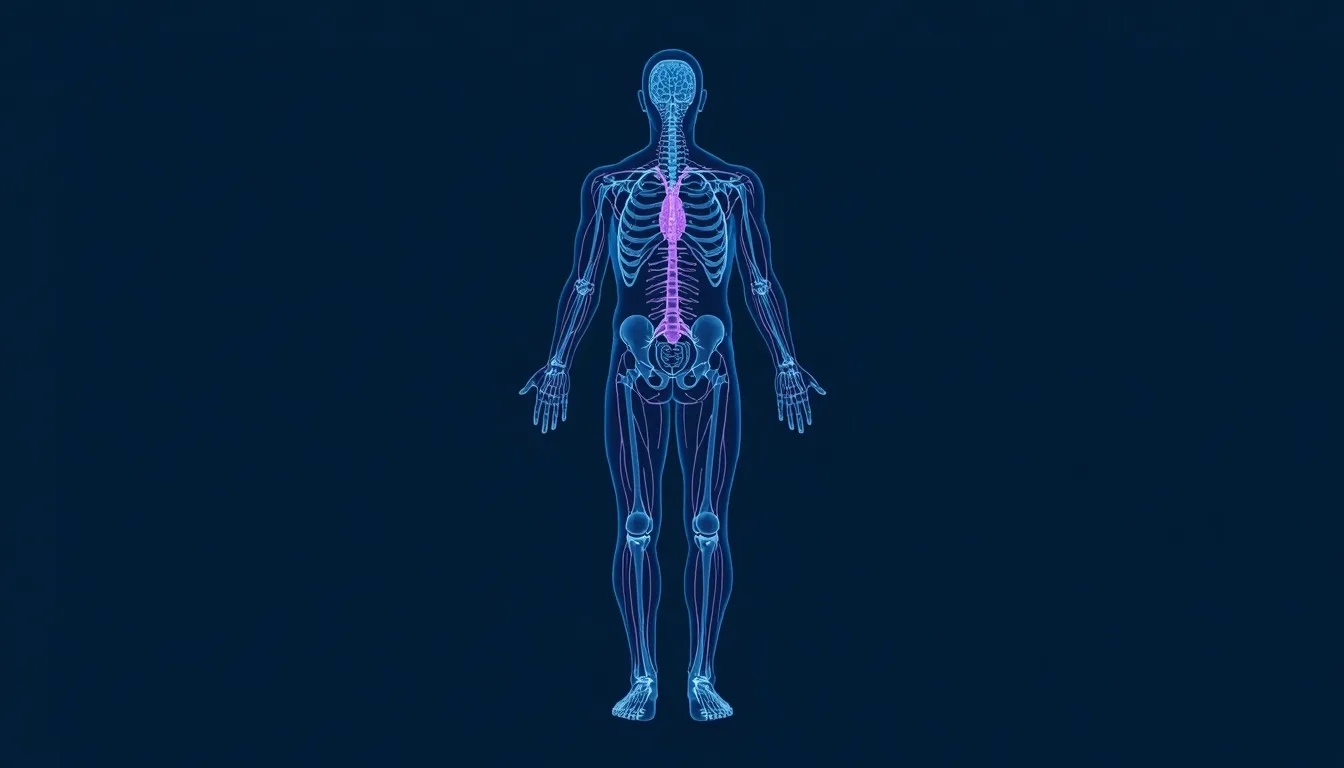
How to Treat Functional Freeze
Because functional freeze is a physiological state rather than a cognitive one, you cannot simply logic your way out of it. Recovery requires a bottom-up approach: signaling safety to the body first so the brain can eventually follow.
Immediate Somatic Interventions: When you are actively stuck in a freeze state, use physical techniques to gently restart the nervous system. Do not try to run a mile; instead, use micro-movements like wiggling your toes or gently rocking your torso to signal to the brain that the paralysis is ending. You can also use sensory grounding, such as holding an ice cube, to shock the vagus nerve back into regulation. Most importantly, lower the threshold of your demands by breaking the paralyzed task into a hilariously small step, do not attempt to clean the house, just pick up one item.
Lifestyle and Nervous System Regulation: Rebuilding resilience requires daily maintenance to expand your capacity for stress. Spend five minutes a day practicing somatic tracking, simply noticing where your body feels tight or heavy without trying to change it. Incorporate daily vagus nerve regulation exercises, such as physiological sighs, humming, or gargling water, to proactively tone the nervous system.
Therapy and Professional Care: If functional freeze is your default state, professional intervention is highly recommended. Somatic Experiencing (SE) focuses specifically on releasing trauma trapped in the physical body, while EMDR is highly effective for processing the underlying triggers. Cognitive Behavioral Therapy (CBT) can be incredibly useful for reframing the deep shame and guilt that often accompany periods of low functioning. While there is no specific pill for this state, a licensed psychiatrist can prescribe medications to alleviate the underlying conditions driving the response, such as SSRIs for compounding depression or stimulants for ADHD paralysis.

Frequently Asked Questions
Is functional freeze a recognized medical diagnosis?
Functional freeze is not listed in the DSM-5 as a standalone diagnosis. It is a descriptive, clinical term used to explain a specific nervous system state known as a dorsal vagal shutdown. Clinicians typically diagnose and treat the root cause instead, such as Generalized Anxiety Disorder, PTSD, or Major Depressive Disorder.
How do you snap out of a functional freeze?
Trying to force yourself to work only increases stress, which deepens the freeze. Instead of demanding immediate action, focus on the physical body by using temperature changes or bilateral stimulation to wake the nervous system. Simply changing your environment by walking into a different room or stepping outside can successfully reset the brain’s context loop.
Why do high achievers experience functional freeze so often?
High achievers are heavily conditioned to ignore their body’s early stress signals in favor of productivity. Because they consistently push past their natural limits, their nervous system eventually bypasses the standard warning phase and goes straight into a forced biological shutdown to protect the body from further physical depletion.
Can functional freeze cause physical pain?
Yes, it frequently manifests physically. Because the body is trapped in an ongoing stress-response loop, muscles often remain chronically tense. Over time, this leads to tension headaches, unexplained joint pain, gastrointestinal issues, and severe muscle stiffness, particularly in the neck and shoulders.
Medical Disclaimer & E-E-A-T AttributionThis article is for educational purposes and does not replace personalized medical or psychological advice. If you are recovering from a brain injury, trauma, or a mental health condition, work with a licensed clinician to build a plan suited to your situation. Written by: Adil Farooq, Psychiatry Magazine Medically reviewed by: [Dr. Adil Farooq MS · PhD] · Updated: 2026 |