Clinical Insights

Deluded vs. Delusional: The Difference, Signs & Types

Deluded vs. Delusional: The Difference, Signs & Types

Human thinking is incredibly complex. Sometimes, people misinterpret reality in small, harmless ways, and other times, their beliefs disconnect far from what is real. This is where the terms deluded and delusional often come in — but many people use these words incorrectly or interchangeably. Understanding them is especially important in psychology, mental health awareness, […]

Deluded vs. Delusional: The Difference, Signs & Types Read More »

Bipolar I vs II Mania: Symptoms, Stages & Severity

Bipolar I vs II Mania: Symptoms, Stages & Severity

Bipolar disorder is one of the most misunderstood mental health conditions. Many people assume bipolar disorder is simply about mood swings, but in reality, it involves complex shifts in energy, sleep, behavior, thinking patterns, and emotional regulation. The condition appears in different forms—primarily Bipolar I and Bipolar II—and the most important distinction between them lies

Bipolar I vs II Mania: Symptoms, Stages & Severity Read More »

Non-Epileptic Fainting: Causes, Symptoms & Triggers

Non-Epileptic Fainting: Causes, Symptoms & Triggers

Non-epileptic fainting or blackouts are far more common than many people realize. People who experience these episodes often describe a sudden loss of awareness, a feeling of disconnect from the world, or collapsing unexpectedly—sometimes without warning. These events can be extremely frightening, especially when they happen repeatedly or without an obvious medical cause. Many individuals

Non-Epileptic Fainting: Causes, Symptoms & Triggers Read More »

What Causes Psychogenic Non-Epileptic Seizures (PNES)?

What Causes Psychogenic Non-Epileptic Seizures (PNES)?

Psychogenic Non-Epileptic Seizures (PNES) are seizure-like episodes that look very similar to epileptic seizures but are not caused by abnormal electrical activity in the brain. Instead, they are triggered by psychological factors, especially stress, trauma, emotional conflict, or overwhelming internal pressure. PNES is categorized under Functional Neurological Symptom Disorder (Conversion Disorder) in psychology. The person

What Causes Psychogenic Non-Epileptic Seizures (PNES)? Read More »

Mania vs Hypomania Symptoms: The Differences

Mania vs Hypomania Symptoms: The Differences

Mania and hypomania are two conditions that sit on the same emotional spectrum, yet they are significantly different in intensity, impact, and risk. Both involve elevated mood, increased energy, and unusual activity levels, but their consequences can vary from mildly disruptive to extremely dangerous. Understanding these differences is crucial for anyone trying to recognize mood

Mania vs Hypomania Symptoms: The Differences Read More »

Racing Thoughts Mania: How to Recognize and Manage It

Racing Thoughts Mania: How to Recognize and Manage It

Living with bipolar disorder or supporting someone who experiences manic episodes can feel confusing, overwhelming, or even frightening—especially when symptoms escalate quickly. One of the most intense and disruptive experiences during mania is racing thoughts: a mental storm where thoughts move so rapidly that it becomes nearly impossible to focus, rest, or even speak at

Racing Thoughts Mania: How to Recognize and Manage It Read More »

Trauma and Stressor-Related Disorders: Types And Causes.

Trauma and Stressor-Related Disorders: Types And Causes.

Trauma and stress are powerful forces that shape how we think, feel, and behave. When an individual experiences or witnesses distressing events such as abuse, violence, loss, or disasters, the mind and body may respond in ways that alter emotional balance and psychological stability. The DSM-5 (Diagnostic and Statistical Manual of Mental Disorders, Fifth Edition)

Trauma and Stressor-Related Disorders: Types And Causes. Read More »

Somatic Symptom Disorder : DSM-5 Diagnostic Criteria

Somatic Symptom Disorder : DSM-5 Diagnostic Criteria

Somatic Symptom Disorder (SSD) represents a significant evolution in how psychiatry conceptualizes the relationship between physical symptoms and psychological distress. Historically labeled as “psychosomatic” or “somatoform disorders,” the DSM-5 reframed this group of conditions to focus less on whether symptoms can be medically explained and more on how individuals experience and interpret them. According to

Somatic Symptom Disorder : DSM-5 Diagnostic Criteria Read More »

Disruptive Mood Dysregulation Disorder (DMDD) in Children

Disruptive Mood Dysregulation Disorder (DMDD) in Children

Childhood is meant to be filled with curiosity, laughter, and learning. Yet for some children, emotions can feel unpredictable, overwhelming, and explosive. When anger and irritability become a daily struggle — far beyond typical tantrums — parents often begin to worry something deeper may be happening. Disruptive Mood Dysregulation Disorder (DMDD) is a relatively new

Disruptive Mood Dysregulation Disorder (DMDD) in Children Read More »

What Is an Intellectual Disorder? DSM-5 Classification.

What Is an Intellectual Disorder? DSM-5 Classification.

Introduction: Understanding the Mind Beyond Labels Intellectual disorder—also known as intellectual developmental disorder (IDD) under the DSM-5 (Diagnostic and Statistical Manual of Mental Disorders, Fifth Edition)—is more than a clinical term. It represents a lifelong condition that affects how individuals learn, reason, solve problems, and adapt to everyday life. While society often uses outdated or

What Is an Intellectual Disorder? DSM-5 Classification. Read More »

Quiet Borderline Personality Disorder (BPD)

Quiet Borderline Personality Disorder (BPD)

Borderline Personality Disorder (BPD) is often portrayed as loud, explosive, and chaotic—an emotional storm that others can see and feel. But not everyone who lives with BPD expresses their struggles outwardly. Some experience an equally painful version that unfolds quietly, hidden beneath a calm surface. This lesser-known form is called Quiet Borderline Personality Disorder, sometimes

Quiet Borderline Personality Disorder (BPD) Read More »

Workplace Anxiety Disorder: Job-Related Stress

Workplace Anxiety Disorder: Job-Related Stress

Workplace anxiety disorder is an increasingly recognized mental health concern in modern professional environments. As work demands intensify and the boundaries between professional and personal life blur, more individuals experience persistent stress, fear, or worry related to their jobs. Unlike temporary nervousness before a big presentation, workplace anxiety is chronic, often accompanied by physical tension,

Workplace Anxiety Disorder: Job-Related Stress Read More »

Chronic Insomnia ICD-10: The Code Behind Sleepless Nights

Chronic Insomnia ICD-10: The Code Behind Sleepless Nights

Have you ever spent night after night staring at the ceiling, your mind refusing to quiet down while the world around you sleeps? For many, this isn’t just an occasional restless night—it’s a condition known as chronic insomnia. When sleeplessness becomes a long-term struggle, it can affect every part of life—from mood and energy to

Chronic Insomnia ICD-10: The Code Behind Sleepless Nights Read More »

Neuroplasticity: Brain’s Power to Rewire, Adapt, and Heal

Neuroplasticity: Brain’s Power to Rewire, Adapt, and Heal

Introduction For decades, scientists believed that the human brain was fixed — that after childhood, its structure and abilities could no longer change. But modern neuroscience has completely transformed this view. Today, research reveals something extraordinary: the brain is not static but dynamic, adaptable, and capable of reshaping itself throughout life. This remarkable ability is

Neuroplasticity: Brain’s Power to Rewire, Adapt, and Heal Read More »

The Unconscious Mind

The Unconscious Mind

Introduction: Unlocking the Power of the Unconscious Mind Have you ever wondered why you react in certain ways, dream about strange things, or develop habits without even thinking about them? Much of what we do, feel, and think is not entirely under our conscious control. Beneath the surface of awareness lies the unconscious mind—a hidden

The Unconscious Mind Read More »

Exercise for Bipolar Disorder Management: A Complete Guide

Exercise for Bipolar Disorder Management: A Complete Guide

Bipolar disorder is a mental health condition that affects mood, energy, and daily life. It involves cycles of highs (mania or hypomania) and lows (depression), which can make everyday tasks feel unpredictable. While medical treatment and therapy are the foundation of bipolar disorder management, lifestyle habits play an important role in maintaining balance. One of

Exercise for Bipolar Disorder Management: A Complete Guide Read More »

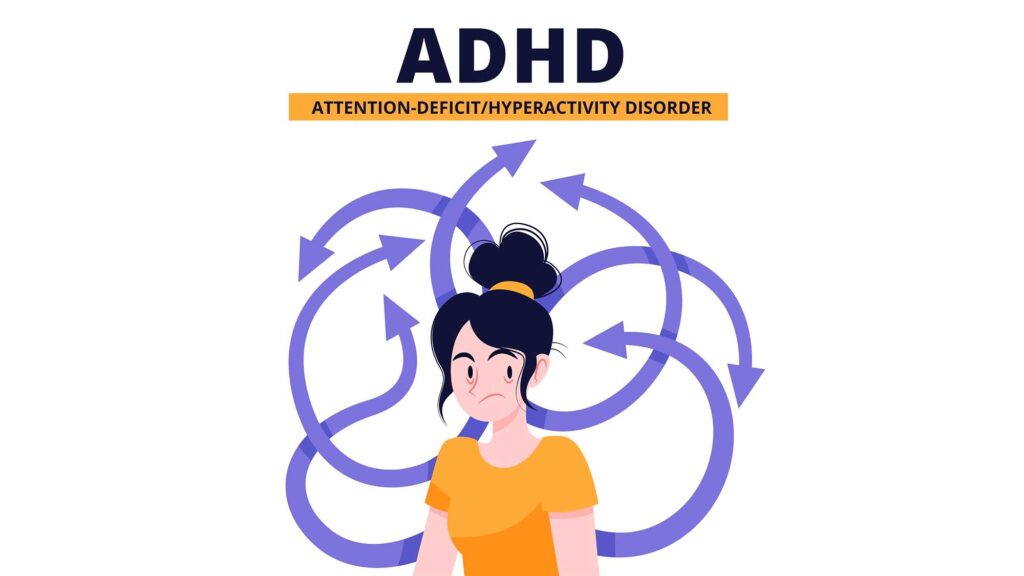
Adult ADHD Emotional Dysregulation Symptoms

Adult ADHD Emotional Dysregulation Symptoms

Introduction: Understanding Adult ADHD Emotional Dysregulation Symptoms When most people think about ADHD in adults, they imagine restlessness, difficulty focusing, or being forgetful. But one of the most overlooked aspects of ADHD is emotional dysregulation. Adults living with ADHD often struggle with overwhelming emotions, intense reactions, and difficulty calming down after stressful events. These challenges

Adult ADHD Emotional Dysregulation Symptoms Read More »

Healing from Childhood Trauma

Healing from Childhood Trauma: Symptoms, Stages, and Treatment

Childhood trauma can leave deep emotional scars that extend into adulthood, affecting relationships, self-esteem, and overall well-being. Many adults struggle with unresolved childhood trauma without realizing how it impacts their daily lives. Understanding the symptoms and exploring different healing methods—both with and without therapy—can help you reclaim your emotional health. Symptoms of Childhood Trauma in

Healing from Childhood Trauma: Symptoms, Stages, and Treatment Read More »

What Is PTSD Classified As

What Is PTSD Classified As

Post-Traumatic Stress Disorder (PTSD) is classified as a serious mental health condition that arises after exposure to a traumatic event. It falls under the category of trauma- and stressor-related disorders in the Diagnostic and Statistical Manual of Mental Disorders (DSM-5). PTSD is characterized by intrusive thoughts, emotional distress, and physiological reactions linked to past trauma.

What Is PTSD Classified As Read More »

Does Microdosing Shrooms Really Work?

Does Microdosing Shrooms Really Work?

Researchers are turning their focus toward mind-altering substances such as psilocybin and LSD for research, using microdosing techniques that require only taking fractions of regular doses to avoid hallucinogenic side effects. A small study published in 2019 discovered that those who microdose psilocybin reported improved well-being and creativity as well as lower levels of depression

Does Microdosing Shrooms Really Work? Read More »

Catatonia treatment: causes and diagnosis

Catatonia treatment: causes and diagnosis

The psychomotor syndrome known as catatonia causes an individual to become motionless and unresponsive, or they may become hyperactive, agitated, or restless on occasion. Though it can occasionally happen in childhood, adults are more likely to exhibit catatonia. This article explains the causes , symptoms and treatment. What is catatonia? A psychomotor disorder is catatonia.

Catatonia treatment: causes and diagnosis Read More »

What is Forensic Psychology? role, duties & skills

What is Forensic Psychology? role, duties & skills

There are numerous subspecialties and career paths within psychology. A concentration in forensic psychology, which sits at the nexus of psychology and the legal system, may be worthwhile for aspiring psychologists with an interest in legal and criminal matters. Psychologists that work in this multidisciplinary field cross both fields to use psychological insights into legal

What is Forensic Psychology? role, duties & skills Read More »

Anger Management: anger management classes

Anger Management: anger management classes

Inability to control your anger can result in a number of issues, such as regrettable remarks, yelling at your children, threatening coworkers, impulsive emailing, health issues, or even physical assault. However, not every rage problem is that severe. Alternatively, you may become angry by idling through traffic, dwelling on unpleasant memories, or ranting about your

Anger Management: anger management classes Read More »

How to deal with Anxiety : causes and signs

How to deal with Anxiety : causes and signs

People sometimes refer to broad sensations of trepidation, uneasiness, or worry as “anxiety.” But experiencing anxiety is not the same as having an anxiety condition. While having anxiety is common during stressful moments in life, if your anxiety is ongoing and interfering with your day-to-day activities, you may be suffering from an anxiety disorder.1. Anxiety

How to deal with Anxiety : causes and signs Read More »

Scroll to Top