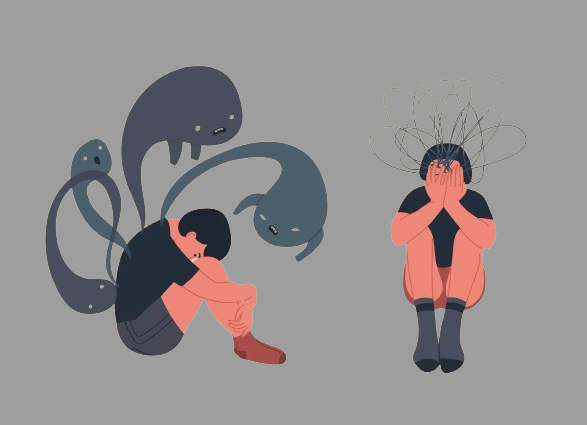
Trauma affects memory because the brain’s threat-response system temporarily overrides the neural pathways that normally organize, timestamp, and store information. When the autonomic nervous system perceives immediate danger, it prioritizes biological survival over accurate autobiographical record-keeping. This biological override is the primary reason why PTSD memory loss is so prevalent, causing survivors to experience a confusing mix of daily forgetfulness, profound cognitive fog, and vivid, intrusive flashbacks. This is not a sign of permanent brain damage; rather, it is a highly evolved, protective adaptation. With trauma-informed clinical support, neural pathways can regenerate, and memory function can meaningfully improve.
What Happens in the Brain During Trauma
Trauma changes memory by forcefully shifting operational control between critical brain regions, triggering what neuroscientists call the glucocorticoid cascade.
During a traumatic event, the amygdala the brain’s threat-detection center becomes hyperactive. It instantly signals the Hypothalamic-Pituitary-Adrenal (HPA) axis to flood the body with stress hormones, specifically cortisol and adrenaline. Simultaneously, the hippocampus, which contains a high density of glucocorticoid receptors, is overwhelmed and suppressed by this chemical flood. Because the medial prefrontal cortex (mPFC) responsible for logical reasoning and Broca’s area the brain’s speech center are also quieted, the experience is encoded as raw, disorganized emotional and sensory data rather than a structured, verbal narrative.
This acute hormonal cascade is the driving force behind nervous system overload, a broader physiological state of hyperarousal in which trauma-related memory problems tend to be the most severe and disruptive to daily life.
Can PTSD Cause Memory Loss?
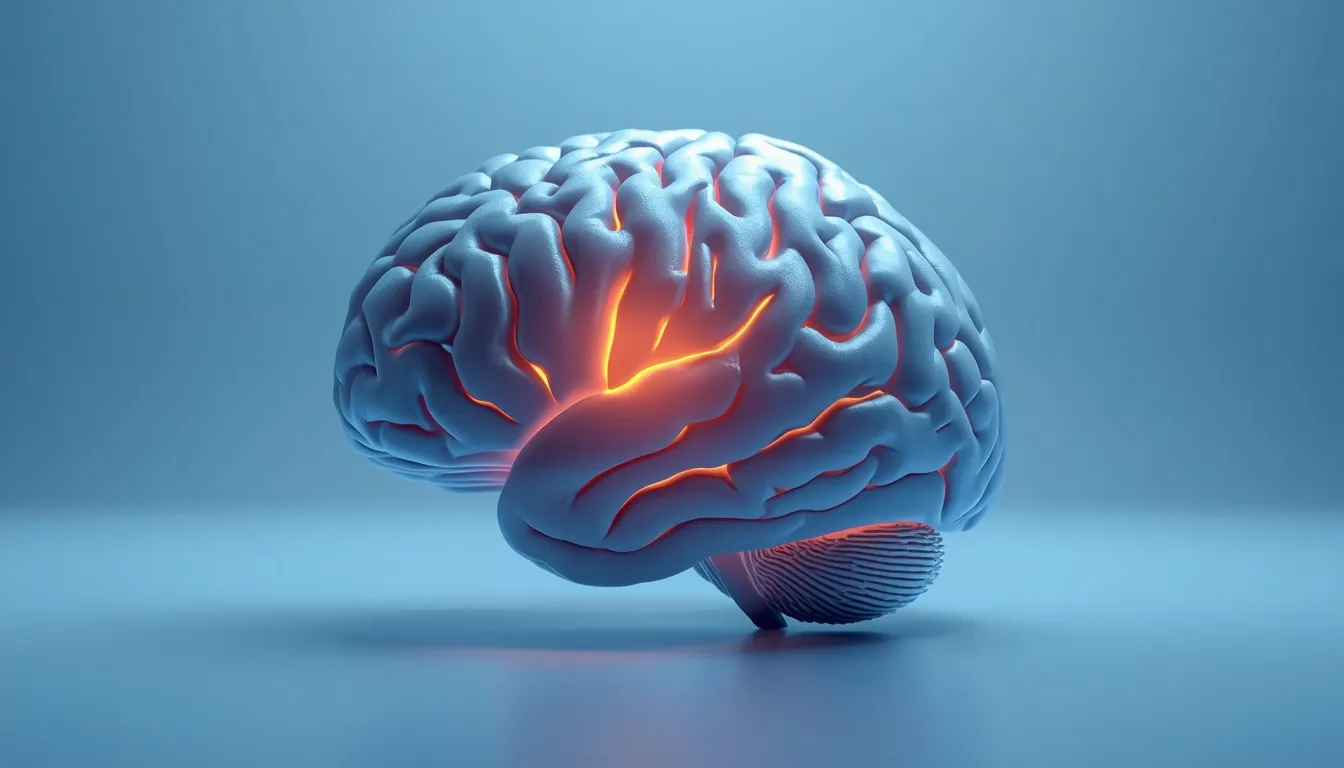
Yes, PTSD can directly cause memory loss, and it typically manifests in three distinct ways: an inability to recall important chronological details of the traumatic event itself, noticeable gaps in everyday short-term memory, and severe difficulty forming new memories during periods of high emotional stress.
This happens because untreated PTSD keeps the hippocampus under-functioning while the amygdala remains overactive. The brain shifts its metabolic resources away from memory consolidation and redirects them toward constant environmental threat-scanning. Day-to-day, this looks like forgetting recent conversations, losing track of tasks midway, or feeling mentally “foggy.” It differs from ordinary forgetfulness because it is persistent, triggered by environmental stressors, and accompanied by physiological anxiety rather than occurring in isolation.
How Trauma Affects Different Types of Memory
Trauma does not disrupt cognitive function uniformly. It alters different memory systems in highly specific, biological ways. Understanding which cognitive system is compromised helps make sense of the clinical symptoms.
|
Memory Type |
Clinical Impact of Trauma |
|
Working Memory |
Reduced capacity to hold information in the moment, leading to losing one’s train of thought, re-reading paragraphs, or struggling to follow multi-step instructions due to background hypervigilance. |
|
Emotional / Implicit Memory |
Stored with a severe sensory charge in the amygdala, causing flashbacks and nightmares to bypass logic and feel uncontrolled, vivid, and firmly locked in the present tense. |
|
Autobiographical / Explicit Memory |
Highly fragmented explicit recall characterized by missing timelines, a lack of verbal detail, or entire life periods that feel blurred, disorganized, or completely inaccessible. |
Working memory difficulties are usually the most disruptive on a daily basis. Because the brain is quietly scanning for danger in the background, these concentration problems often get misdiagnosed as standard Attention-Deficit/Hyperactivity Disorder (ADHD) rather than accurately recognized as a trauma-induced hypervigilance response.
Why Does Trauma Suppress or Block Memories?
Memory suppression is one of the brain’s most powerful, autonomous defense strategies. When an experience is too psychologically overwhelming to process in real time, the brain limits access to it to prevent a total collapse of the central nervous system.
In its clinical form, this protective mechanism is recognized as dissociative amnesia: an inability to recall important personal information, usually related to extreme stress or trauma, that goes far beyond ordinary forgetting. Neuroimaging shows that during these dissociative states, the brain’s Default Mode Network (DMN) which handles our sense of self and autobiographical memory becomes highly disconnected.
It is important to separate pop-psychology myths from actual neuroscience. The concept of “repressed” memories implies information is permanently erased or hidden away. Clinical evidence indicates that traumatic memories are usually inaccessible stored in the neural circuitry but difficult to retrieve consciously. These memories are state-dependent, meaning they often resurface only when a person feels unsafe, is emotionally triggered, or enters a physiological state identical to when the memory was first formed.
Childhood Trauma and the Developing Brain
Childhood trauma shapes how memory systems develop from the ground up, not just how they function after an isolated event. Early, chronic stress fundamentally alters brain architecture through epigenetic changes and delayed myelination (the insulation of neural pathways).
Prolonged exposure to danger results in chronic cortisol elevation, which is directly associated with reduced hippocampal volume and heightened amygdala sensitivity during critical developmental windows (source: National Institutes of Health). Children exposed to developmental trauma frequently struggle academically. This is rarely a reflection of intelligence; rather, their developing brains are allocating all available metabolic energy to safety and threat detection instead of learning and memory retention. Into adulthood, this manifests as persistent emotional reactivity, poor working memory, and profound difficulty trusting one’s own recollection of the past.
PTSD, Complex PTSD (C-PTSD), and Memory
Standard PTSD and Complex PTSD affect cognitive recall differently, and distinguishing between them is critical for establishing an effective psychological treatment plan.
PTSD typically follows a single, isolated traumatic event (such as a car accident or assault) and produces sharp, intrusive memories of that specific incident, alongside distinct memory gaps immediately surrounding the event.
Complex PTSD develops from prolonged, inescapable trauma, such as childhood abuse, domestic violence, or systemic neglect. Analyzing the clinical nuances of complex PTSD versus regular PTSD reveals that C-PTSD produces significantly more diffuse memory disruption. Survivors often experience highly fragmented childhood recall, profound difficulty trusting their own autobiographical timeline, and pervasive memory fogginess that cannot be traced to one specific day, making narrative integration much more complex.
Can PTSD Memory Loss Lead to Dementia?
A common fear among trauma survivors is that persistent memory fogginess is an early sign of permanent cognitive decline, early-onset Alzheimer’s, or dementia. While the surface symptoms can feel identical, they operate on entirely different biological mechanisms.
It is true that untreated, lifelong PTSD and chronic allostatic load (the wear and tear on the body from chronic stress) can increase systemic neuroinflammation, slightly elevating the long-term risk of cognitive issues later in life. However, trauma-induced memory loss in your 20s, 30s, or 40s is typically a functional issue a nervous system stuck in overdrive not the structural brain decay seen in progressive neurodegenerative diseases. By treating the underlying trauma, reducing systemic inflammation, and lowering cortisol, cognitive clarity can be fully restored.
Can the Brain Heal? Neuroplasticity and Recovery
Yes, the brain retains the extraordinary capacity to physically change, adapt, and rewire itself throughout life. Because of neuroplasticity, trauma-related memory problems are not a permanent life sentence.
As the nervous system is guided back to a state of sustained safety, stress-hormone levels drop, allowing the brain to produce Brain-Derived Neurotrophic Factor (BDNF). BDNF acts like fertilizer for the brain, promoting the growth of new synapses. Over time, the hippocampus can actually regenerate volume and resume its normal function of timestamping and integrating memories into a coherent narrative. Cognitive recovery is driven by establishing a genuine physiological sense of safety, not by forcing the brain to remember through sheer willpower or aggressive exposure.
Evidence-Based Treatments That Restore Memory
Memory recovery in trauma therapy relies on utilizing the brain’s natural memory reconsolidation window a brief period where a recalled memory can be updated with a feeling of present-day safety before it is stored again.
The therapies with the strongest clinical evidence for resolving trauma-related memory symptoms include EMDR (Eye Movement Desensitization and Reprocessing), Trauma-Focused Cognitive Behavioral Therapy (TF-CBT), and Somatic Experiencing. These modalities help the brain’s hemispheres safely process “stuck” implicit material without re-traumatizing the autonomic nervous system.
Additionally, pharmacological support is sometimes utilized to aid cognitive recovery. Medications such as Selective Serotonin Reuptake Inhibitors (SSRIs) may be prescribed to lower severe hyperarousal, while alpha-blockers like Prazosin are frequently used to suppress trauma-induced nightmares, improving sleep architecture and freeing up daytime working memory capacity (source: American Psychiatric Association).
Everyday Strategies to Support Memory While You Heal
Alongside professional clinical care, implementing daily nervous system regulation habits can significantly improve day-to-day memory function by reducing cognitive load:
- Practice active somatic grounding: Utilize the 5-4-3-2-1 sensory technique or cold-water exposure to stimulate the vagus nerve and anchor your brain in the present moment when dissociation begins.
- Protect your sleep architecture: Memory consolidation happens strictly during REM and deep slow-wave sleep; maintain rigorous sleep hygiene to allow your hippocampus to process the day’s data.
- Externalize your working memory: Use physical planners, phone alarms, and visual calendars to hold daily tasks so your stressed prefrontal cortex does not have to expend energy remembering them.
- Maintain predictable routines: Reducing daily decision fatigue directly frees up metabolic cognitive load for memory retention and emotional regulation.

When Memory Problems Need Professional Support
While a certain degree of cognitive fogginess is normal during highly stressful life chapters, you should seek professional, trauma-informed psychiatric support if memory gaps begin interfering with your ability to hold a job, maintain interpersonal relationships, or stay physically safe. If episodes of dissociation are increasing in frequency, or if memory loss is accompanied by severe clinical depression, localized panic attacks, or self-harm ideation, it is critical to consult a medical specialist or psychiatrist to help mechanically regulate your nervous system.
Frequently Asked Questions (FAQs)
Can PTSD cause memory loss?
Yes. PTSD severely disrupts the hippocampus (the memory consolidation center) and chronically overactivates the amygdala (the fear processing center). This hormonal imbalance reduces the brain’s ability to retain new, everyday memories and creates distinct, inaccessible gaps around the traumatic event itself.
Can trauma permanently damage your memory?
In most cases, no. Trauma changes how memory functionally operates, making specific memories inaccessible rather than destroying the neural pathways completely. Because the human brain is highly neuroplastic, these functional changes are reversible with targeted, trauma-informed therapeutic interventions.
Why do I forget simple, everyday things after emotional trauma?
Emotional trauma forces your biological survival systems to deprioritize standard memory processing in favor of immediate environmental threat detection. Consequently, neutral, everyday data like names, grocery lists, and casual conversations gets encoded far less reliably by the prefrontal cortex.
What is the difference between dissociative amnesia and repression?
Dissociative amnesia is a clinically recognized inability to recall important personal information due to severe autonomic stress. Unlike the pop-psychology concept of “repression” (which implies a memory is erased intentionally), dissociative amnesia means the memory is stored in the brain but rendered temporarily inaccessible to protect the conscious mind from overload.
Does complex PTSD (C-PTSD) affect memory differently than standard PTSD?
Yes. Standard PTSD generally produces sharp, highly intrusive flashbacks tied to a single catastrophic event. C-PTSD, resulting from prolonged and inescapable trauma, more frequently causes diffuse memory gaps, a highly fragmented timeline of childhood, and a pervasive sense of daily mental fog.
Is it normal to remember trauma vividly but forget what I did yesterday?
Yes, this is a defining clinical symptom of PTSD memory loss. The amygdala biologically prioritizes emotionally charged, threat-based information for immediate long-term storage, causing traumatic memories to feel intensely vivid while neutral, everyday details are easily discarded by a stressed, hypervigilant nervous system.
| Medical Disclaimer & E-E-A-T Attribution
This article is for educational purposes and does not replace personalized medical or psychological advice. If you are recovering from a brain injury, trauma, or a mental health condition, work with a licensed clinician to build a plan suited to your situation. Written by: Adil Farooq, Psychiatry Magazine Medically reviewed by: [Dr. Adil Farooq MS · PhD] · Updated: 2026 |