Introduction
Bullying and peer pressure are two distinct but overlapping forces that shape how adolescents think, behave, and see themselves and in 2026, most of that pressure now follows teens home through their phones. Bullying is repeated, intentional aggression rooted in a power imbalance; peer pressure is the influence of a social group on an individual’s choices, which can be positive or negative. Recent national survey data shows that more than half of teens (58%) have experienced cyberbullying at some point in their lives, and roughly one in three were targeted in just the past 30 days the highest figures researchers have recorded since tracking began in 2007, according to the Cyberbullying Research Center’s 2025 national survey.
Understanding what separates ordinary conflict from bullying, how peer pressure shapes adolescent decision-making, and what parents, educators, and teens themselves can do about it is essential to protecting young people’s mental well-being.
What Is Peer Pressure? (Definition)
Peer pressure is the influence that friends, classmates, or social groups exert on a person’s behavior, decisions, and sense of identity. It intensifies during adolescence, when the brain’s need for social belonging and status is developmentally at its peak.
- Direct peer pressure: An explicit push to act a certain way being dared, teased, or openly persuaded (e.g., pressure to try alcohol or vaping).
- Indirect peer pressure: An unspoken pull to conform dressing, speaking, or behaving a certain way simply to avoid standing out.
Peer pressure is not inherently harmful. It can motivate teens to study harder, join a team, or avoid risky behavior their friend group disapproves of. It becomes a clinical concern when it pushes someone toward choices that conflict with their own values or safety.
What Is Bullying? (Definition)
Bullying is repeated, intentional aggression aimed at harming, controlling, or humiliating another person, marked by a real or perceived power imbalance. This power imbalance physical size, social status, numbers, or online anonymity is what separates bullying from a normal disagreement between equals.
Bullying vs. conflict: A single argument, even a heated one, is not bullying. Bullying requires repetition, intent to harm, and an imbalance of power. This distinction matters clinically, because treating ordinary conflict as bullying (or minimizing real bullying as “just kids being kids”) both lead to poor outcomes.
Key characteristics:
- Intentional the goal is to harm, dominate, or control.
- Repeated a pattern over time, not an isolated incident.
- Power imbalance the aggressor holds physical, social, or digital leverage.
Types of Bullying
- Physical bullying hitting, shoving, tripping, or damaging belongings. The most visible and most likely to be reported.
- Verbal bullying insults, threats, name-calling, and repeated teasing that leaves lasting emotional scars even without a mark.
- Relational (social) bullying rumor-spreading, exclusion, and manipulation of friend groups. Often invisible to adults but deeply damaging to self-worth.
- Cyberbullying harassment via texts, apps, and social platforms that follows a victim into their own bedroom, at any hour. In the most recent Cyberbullying Research Center data, the most common forms reported by teens in the past 30 days were being excluded from a group chat, receiving hurtful comments, and having rumors spread online.
- AI-facilitated harassment (emerging 2025–2026 concern) deepfake images, AI-generated impersonation, and manipulated media used to humiliate or extort peers. Reporting agencies have flagged a sharp rise in AI-generated harassment content targeting minors, making this a fast-growing category parents and schools are only beginning to address.
Positive vs. Negative Peer Pressure
Positive peer pressure:
- Encourages academic effort, teamwork, and healthy habits.
- Builds leadership and cooperative skills.
- Can actively discourage bullying when a group collectively rejects it.
Negative peer pressure:
- Pushes teens toward substance use, vandalism, or skipping school see our guide on substance use disorder for how early peer-driven use can escalate.
- Can recruit bystanders into bullying to avoid becoming a target themselves.
- Erodes individual identity in favor of group conformity.
Why teens are especially vulnerable: Adolescence is a period of active prefrontal cortex development, meaning impulse control and long-term risk assessment are still maturing while the brain’s reward and social-threat circuitry (the amygdala) is highly reactive. This neurological mismatch is why social rejection can feel as threatening as physical danger to a teenager a pattern closely related to what clinicians describe in rejection sensitive dysphoria, where perceived exclusion triggers an outsized emotional response.

How Bullying and Peer Pressure Reinforce Each Other
Bullying and peer pressure frequently feed one another rather than existing as separate problems:
- Peer groups can normalize bullying teens may target others to gain approval or deflect attention from themselves.
- The bystander effect most witnesses stay silent out of fear of becoming the next target, which functions as tacit permission.
- Social reward bullies often gain short-term status, which reinforces the behavior.
The same group dynamic can work in reverse: peer pressure is also the most effective tool for stopping bullying, when a group collectively refuses to tolerate it.
Mental, Physical, Academic, and Social Impacts
The consequences of chronic bullying or peer pressure are well documented and can persist into adulthood.
Mental health impacts
- Anxiety, depression, and panic symptoms
- Chronic low self-esteem
- Suicidal ideation or self-harm victims of cyberbullying show a significantly elevated risk of depressive symptoms and self-harm compared to non-victims
Physical health impacts
- Sleep disruption and nightmares
- Stress-related somatic complaints (headaches, stomachaches) see our overview of stress effects on the brain
- Weakened immune response from chronic cortisol exposure
Academic impacts
- Difficulty concentrating and declining grades
- School avoidance cyberbullying’s “no escape” nature (it follows victims home) makes school avoidance more common than with physical bullying alone
Social impacts
- Withdrawal from friends and family
- Difficulty trusting others, which can shape adult attachment patterns years later
Who’s most at risk: Research consistently shows unequal exposure. LGBTQ+ students are roughly twice as likely to be electronically bullied as their non-LGBTQ+ peers, and girls report higher lifetime cyberbullying prevalence than boys across nearly every major survey. Recognizing these disparities matters for schools designing prevention programs a one-size-fits-all approach misses the teens at highest risk.
5 Ways to Deal With Peer Pressure
- Build self-confidence. Teens who can name and hold their own values are measurably less swayed by group pressure.
- Practice saying “no” firmly. A short, rehearsed refusal (“No, I’m good”) is more effective than a long justification.
- Choose supportive friends. Proximity to peers with healthy habits is one of the strongest predictors of resisting negative pressure.
- Talk to a trusted adult early. Waiting until a situation escalates makes intervention harder see our guide on emotional regulation skills for tools to manage the anxiety of speaking up.
- Get involved in structured activities. Sports, arts, and clubs create alternative peer groups built around shared interest rather than status.
Coping and Support: What Actually Helps
For teenagers:
- Practice grounding techniques (mindfulness, journaling, movement) to manage acute stress.
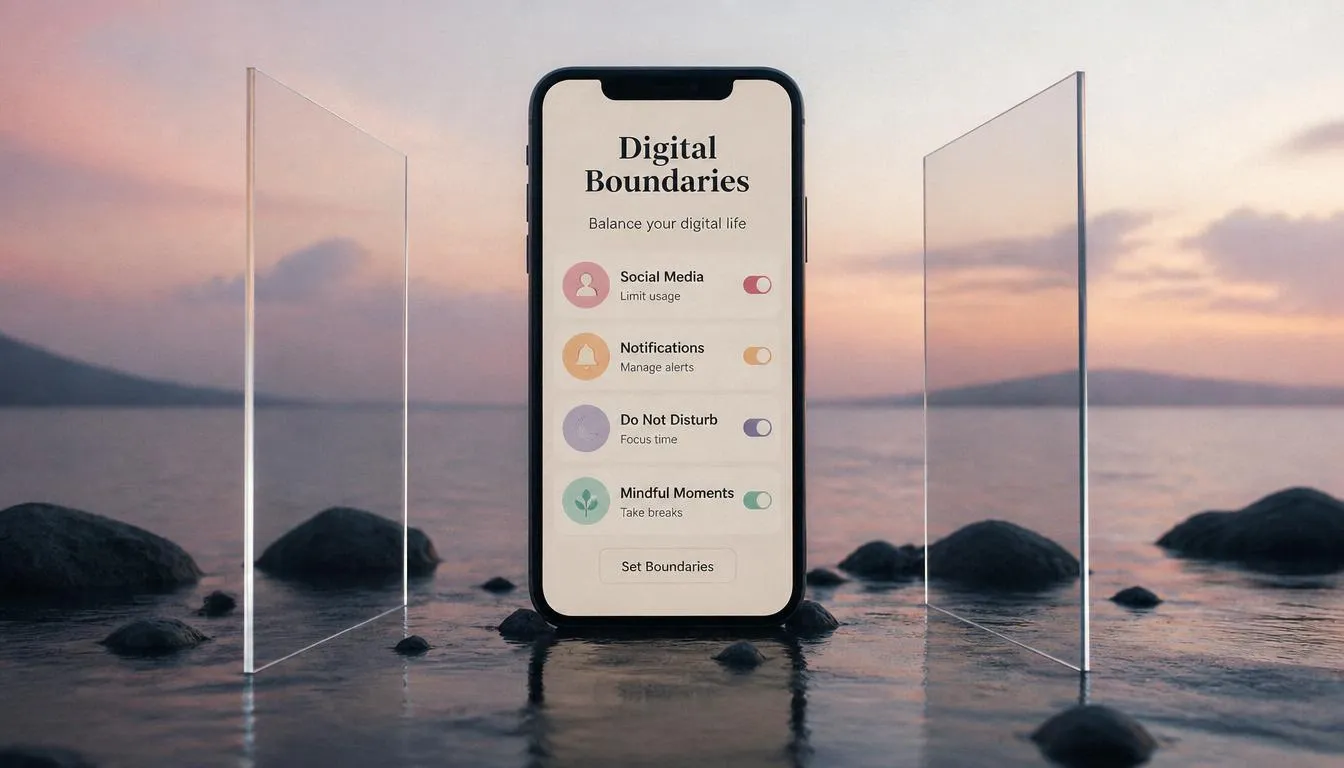
- Set digital boundaries muting, blocking, and limiting exposure to toxic spaces are legitimate coping tools, not avoidance.
- Learn assertiveness standing firm without escalating conflict.

For parents and teachers:
- Watch for warning signs: sudden withdrawal, declining grades, mood changes, or reluctance to go online or to school patterns that can also resemble hidden depression in teens who mask distress well.
- Keep communication open and non-judgmental; teens disclose less when they fear losing device privileges.
- Model respectful conflict resolution adolescents learn regulation by watching adults, not just being told.
- Enforce clear, consistently applied school anti-bullying policies; nearly every U.S. state now includes electronic harassment explicitly in anti-bullying law.
For a broader look at supporting adolescents through this stage of development, see our full teen mental health guide.
The Role of Technology and Social Media
Digital platforms have changed the shape of peer influence:
- Cyberbullying now outpaces in-person bullying as the fastest-growing form, driven by constant connectivity and platform anonymity.
- Social validation metrics (likes, views, shares) create a measurable feedback loop that intensifies peer pressure.
- Digital permanence means embarrassing content can resurface indefinitely, unlike a hallway rumor that eventually fades.
Recent platform-level research from Pew Research Center found that harassment rates vary notably by app with messaging-heavy and short-video platforms showing the highest self-reported rates among teens. This makes platform-specific media literacy, not just blanket “less screen time” advice, a more useful prevention strategy.
Prevention and Solutions
Preventing bullying and peer pressure from causing lasting harm depends on layered, consistent support no single tactic works in isolation.
- School-based programs: Structured anti-bullying curricula and peer-led support groups show measurably better outcomes than punishment-only policies.
- Bystander training: Teaching peers how to intervene safely is more effective than telling them bullying is wrong in the abstract.
- Parental digital literacy: Understanding the platforms teens actually use not just monitoring screen time closes real gaps.
- Clear reporting pathways: Teens are far more likely to report if they trust the process will be taken seriously and won’t cost them their device or social standing.
When to Seek Professional Help
If bullying or peer pressure is leading to withdrawal, self-harm, panic symptoms, or a persistent drop in functioning, it’s time to involve a mental health professional not just a school counselor. Early intervention with a licensed therapist can prevent short-term distress from becoming a longer-term mood or anxiety disorder. If a teen expresses suicidal thoughts, treat it as urgent: contact the 988 Suicide & Crisis Lifeline (call or text 988 in the U.S.) or local emergency services immediately.
Conclusion
Bullying and peer pressure remain two of the most consequential forces shaping adolescent mental health but they are not inevitable, and they are not unbeatable. Understanding the real, current data behind them, recognizing the neurological reasons teens are so susceptible, and building consistent support systems at home and school can meaningfully reduce harm. No teenager should have to navigate this alone, and with informed adults and evidence-based tools, they don’t have to.
FAQ Section
What is the difference between bullying and peer pressure?
Bullying is repeated, intentional aggression involving a power imbalance, aimed at harming or controlling someone. Peer pressure is the broader influence a social group has on an individual’s behavior and can be positive or negative it doesn’t always involve harm or intent.
What are the 4 main types of bullying?
Physical, verbal, relational (social), and cyberbullying are the four traditionally recognized types. A fifth, emerging category AI-facilitated harassment using deepfakes or impersonation is increasingly documented in 2025–2026 reporting.
What are 5 ways to deal with peer pressure?
Build self-confidence, practice saying no firmly, choose supportive friends, talk to a trusted adult, and get involved in structured activities like sports or clubs that create healthier peer groups.
Why are teenagers more vulnerable to peer pressure than adults?
Adolescent brains have a still-developing prefrontal cortex (responsible for impulse control) paired with a highly reactive social-reward system, making peer approval and rejection feel more urgent and consequential than they do for adults.
Can peer pressure be positive?
Yes. Positive peer pressure can motivate better academic performance, healthier habits, and can even be a powerful tool to collectively discourage bullying within a peer group.
What are the warning signs a teen is being bullied?
Common signs include sudden social withdrawal, declining grades, disrupted sleep, reluctance to attend school or go online, unexplained physical complaints, and mood changes that don’t have an obvious cause.
How does cyberbullying differ from traditional bullying?
Cyberbullying follows victims outside of school hours and physical locations, offers perpetrators anonymity, and creates a permanent digital record all of which make it harder to escape and, per recent research, more strongly linked to depressive symptoms than traditional bullying alone.
When should a parent seek professional help for a bullied child?
If a teen shows signs of self-harm, expresses hopelessness, withdraws significantly from previously enjoyed activities, or if bullying is ongoing despite school intervention, it’s time to consult a licensed therapist or psychiatrist rather than relying on school-level responses alone.