By Adil Farooq, reviewed by [Dr. Adil Farooq, MS, PhD]
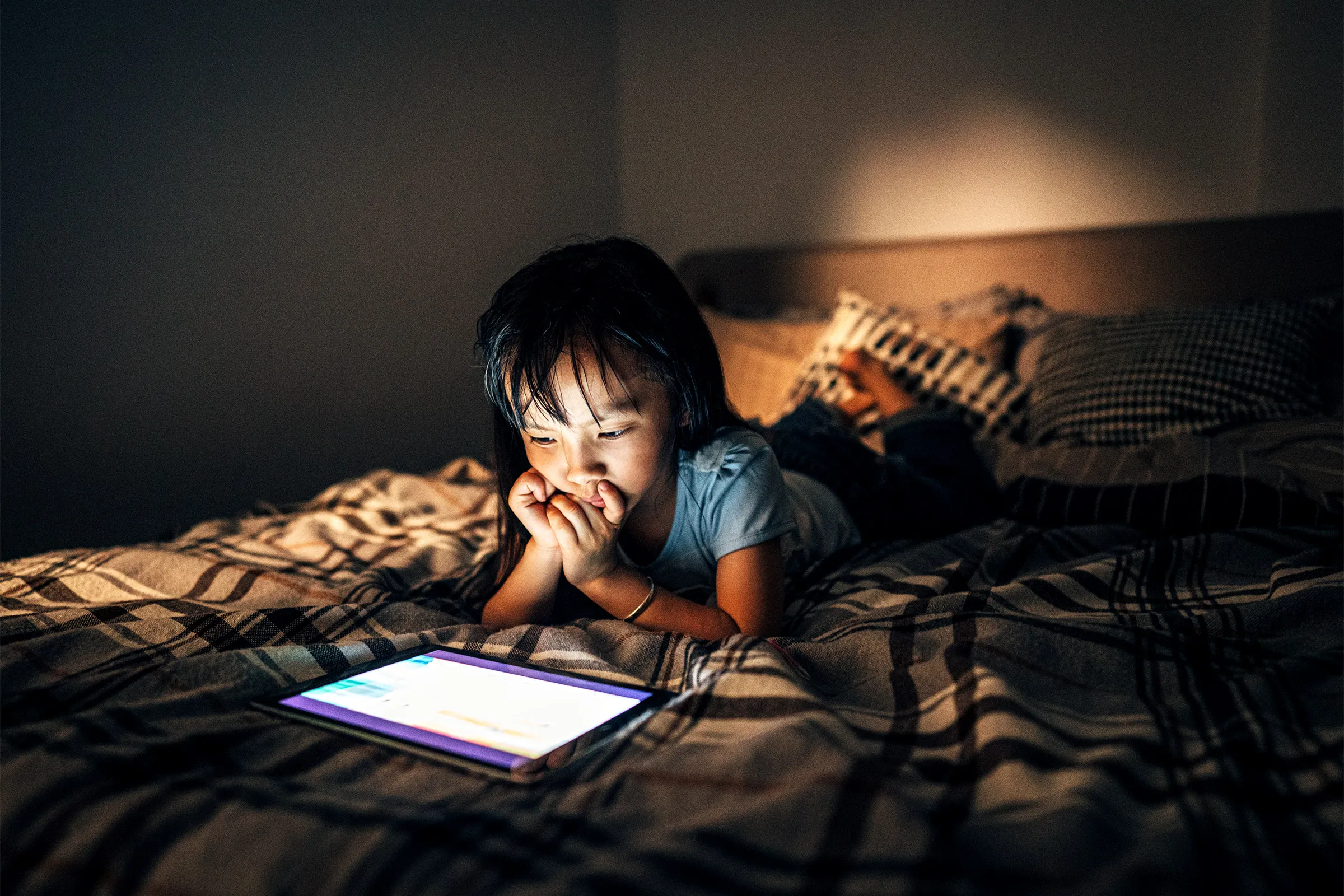
Digital overstimulation in children happens when a young brain takes in more visual, audio, and interactive input from screens than it can process at once. It shows up as meltdowns when a device is switched off, glassy-eyed “zoning out,” trouble settling for sleep, and a shorter fuse during ordinary transitions. It is most common in children under 5, whose brains are still building the neural pathways needed for attention and self-regulation.
What Is Digital Overstimulation in Children?
Digital overstimulation is a state of sensory overload that occurs when a child’s still-developing nervous system is flooded with fast cuts, bright colors, and constant novelty from screens. The young brain is remarkably shaped by neuroplasticity its capacity to form and strengthen neural connections based on repeated experience which means the pattern of input a child receives in these early years genuinely wires how their brain will process attention and emotion later on.
Fast-paced apps and videos are also built on algorithmic conditioning: autoplay, unpredictable rewards, and rapid scene changes are engineered to keep a viewer engaged, and a young child’s brain has no defense against that design. Each new stimulus triggers a small hit of dopamine, the brain’s reward chemical, and repeated exposure can lead to dopamine dysregulation a pattern where ordinary, slower experiences like block play or a picture book no longer feel rewarding enough to hold the child’s attention.
Over time, this can make quieter activities feel unrewarding by comparison, which is part of why children with heavy fast-paced screen exposure sometimes show attention regulation problems that overlap with ADHD long before they’re old enough for a formal evaluation.
Signs of Digital Overstimulation in Children Under 5
Parents and pediatricians typically watch for a cluster of these signs, not just one in isolation:
- Intense meltdowns: specifically when a screen is turned off, often disproportionate to the transition itself
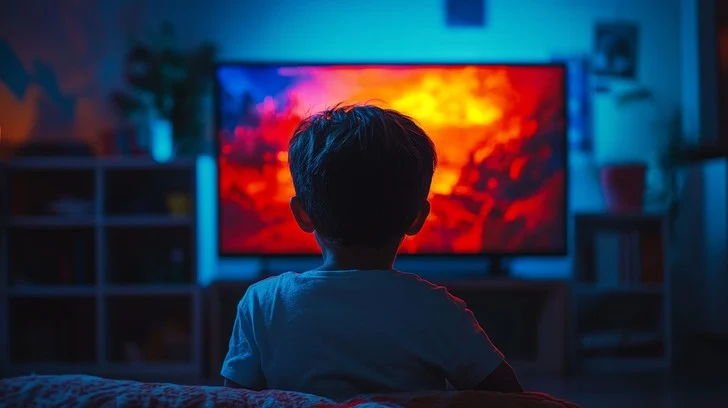
- A glassy, “checked out” stare: during and after viewing, a visible sign of hyper-arousal in the nervous system rather than simple tiredness
- Trouble falling or staying asleep: on heavy screen days, especially with viewing close to bedtime
- Reduced eye contact or slower language use: a subtle but measurable dip in back-and-forth communication
- Irritability, clinginess, or separation anxiety: appearing shortly after screen sessions end
- Losing interest in slower, screen-free play: like puzzles or pretend play, which no longer feel as stimulating
How Overstimulating Screens Affect the Developing Brain
The first five years are when the brain builds an extraordinary number of new neural connections every second, and this window is when attention, emotional control, and social understanding are most shaped by environment. Pediatric researchers studying early screen exposure including work associated with Dr. Dimitri Christakis have repeatedly linked heavy, fast-paced viewing in toddlerhood with later difficulties in sustained attention and impulse control, and some imaging studies have found thinner areas of the cortex tied to language and self-control in children with the highest screen exposure.
This rewiring can show up as:
- Shorter attention span: for slower-paced, real-world learning that can’t compete with a screen’s pacing
- Weaker executive function: the set of skills planning, impulse control, working memory governed largely by the prefrontal cortex, which is still years from maturity in a preschooler and is especially sensitive to overstimulating input
- Persistent hyper-arousal: a nervous system that stays in a low-grade state of alert well after the screen goes off, making it harder to calm down or transition
Slower language development, since screens replace the back-and-forth talk that builds vocabulary
In some children, these same signals point to broader nervous system dysregulation, where the body has difficulty returning to a calm baseline after any form of stimulation, not only screens.
Digital Overstimulation vs. Normal Toddler Behavior
|
Behavior |
Typical Toddler Moment |
Sign of Digital Overstimulation |
|
After screen time ends |
Brief protest, settles within minutes |
Prolonged meltdown, hard to console |
|
Eye contact |
Consistent, varies with mood |
Noticeably reduced, especially after screen use |
|
Sleep |
Occasional resistance to bedtime |
Persistent trouble winding down on screen-heavy days |
|
Play |
Enjoys both active and quiet play |
Loses interest in anything that isn’t fast-paced or lit up |
Mental Health Consequences of Early Overstimulation
Clinicians increasingly see children present with frequent, intense meltdowns and broader emotion regulation difficulties that improve once screen exposure is reduced and interactive play is reintroduced. Common patterns include disrupted sleep, heightened separation anxiety, reduced social responsiveness, and a growing dependence on screens as the only way to self-soothe.
Digital overstimulation doesn’t just change brain chemistry in the moment left unaddressed, it can contribute to the kind of early childhood mental health disorders that are far easier to prevent than to treat once patterns are established.
The 2026 AAP Guidance: The “5 Cs” of Media Use
In 2026, the American Academy of Pediatrics moved away from a single fixed hourly limit and now asks parents to weigh five factors instead:
- Child every child reacts differently to media; what works for one may overstimulate another
- Content quality and pacing matter more than the clock
- Calm can your child settle down and fall asleep without a screen?
- Crowding Out is screen use displacing sleep, active play, or family time?
- Communication talk regularly about what your child is watching and how it makes them feel
The WHO still recommends no sedentary screen time for children under 1 and no more than one hour a day for ages 2–4, with less being better but both bodies now agree that context and content quality matter as much as the number of minutes on the clock.
Healthy Alternatives and Practical Solutions
A few intentional habits go a long way toward preventing digital overstimulation without eliminating screens altogether:
- Set a predictable daily rhythm of tech-free play, outdoor time, and reading
- Use a visible timer so transitions off-screen aren’t a surprise
- Keep meals, bedtime, and moments of big emotion screen-free
- Co-view content and talk about what’s happening on screen
- Keep bedrooms and dining areas device-free
If meltdowns or delays persist after a few weeks of reduced screen time, early behavioral therapy for toddlers can help rebuild self-regulation skills with professional support, especially where executive function and emotional control are visibly lagging.
Screen-free activities worth building into the week: building blocks or puzzles for spatial reasoning, outdoor play for physical release, arts and crafts for fine motor skills, storytime for language, and sensory bins or playdough for tactile learning.
Expert Guidance for Worried Parents
Developmental pediatricians involved in the AAP’s media guidelines, including Dr. Jenny Radesky, have long emphasized that face-to-face interaction remains the strongest foundation for early learning no app fully replaces the social cues and language exposure that come from real conversation. For parents worried about a young child’s screen habits, the practical starting points are the same ones behind the 5 Cs: don’t aim for perfection, protect sleep and meals as screen-free, allow some boredom, and use screens with intention rather than as a default.
Frequently Asked Questions
What is digital overstimulation in children?
Digital overstimulation in children is a state of sensory overload caused by more visual and audio input from screens than a young brain can comfortably process, often showing up as meltdowns, poor sleep, or reduced attention.
What are the signs of digital overstimulation in toddlers?
Common signs include meltdowns when screens are turned off, a glassy or “checked out” look during viewing, disrupted sleep, reduced eye contact, and losing interest in quiet, screen-free play.
How much screen time is safe for children under 5 in 2026?
The AAP no longer sets one fixed hourly rule; it recommends weighing the 5 Cs (Child, Content, Calm, Crowding Out, Communication). The WHO still advises no screen time under age 1 and no more than one hour a day for ages 2–4.
Can too much screen time cause anxiety in toddlers?
Heavy, unregulated screen exposure is associated with higher irritability, separation anxiety, and difficulty self-soothing in young children, though it is one contributing factor among several rather than a sole cause.
Does screen time cause speech delay in toddlers?
Screens that replace back-and-forth conversation can reduce a toddler’s opportunities to practice language, and several studies link heavy early screen exposure with slower vocabulary growth.
How do I know if my toddler is overstimulated by screens, not just tired?
Overstimulation tends to cluster around screen use specifically meltdowns tied to the device being switched off, not general tiredness and it usually eases within a few weeks of consistent, reduced exposure.
Can digital overstimulation in children be reversed?
Yes. Most children show improved sleep, mood, and attention within a few weeks of reduced screen exposure paired with more interactive, screen-free play and consistent routines.
What is the AAP’s 5 Cs framework for screen time?
It’s the AAP’s 2026 approach to media guidance, evaluating the Child, the Content, whether the child stays Calm, what screen time is Crowding Out, and ongoing Communication about media habits replacing a single fixed hourly limit.
Conclusion
Digital overstimulation in children under 5 is a real and rising concern, but it’s a manageable one. Thanks to neuroplasticity, the same early years that make a child’s brain vulnerable to overstimulation also make it remarkably responsive to change small, consistent adjustments to screen habits can restore calm, attention, and connection. The goal isn’t zero screens; it’s using them with intention, alongside real-world connection, at exactly the stage of development your child is in.