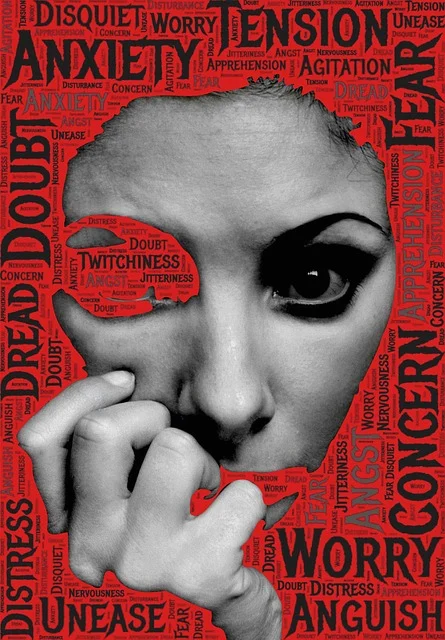
Emotional dysregulation in gifted adults misdiagnosed as borderline is one of the most damaging and persistent errors in modern psychiatric practice. A gifted adult walks into a clinician’s office in crisis — overwhelmed, intensely emotional, and struggling to feel understood — and walks out with a diagnosis that fundamentally misrepresents who they are.

Borderline personality disorder is a serious, real condition that deserves accurate diagnosis and compassionate treatment. But when its criteria are applied to gifted adults whose emotional intensity has an entirely different origin, the consequences are severe and long-lasting.
Gifted individuals experience the world with a depth and intensity that neurotypical assessment tools were not designed to measure. Their emotional responses are not pathological deviations from normal — they are expressions of a neurological profile that is fundamentally different from the start.
Yet without training in the psychology of giftedness, most clinicians see only the surface: the emotional storms, the identity struggles, the sensitivity to rejection, and the difficulty with relationships. They reach for the nearest diagnostic category that fits the presentation — and BPD fits just well enough to be dangerously convincing.
This article examines the full picture — what emotional dysregulation actually looks like in gifted adults, why it gets misdiagnosed as borderline, what the key differences are, and what a correct assessment should include. If you are a gifted adult who has received a BPD diagnosis that never quite felt right, or a clinician seeking to sharpen your differential diagnosis, this is the most important article you will read on this topic.
What Emotional dysregulation in gifted adults misdiagnosed as borderline
Emotional dysregulation in gifted adults does not look like weakness or disorder in its natural context. It looks like a nervous system that processes experience at a higher resolution than the environment around it was built to accommodate.
Gifted adults feel emotions more intensely, more quickly, and across a wider range than average. A piece of music does not simply sound pleasant — it produces a physical response. A moral injustice does not simply feel unfair — it produces consuming outrage.
This is not metaphor. Neuroimaging research shows that gifted individuals demonstrate greater activation in emotional processing regions of the brain in response to the same stimuli that produce minimal activation in non-gifted brains. The experience is neurologically amplified, not psychologically manufactured.
In daily life, this intensity manifests as what looks like overreaction. The gifted adult cries at something others find mildly moving, rages at something others consider minor, or becomes deeply despondent over an event that others process and move past within hours.
What clinicians rarely ask is whether these responses are proportionate to the depth at which the stimulus was experienced — not the depth at which it was intended. From inside a gifted nervous system, the response is almost always proportionate. From the outside, it appears wildly excessive.
Gifted adults also commonly experience what researchers call existential depression — profound sadness triggered not by personal loss but by awareness of suffering, injustice, or the gap between the world as it is and the world as it could be. This is not a symptom of personality disorder. It is a predictable consequence of high-level abstract thinking combined with deep empathy.
Why emotional dysregulation in gifted adults gets misdiagnosed as borderline
The misdiagnosis of emotional dysregulation in gifted adults as borderline personality disorder happens because the surface presentation of both conditions shares a remarkable number of features. A clinician without specific training in giftedness will often find the BPD criteria checklist mapping convincingly onto a gifted adult’s history.

Emotional instability is a core feature of BPD — and gifted adults present with extreme emotional intensity that reads as instability to an observer. The distinction between structural emotional instability and neurologically amplified emotional depth is not visible without looking beneath the presenting symptoms.
Fear of abandonment and rejection sensitivity are BPD hallmarks — and gifted adults frequently experience rejection sensitive dysphoria at high intensity, particularly when social rejection confirms their longstanding sense of not fitting in. The origin of that rejection sensitivity, however, is entirely different from its BPD equivalent.
Identity disturbance is another BPD criterion — and gifted adults genuinely struggle with identity, not because of a fragmented self-structure, but because their multipotentiality makes it authentically difficult to define themselves through a single role, career, or interest. A gifted adult who cannot decide who they are is often simply a person whose capabilities and interests exceed the identity options the culture offers them.
Impulsivity occasionally features in gifted presentations due to the mismatch between processing speed and emotional regulation capacity — the gifted adult’s mind moves faster than their coping mechanisms. This looks like BPD impulsivity but operates through an entirely different mechanism.
The diagnostic interview itself is a structural problem. Standard psychiatric assessment tools were normed on neurotypical populations and were not designed to distinguish between pathological emotional dysregulation and gifted emotional overexcitability. A gifted adult answering a BPD diagnostic questionnaire honestly will often meet the threshold criteria — not because they have BPD but because the questions cannot distinguish between the two.
The key differences between gifted emotional intensity and BPD
Understanding the distinctions between gifted emotional intensity and borderline personality disorder is the clinical core of this issue. The differences are real, consistent, and identifiable — but they require looking at the whole person across time, not just the presenting crisis.
The first key difference is stability of identity between emotional episodes. In BPD, identity is chronically unstable — the person’s sense of self, values, and preferences shift dramatically and unpredictably across situations. Gifted adults typically have a deeply stable, complex sense of identity that may be difficult to articulate but does not fundamentally change between emotional crises.
The second difference is the object-permanence of relationships. BPD is characterised by rapidly alternating idealisation and devaluation of significant others — the classic splitting dynamic. Gifted adults in emotional distress may be intensely angry with someone but typically do not erase their positive regard for that person simultaneously.
The third distinction is the presence of sustained intellectual and creative functioning. People with BPD experience widespread functional impairment that affects cognitive performance, work, relationships, and self-care across domains. Gifted adults in emotional distress often compartmentalise effectively — continuing to function at a high level intellectually while struggling emotionally.
The fourth difference concerns the trigger profile. BPD emotional episodes are frequently triggered by interpersonal events, particularly perceived abandonment. Gifted emotional episodes are triggered by a far wider range of stimuli — including abstract ideas, aesthetic experiences, moral failures, and existential realisations that have no interpersonal component at all.
The fifth distinction is the response to accurate understanding. When a gifted adult’s emotional intensity is accurately explained within a framework of giftedness, they typically experience profound relief and recognition. BPD emotional dysregulation does not resolve through psychoeducation about giftedness because its roots are structural and relational, not neurological.
Dabrowski’s overexcitabilities — the missing piece in most diagnoses
Kazimierz Dabrowski was a Polish psychiatrist and psychologist who spent decades studying the psychological development of gifted individuals. His theory of positive disintegration and his identification of overexcitabilities — intensities in five domains — provides the most clinically useful framework for understanding gifted emotional dysregulation.
Dabrowski identified five overexcitabilities: psychomotor, sensory, intellectual, imaginational, and emotional. Gifted individuals typically demonstrate heightened intensity in multiple domains simultaneously, creating a sensory and emotional experience of the world that is qualitatively different from the neurotypical experience.
Emotional overexcitability — the most relevant domain for this discussion — is characterised by exceptional empathy, deep attachment to people and places, intense emotional memory, and the physical experience of emotions in the body. A gifted adult with high emotional overexcitability does not just feel sad — they feel it in their chest, their throat, their stomach, simultaneously and at full intensity.
Imaginational overexcitability contributes to the clinical picture by producing vivid internal fantasy, rich metaphorical thinking, and at times intrusive imagery. Combined with emotional overexcitability, this can produce presentations that clinicians mistake for dissociation or psychosis — further muddying the diagnostic picture.
Psychomotor overexcitability manifests as rapid speech, physical restlessness, compulsive talking, and an excess of energy that demands outlet. This is frequently misread as hypomania, ADHD, or the impulsivity criterion in BPD.
Most psychiatric training programs include no content on Dabrowski’s framework or the psychology of giftedness in adults. Without this knowledge, clinicians are interpreting a gifted adult’s presentation through a diagnostic lens that was not built to see them accurately.
How a BPD misdiagnosis harms gifted adults
A misdiagnosis of borderline personality disorder in a gifted adult does not simply label the wrong condition. It sets in motion a chain of clinical, social, and psychological consequences that can cause lasting harm.

The most immediate harm is treatment mismatch. BPD is primarily treated with Dialectical Behaviour Therapy, which focuses on skills for tolerating emotional distress and reducing self-destructive behaviours. While DBT is an excellent treatment for BPD, it does not address the existential, intellectual, or overexcitability dimensions of gifted emotional experience — and gifted adults frequently find it reductive, patronising, or simply beside the point.
The diagnosis also carries stigma that affects the quality of all future care. The BPD label on a medical record changes how subsequent clinicians relate to the patient before they have said a single word. Symptoms are interpreted through a BPD lens, legitimate distress is pathologised as manipulation, and the person’s self-knowledge is systematically discounted.
Gifted adults who receive a BPD diagnosis often internalise it — and internalising a fundamentally inaccurate model of the self causes profound harm to identity development, self-compassion, and the person’s willingness to trust their own perceptions. A gifted adult who believes their emotional intensity is a disorder rather than a neurological trait will suppress, medicate, and pathologise themselves for years.
Relationship consequences are also significant. A BPD diagnosis changes how family members, partners, and friends understand the person’s behaviour — often in ways that create the distance and misattunement that then genuinely worsen the person’s emotional state.
What a correct assessment for gifted adults should include
A correct assessment for a gifted adult presenting with emotional dysregulation requires expanding the clinical lens beyond standard psychiatric diagnostic criteria. The assessment must actively investigate the possibility of giftedness as a primary explanatory framework before reaching for personality disorder diagnoses.
Intellectual assessment is the starting point. A comprehensive cognitive evaluation — not a brief screening — provides the IQ profile, processing speed data, and working memory scores that reveal whether a gifted cognitive profile underlies the emotional presentation. Many gifted adults have never been formally tested because their giftedness was expressed outside conventional academic contexts.
Developmental history must specifically explore the person’s emotional experience in childhood and adolescence. Did they feel profoundly different from peers? Were they described as too sensitive, too intense, or too much? Did they experience deep passions, rapid learning, and existential concerns far earlier than their peers? These developmental markers distinguish gifted emotional intensity from early-onset personality disorder.
The assessment should include exploration of Dabrowski’s overexcitabilities across all five domains. Structured clinical interviews or validated overexcitability questionnaires can provide a systematic framework for identifying the gifted profile.
Collateral information from people who have known the person across time is essential. Consistency of core identity, values, and intellectual passions across years and contexts strongly argues against BPD and strongly supports a gifted interpretation.
The clinician must also assess their own familiarity with the psychology of giftedness. If they have no training in this area, referral to a psychologist with specialist gifted adult expertise is the most responsible course of action.
Therapeutic approaches that actually work for gifted adults with emotional dysregulation
Once the correct framework is established, therapeutic approaches that are designed for or adapted to gifted adults produce dramatically better outcomes than standard BPD treatment protocols. The common thread in effective approaches is that they treat emotional intensity as a trait to understand and work with — not a symptom to eliminate.
Existential therapy is often the most natural fit for gifted adults, because it directly addresses the philosophical and meaning-based dimensions of their emotional experience. Gifted adults who have spent years in symptom-focused therapy frequently report that existential work feels like the first therapy that has met them at their actual level.
Acceptance and Commitment Therapy adapted for giftedness helps the person build psychological flexibility around their overexcitabilities — accepting the intensity as part of who they are while developing the capacity to choose their responses rather than being driven by them.
Psychoeducation about giftedness itself is therapeutic. Many gifted adults experience the realisation that their emotional experience has a name, a theoretical framework, and a community as profoundly healing. Understanding that their intensity is neurological rather than pathological removes years of accumulated self-blame.
Peer connection with other gifted adults is uniquely valuable in ways that individual therapy alone cannot replicate. The experience of finally being understood by people who share the same intensity of experience reduces the social isolation that significantly amplifies emotional dysregulation in gifted individuals.
Mindfulness practices adapted for gifted adults — emphasising curiosity and exploration rather than suppression and detachment — support the development of emotional regulation without asking the person to dampen their essential nature. Standard mindfulness instruction can feel dismissive to gifted adults if it implies that thoughts and feelings should simply be observed and released without engagement.
Real patterns clinicians should look for before diagnosing BPD
Before applying a BPD diagnosis to any adult presenting with emotional dysregulation, every clinician should actively investigate a set of patterns that strongly suggest giftedness as the primary framework. These patterns are not exotic or difficult to identify — they simply require asking the right questions.
Look for early and intense intellectual passions that persisted from childhood into adulthood. Gifted adults almost universally report areas of consuming fascination that began early and remained consistent — not the shifting intense interests seen in BPD.
Ask specifically about the experience of feeling fundamentally different from peers throughout life — not due to trauma or abuse but due to an inability to relate at the same level of depth, speed, or intensity. This pervasive and early sense of otherness is a hallmark of unrecognised giftedness rather than identity disturbance.
Assess the quality and stability of long-term relationships. Gifted adults with emotional dysregulation typically maintain deep, stable, long-term friendships and partnerships, even if those relationships are intense and occasionally conflictual. The chronic relational chaos and rapid cycling of BPD is absent.
Observe how the person engages with the assessment itself. Gifted adults typically demonstrate rapid rapport, sophisticated self-reflection, and a capacity to generate hypotheses about themselves that exceed the clinician’s prompts. They are often several steps ahead in the conceptual conversation.
Note the absence of chronic self-destructive behaviour patterns. While gifted adults in crisis may engage in self-harm or substance use, the chronic, pervasive pattern of self-destructive coping that characterises BPD across all life domains is typically not present.
Finally, ask the person directly whether they have ever encountered the concept of giftedness in adults and whether it resonates. The gifted adult’s response to this question is often the most diagnostically informative moment in the entire assessment.
Frequently Asked Questions
Can someone be both gifted and have borderline personality disorder? Yes, giftedness and BPD can co-occur, and when they do the diagnostic picture is genuinely complex. The critical point is that gifted emotional intensity must be accurately distinguished from BPD symptoms before a BPD diagnosis is applied — the presence of giftedness does not rule out BPD, but it must be fully accounted for.
How common is the misdiagnosis of gifted adults as borderline? Precise prevalence data is limited because giftedness is rarely assessed in adult psychiatric settings. Clinicians specialising in gifted adults consistently report that BPD misdiagnosis is among the most common diagnostic errors they encounter when working with this population.
What is the first step if I suspect my BPD diagnosis is actually giftedness? The first step is seeking a comprehensive psychological evaluation from a psychologist with specific experience assessing gifted adults. A full cognitive assessment combined with a thorough developmental history can provide the evidence base for reconsidering the existing diagnosis.
Does giftedness qualify as a neurodivergence? Increasingly, researchers and clinicians do conceptualise giftedness as a form of neurodivergence — a neurological profile that differs meaningfully from the neurotypical norm. This framing helps explain why gifted adults so frequently experience a sense of fundamental difference without pathology.
Why do gifted adults often go undiagnosed until adulthood? Many gifted adults — particularly women — were never identified in childhood because their giftedness did not manifest through conventional academic achievement. Social camouflaging, perfectionism-driven underperformance, and the absence of gifted assessment in many school systems mean that giftedness remains invisible until the adult psychiatric system encounters the emotional consequences of a lifetime of misattunement.
Can DBT help gifted adults even if BPD is not the correct diagnosis? Some DBT skills — particularly distress tolerance and interpersonal effectiveness — can be useful for gifted adults regardless of diagnosis. However, a DBT-only approach that frames the person’s emotional intensity as a deficit to be managed rather than a trait to be understood is likely to produce limited and frustrating results.
Is emotional overexcitability the same as being highly sensitive? Emotional overexcitability and high sensitivity share significant overlap but are not identical concepts. Overexcitability in Dabrowski’s framework is specifically linked to developmental potential and the drive toward psychological growth, while high sensitivity is a broader temperamental trait that occurs across the ability spectrum.
Conclusion
Emotional dysregulation in gifted adults misdiagnosed as borderline represents a systemic failure of psychiatric assessment to account for neurological diversity at the upper end of the ability spectrum. The cost of that failure is measured in years of harmful treatment, internalised shame, and lives built around an identity that was never accurate.
The gifted adult’s emotional world is not a disorder. It is a different order — a neurological reality that requires a different framework, different clinical tools, and clinicians willing to look beyond the diagnostic categories they were trained to apply.
The five overexcitabilities, the stability of identity beneath the emotional storms, the depth of intellectual engagement, and the early sense of irreducible difference — these are the fingerprints of giftedness, not the markers of personality pathology.
Getting the diagnosis right changes everything. It changes what treatment is offered, how the person understands themselves, and what becomes possible in their life. A gifted adult who finally sees themselves accurately does not need to be fixed — they need to be met.