Quick Answer: What is Compulsive Sexual Behavior Disorder (CSBD)?Compulsive Sexual Behavior Disorder (CSBD), formally classified under ICD-11 code 6C72, is an impulse-control condition characterized by a persistent inability to control intense sexual urges or behaviors.
|
What Is Compulsive Sexual Behavior Disorder?
CSBD describes an escalating behavioral pattern, not a single act. Everyday sexual activities, such as masturbation, pornography use, having multiple partners, using dating apps, or paying for sex, are not inherently disordered. They become clinically significant only when they consume a disproportionate share of a person’s time and attention, resist repeated attempts at control, and persist even as they cause real harm.
The World Health Organization (WHO) added CSBD to the International Classification of Diseases (ICD-11) in 2019. Crucially, it was placed among impulse-control disorders rather than in the sexual-health chapter. This reflects a growing clinical consensus: the driving mechanism of the disorder is the loss of behavioral control, not the sexual content itself.
“In my clinical practice, I often see patients wait over a decade to seek help for CSBD due to profound moral incongruence. They are paralyzed by the gap between their core values and their compulsive behaviors. The breakthrough happens when they realize this is an impulse-control condition rooted in neurology, not a personal moral failure.”
High Libido vs. CSBD (ICD-11 Criteria)
To help distinguish between a naturally high sex drive and a clinical disorder, modern diagnostics look at functional impairment rather than frequency.
|
Feature |
High Libido (Non-Clinical) |
Compulsive Sexual Behavior Disorder (CSBD) |
|
Control |
Can easily choose to abstain or redirect focus. |
Repeated, unsuccessful attempts to quit or cut back. |
|
Impact on Life |
Enhances or does not interfere with daily functioning. |
Crowds out work, health, personal care, and relationships. |
|
Response to Harm |
Modifies behavior if it causes relationship or health issues. |
Continues behavior despite clear, severe consequences. |
|
Satisfaction |
Brings sustained pleasure and relief. |
Diminishing payoff; requires escalating intensity to feel relief. |
Recognizing the Signs and Symptoms
People living with CSBD typically describe a sense of being on “autopilot”: the sexual thoughts or behaviors take over, even when they actively want to stop. Clinicians look for a cluster of symptoms reflecting this loss of control:
- Intrusive Fixation: Sexual thoughts or planning that intrude on work, sleep, or relationships on most days.
- Escalating Frequency: An increasing need for masturbation, pornography use, or paid sexual services to reach the same sense of neurological relief.
- Failed Attempts to Stop: Multiple failed attempts to quit or cut back, often followed by a brutal cycle of shame and immediate relapse.
- Ignoring Consequences: Continuing the behavior after it has already caused a breakup, job loss, financial strain, or severe health scare.
- Risk Escalation: A shift toward riskier behavior over time, such as anonymous partners, unprotected sex, or combining substance use with sexual activity.
- Diminishing Payoff: Experiencing less emotional satisfaction over time, requiring more intense material or more frequent contact to feel the same baseline relief.
What Causes Compulsive Sexual Behavior?
There is no single confirmed cause for CSBD, but three overlapping mechanisms consistently appear in clinical research:
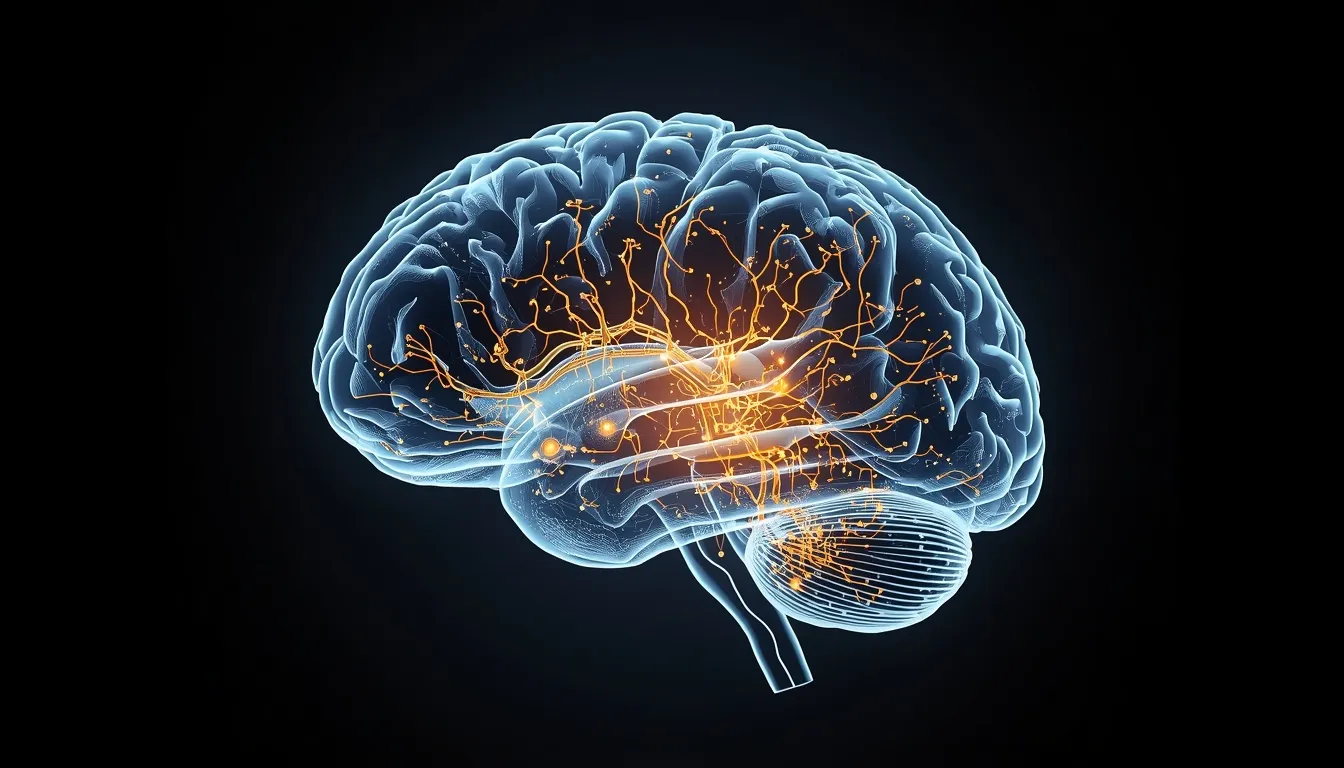
- Reward Circuit Dysregulation: Repeated high-intensity sexual stimulation appears to reshape the brain’s reward circuitry over time. This is the same dopamine-driven pathway implicated in gambling and chemical addictions, which explains why escalating novelty or intensity is required to produce relief.
- Neurotransmitter Imbalance: Imbalances in the chemicals that regulate mood and impulse control, specifically dopamine, serotonin, and norepinephrine, can disrupt both sexual desire and the cognitive ability to regulate it.
- Neurological Conditions: Certain medical conditions and medications play a direct role. For example, dementia can damage the brain regions governing sexual behavior, and dopamine-agonist medications (frequently prescribed for Parkinson’s disease) are a well-documented trigger for new-onset compulsive sexual behavior.
Because this reward-circuit disruption is shared across multiple behavioral conditions, CSBD rarely occurs in a vacuum. It is highly common for an individual dealing with compulsive sexual behavior to also require treatment for a substance use disorder, as both conditions hijack overlapping dopamine pathways.
Complications: How Untreated CSBD Affects Life
Left untreated, CSBD tends to widen its damage over time rather than plateau. Intimate relationships are typically hit first and hardest. Secrecy, broken trust, and repeated promises to stop actively erode intimacy. Partners who discover a loved one’s compulsive sexual behavior frequently experience severe betrayal trauma, which requires its own dedicated clinical support to heal, separate from the treatment the person with CSBD receives.
Career and finances often follow, with lost productivity from time spent on sexual behavior at work, and mounting debts from paid sex work or digital services. Health risks are concrete and well-documented, including sexually transmitted infections (STIs) such as gonorrhea, syphilis, hepatitis B and C, and HIV.
Evidence-Based Treatment for Compulsive Sexual Behavior
Psychotherapy
Talk therapy remains the first-line treatment for CSBD. It is typically offered individually, as a couple, or with family involvement.
- Cognitive Behavioral Therapy (CBT): Helps identify the specific emotional triggers and thought patterns that precede acting out, replacing them with healthier coping strategies.
- Acceptance and Commitment Therapy (ACT): What is Acceptance and Commitment Therapy (ACT) takes a slightly different angle. Rather than fighting the urge itself, it helps individuals change their relationship to psychological discomfort, allowing the behavior to lose its magnetic pull.
- Motivational Interviewing: Helps someone examine the gap between their compulsive behaviors and their own stated values, strengthening intrinsic commitment to treatment.
Medication
While no medication is currently FDA-approved specifically for CSBD, several options address the underlying neurochemistry:
- SSRIs: Selective serotonin reuptake inhibitors are generally considered the first-line medication, helping to reduce both urge intensity and co-occurring anxiety or depression.
- Naltrexone: Established for opioid and alcohol addiction, this medication has shown promise in reducing compulsive sexual urges through similar reward-blocking mechanisms.
- Mood Stabilizers & Anti-Androgens: Used in specialized cases where bipolar disorder drives the behavior, or where severe hypersexuality puts the patient or others at immediate risk.

Recovery: What Moving Forward Looks Like
Recovery from CSBD is rarely a straight line, and brief relapses are often part of the clinical process rather than a sign of total failure. A realistic plan combines ongoing therapy, a relapse-prevention strategy built around known triggers, and peer support through groups such as Sex Addicts Anonymous. Because CSBD shares heavy biological overlap with other addictive patterns, many of the general principles of addiction recovery, structured routines, community accountability, and rebuilding trust, apply directly to healing.
Frequently Asked Questions (FAQ)
Is compulsive sexual behavior considered an addiction?
Many clinicians classify it as a behavioral addiction because it shares the same reward-circuit mechanisms as substance abuse, loss of control, tolerance, and continued use despite harm. However, the World Health Organization formally classifies it as an impulse-control disorder (ICD-11, 6C72).
What is the ICD-11 code for compulsive sexual behavior disorder?
The ICD-11 code is 6C72. It falls under the impulse-control disorders category and was formally adopted by the World Health Organization in 2019.
Can compulsive sexual behavior disorder be cured?
There is no one-time “cure,” but CSBD is highly manageable with sustained care. Most people who commit to therapy, and medication when appropriate, see a significant reduction in the frequency and intensity of compulsive urges.
Is CSBD included in the DSM-5-TR?
No, the American Psychiatric Association has not added CSBD to the DSM-5-TR, and its inclusion remains debated. U.S. clinicians typically diagnose and treat it using ICD-11 criteria or the informal term “hypersexual disorder”.
How common is sexual addiction?
Estimates suggest 3% to 10% of adults experience clinically significant compulsive sexual behavior. Men are diagnosed roughly two to five times more often than women, though researchers believe deep social stigma leads to massive underreporting.
What’s the difference between a high sex drive and sexual addiction?
A high libido isn’t a disorder on its own. CSBD is defined by loss of control, not desire level; the diagnosis requires that the behavior persists for six months or more, resists repeated attempts to stop, and causes real distress or harm.
Can medication treat compulsive sexual behavior?
Yes, though nothing is approved specifically for CSBD. SSRIs, naltrexone, anti-androgens, mood stabilizers, and anxiolytics are all prescribed off-label depending on a patient’s neurochemistry and co-occurring conditions.
When should I talk to a professional about my sexual behavior?
If sexual thoughts or behavior are taking up a disproportionate amount of your time, you’ve tried and failed to cut back more than once, or the behavior has already cost you a relationship or job, you should reach out immediately.
Medical Disclaimer & E-E-A-T AttributionThis article is for educational purposes and does not replace personalized medical or psychological advice. If you are recovering from a brain injury, trauma, or a mental health condition, work with a licensed clinician to build a plan suited to your situation. Written by: Adil Farooq, Psychiatry Magazine Medically reviewed by: [Dr. Adil Farooq MS · PhD] · Updated: 2026 |