You watch a short video describing ADHD, autism, or a personality disorder, and suddenly feel like you finally understand yourself. This experience sits at the center of self-diagnosis culture.
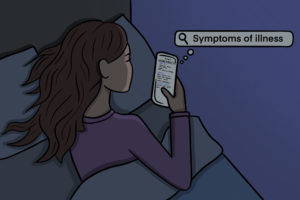
Self-diagnosis culture describes the widespread trend of identifying with mental health conditions based on social media content, online quizzes, or personal research rather than formal clinical evaluation.
This article explores why this trend has grown so quickly, what it gets right and wrong, and how to engage with self-diagnosis in a way that is genuinely helpful rather than harmful.
What Self-Diagnosis Culture Actually Means
Self-diagnosis culture refers to a broader social pattern where individuals identify with specific mental health conditions primarily through online content rather than professional assessment.
This is distinct from simply researching symptoms out of curiosity. It involves adopting a diagnostic label, often publicly, as part of how a person understands and describes themselves.
The trend has grown substantially alongside platforms like TikTok and Instagram, where short, relatable videos about conditions like ADHD or autism can reach massive audiences quickly.
It is not a clinical term but a cultural phenomenon, one that intersects with genuine benefits around awareness and real risks around accuracy and appropriate treatment.
Why Self-Diagnosis Has Become So Common
Access to mental health care remains a significant barrier for many people, with long waitlists, high costs, and limited availability of specialists in many regions.
For people facing these barriers, self-diagnosis can feel like the only accessible starting point, offering language and framework where professional evaluation feels financially or logistically out of reach.
Social media content often presents specific, relatable symptoms in an engaging, accessible format that traditional medical resources rarely match in tone or reach.
Reduced stigma around mental health discussions has also made it more socially acceptable to openly discuss symptoms, conditions, and self-identification than in previous decades.
Many adults, particularly women and people of color, were historically underdiagnosed for conditions like ADHD and autism, making online content a genuine source of long-overdue recognition for some.
The Genuine Benefits of Self-Diagnosis Content
For many people, encountering relatable content provides the first moment of recognition that their struggles have a name and are shared by others rather than being a personal failing.
This recognition can motivate people to finally seek professional evaluation, using self-diagnosis as a starting point rather than a final conclusion about their mental health.
Increased public awareness has also improved general understanding of conditions like ADHD and autism, reducing stigma and encouraging more open conversations about neurodivergence and mental health.
Communities built around shared self-identified experiences can provide genuine support and validation, particularly for people who previously felt isolated or misunderstood.
The Real Risks of Relying Solely on Self-Diagnosis
Symptoms of many mental health conditions overlap significantly, meaning a single relatable symptom, like difficulty focusing, could reflect ADHD, anxiety, depression, or several other conditions entirely.
Social media content is often simplified for engagement, sometimes overstating symptom specificity or presenting subjective experiences as universal diagnostic criteria that apply to everyone.

Without professional evaluation, co-occurring conditions can be missed entirely, since a self-diagnosed label may explain some symptoms while leaving other significant issues unaddressed.
Incorrect self-diagnosis can also delay appropriate treatment, particularly if a person pursues strategies suited to one condition while an underlying, undiagnosed condition remains unaddressed.
The Difference Between Self-Diagnosis and Self-Recognition
Self-recognition, noticing that certain described experiences resonate with your own, is a healthy and often useful first step toward seeking further clarity or professional evaluation.
Self-diagnosis becomes more problematic when that recognition solidifies into a firm identity or public label without any further exploration, particularly regarding co-occurring conditions.
The distinction matters because self-recognition invites curiosity and further investigation, while premature self-diagnosis can sometimes close off that curiosity prematurely.
Framing self-identification as a hypothesis worth exploring, rather than a settled conclusion, tends to lead toward better outcomes than treating initial recognition as definitive.
Why Diagnostic Overlap Makes Self-Diagnosis Tricky
Conditions like ADHD, autism, anxiety, and complex trauma frequently share overlapping symptoms such as difficulty concentrating, emotional dysregulation, or social difficulties.
Distinguishing between these conditions often requires structured clinical assessment, including standardized questionnaires, developmental history, and sometimes input from family members or close contacts.
Without this structured process, it becomes difficult to know whether a particular symptom reflects the specific condition being discussed online or an entirely different underlying cause.
Clinicians are trained specifically to differentiate between overlapping presentations, a skill that online content, however well-intentioned, generally cannot replicate through short-form video alone.
The Role of Algorithms in Shaping Self-Diagnosis
Social media algorithms tend to show increasingly specific content once a person engages with a particular topic, creating an echo chamber effect around certain conditions or symptoms.
This can create a feedback loop where a person increasingly interprets everyday experiences through the lens of a specific condition, reinforced by an endless stream of related content.
Content creators, whether intentionally or not, are incentivized to produce highly relatable, broadly applicable content, since relatability drives engagement regardless of clinical accuracy.
Recognizing how algorithms shape what you see can help create healthy skepticism about whether a pattern of content reflects genuine diagnostic relevance or simply algorithmic reinforcement.
How Self-Diagnosis Intersects With Identity
For some people, particularly within neurodivergent communities, self-identification serves as a meaningful part of identity and community belonging, regardless of formal diagnostic status.
This identity function is real and valid, even separate from clinical accuracy, since community and self-understanding carry genuine psychological benefit independent of formal diagnosis.
Tension can arise when identity becomes tightly bound to a specific label, making it emotionally difficult to consider alternative explanations that a professional evaluation might reveal.
Holding self-identification with some openness, rather than rigid certainty, allows for both the benefits of community belonging and the flexibility needed for accurate understanding.
When Self-Diagnosis Can Lead to Real Harm
Pursuing treatments, accommodations, or medications suited to a specific self-diagnosed condition can be ineffective or even harmful if the underlying issue is actually something different.

Some individuals report worsening symptoms after adopting strategies suited to a self-diagnosed condition that did not match their actual underlying difficulty upon later professional evaluation.
Family members or partners may also struggle to support someone appropriately if the self-diagnosed framework does not accurately reflect the person’s actual underlying difficulty.
In more serious cases, misattributing symptoms to a less severe condition can delay recognition and treatment of a more urgent underlying mental health concern.
Moving From Self-Diagnosis Toward Professional Clarity
Bringing a list of specific symptoms, patterns, and their impact on daily functioning to a professional evaluation provides more useful information than a single self-diagnosed label alone.
Being open with a clinician about what online content or communities influenced your self-understanding helps them provide more targeted, relevant assessment and feedback.
Approaching evaluation with curiosity rather than a need to confirm a specific label tends to produce more accurate, useful outcomes for long-term treatment and support.
Remember that a professional evaluation can validate significant parts of your self-understanding while also refining or expanding it with information self-diagnosis alone could not provide.
Barriers That Make Professional Evaluation Difficult
Cost remains one of the most significant barriers, with comprehensive assessments for conditions like ADHD or autism often running into hundreds or thousands of dollars without insurance coverage.
Long waitlists for specialists, sometimes stretching many months, can make self-diagnosis feel like the only available option in the meantime for many people seeking answers.
Provider bias has historically led to underdiagnosis in women, people of color, and adults generally, making self-diagnosis feel like the only validating path for some people.
Community health centers, sliding-scale clinics, and university training clinics can sometimes offer more accessible evaluation options worth researching in your specific area.
Self-Diagnosis and Neurodivergent Communities Specifically
Autistic and ADHD communities online have built substantial mutual support networks, often filling gaps left by clinicians unfamiliar with how these conditions present in adults.
Many adults, especially women, report recognizing themselves in adult-focused neurodivergent content after years of being overlooked by clinicians trained primarily on childhood presentations.
These communities often provide practical coping strategies, language for previously unexplained struggles, and a sense of belonging that formal diagnosis alone does not automatically provide.
At the same time, community identity can sometimes make it harder to consider alternative explanations, since a label may already feel deeply tied to valued relationships and belonging.
The History of Underdiagnosis That Fuels This Trend
Autism and ADHD diagnostic criteria were developed primarily using data from young boys, meaning presentations common in girls, women, and adults were historically underrecognized.
Masking, a common coping strategy particularly among women and autistic individuals, involves consciously or unconsciously hiding symptoms, which historically made diagnosis even less likely for many people.
This documented history of underdiagnosis is part of why self-diagnosis carries real legitimacy for many adults, rather than being dismissed as simply following a trend.
Understanding this context helps explain why frustration with the medical system, rather than a rejection of medical expertise itself, often underlies self-diagnosis within these communities.
How to Evaluate Online Mental Health Content Critically
Checking whether a content creator has relevant credentials, and being aware that credentials alone do not guarantee accuracy, is a useful first step in evaluating content quality.
Noticing whether content presents nuance, including the concept of overlapping symptoms and the value of professional evaluation, rather than presenting a single symptom as definitive proof.
Being cautious of content that encourages skipping professional evaluation entirely, especially content that frames formal diagnosis as unnecessary or as an obstacle rather than a valuable resource.
Cross-referencing information with established clinical resources, such as reputable psychology or psychiatry organizations, helps verify whether trending content aligns with broader clinical consensus.
What a Thorough Professional Evaluation Actually Involves
A comprehensive evaluation typically includes structured clinical interviews, standardized questionnaires, and sometimes collateral information from family members or partners about developmental history.
For conditions like ADHD and autism, evaluators often look specifically at how symptoms present across multiple settings and time periods, not just in a single context.
This thoroughness is part of why evaluation cannot be replicated by a short online quiz or a checklist of symptoms shared in a social media post.
Understanding what a real evaluation involves can help set realistic expectations and reduce frustration if the process feels more involved than self-diagnosis initially suggested it would be.
The Financial Reality Behind the Trend
Comprehensive neuropsychological evaluations can cost anywhere from several hundred to several thousand dollars, a significant barrier for people without robust insurance coverage.
Even when insurance covers evaluation, many plans limit coverage to specific providers, some of whom carry waitlists extending well beyond a year in certain regions.
This financial reality means self-diagnosis sometimes functions less as impatience and more as the only realistically accessible option available to a person seeking answers.
Advocating for expanded insurance coverage and more accessible evaluation options remains an important systemic issue underlying much of the self-diagnosis conversation.
The Difference Between Trend Awareness and Genuine Understanding
Trend awareness might mean recognizing a term or general symptom list from social media without deeper understanding of the condition’s full diagnostic criteria or nuance.
Genuine understanding typically develops through further reading, professional input, or lived experience over time, moving beyond a single video or post toward a fuller picture.
Encouraging curiosity beyond the first piece of content that resonated, such as reading further from clinical sources, helps bridge the gap between trend awareness and genuine understanding.
This distinction matters because trend awareness alone, while a valid starting point, rarely provides the full context needed for accurate self-understanding or appropriate support.
Talking to Family or Partners About Self-Diagnosis
Sharing self-diagnosis with family or partners can sometimes be met with skepticism, particularly from those unfamiliar with the condition or resistant to changing their view of you.
Bringing specific examples of how symptoms show up in daily life, rather than only the label itself, often helps loved ones understand and engage more constructively.
Framing self-diagnosis as an ongoing exploration, rather than a fixed conclusion, can reduce defensiveness and invite more open conversation with skeptical family members or partners.
Involving a professional, even briefly, can sometimes help mediate these conversations by providing an outside, credentialed perspective that carries weight within family dynamics.
The Middle Ground Many Professionals Recommend
Many clinicians now recommend a middle ground, treating self-diagnosis as meaningful information worth bringing into an evaluation rather than dismissing it or accepting it uncritically.
This approach respects the real barriers people face while still preserving the value of structured, professional assessment for accuracy and appropriate treatment planning.
Some clinics have adapted to this trend by offering shorter, more affordable screening sessions designed specifically for people arriving with a strong self-diagnosed hypothesis already in mind.
This evolving approach reflects a broader shift toward collaborative diagnosis, where patient self-knowledge and clinical expertise work together rather than existing in opposition to one another.
The Long-Term Cultural Impact of This Trend
Increased public familiarity with conditions like ADHD and autism has genuinely shifted workplace, school, and social accommodations in ways that benefit both diagnosed and undiagnosed individuals.
At the same time, oversaturation of trending mental health content risks diluting public understanding of what these conditions genuinely involve, particularly their more severe or less relatable presentations.
Balancing increased awareness with accurate, nuanced understanding remains an ongoing cultural challenge, one that both content creators and clinicians continue to navigate together.
As this trend continues evolving, maintaining curiosity, humility, and openness to professional input will likely remain the most reliable path toward genuine self-understanding.
Frequently Asked Questions
Is self-diagnosis always harmful?
Not necessarily. Self-recognition can be a valuable, motivating first step, particularly given real barriers to care, but it becomes riskier when treated as a final answer rather than a starting point.
Why do so many people relate to ADHD or autism content online?
Symptom overlap across conditions, combined with universally relatable experiences like distraction or social difficulty, means many people will recognize themselves in content describing a range of different conditions.
Can therapists dismiss self-diagnosis entirely?
A good clinician takes self-diagnosis seriously as useful information while also conducting a thorough, structured evaluation to confirm, refine, or reconsider the self-identified label appropriately.
Is it wrong to identify with a label before getting a formal diagnosis?
It is not inherently wrong, particularly given access barriers, though it helps to hold that identification with some openness in case professional evaluation reveals additional or different information.
Why do symptoms feel so universal in social media mental health content?
Content is often created for broad relatability and engagement, which can lead to oversimplified or overly general descriptions that many viewers will recognize regardless of an actual clinical match.
What should I do if I strongly relate to online content about a specific condition?
Consider it a useful starting point and seek a professional evaluation when possible, bringing specific examples of your experience rather than only the self-diagnosed label itself.
Does self-diagnosis mean I do not need to see a professional at all?
Self-diagnosis can be a valid starting point, but professional evaluation remains valuable for confirming accuracy, identifying co-occurring conditions, and accessing appropriate treatment or accommodations.
Can self-diagnosis change over time as I learn more?
Yes, and this is healthy. Many people refine or revise their self-understanding as they encounter new information, professional input, or simply more life experience over time.
Conclusion
Self-diagnosis culture reflects both a genuine gap in accessible mental health care and the real limitations of diagnosing complex conditions through short-form content alone.
Holding self-recognition as a valuable starting point, rather than a final conclusion, allows you to benefit from increased awareness while still pursuing the clarity that professional evaluation can provide.
Wherever you are in this process, your experiences and struggles are real and worth understanding fully, whatever label eventually turns out to fit them best.
Give yourself permission to keep exploring, to seek professional input when possible, and to hold your self-understanding with curiosity rather than rigid certainty as you learn more.