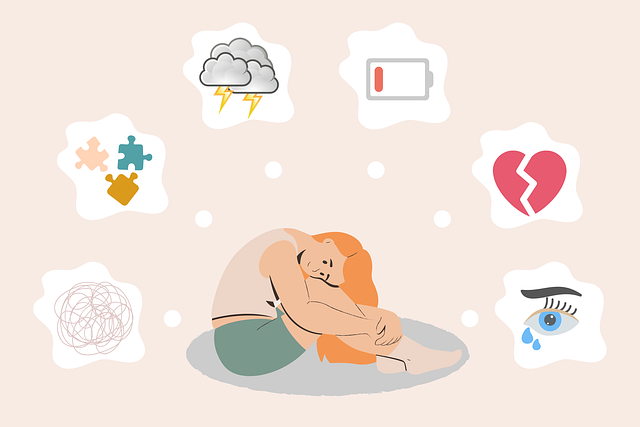
You finish a full day of tasks, yet instead of feeling satisfied, you immediately list everything you still have not done. This restless, never-enough feeling is often called toxic productivity.

Toxic productivity describes an unhealthy relationship with achievement, where self-worth becomes tied to constant output and rest feels like something that must be earned or justified.
This article explains what toxic productivity actually looks like, why it develops, how it differs from healthy ambition, and what genuinely helps loosen its grip over time.
By the end, you should be able to recognize this pattern in your own life and understand the psychological mechanisms that keep it running long after it stops serving you.
You will also find practical, realistic steps for shifting the pattern gradually, without swinging into the opposite extreme of abandoning goals or ambition altogether.
What Toxic Productivity Actually Means
Toxic productivity refers to an excessive, compulsive drive to be constantly productive, often at the expense of rest, relationships, and physical or mental health.
It is not the same as healthy ambition or a strong work ethic, both of which allow for genuine rest and do not attach a person’s value entirely to output.
The term is not a clinical diagnosis, though it frequently overlaps with anxiety, perfectionism, and in some cases patterns related to burnout or obsessive-compulsive tendencies.
People experiencing this pattern often describe a persistent inner voice insisting that relaxing, resting, or simply existing without accomplishing something is inherently wasteful or lazy.
The Difference Between Healthy Productivity and Toxic Productivity
Healthy productivity is flexible, adjusts to circumstances, and allows genuine rest without guilt once meaningful work has been completed for the day.
Toxic productivity, by contrast, treats rest as something requiring justification, often accompanied by guilt, restlessness, or anxious thoughts about all the things still left undone.
Healthy productivity draws energy from genuine interest or purpose, while toxic productivity is frequently driven by fear, specifically fear of falling behind, being judged, or feeling worthless.
Another distinguishing marker is flexibility. Someone with a healthy relationship to work can adjust plans when circumstances change, whereas toxic productivity often resists any deviation from the plan.
Why Toxic Productivity Develops
Childhood environments where love or approval felt conditional on achievement often plant the early roots of this pattern, teaching a child that worth must be earned repeatedly.

Cultural narratives that glorify busyness, hustle, and constant output reinforce the belief that rest is a moral failing rather than a biological and psychological necessity.
Social media intensifies this further, showcasing curated highlight reels of other people’s achievements that create a distorted sense of how much everyone else is accomplishing.
Economic anxiety also plays a role, particularly in unstable job markets where constant visible output can feel like a form of self-protection against job insecurity.
For some people, toxic productivity functions as a distraction from difficult emotions, since staying constantly busy leaves little space to feel grief, anxiety, or discomfort directly.
The Psychological Mechanisms Behind the Pattern
Completing tasks activates the brain’s dopamine reward system, creating a genuine, if temporary, sense of relief and accomplishment each time something gets checked off a list.
Over time, this creates a reinforcing loop, where the brain begins seeking that same relief through constant task completion rather than through rest or other regulation methods.
Cognitive distortions often accompany this pattern, particularly all-or-nothing thinking, where anything less than maximal output feels equivalent to complete failure or laziness.
Cortisol, the body’s stress hormone, tends to remain elevated in people caught in this cycle, since the nervous system rarely receives a genuine signal that it is safe to rest.
Common Signs of Toxic Productivity
You might notice a persistent inability to enjoy leisure activities without simultaneously thinking about tasks you should be completing instead of relaxing.
Physical exhaustion frequently gets overridden by mental pressure to keep working, sometimes resulting in working through illness, injury, or clear signs the body needs rest.
Rest, when it does happen, often comes with guilt, restlessness, or an underlying anxiety that makes it difficult to actually settle into a relaxed state.
You may find yourself measuring self-worth almost entirely through output, feeling fundamentally different about yourself on days you accomplish a lot versus days you do not.
Vacations or days off frequently get filled with unnecessary tasks or projects, since unstructured time can feel uncomfortable or even threatening rather than restorative.
How Toxic Productivity Connects to Burnout
Chronic toxic productivity is one of the most reliable pathways toward burnout, a state of physical and emotional exhaustion recognized by the World Health Organization as an occupational phenomenon.
Burnout typically develops gradually, beginning with subtle signs like irritability or difficulty concentrating before progressing toward more significant exhaustion and detachment from work.
The relationship runs in both directions. Toxic productivity increases burnout risk, while burnout itself can paradoxically increase toxic productivity as a person tries harder to push through exhaustion.
Recognizing early warning signs, such as persistent fatigue or declining enthusiasm, provides an important opportunity to intervene before burnout becomes more severe and harder to recover from.
Toxic Productivity and Perfectionism
Perfectionism and toxic productivity frequently reinforce each other, since perfectionistic standards make it nearly impossible to feel that any amount of output is genuinely sufficient.
This combination often produces a specific pattern where a person works excessively yet still feels behind, since the internal bar for what counts as enough keeps rising.
Self-compassion research consistently shows that harsh self-criticism, common in this pattern, tends to reduce actual performance and motivation rather than improving it over time.
Addressing the underlying perfectionism, often through therapy focused on cognitive patterns, tends to be more effective than simply trying to force more rest without shifting the core belief.
The Role of Technology and Constant Availability
Smartphones and remote work tools have blurred the boundary between work time and personal time, making genuine disconnection increasingly difficult for many people.
Notifications and constant connectivity create a low-grade sense that something always requires attention, reinforcing the belief that stepping away is risky or irresponsible.

Productivity apps and trackers, while sometimes helpful, can also intensify toxic productivity by turning rest itself into another metric to optimize or feel guilty about.
Setting genuine boundaries around technology, including specific times when work communication is off-limits, is often a necessary structural change alongside any internal mindset shift.
Toxic Productivity in Different Life Domains
This pattern does not only appear at work. It frequently extends into parenting, fitness, hobbies, and even relationships, where every activity becomes another area to optimize.
Parents caught in this pattern may feel guilty for any moment not spent actively engaging, educating, or improving their children, leaving little room for simply being present together.
Fitness culture can similarly become a vehicle for toxic productivity, where exercise becomes driven by guilt and punishment rather than genuine enjoyment or care for the body.
Even hobbies meant to be relaxing can become another source of pressure, once a person feels they must monetize, master, or optimize every activity they engage in.
How to Begin Shifting the Pattern
Scheduling rest deliberately, treating it with the same seriousness as a work commitment, helps counteract the belief that rest must be earned through prior output.
Practicing noticing the urge to add another task during downtime, without immediately acting on it, builds tolerance for the discomfort that unstructured time can initially bring.
Reconnecting with activities purely for enjoyment, without any goal of improvement or output, helps retrain the nervous system to associate rest with safety rather than threat.
Working with a therapist, particularly one familiar with perfectionism and burnout, can help address the deeper beliefs driving the pattern rather than only managing its symptoms.
The Difference Between Rest and Numbing
It is worth distinguishing genuine rest, which restores energy and mood, from numbing behaviors like excessive scrolling, which can look like rest but leave you feeling depleted.
Genuine rest often involves some degree of presence or engagement, such as a walk, a conversation, or simply sitting quietly, rather than passive, disengaged consumption.
People recovering from toxic productivity sometimes swing toward numbing initially, mistaking it for rest, before gradually learning to identify what actually restores their energy.
Paying attention to how you feel afterward, restored versus still depleted, helps distinguish genuine restorative rest from behaviors that only superficially resemble it.
When Toxic Productivity May Signal a Deeper Issue
If the pattern is accompanied by significant anxiety, inability to function without constant activity, or physical symptoms of chronic stress, professional support is worth considering.
Persistent inability to rest despite clear exhaustion may reflect an anxiety disorder or obsessive-compulsive tendencies rather than simply a strong work ethic that has gone too far.
A therapist can help distinguish situational overwork from a more entrenched pattern requiring structured treatment, particularly when self-worth feels entirely dependent on constant achievement.
If toxic productivity is affecting physical health, relationships, or basic functioning, it is worth speaking with a mental health professional about what is driving the pattern.
The Cultural Roots of Hustle Culture
Hustle culture, a broader movement glorifying constant work and side projects, has amplified toxic productivity by framing exhaustion as a badge of honor rather than a warning sign.
Phrases like rise and grind or sleep is for the weak circulate widely, embedding the idea that worth is measured by how little rest a person allows themselves.
This messaging often ignores privilege and circumstance, treating overwork as purely a matter of discipline rather than acknowledging structural pressures that make rest genuinely harder for some people.
Recognizing hustle culture as a specific ideology, rather than a neutral truth about how success works, creates room to question its underlying assumptions more critically.
Gender and Toxic Productivity
Women, particularly mothers, often face compounded pressure toward toxic productivity, expected to excel professionally while also managing a disproportionate share of household and caregiving labor.
This dynamic, sometimes called the second shift, means rest can feel doubly inaccessible, since domestic responsibilities continue regardless of how demanding paid work has already been.
Men may experience toxic productivity differently, often tied more directly to identity and provider narratives that equate constant work with fulfilling a expected masculine role.
Understanding these gendered patterns helps clarify why generic advice to just rest more often fails to address the structural pressures reinforcing the behavior in the first place.
The Role of Comparison in Sustaining the Pattern
Constant exposure to others’ visible achievements, particularly online, creates a reference point that always seems to be moving further out of reach regardless of actual progress made.
This comparison effect keeps the finish line perpetually distant, since there is always someone appearing to accomplish more, work harder, or achieve success more quickly.
Recognizing that social media presents curated highlights, not a representative sample of anyone’s full effort or struggle, helps reduce the power of this comparison over time.
Limiting exposure to accounts or content that consistently trigger this comparison can meaningfully reduce the pressure fueling ongoing toxic productivity.
How Toxic Productivity Shows Up in Students
Academic environments frequently reward and reinforce toxic productivity, celebrating students who sacrifice sleep and social life for grades, projects, or extracurricular accomplishments.
This early conditioning can carry directly into adult work life, since students often internalize the belief that worth is measured by output well before entering a career.
College and graduate programs, with their intense workloads, can normalize chronic overwork to a degree that makes healthier patterns feel foreign or even irresponsible by comparison.
Addressing this pattern early, during school years, can meaningfully reduce the risk of carrying the same unsustainable habits into an entire working life.
Practical Tools for Retraining Your Relationship With Rest
Micro-rests throughout the day, even five minutes of intentional stillness, help the nervous system practice safety in small doses before attempting longer periods of rest.
Physically leaving your workspace during breaks, rather than remaining at the same desk, reinforces a clearer boundary between work time and rest time for the brain.
Naming your accomplishments explicitly at the end of each day, rather than only noticing what remains undone, helps counteract the mind’s natural bias toward the unfinished.
Body-based practices like slow breathing or gentle movement can help signal safety to the nervous system more effectively than willpower alone, especially during early stages of change.
The Long-Term Cost of Ignoring the Pattern
Chronic toxic productivity, left unaddressed, is strongly associated with long-term burnout, relationship strain, and in some cases physical health conditions linked to prolonged stress exposure.
Relationships often suffer quietly, as partners, friends, or children receive less genuine presence from someone whose attention remains partially occupied by an ongoing mental task list.
Some people report reaching a breaking point, often a health scare or major burnout episode, before finally reassessing this pattern that had felt normal for years.
Addressing the pattern proactively, before reaching that breaking point, tends to be considerably easier and less disruptive than waiting for a crisis to force the change.
Toxic Productivity and Identity
For many people, toxic productivity becomes deeply entangled with identity, so that questioning the pattern can feel like questioning who they fundamentally are as a person.
This entanglement makes change feel threatening rather than simply difficult, since slowing down can trigger a genuine identity crisis alongside the more obvious practical adjustments required.
Therapy focused on values clarification can help separate genuine identity from achievement-based identity, allowing a person to rest without feeling they are losing themselves in the process.
Over time, many people find that their sense of self actually becomes more stable, not less, once it is no longer entirely contingent on constant output.
Toxic Productivity Within Neurodivergent Experiences
People with ADHD sometimes develop a specific version of this pattern, using hyperfocus and constant activity as a way to manage restlessness or avoid difficult emotional states.
For autistic individuals, masking and overcompensation in professional settings can similarly fuel toxic productivity, as constant effort is spent appearing effortlessly capable to others.
Recognizing these specific neurodivergent pathways matters, since generic advice about resting more may not address the underlying regulatory or masking needs driving the behavior.
Working with a therapist familiar with neurodivergence can help identify more sustainable ways to manage restlessness or masking without relying on constant, exhausting output.
Frequently Asked Questions
Is toxic productivity the same as having a strong work ethic?
No, a strong work ethic allows for genuine rest and does not tie self-worth entirely to output. Toxic productivity specifically involves guilt around rest and compulsive, fear-driven achievement.
Why do I feel guilty when I am not being productive?
This guilt often stems from early conditioning that linked worth to achievement, reinforced by cultural messaging that frames constant busyness as virtuous and rest as laziness.
Can toxic productivity lead to physical health problems?
Yes, chronic overwork without adequate rest is linked to elevated stress hormones, weakened immune function, and increased risk of burnout, which can have lasting physical and emotional consequences.
How is toxic productivity different from being ambitious?
Ambition is typically flexible and allows for rest, while toxic productivity is rigid and driven by fear rather than genuine interest, often persisting even when it clearly harms wellbeing.
Is toxic productivity a mental health diagnosis?
No, it is not a formal diagnosis, though it frequently overlaps with anxiety, perfectionism, and burnout, and can benefit from therapeutic approaches addressing those underlying patterns.
What is the first step to reducing toxic productivity?
Noticing the pattern without harsh self-judgment is typically the first step, followed by gradually scheduling genuine rest and observing the discomfort that arises without immediately fixing it.
Can toxic productivity affect children who are not students yet?
Yes, children can absorb these patterns early through modeling, particularly when praise and attention at home consistently center around achievement rather than effort or simple presence.
Does slowing down really improve long-term performance?
Research on burnout and sustainable performance consistently shows that adequate rest improves focus, creativity, and decision-making, making it a practical investment rather than simply a luxury.
Conclusion
Toxic productivity often develops as a genuine attempt to feel safe, worthy, or in control, even though it ultimately undermines the very wellbeing it was meant to protect.
Recognizing the pattern, rather than pushing through it further, opens the door to a more sustainable relationship with work, rest, and your own sense of self-worth.
With time, self-compassion, and support where needed, it is entirely possible to remain motivated and capable without sacrificing rest, health, or genuine enjoyment along the way.
Progress here rarely looks dramatic. It usually looks like small, repeated choices to rest without guilt, gradually rebuilding a relationship with achievement that feels sustainable rather than punishing.
Give yourself the same patience you would offer a friend working through this pattern, since lasting change tends to grow from consistency rather than from forcing an overnight transformation.