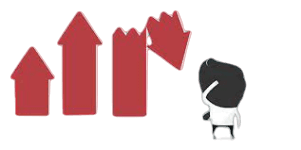
Functional freeze in high achievers often begins with a strange moment: you sit down in front of work that matters, work you chose, work you once cared deeply about, and nothing happens. The screen is open, the deadlines are real, and your system simply will not move.

From the outside, everything still appears intact. Understanding why high achievers shut down requires recognizing that the people most skilled at pushing through difficulty are often the last to notice when their nervous system has reached its biological limit.
Many of the so-called high achiever burnout symptoms people describe today are actually something more complex. Clinicians increasingly see capable, accomplished adults whose performance remains outwardly functional while their internal capacity has quietly collapsed.
This article explains the neuroscience, psychology, symptoms, causes, and recovery process behind functional freeze. By the end, you will have a framework that finally makes sense of an experience many successful people have been carrying without language.
What Is Functional Freeze? The Clinical Definition High Achievers Never Got
Functional freeze in high achievers describes a state where the nervous system enters a protective shutdown response while the person continues meeting external responsibilities. The result is reduced motivation, diminished cognitive flexibility, emotional flattening, and difficulty initiating action despite visible functioning.
Although functional freeze is not currently recognized as a formal diagnosis in the DSM, its mechanisms are strongly supported by neuroscience. Much of what clinicians observe aligns with research surrounding autonomic nervous system regulation and shutdown responses.
At its core, functional freeze is not a motivation problem. It is a physiological conservation strategy activated when the nervous system concludes that sustained activation can no longer be maintained safely.
This distinction matters because people experiencing freeze often blame themselves. They assume they have become lazy, undisciplined, distracted, or weak when their biology is actually attempting to protect them.
Depression and functional freeze can look similar on the surface. Both may involve low energy and reduced engagement, but depression centers more heavily on mood disturbance while freeze centers on nervous system conservation.
Burnout also overlaps with functional freeze, but they are not identical experiences. Burnout is typically exhaustion resulting from prolonged demand, while freeze is a deeper autonomic state that can persist even after the original stressor changes.
Researchers continue debating terminology, but clinicians consistently observe the pattern. High-performing professionals, founders, executives, academics, and creatives describe remarkably similar experiences regardless of industry or background.
The nervous system is not malfunctioning.
It is adapting.
The Polyvagal Theory Explanation: Why the Body Chooses Freeze
According to Polyvagal Theory, developed by psychologist and neuroscientist Stephen Porges, the autonomic nervous system operates through a hierarchy of states. These states influence how safe, connected, energized, or threatened we feel.

The first state is ventral vagal regulation. This is the state associated with safety, creativity, social connection, flexible thinking, learning, and healthy performance under manageable levels of stress.
The second state is sympathetic activation. This is the classic fight-or-flight response that mobilizes energy, increases focus, and allows people to perform under pressure for limited periods of time.
The third state is dorsal vagal shutdown. When the nervous system determines that sustained activation is no longer viable, it shifts toward immobilization, withdrawal, reduced energy expenditure, and conservation.
High achievers often spend years operating inside sympathetic activation. They become exceptionally skilled at functioning under stress, meeting deadlines, carrying responsibility, and overriding fatigue signals.
Eventually, however, the system reaches a threshold. The body can no longer justify maintaining such a costly physiological state and begins moving toward protective shutdown.
This transition rarely looks dramatic. It often appears as procrastination, indecision, emotional numbness, reduced creativity, and a growing inability to engage with meaningful work.
From a Polyvagal perspective, freeze is not evidence of failure.
The freeze is the alarm.
Why High Achievers Are Uniquely Vulnerable to Functional Freeze
Functional freeze in high achievers develops not despite capability but because of it. The very traits that produce extraordinary performance can also increase vulnerability to prolonged nervous system dysregulation when recovery consistently lags behind demand.
The Override Capacity Problem
High achievers become experts at overriding discomfort. They learn to continue performing despite fatigue, uncertainty, stress, frustration, and emotional strain.
This ability is rewarded repeatedly by schools, workplaces, businesses, and competitive environments. Over time, however, the skill of overriding internal signals can become so strong that early warning signs stop influencing behavior.
The nervous system continues sending messages. The person simply becomes less able to hear them.
Identity Fusion With Performance
Many successful people gradually merge achievement with identity. Performance stops being something they do and starts becoming something they believe they are.
When this happens, slowing down carries emotional consequences far beyond temporary inconvenience. Reduced output can feel like a threat to self-worth, relevance, competence, or belonging.
The nervous system responds accordingly.
Perfectionism as a Nervous System Accelerant
Perfectionism increases the physiological cost of action. Every task requires more certainty, more preparation, more effort, and more internal negotiation before it feels safe to begin.
During functional freeze, perfectionism becomes particularly destructive. The nervous system is already conserving energy, and perfectionistic standards make initiation even more expensive.
As a result, simple tasks begin feeling impossible.
Allostatic Load and Cumulative Biological Debt
Allostatic load refers to the cumulative biological wear created by chronic stress exposure. It represents the ongoing cost of asking the body to remain activated without adequate opportunities for recovery.
High achievers often accumulate this debt slowly and invisibly. Because performance remains relatively strong, the physiological burden can go unnoticed for years.
The bill eventually arrives.
The Window of Tolerance Narrows Over Time
Psychiatrist Daniel Siegel introduced the concept of the Window of Tolerance to describe the zone in which the nervous system can function effectively. Within this window, people can handle stress without becoming overwhelmed or shutting down.
When individuals spend years operating near the upper edge of that window, recovery capacity gradually erodes. The window becomes narrower, making previously manageable demands feel disproportionately difficult.
What once felt challenging begins feeling impossible.
The nervous system is not becoming weaker.
It is becoming overloaded.
Functional Freeze in High Achievers: The Symptoms That Look Like Laziness
Functional freeze in high achievers is frequently misunderstood by both the people experiencing it and the people around them. Because the individual still appears competent from the outside, the symptoms are often dismissed as procrastination, poor discipline, lack of motivation, or simple burnout.
The reality is very different. What looks like laziness is often a nervous system attempting to conserve resources after prolonged periods of stress, activation, and biological overload.
1. Decision Paralysis in High-Stakes Moments
One of the most common signs of functional freeze is the sudden inability to make decisions. A person who once handled complex choices quickly may find themselves staring at simple decisions for hours without being able to move forward.
The problem is rarely a lack of intelligence or information. The nervous system has shifted into a state where action itself feels expensive, creating paralysis even when the correct choice seems obvious.
2. Unopened Emails and Avoided Communications
Many high achievers report staring at overflowing inboxes without being able to engage. Messages accumulate, replies are delayed, and communications that once required minutes begin consuming enormous amounts of mental energy.
This is not carelessness. The nervous system begins rationing engagement because every incoming request is interpreted as an additional demand on an already exhausted system.
3. Starting Nothing, Finishing Nothing
Tasks remain permanently parked in the category of “about to begin.” The intention exists, the importance is understood, and the consequences of delay are fully recognized.
Yet activation never arrives. People often describe feeling trapped behind an invisible wall separating intention from action.
4. Performing Competence While Feeling Absent
This symptom is particularly confusing because it allows freeze to remain hidden for long periods. The individual continues attending meetings, answering questions, delivering presentations, and fulfilling obligations.
Internally, however, they often feel detached from the experience. They are physically present while emotionally and cognitively disconnected from what is happening around them.
5. Loss of Creativity and Strategic Thinking
Higher-order thinking functions are among the first capacities affected during prolonged nervous system dysregulation. Creative insight, innovation, strategic planning, and long-term vision become increasingly difficult to access.
Many professionals describe feeling capable of execution but unable to think. They can complete tasks but struggle to generate ideas.
6. Emotional Blunting Toward Outcomes
Achievements stop producing emotional impact. Promotions, milestones, successful launches, completed projects, and positive feedback no longer create the sense of satisfaction they once did.
The reward system becomes muted. Wins register intellectually but fail to register emotionally.
7. Physical Heaviness Without Medical Cause
Many people experiencing freeze report a sensation of physical heaviness that cannot be explained by illness or injury. Getting started feels difficult, movement feels slower, and everyday activities require unusual effort.
Medical evaluations often reveal no obvious pathology. The sensation originates within nervous system regulation rather than structural physical disease.
8. The Inability to Rest or to Work
One of the most frustrating aspects of functional freeze is existing between two states. The person feels too depleted to work effectively yet too activated to experience genuine rest.
Weekends become unproductive without being restorative. Time away from work fails to produce recovery because the nervous system remains trapped in survival mode.
9. Social Withdrawal From Chosen Relationships
People experiencing freeze often withdraw from relationships they genuinely value. Calls go unanswered, messages remain unopened, and social invitations begin feeling overwhelming.
This withdrawal is rarely intentional. Limited nervous system resources become redirected toward maintaining basic functioning, leaving little capacity for connection.
If five or more of these symptoms have remained present for several weeks, self-criticism is unlikely to solve the problem. What you are experiencing may be a nervous system state that requires understanding, regulation, and professional support rather than increased effort.
The Neuroscience of Why High Achievers Shut Down: What Is Actually Happening
The freeze response in successful people becomes easier to understand when viewed through the lens of neuroscience. What appears psychological on the surface is deeply rooted in biological systems designed to keep human beings alive.
According to Polyvagal Theory, prolonged activation can eventually push the nervous system beyond sustainable limits. When sympathetic fight-or-flight resources become depleted, the body recruits a more primitive survival strategy.
This strategy involves the dorsal vagal complex, a branch of the autonomic nervous system associated with immobilization, conservation, withdrawal, and reduced energy expenditure. In evolutionary terms, it is a last-resort protective mechanism.
For high achievers, this process often follows years of chronic activation. The body spends prolonged periods producing the physiological resources required for performance, leadership, problem-solving, and constant responsibility.
The HPA axis, which governs stress hormone regulation, becomes particularly important here. Chronic activation of this system can eventually contribute to cortisol dysregulation, reducing the body’s ability to maintain healthy energy management.
As regulation becomes less efficient, performance begins to suffer. Concentration weakens, recovery slows, motivation declines, and emotional resilience becomes harder to access.
At the same time, the prefrontal cortex receives fewer resources. This area of the brain supports planning, executive function, strategic thinking, emotional regulation, and complex decision-making.
When nervous system resources shift toward survival, these higher-order functions become less available. The result often feels like losing access to abilities that previously defined professional success.
Peter Levine, founder of Somatic Experiencing, emphasizes that freeze is not evidence of weakness. It is an evolutionary survival response shared across mammalian species.
The problem is not that the freeze occurred. The problem is that modern environments rarely provide clear mechanisms for completing and releasing the response once it has been activated.
Fortunately, the same neuroplasticity that allows the nervous system to adapt under stress also allows it to recover. Functional freeze is a state of adaptation, not permanent damage.
Recovery is possible because the nervous system remains capable of learning safety.
Functional Freeze vs Burnout vs Depression: The Differences High Achievers Need to Know
Functional freeze, burnout, and depression share overlapping symptoms, which is one reason so many people struggle to identify what they are experiencing. Yet the underlying mechanisms are not identical.
Burnout is generally understood as exhaustion caused by prolonged exposure to excessive demands. When the stressor is reduced and meaningful recovery occurs, symptoms often improve substantially.
Functional freeze operates differently. The nervous system itself has shifted into a protective shutdown state, meaning symptoms may continue even after workload reductions occur.
This distinction explains why some high achievers take vacations, reduce responsibilities, or temporarily step away from work and still feel unable to re-engage. The external pressure changed, but the internal state did not.
Depression introduces another layer of complexity. Depression often involves persistent low mood, hopelessness, anhedonia, negative self-evaluation, and emotional suffering that extends across many areas of life.
Functional freeze can occur without those features. Many people in freeze do not necessarily feel sad; they feel disconnected, absent, emotionally flat, and unable to activate themselves.
The overlap between these conditions is substantial. Burnout can contribute to functional freeze, and prolonged freeze can increase vulnerability to depression if left unaddressed.
This overlap also contributes to frequent misidentification. High achievers may receive burnout advice that does not help or depression screenings that fail to fully explain their experience.
Clinical assessment remains essential. A qualified mental health professional can evaluate symptoms, rule out medical factors, and determine which framework most accurately reflects what is occurring.
The goal is not self-diagnosis. The goal is having language that helps explain an experience that previously felt impossible to understand.
How High Achievers Recover from Functional Freeze: The Evidence-Based Path Back
Functional freeze in high achievers does not respond well to traditional productivity advice. Recovery begins with nervous system safety because the problem is not a lack of motivation—it is a system that no longer feels safe enough to mobilize consistently.
Stop Trying to Perform Your Way Out
The instinctive response for many high achievers is to increase effort. They create new schedules, add accountability systems, and attempt to force movement through discipline.
Unfortunately, this approach often deepens freeze. The nervous system interprets continued pressure as evidence that the threat remains present.
Somatic Safety Signals (Polyvagal Regulation)
Recovery starts with physiological cues of safety. Slow exhalations, humming, gentle walking, stretching, and cold water exposure can stimulate vagal pathways associated with regulation.
These interventions may appear simple, but they target the body directly. Functional freeze is fundamentally physiological before it is cognitive.
Titrated Re-engagement (Not Full Return)
One of the most common mistakes is attempting a complete return to previous performance levels. The nervous system generally responds better to gradual, manageable re-engagement.
A single meaningful task completed successfully often creates more progress than an ambitious list abandoned halfway through the day.
Somatic Experiencing Therapy
Peter Levine’s Somatic Experiencing approach was developed specifically to address unresolved survival responses. Rather than focusing primarily on thoughts, it helps individuals process and release stored activation patterns.
Many clinicians working with freeze responses consider somatic approaches particularly valuable because they address the nervous system directly.
Reducing Allostatic Load Structurally
Recovery requires reducing the biological burden placed on the system. This means making concrete changes to workload, obligations, decision volume, and chronic stress exposure.
The goal is not temporary relief. The goal is creating conditions where regulation becomes sustainable.
Nervous System Nourishment: Sleep, Movement, and Co-Regulation
Deep sleep remains one of the most important recovery mechanisms available. During sleep, the nervous system processes stress activation and restores physiological resources.
Healthy movement and safe social connection are equally important. Co-regulation—the calming effect of being with regulated people—is a recognized nervous system process, not merely a pleasant experience.
Professional Support: When and What to Seek
Professional help becomes especially valuable when symptoms persist despite self-directed efforts. Therapists trained in trauma-informed approaches, Polyvagal Theory, somatic therapies, or nervous system regulation often provide the most targeted support.
Traditional cognitive approaches can still help, but freeze frequently requires working with the body as well as the mind.
What Recovery From Functional Freeze Actually Looks Like for High Achievers
Recovery from functional freeze rarely begins with peak performance returning. More often, it begins with ordinary presence returning to daily life.
People notice they can answer an email without dread. They complete a task without becoming overwhelmed. They reconnect with a conversation instead of merely surviving it.
This stage can feel surprisingly uncomfortable. High achievers often become impatient when energy starts returning because the temptation to immediately reload responsibilities becomes intense.
That impulse deserves careful attention. Many people experience an initial improvement, resume previous levels of demand, and trigger another period of nervous system shutdown.
Recovery is rarely linear. A productive week followed by a difficult week does not automatically indicate regression.
The nervous system often oscillates as it establishes a healthier baseline. Temporary fluctuations are frequently part of the recovery process itself.
What eventually emerges is not reduced ambition. It is a more sustainable relationship between ambition, performance, and biological capacity.
The people who recover most successfully stop treating their nervous system as an obstacle. They learn to treat it as the foundation that makes meaningful achievement possible.
Frequently Asked Questions
Q: What is functional freeze in high achievers?
A: Functional freeze in high achievers is a nervous system shutdown response that occurs after prolonged activation and stress. The person remains outwardly functional while internally experiencing paralysis, emotional disconnection, reduced motivation, and difficulty initiating action.
Although it is not currently a formal DSM diagnosis, the phenomenon is strongly supported by Polyvagal Theory, trauma research, and clinical observations involving high-performing professionals.
Q: What are the main symptoms of functional freeze in high achievers?
A: Common symptoms include decision paralysis, difficulty starting tasks, emotional blunting, reduced creativity, physical heaviness, social withdrawal, and performing competence while feeling internally absent.
When multiple symptoms remain present for several weeks and begin affecting work, relationships, or wellbeing, professional assessment becomes increasingly valuable.
Q: Why do high achievers get functional freeze more than others?
A: High achievers often possess exceptional override capacity. They continue functioning despite fatigue, stress, and nervous system warning signals that would normally trigger recovery behaviors.
Identity fusion with performance, perfectionism, chronic activation, and accumulated allostatic load further increase vulnerability to freeze responses.
Q: How is functional freeze different from burnout?
A: Burnout is generally understood as exhaustion resulting from prolonged demands. Functional freeze is a neurological state involving protective shutdown and conservation of resources.
Burnout can trigger freeze, but freeze may continue even after the original stressor has been reduced because the nervous system has not fully re-established safety.
Q: How do you recover from functional freeze?
A: Recovery focuses on nervous system regulation rather than increased productivity. Effective approaches often include somatic regulation techniques, vagal stimulation, reduced allostatic load, gradual re-engagement, and appropriate professional support.
Willpower-based solutions frequently fail because the condition originates in physiology rather than motivation.
Q: Can functional freeze in high achievers be treated?
A: Yes. Functional freeze is generally responsive to interventions that address nervous system regulation and unresolved stress activation.
Many people experience meaningful improvements over several weeks or months when treatment combines lifestyle changes, somatic approaches, and professional guidance tailored to their situation.
Q: Is functional freeze the same as depression?
A: No. Depression is primarily a mood disorder, while functional freeze is primarily a nervous system conservation state.
The two can overlap and sometimes coexist, which is why accurate assessment by a qualified mental health professional is important when symptoms persist.
Conclusion
Functional freeze in high achievers is not a failure of willpower. It is a survival response produced by a nervous system that has spent too long carrying demands without adequate recovery.
The neuroscience is real, the pattern is clinically recognizable, and the experience is far more common than most people realize. Many capable individuals spend years blaming themselves for symptoms that are actually biological adaptations.
You now have language for what is happening, a framework for understanding it, and a map for beginning recovery. That knowledge matters because confusion often keeps people stuck longer than the freeze itself.
When high achievers stop fighting their nervous system and begin listening to it, the first thing that usually returns is not productivity—it is the feeling of being fully present inside their own life again.