Quick Answer: Online couples counseling pairs partners with a licensed mental health professional through secure, HIPAA-compliant video sessions to address communication breakdowns, emotional distance, infidelity, and life transitions. Clinical research confirms virtual relationship therapy is comparably effective to in-person sessions, providing lower per-session costs, flexible scheduling, and direct access to specialized clinicians.
Every long-term relationship hits friction. What separates couples who rebuild connection from those who drift apart is rarely the size of the conflict—it is whether the right professional support is accessible when it matters most. Online couples counseling has eliminated traditional barriers to care, replacing months-long waitlists with same-week access to licensed specialists. This comprehensive guide explores how virtual couples therapy works, what clinical research says about its efficacy, and how to select the optimal path for your relationship.
What Is Online Couples Counseling?
Online couples counseling—also referred to as virtual couples therapy or relationship teletherapy—is a structured treatment process where both partners join live video sessions with a licensed clinician. Providers are typically Licensed Marriage and Family Therapists (LMFTs), Licensed Clinical Social Workers (LCSWs), or Clinical Psychologists trained in systemic and relational modalities. Sessions take place on encrypted, HIPAA-compliant telehealth platforms to safeguard patient privacy and comply with healthcare regulations.
Unlike individual therapy, where the focal point is one person’s internal experience, the relationship itself is treated as the client. This systemic approach dictates everything from intake assessments to progress measurement.
While terms like marriage counseling, relationship therapy, and couples counseling are frequently used interchangeably, marriage counseling technically applies to legally married spouses, whereas couples counseling encompasses cohabiting, dating, engaged, or non-traditional partnerships. Clinically, the therapeutic framework remains identical regardless of legal marital status.
How Does Online Couples Counseling Work?
1. Choosing Your Communication Format
-
Live Video Sessions: The primary and most clinically recommended format. Video allows the clinician to observe subtle non-verbal cues, micro-expressions, body language, and real-time interaction loops between partners.
-
Phone-Only Sessions: Offered when bandwidth is constrained or when home privacy is difficult to achieve, though less preferred for complex relational dynamics.
-
Asynchronous Messaging: Useful for brief check-ins between formal appointments, but not a replacement for live, structured clinical interventions.
2. What to Expect in Your First Session
The initial session serves as a clinical intake assessment. Your therapist gathers comprehensive relationship history, identifies individual and shared goals, screens for contraindications, and establishes a tailored treatment plan. Subsequent appointments typically run weekly or biweekly for 45 to 60 minutes, with session frequency tapering down as milestones are achieved.
Is Online Couples Therapy as Effective as In-Person Care?
Extensive clinical studies demonstrate that teletherapy yields treatment outcomes comparable to traditional office-based visits for most relationship concerns. The therapeutic alliance—the core bond of trust between clients and therapist—forms just as securely over video as in an office setting.
⚠️ Critical Safety Boundary & Clinical Contraindications: Online couples counseling is strictly contra-indicated when there is active domestic violence, intimate partner violence (IPV), severe coercive control, or fear of retaliation within the home. In these circumstances, joint therapy can heighten safety risks. Partners experiencing active abuse should pursue individual therapy and connect with dedicated safety resources before considering joint interventions.
Core Evidence-Based Modalities Used in Virtual Therapy
Licensed couples therapists utilize clinical frameworks adapted for virtual delivery:
| Modality | Core Philosophy | Best Used For |
| The Gottman Method |
Dismantles destructive conflict habits (the “Four Horsemen”: Criticism, Contempt, Defensiveness, Stonewalling) and builds friendship and shared meaning. |
Chronic communication loops, escalating arguments, gridlocked conflict. |
| Emotionally Focused Therapy (EFT) |
An attachment-based model that decodes surface-level arguments to reveal underlying emotional disconnection and unmet attachment needs. |
Emotional distance, pursue-withdraw dynamics, deep insecurity. |
| Trauma-Informed Care |
Moves through structured phases: stabilizing the crisis, safely processing the breach of trust, and deliberately rebuilding security. |
Infidelity recovery, betrayal trauma, broken agreements. |
Common Triggers: When Do Couples Seek Counseling?
Couples rarely seek professional guidance over a single disagreement; it is usually the result of cumulative friction. Common triggers include:
-
Persistent communication breakdowns or repetitive arguments.
-
Rebuilding trust following infidelity or betrayal trauma.
-
Premarital alignment before marriage or cohabitation.
-
Discernment counseling, when one partner is questioning whether to remain in the relationship.
-
Blended-family dynamics, step-parenting friction, or co-parenting challenges.
Major life transitions represent another significant trigger. Welcoming a child, for instance, dramatically alters sleep routines, division of domestic labor, and intimate connection almost overnight. Proactively seeking couples counseling for new parents helps partners navigate this transition collaboratively rather than allowing unspoken resentment to accumulate.

Provider Credentials: Couples Therapist vs. Psychiatrist
Choosing the right professional depends on your primary goal:
-
Couples Therapist (LMFT, LCSW, LPC, Psychologist): Focuses on interactive communication patterns, emotional attunement, conflict resolution, and relational dynamics through talk therapy.
-
Psychiatrist (MD or DO): A medical doctor who diagnoses mental health conditions and prescribes psychiatric medications. A psychiatrist treats individual co-occurring conditions (such as clinical depression, ADHD, or panic disorder) that may be impacting the relationship dynamic.
Many couples find optimal results by maintaining both tracks simultaneously. To better understand how credentials impact care and billing, review our breakdown on the differences between a therapist vs psychiatrist before booking your initial consult.
What Does Online Couples Counseling Cost?
Pricing for online couples counseling varies based on clinician credentials, session duration, and geographical location:
-
Private Practice (Self-Pay): $120 to $250+ per 50-minute session.
-
Subscription Telehealth Platforms: $65 to $150 per week (typically billed monthly).
-
Sliding-Scale / Training Clinics: $30 to $80 per session based on household income.
-
Employee Assistance Programs (EAPs): Often provides 3 to 8 free sessions per year through employer benefits.
Insurance & Billing Realities
Health insurance coverage for relationship counseling is inconsistent because insurers generally do not classify “relationship distress” as a medically necessary condition. Coverage usually requires the session to be billed under CPT code 90847 (family psychotherapy) with one partner designated as the “Identified Patient” managing a diagnosable condition like anxiety or depression. For a full analysis of billing codes, superbills, and insurance nuances, read our detailed guide on does insurance cover couples counseling.
Budget-Friendly Alternatives to Weekly Sessions
Ongoing private therapy is an investment, but financial constraints should not prevent relationship care. Community sliding-scale clinics, workplace EAPs, and structured workshops offer accessible entry points.
For partners wishing to strengthen relationship habits independently or while awaiting an opening with a clinician, working through a title from our curated selection of couples counseling books provides an evidence-based, cost-effective framework to practice communication skills at home.
How to Get Started Today
Finding the right clinician is a deliberate process:
-
Verify State Licensing: Ensure the therapist is licensed in the state where both partners will be physically located during sessions.
-
Confirm Specialized Training: Look for specific certifications, such as Level 2/3 Gottman training or Certified EFT Therapist credentials.
-
Schedule a Consultation Call: Use a 15-minute intro call to evaluate the clinician’s communication style and ensure both partners feel equally supported.
-
Define Shared Goals: Agree on 1–2 key outcomes before session one to ensure mutual alignment.
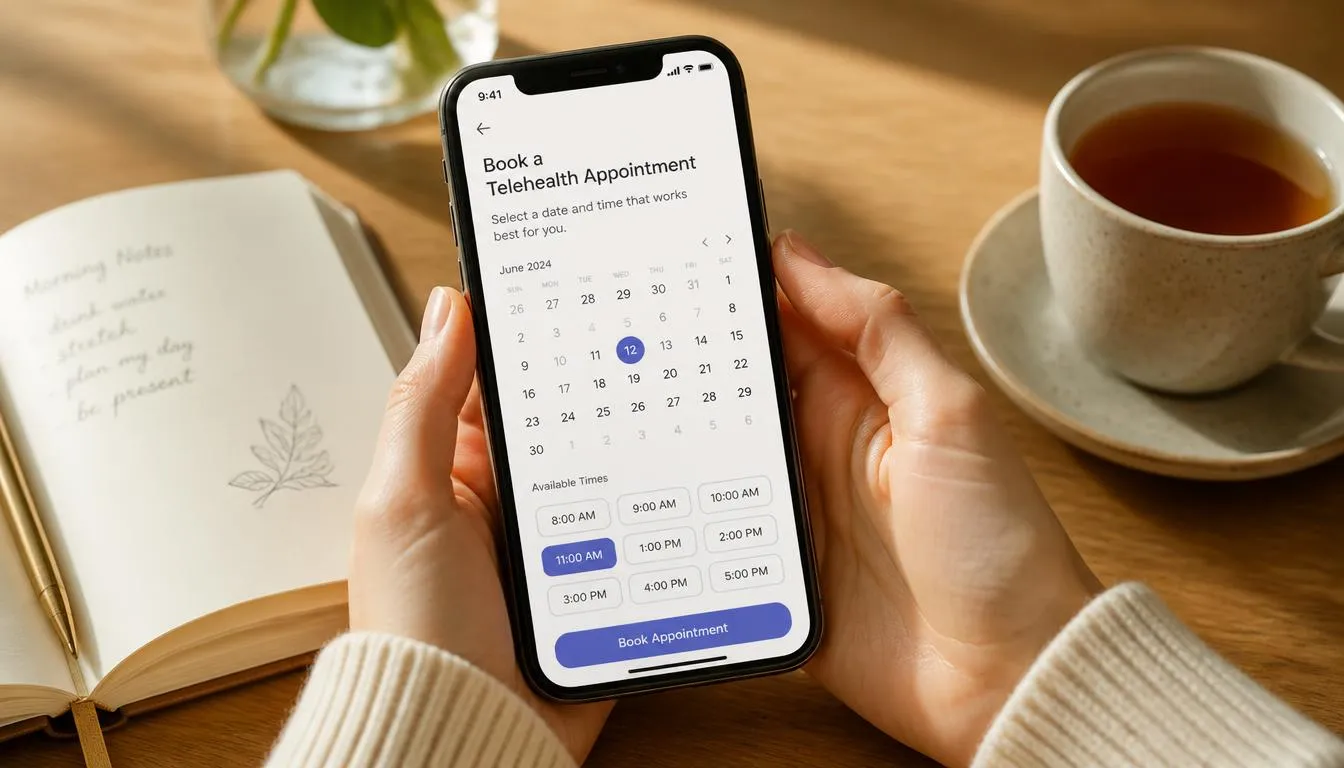
When you are ready to transition from research to action, you can book an online couples and relationship counselling session directly and match with a licensed clinician.
Frequently Asked Questions
Does online couples counseling really work?
Yes. Clinical studies confirm that virtual relationship therapy produces outcomes comparable to in-person care for communication issues, infidelity recovery, and life-transition stress, provided partners have a private environment and stable internet connection.
How long does it take to see results in couples therapy?
Many couples notice positive shifts in communication habits within 4 to 8 sessions. Complex issues, such as rebuilding trust after betrayal trauma, typically require 6 to 12 months of consistent work.
Can a psychiatrist perform couples counseling?
While some psychiatrists conduct couples therapy, their primary clinical role is evaluating, diagnosing, and prescribing medication for individual psychiatric disorders. Most couples work with a dedicated couples therapist for relational therapy while consulting a psychiatrist separately for medical management.