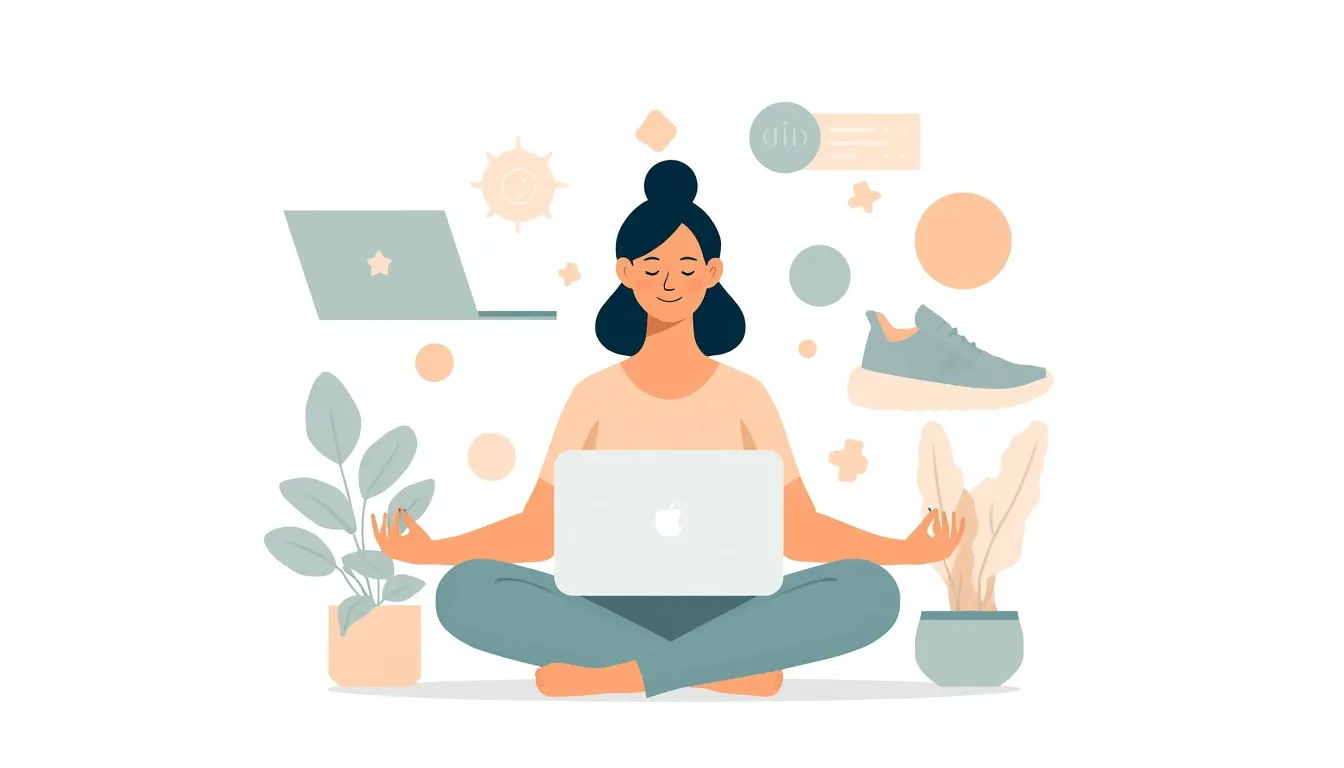
Quick Answer: How to Live a Balanced LifeLiving a balanced life means actively managing your stress-recovery cycle to prevent burnout and maintain physical, emotional, and occupational well-being. It requires setting firm psychological boundaries, protecting your sleep and nervous system, and intentionally integrating your work and personal life to maintain long-term homeostasis. |
Living a balanced life is the psychological and physiological ability to regulate stress, maintain homeostasis, and return to a baseline of calm after facing life’s daily demands. It does not mean dividing your hours equally among all your responsibilities. Instead, true balance is the active prevention of allostatic load, the cumulative wear and tear on your brain and body caused by chronic, unrecovered stress.
In 2026, large-scale workforce research shows that burnout symptoms affect the vast majority of employees worldwide. The introduction of always-on digital work cultures and the intense mental load of constant connectivity have fundamentally changed how our brains process rest. Understanding how to live a balanced life today requires moving beyond generic wellness advice and applying clinical, evidence-based strategies to protect your mental health.
What Does It Mean to Live a Balanced Life?
Living a balanced life means ensuring that your nervous system, interpersonal relationships, and daily responsibilities operate in a sustainable rhythm. Clinically, this requires adequate downtime for your HPA axis (hypothalamic-pituitary-adrenal axis) to halt cortisol release and reset. Balance breaks down not simply because life gets busy, but because the biological recovery process is interrupted.
It is also vital to distinguish between traditional work-life balance and modern work-life integration. While work-life balance suggests strict compartments for professional and personal time, work-life integration focuses on blending the two intentionally on your own terms. Neither approach is objectively superior; finding balance means identifying which boundary structure helps you maintain emotional stability.
Why Balance Matters More in 2026 Than Ever Before
The necessity of balance is not just a wellness trend; it is rooted in measurable physiological outcomes. Chronic, unrecovered stress keeps cortisol levels chronically elevated, which over time is linked to disrupted circadian rhythms, weakened immune function, impaired executive functioning, and higher long-term risks for metabolic disease.
Three primary forces have made achieving this equilibrium harder in the modern era:
- Attention Fragmentation: The average knowledge worker spends a significant share of their day in digital platforms, breaking focus into short bursts that prevent deep cognitive recovery.
- The Hybrid Blur: Remote and hybrid work arrangements have dissolved the physical boundaries that used to separate “work mode” from “home mode,” allowing professional demands to quietly bleed into evening rest.
- Generational Strain: Younger demographics, particularly Gen Z, report the lowest well-being scores in the workforce due to high financial strain, digital comparison, and early-career pressure.
Recognizing When Your Life Is Out of Balance
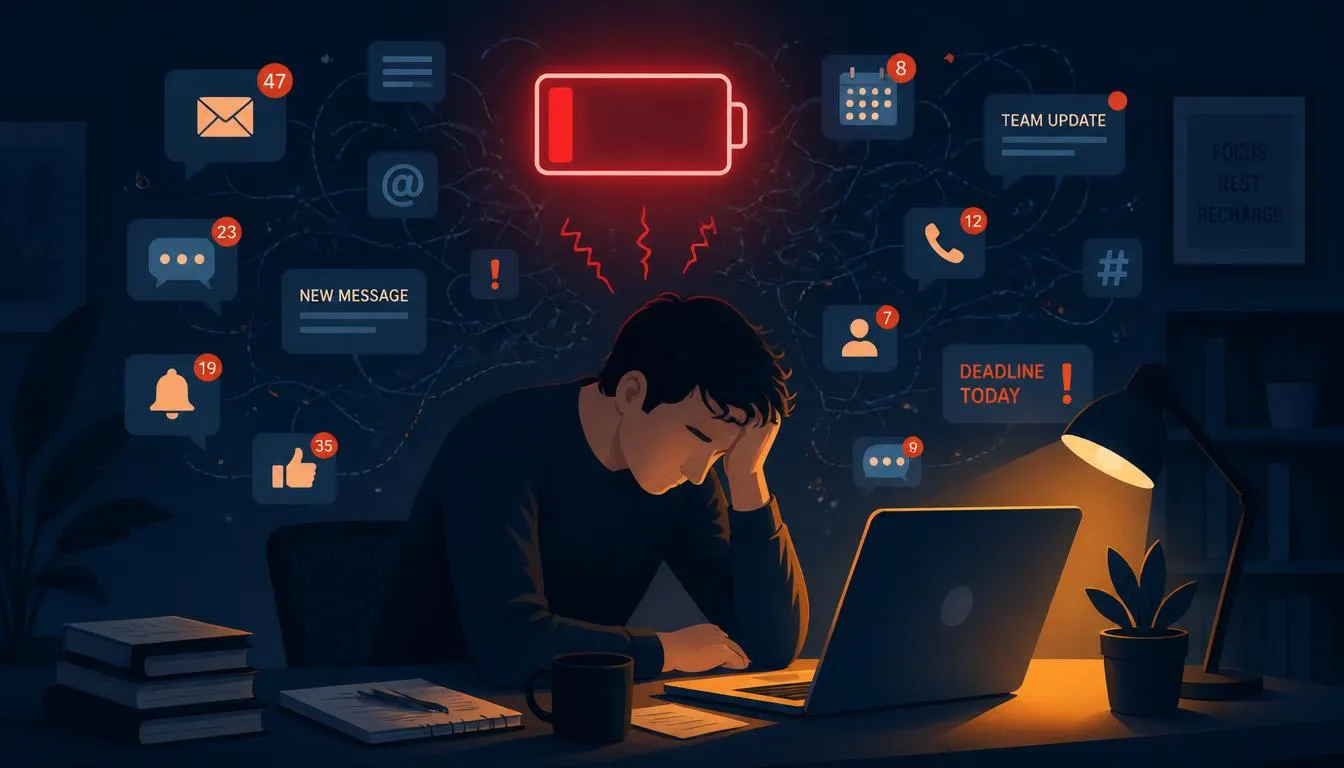
Imbalance rarely announces itself all at once; it accumulates through overlapping physical and psychological signals.
Physically, chronic imbalance often manifests as persistent fatigue that even a full night’s sleep fails to fix, tension headaches, or a “wired-but-tired” sensation at night. Cognitively, it looks like a severe drop in concentration, a persistent inability to quiet mental chatter, or analysis paralysis. Emotionally, individuals often experience a shortened temper over minor inconveniences or a flat, numb feeling where joy used to reside.
Behaviorally, the clearest sign of imbalance is withdrawal. Canceling plans, neglecting personal hygiene or hobbies, and relying heavily on screens or substances to self-soothe are all clinical indicators that your coping mechanisms are overloaded.
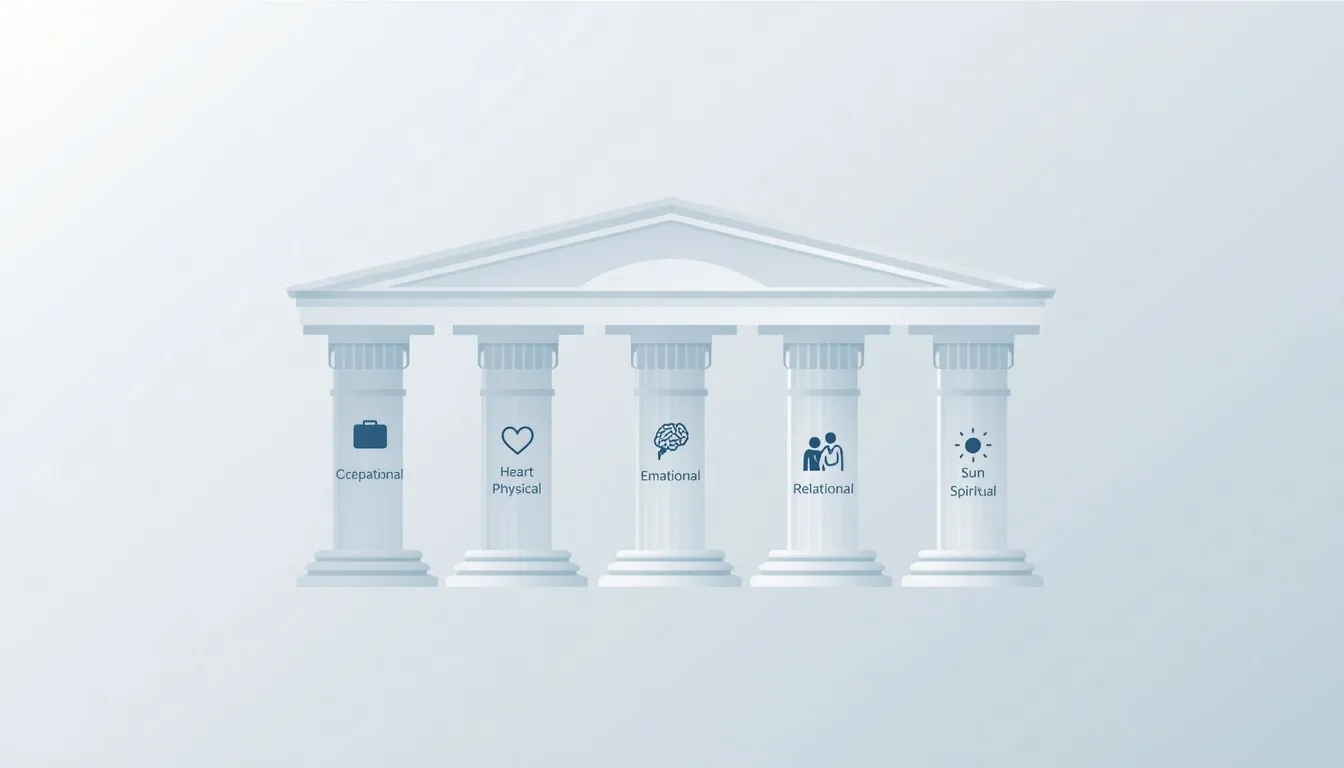
The Five Pillars of a Balanced Life
True balance requires the interaction of five interconnected domains. Neglecting one pillar eventually strains the others, which is why a sustainable plan must touch on all of them.
1. Occupational Balance (Work and Purpose)
Work provides structure, income, and a sense of purpose, but it becomes a toxic force when it absorbs time meant for rest or health. Occupational balance is about drawing a clear, uncompromising line where professional output ends and personal recovery begins.
2. Physical Balance (Body and Nervous System)
Sleep, movement, and proper nutrition form the physiological foundation of mental health. Without physical balance, emotional regulation collapses. Protecting this pillar means prioritizing consistent sleep hygiene and daily movement to stabilize physical energy rather than relying on adrenaline.
3. Emotional and Psychological Balance
This is the capacity to notice your emotional state, understand its origin, and respond deliberately instead of reacting on autopilot. Psychologically balanced individuals practice naming their emotions early and use processing tools, such as cognitive reframing or therapy, before those feelings compound into overwhelming distress.
4. Relational and Social Balance
Healthy relationships are a massive predictor of long-term mental health, but they require boundaries. Protecting this pillar means communicating needs directly and overcoming the psychology of people pleasing so you do not chronically overextend yourself just to keep the peace.
5. Existential or Spiritual Balance
This pillar covers whatever gives your life a sense of meaning beyond the daily grind, whether that is faith, community involvement, creative pursuits, or mindfulness. Neglecting this dimension often leaves people feeling materially successful yet internally empty.
Evidence-Based Strategies to Build a Balanced Life
Regulate Stress at the Nervous-System Level
Willpower alone cannot calm an activated stress response; the body requires physical signals indicating that a threat has passed. Engaging the parasympathetic nervous system through targeted vagus nerve regulation techniques can dramatically lower cortisol levels and restore a sense of physical safety. To maintain this equilibrium over the long term, you must actively learn how to handle stress through daily grounding practices rather than waiting for a crisis to intervene.
Manage Time by Energy, Not Just Hours
Traditional time-blocking assumes all hours are created equal, which ignores the reality of human energy fluctuation. A superior approach is matching your most demanding cognitive tasks to your natural high-energy windows, typically mid-morning for most, and reserving low-energy periods for routine administrative work.
Protect Sleep as a Non-Negotiable
Sleep is the single most critical lever in mental health; poor sleep amplifies anxiety and impairs the brain’s ability to process daily stress. Establishing a strict wind-down routine, as recommended by the American Psychological Association’s sleep guidelines, is mandatory for cognitive repair and emotional resilience.
Overcoming the Biggest Barriers to Balance
Burnout and Chronic Overwork
The World Health Organization officially classifies burnout as an occupational phenomenon resulting from chronic, unmanaged workplace stress. It is crucial to understand the difference between true burnout vs laziness. Laziness is a temporary lack of motivation, whereas burnout is a state of severe physiological exhaustion that requires systemic changes to your workload, not just a weekend off.
Technology and Digital Overload
Constant connectivity keeps the nervous system in a low-grade state of vigilance, preventing restorative rest. Countermeasures must include batching notifications, enforcing screen-free hours before bed, and checking messages in designated time blocks rather than reacting to alerts in real-time.
Perfectionism
Perfectionism often disguises itself as high standards, but psychologically, it is driven by a fear of failure. It forces individuals to chase an unattainable ideal of balance and punishes them for normal human fluctuations. Dropping perfectionism means measuring your success by long-term consistency rather than flawless daily execution.
Building Your Personal Balance Plan
A workable balance plan does not require overhauling your entire life overnight. Follow this clinical framework for sustainable change:
- Identify the Weakest Pillar: Determine which of the five pillars (occupational, physical, emotional, relational, existential) has been neglected the longest.
- Select One Concrete Habit: Focus on one repeatable action, such as a fixed log-off time or a ten-minute daily walk. A single sustained change outperforms five abandoned goals.
- Conduct a Weekly Review: Check in with yourself briefly at the end of the week to assess what felt sustainable and what needs adjustment.
- Expect to Rebalance: Life transitions, like a new job or a move, will always require recalibration. This is not a failure of balance; it is the natural texture of an adaptable life.
Frequently Asked Questions
What are the five pillars of a balanced life?
The five core pillars of a balanced life are occupational (work and purpose), physical (body and nervous system), emotional/psychological, relational/social, and existential/spiritual. Sustainable well-being requires tending to all five over time.
How do I start living a more balanced life if I feel completely overwhelmed?
Start with the single most neglected area of your life rather than attempting a total overhaul. Choose one small, highly repeatable habit, such as protecting your sleep schedule or setting a firm cutoff time for work emails, and build consistency there before adding new strategies.
What is the difference between burnout and ordinary tiredness?
Ordinary tiredness typically resolves with adequate sleep and a weekend of rest. Burnout is an occupational phenomenon characterized by chronic emotional exhaustion, cynicism, and reduced professional efficacy that persists even after time off, requiring structural changes to recover.
Is work-life balance still realistic with remote work and AI tools?
Yes, but it requires active, psychological boundary-setting rather than passive hope. Because remote environments and digital tools blur the line between professional and personal time, individuals must enforce explicit routines, such as notification limits and scheduled recovery blocks, to maintain their mental equilibrium.
Medical Disclaimer & E-E-A-T AttributionThis article is for educational purposes and does not replace personalized medical or psychological advice. If you are recovering from a brain injury, trauma, or a mental health condition, work with a licensed clinician to build a plan suited to your situation. Written by: Adil Farooq, Psychiatry Magazine Medically reviewed by: [Dr. Adil Farooq MS · PhD] · Updated: 2026 |