Process based therapy PBT is rapidly changing the way psychologists understand and treat mental health problems. Instead of focusing only on diagnostic labels like anxiety, depression, or PTSD, this modern therapy framework looks deeper into the emotional, cognitive, and behavioral processes that shape human suffering and healing.
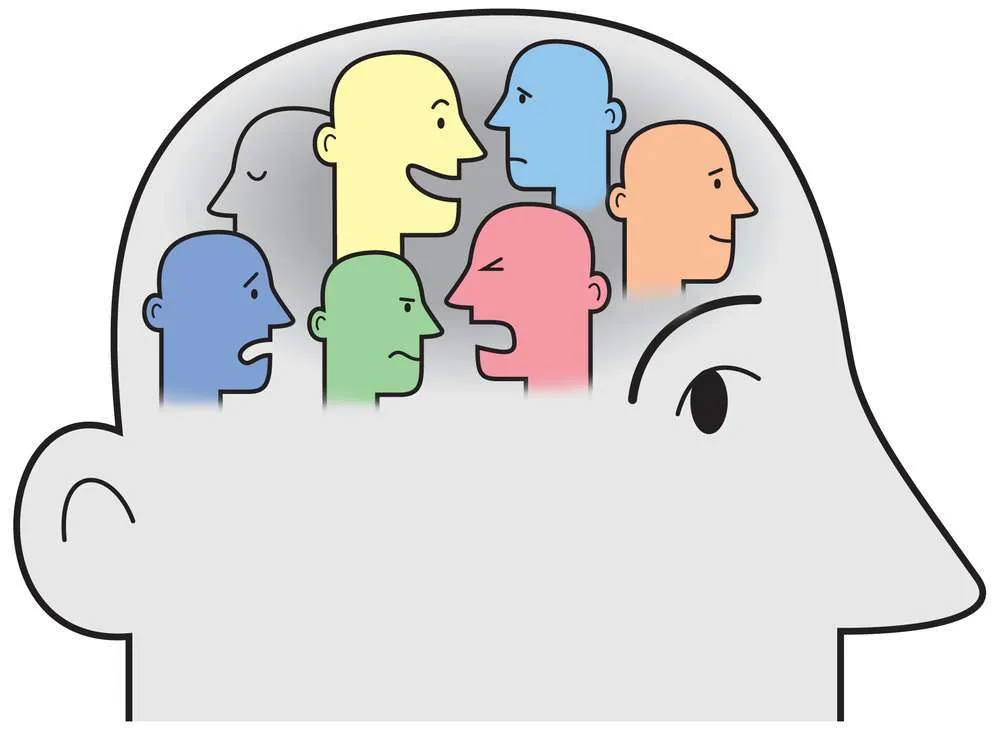
For decades, traditional psychotherapy models often relied on fixed treatment manuals designed for specific disorders. While those methods helped many people, mental health experts began noticing a major problem: human experiences are far more complex than diagnostic categories alone. Two people with the same diagnosis may struggle for completely different reasons, require different coping tools, and respond differently to therapy.
This is where Process Based Therapy (PBT) stands out.
Rather than treating a disorder label, Process Based Therapy focuses on identifying the exact psychological processes causing distress in an individual’s life. These processes may include emotional avoidance, negative thinking patterns, trauma responses, attention problems, behavioral habits, relationship difficulties, or lack of psychological flexibility.
Many psychologists now consider PBT one of the most promising developments in modern psychotherapy because it combines scientific evidence, personalization, and flexibility into a single treatment approach. It draws insights from neuroscience, behavioral psychology, mindfulness research, and evidence-based therapies to create tailored mental health interventions that fit the individual rather than forcing the individual into a rigid therapy model.
As mental health care evolves toward precision treatment and personalized care, Process Based Therapy PBT is becoming increasingly important for therapists, researchers, and people seeking lasting emotional change.
What Is Process Based Therapy PBT?
Process Based Therapy (PBT) is a modern psychotherapy framework that focuses on identifying and changing the core psychological processes contributing to emotional suffering and behavioral problems.
Instead of asking:
“What disorder does this person have?”
PBT asks:
“What processes are keeping this person stuck?”
This shift may sound simple, but it represents a major transformation in psychology.
Traditional therapies often separate mental health conditions into categories such as depression, anxiety disorders, obsessive-compulsive disorder, or trauma-related disorders. Process Based Therapy recognizes that many mental health conditions share overlapping emotional and cognitive patterns. For example:
- Rumination appears in both depression and anxiety
- Emotional avoidance exists across trauma and panic disorders
- Negative self-beliefs affect multiple psychological conditions
- Behavioral withdrawal worsens many forms of distress
PBT aims to target these underlying processes directly.
The framework was heavily influenced by contextual behavioral science and researchers such as Steven C. Hayes, known for developing Acceptance and Commitment Therapy (ACT). However, PBT is broader than any single therapy method. It integrates tools from many evidence-based approaches, including:
- Cognitive Behavioral Therapy (CBT)
- Acceptance and Commitment Therapy (ACT)
- Dialectical Behavior Therapy (DBT)
- Mindfulness-based therapies
- Behavioral activation
- Exposure therapy
- Compassion-focused interventions
The goal is not loyalty to one therapy school. The goal is helping the individual through scientifically supported change processes.
The Core Principles Behind Process Based Therapy PBT
Personalized Mental Health Treatment
One of the biggest strengths of Process Based Therapy PBT is personalization.
No two people experience mental health struggles in exactly the same way. PBT allows therapists to create customized treatment plans based on a person’s:
- Emotions
- Thinking patterns
- Behaviors
- Social environment
- Trauma history
- Stress responses
- Goals and values
This individualized approach often improves engagement and treatment effectiveness.
Focus on Psychological Processes
PBT focuses on the mechanisms driving distress rather than diagnostic labels alone.
Common target processes include:
- Emotional avoidance
- Cognitive rigidity
- Rumination
- Hypervigilance
- Impulsivity
- Self-criticism
- Social disconnection
- Fear conditioning
Changing these processes can improve multiple symptoms at once.
Evidence-Based Decision Making
Process Based Therapy relies heavily on scientific research.
Therapists use evidence from:
- Neuroscience
- Behavioral psychology
- Clinical trials
- Cognitive science
- Emotional regulation research
This helps ensure interventions are supported by modern psychological evidence rather than outdated assumptions.
Flexibility Instead of One-Size-Fits-All Therapy
Traditional therapies sometimes follow rigid treatment manuals.
PBT allows therapists to adapt interventions dynamically based on:
- Client progress
- Emotional needs
- Environmental factors
- Therapy response patterns
This flexibility makes treatment feel more natural and collaborative.
Understanding Human Behavior Through Context
Human behavior does not happen in isolation.
PBT examines:
- Relationships
- Childhood experiences
- Work stress
- Cultural influences
- Social pressures
- Life transitions
Context matters because emotional struggles are often connected to real-life environments and experiences.
How Process Based Therapy PBT Works in Real Life
Process Based Therapy begins with a deep assessment of the individual rather than simply assigning a diagnosis.
Therapists may evaluate:
- Emotional regulation patterns
- Thinking habits
- Trauma responses
- Behavioral avoidance
- Stress triggers
- Relationship dynamics
- Values and motivations
After identifying problematic processes, the therapist designs personalized interventions.
For example:
Example 1: Anxiety
A person with anxiety may struggle with:
- Catastrophic thinking
- Avoidance behaviors
- Hypervigilance
- Emotional suppression
Instead of only labeling the condition “generalized anxiety disorder,” PBT directly targets these maintaining processes.
Example 2: Depression
A person with depression may experience:
- Social withdrawal
- Hopeless thinking
- Low motivation
- Self-criticism
Therapy would focus on changing these patterns through behavioral activation, self-compassion work, and cognitive flexibility training.
Example 3: Trauma
A trauma survivor may struggle with:
- Emotional numbness
- Fear responses
- Dissociation
- Shame beliefs
PBT may integrate mindfulness, exposure therapy, nervous system regulation, and acceptance-based strategies.
The Psychology Behind Process Based Therapy PBT
Cognitive Processes
Thought patterns strongly influence emotions and behavior.
PBT targets:
- Rumination
- Catastrophizing
- Black-and-white thinking
- Self-judgment
Therapists help clients develop healthier cognitive flexibility.
Emotional Regulation
Many mental health struggles involve difficulty managing emotions.
PBT teaches skills for:
- Identifying emotions
- Tolerating discomfort
- Reducing emotional overwhelm
- Responding rather than reacting
Attention and Mindfulness
Mindfulness improves awareness of internal experiences without judgment.
This helps reduce:
- Automatic reactions
- Anxiety spirals
- Emotional avoidance
Behavioral Learning
Behavioral habits shape mental health over time.
PBT works to change:
- Avoidance patterns
- Safety behaviors
- Self-sabotage
- Withdrawal habits
Trauma Responses
Trauma can alter nervous system functioning.
PBT addresses:
- Fight-or-flight activation
- Emotional shutdown
- Hyperarousal
- Fear conditioning
Neuroplasticity
The brain can change through repeated experiences and behaviors.
PBT uses evidence-based interventions that support healthier neural pathways over time.
Psychological Flexibility
Psychological flexibility is considered one of the most important mental health skills.
It involves:
- Adapting to challenges
- Staying connected to values
- Managing emotions effectively
- Responding consciously rather than automatically
Why Process Based Therapy PBT Is Different From Traditional Therapy
| Therapy Type | Main Focus | Personalization | Flexibility | Treatment Style |
|---|---|---|---|---|
| CBT | Changing thoughts | Moderate | Structured | Manual-based |
| DBT | Emotional regulation | Moderate | Semi-flexible | Skills-focused |
| ACT | Acceptance and values | High | Flexible | Mindfulness-based |
| Psychoanalysis | Unconscious conflicts | Moderate | Open-ended | Insight-oriented |
| Process Based Therapy PBT | Core change processes | Very High | Highly flexible | Personalized and evidence-based |
Process Based Therapy is unique because it combines:
- Scientific adaptability
- Personalized treatment
- Cross-therapy integration
- Modern behavioral science
The Main Techniques Used in Process Based Therapy PBT
Mindfulness Training
Mindfulness teaches individuals to observe thoughts and emotions without becoming overwhelmed by them.
Benefits include:
- Reduced anxiety
- Better emotional regulation
- Improved focus
- Greater self-awareness
Cognitive Defusion
This technique helps people separate themselves from their thoughts.
Instead of believing:
“I am a failure”
Clients learn to notice:
“I am having the thought that I am a failure.”
This creates psychological distance from negative thinking.
Exposure Techniques
Avoidance strengthens fear.
Gradual exposure helps reduce:
- Anxiety
- Panic
- Trauma reactions
- OCD behaviors
Emotional Regulation Skills
Clients learn how to:
- Identify emotional triggers
- Calm the nervous system
- Reduce impulsive reactions
- Build resilience
Acceptance Strategies
PBT teaches acceptance of uncomfortable emotions rather than constant emotional control.
This reduces emotional struggle and avoidance.
Behavioral Activation
Behavioral activation encourages meaningful action even when motivation feels low.
Small positive behaviors can gradually improve mood and confidence.
Self-Compassion Methods
Self-criticism worsens many mental health conditions.
PBT often incorporates:
- Self-kindness
- Emotional validation
- Compassion-focused exercises
Values-Based Action
Clients identify deeply meaningful values and align behavior with those values.
This creates greater purpose and motivation.
Conditions That Process Based Therapy PBT May Help Treat
Research suggests Process Based Therapy may help with:
- Anxiety disorders
- Depression
- PTSD and trauma
- OCD
- Chronic stress
- Burnout
- Emotional dysregulation
- Addiction
- Relationship problems
- Personality disorders
- Chronic pain
- Health anxiety
- Social anxiety
- Panic disorder
Because PBT targets underlying processes, it may improve multiple symptoms simultaneously.
Benefits of Process Based Therapy PBT
Highly Personalized Treatment
Therapy is tailored specifically to the individual rather than only the diagnosis.
Flexible and Adaptable
Therapists can adjust treatment strategies as needs change.
Scientifically Grounded
PBT integrates evidence from multiple areas of psychological research.
Addresses Root Processes
Instead of symptom suppression alone, PBT targets mechanisms maintaining distress.
Better Long-Term Outcomes
By improving core emotional skills, people may experience more lasting psychological growth.
Holistic Understanding of Mental Health
PBT recognizes the interaction between:
- Biology
- Emotions
- Thoughts
- Relationships
- Environment
Encourages Emotional Growth
Clients often develop:
- Resilience
- Self-awareness
- Emotional intelligence
- Psychological flexibility
Possible Limitations and Criticisms of Process Based Therapy PBT
While promising, PBT also has limitations.
It Is a Newer Framework
Some clinicians argue more long-term research is still needed.
Requires Highly Skilled Therapists
PBT demands strong assessment abilities and clinical flexibility.
Complex Assessments
Understanding multiple psychological processes can be time-consuming.
Limited Public Awareness
Many people are still unfamiliar with Process Based Therapy.
Ongoing Scientific Debate
Researchers continue refining:
- Process measurement
- Intervention precision
- Outcome tracking
What Happens During a Process Based Therapy Session?
A Process Based Therapy session may include:
Initial Consultation
The therapist explores:
- Symptoms
- Life history
- Emotional struggles
- Goals
Goal Setting
Clients identify:
- Desired emotional changes
- Relationship goals
- Behavioral improvements
Identifying Target Processes
Therapists analyze:
- Thought patterns
- Avoidance behaviors
- Emotional responses
Intervention Planning
Specific techniques are selected based on individual needs.
Progress Tracking
Therapists monitor:
- Emotional improvements
- Behavioral changes
- Psychological flexibility
Real-Life Application
Clients practice new coping skills in everyday situations.
Is Process Based Therapy PBT Evidence Based?
Yes, Process Based Therapy is strongly connected to evidence-based psychology.
PBT itself is a framework rather than a single therapy protocol. It combines scientifically supported interventions from multiple therapies while focusing on measurable change processes.
Research areas supporting PBT include:
- Cognitive behavioral science
- Mindfulness research
- Emotional regulation studies
- Neuroscience
- Behavioral learning theory
- Acceptance-based interventions
Many experts believe PBT represents the future direction of psychotherapy because it aligns more closely with modern scientific understanding of human behavior.
Process Based Therapy PBT vs Cognitive Behavioral Therapy CBT
Similarities
Both approaches:
- Use evidence-based techniques
- Focus on behavior and thinking
- Aim to improve emotional functioning
Differences
CBT
- Often diagnosis-focused
- Uses structured protocols
- Targets distorted thinking directly
PBT
- Focuses on underlying processes
- Highly personalized
- Integrates multiple therapy approaches
Which Is More Flexible?
PBT is generally more flexible because therapists can combine different interventions based on individual needs.
Which Patients May Benefit More?
PBT may help individuals who:
- Have complex mental health issues
- Did not respond fully to standard CBT
- Need highly personalized care
Who Can Benefit Most From Process Based Therapy PBT?
PBT may be especially helpful for:
Adults With Chronic Stress
People facing burnout or emotional overload often benefit from personalized interventions.
Trauma Survivors
PBT addresses nervous system responses and emotional processing.
Individuals With Multiple Diagnoses
Because it targets shared processes, PBT may work well for overlapping symptoms.
People Who Felt Stuck in Previous Therapy
Some individuals need more flexible treatment approaches.
Highly Sensitive Individuals
PBT often emphasizes emotional awareness and self-compassion.
Teenagers and Young Adults
Younger populations may benefit from adaptive and modern therapy methods.
The Future of Psychology and Process Based Therapy PBT
Many psychologists believe mental health treatment is moving toward precision psychotherapy.
Future trends may include:
- AI-assisted therapy personalization
- Digital mental health platforms
- Neuroscience-informed interventions
- Real-time emotional tracking
- Virtual therapy tools
- Advanced behavioral analytics
Process Based Therapy fits naturally into this future because it prioritizes individualized treatment and scientific adaptability.
Expert Insights on Process Based Therapy PBT
Mental health researchers increasingly recognize that rigid diagnostic systems may not fully explain human suffering.
Experts in contextual behavioral science argue that:
- Psychological processes are more important than labels
- Emotional flexibility predicts mental health outcomes
- Personalized treatment improves effectiveness
- Integrative therapy models may produce stronger results
Many clinicians also appreciate PBT because it allows them to adapt therapy to the person rather than forcing the person into a predefined system.
Practical Self-Help Strategies Inspired by Process Based Therapy PBT
Practice Daily Mindfulness
Spend 5–10 minutes observing thoughts and emotions without judgment.
Use Emotional Awareness Journaling
Write about:
- Emotional triggers
- Reactions
- Behavioral patterns
Try Cognitive Distancing
Notice thoughts without automatically believing them.
Build Behavioral Activation Routines
Schedule:
- Exercise
- Social activities
- Meaningful hobbies
Learn Nervous System Regulation
Use:
- Deep breathing
- Grounding exercises
- Progressive muscle relaxation
Clarify Personal Values
Identify what matters most in life and take small actions aligned with those values.
Frequently Asked Questions About Process Based Therapy PBT
What is process based therapy PBT?
Process Based Therapy PBT is a personalized psychotherapy framework that targets the psychological processes causing emotional distress.
Is Process Based Therapy evidence based?
Yes. PBT integrates evidence-based techniques supported by behavioral science and psychological research.
How is PBT different from CBT?
CBT often focuses on diagnoses and structured protocols, while PBT focuses on individualized change processes.
Can PBT help anxiety?
Yes. PBT commonly targets anxiety-related processes such as avoidance, fear conditioning, and catastrophic thinking.
Is PBT good for trauma?
Many therapists use PBT principles to address trauma responses, emotional regulation, and nervous system activation.
How long does Process Based Therapy take?
Treatment length varies depending on goals, symptoms, and personal progress.
Is PBT personalized?
Yes. Personalization is one of the core strengths of Process Based Therapy.
Can PBT be combined with medication?
Yes. Therapists may integrate PBT alongside psychiatric treatment when appropriate.
What techniques are used in PBT?
Common techniques include mindfulness, cognitive defusion, exposure therapy, behavioral activation, and self-compassion exercises.
Is Process Based Therapy the future of psychology?
Many experts believe PBT represents an important future direction for personalized mental health care.
Conclusion
Process based therapy PBT represents a major shift in modern psychology. Instead of limiting mental health treatment to diagnostic labels alone, it focuses on the deeper emotional, cognitive, and behavioral processes that shape human suffering and healing.
Its personalized and scientifically grounded approach allows therapists to adapt treatment to the unique needs of each individual. By integrating evidence-based techniques from multiple therapy traditions, PBT offers flexibility, precision, and a more holistic understanding of mental health.
As psychology continues evolving toward personalized care and neuroscience-informed treatment, Process Based Therapy may become one of the most influential frameworks in the future of psychotherapy.
For individuals seeking a modern, flexible, and deeply human-centered approach to emotional healing, Process Based Therapy PBT offers a promising path toward resilience, self-awareness, and lasting psychological growth.