Brain rot is becoming one of the most talked-about modern mental health concerns—and for good reason. If you’ve ever spent hours scrolling on platforms like TikTok or Instagram and felt mentally drained, unfocused, or “foggy,” you may already be experiencing it.
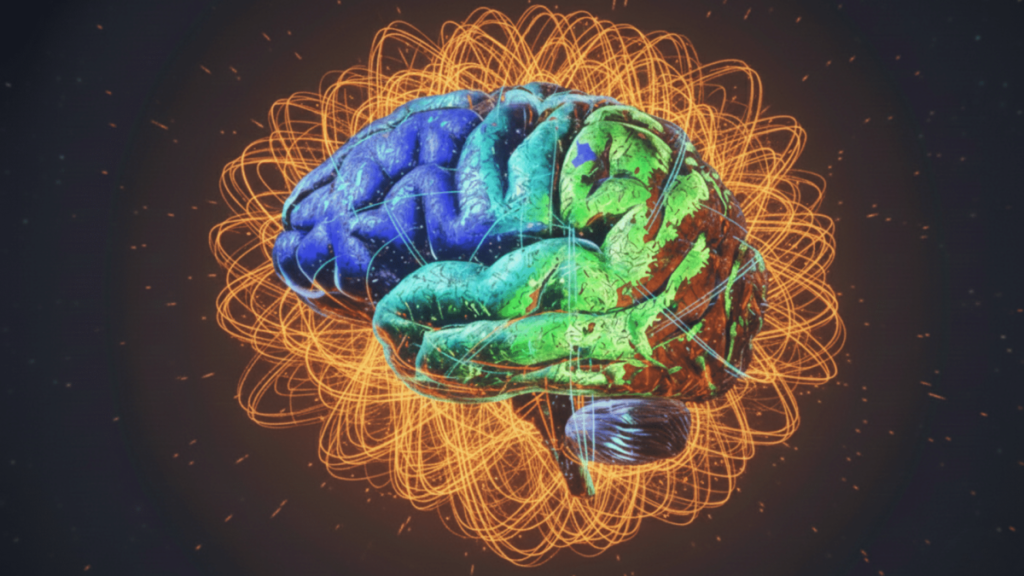
This condition, often linked to digital overstimulation, happens when your brain is constantly bombarded with fast-paced, high-reward content. Over time, this can affect your focus, memory, mood, and overall mental clarity.
In this guide, you’ll learn what brain rot really is, its symptoms, causes, and most importantly—how to fix it.
What Is Brain Rot?
Brain rot refers to a state of mental fatigue and reduced cognitive function caused by excessive consumption of low-effort, high-stimulation digital content.
In Simple Terms:
Your brain becomes:
- Overstimulated
- Addicted to quick dopamine hits
- Less capable of deep thinking
This is closely linked to the concept of Dopamine imbalance, where constant stimulation rewires your brain’s reward system.
What Causes Brain Rot?
1. Social Media Overuse
Endless scrolling on apps like TikTok and Instagram floods your brain with rapid content.
2. Dopamine Overload
Each like, video, or notification triggers a dopamine release.
👉 Over time:
- Your brain craves more stimulation
- Normal activities feel boring
3. Short-Form Content Consumption
Quick videos reduce your ability to focus on longer tasks.
4. Multitasking & Information Overload
Switching between apps, messages, and content overwhelms your brain.
Brain Rot Symptoms
Recognizing symptoms early is key.
Mental Symptoms
- Brain fog from phone use
- Poor concentration
- Short attention span symptoms
- Forgetfulness
Emotional Symptoms
- Lack of motivation
- Irritability
- Feeling mentally drained
Behavioral Symptoms
- Compulsive scrolling
- Difficulty staying offline
- Avoiding deep work
Digital Overstimulation Symptoms
This is where brain rot becomes more noticeable.
Common Signs
- Constant need for stimulation
- Restlessness when not using your phone
- Difficulty enjoying slow activities
- Trouble focusing on reading or studying
Effects of Brain Rot on the Brain
1. Reduced Attention Span
Your brain adapts to quick content and struggles with long focus.
2. Dopamine Imbalance
Too much stimulation lowers your natural reward sensitivity.
3. Memory Problems
Overconsumption reduces information retention.
4. Mental Fatigue
Your brain becomes constantly tired despite low physical effort.
Brain Rot vs ADHD vs Burnout
| Feature | Brain Rot | ADHD | Burnout |
|---|---|---|---|
| Cause | Digital overstimulation | Neurological | Chronic stress |
| Focus | Reduced due to screens | Naturally impaired | Reduced due to exhaustion |
| Reversibility | High | Managed, not cured | Recoverable |
Signs You Have Brain Rot
You might have brain rot if:
- You check your phone constantly
- You can’t watch long videos or read
- You feel bored quickly
- You struggle to focus on work or الدراسة
👉 These are classic digital addiction symptoms.
Brain Rot in Students & Adults
In Students
- Reduced study focus
- Poor memory retention
- Lower academic performance
In Adults
- Decreased productivity
- Work distraction
- Mental exhaustion
Can Brain Rot Be Reversed?
👉 Yes—brain rot is reversible.
Your brain has neuroplasticity, meaning it can rewire itself with the right habits.
How to Fix Brain Rot (Most Important Section)
1. Dopamine Detox
Reduce high-stimulation activities.
- Limit social media
- Avoid constant notifications
- Take breaks from screens
2. Digital Detox Tips
- Set screen time limits
- Use apps only at specific times
- Keep phone away during work
3. Rebuild Focus Gradually
- Start with 10–20 minutes of deep work
- Increase over time
4. Replace Scrolling Habits
Instead of scrolling:
- Read books
- Exercise
- Learn new skills
5. Improve Sleep
Late-night scrolling worsens brain rot.
6. Mindfulness & Mental Reset
- Meditation
- Deep breathing
- Spending time offline
Daily Routine to Reset Your Brain
Morning
- No phone for first 30–60 minutes
- Exercise or sunlight exposure
Daytime
- Focus blocks (deep work sessions)
- Limited social media use
Evening
- Reduce screen exposure
- Relax without digital stimulation
When to Seek Help
Consider professional help if:
- You cannot control screen usage
- Focus is severely impaired
- You feel constant mental exhaustion
Conclusion
Brain rot is a modern problem—but also a solvable one.
With constant exposure to fast, stimulating content, your brain adapts in ways that reduce focus, motivation, and clarity. However, by understanding digital overstimulation symptoms and taking intentional steps like a dopamine detox, you can fully recover.
👉 Small changes today can restore your focus, energy, and mental sharpness.