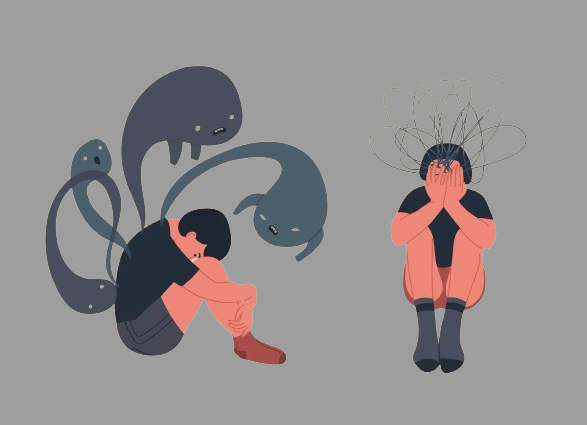
Many people struggle with persistent anxiety, unexplained physical symptoms, emotional overwhelm, or chronic exhaustion, even when medical tests come back normal. They may be told they are “just stressed,” “overthinking,” or “burned out.”
In reality, what they are experiencing is often nervous system dysregulation.
Nervous system dysregulation happens when the body becomes stuck in survival mode and loses its ability to return to a state of calm, safety, and balance. This condition affects both mental and physical health, influencing how we feel, think, behave, and even how our immune and digestive systems function.
What Is Nervous System Dysregulation?
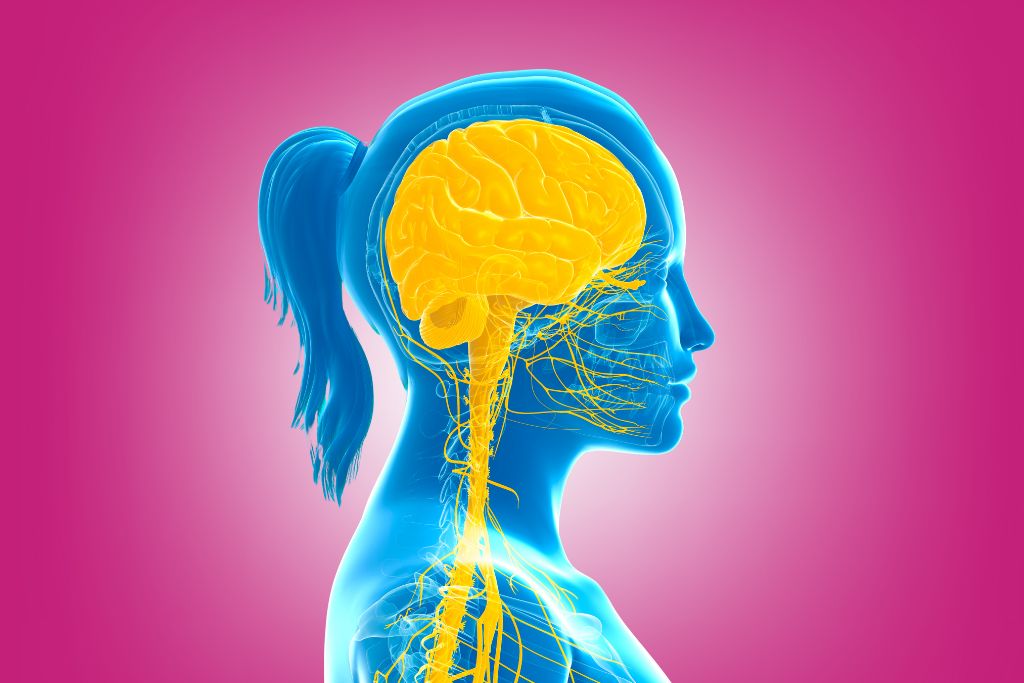
The nervous system is your body’s command center for safety and survival. It constantly scans your environment—both internal and external—for signs of danger or comfort.
The autonomic nervous system (ANS) has two primary branches:
- Sympathetic nervous system – activates fight or flight
- Parasympathetic nervous system – supports rest, digestion, and recovery
In a healthy nervous system, these two states move fluidly. You become alert when needed and relax when the threat passes.
Nervous system dysregulation occurs when this balance is lost.
Instead of returning to calm, the nervous system remains chronically activated or shut down, even when no real danger is present.
Simple Definition
Nervous system dysregulation is a condition where the body stays stuck in survival mode, making it difficult to relax, feel safe, or recover from stress.
Nervous System Dysregulation Symptoms
Symptoms can vary widely, which is why dysregulation is often misunderstood or misdiagnosed. It affects the mind, body, emotions, and behavior.
Emotional Symptoms
- Chronic anxiety or panic without a clear trigger
- Emotional numbness or shutdown
- Irritability or mood swings
- Feeling overwhelmed by small stressors
- Difficulty feeling joy or pleasure
Physical Symptoms
- Fatigue that doesn’t improve with rest
- Muscle tension, jaw clenching, or chronic pain
- Digestive issues (bloating, IBS-like symptoms)
- Headaches or migraines
- Heart palpitations or chest tightness
- Dizziness or lightheadedness
Cognitive Symptoms
- Brain fog or difficulty concentrating
- Racing thoughts
- Memory issues
- Hypervigilance (constantly scanning for danger)
Behavioral Symptoms
- Avoidance of people or situations
- Restlessness or inability to relax
- Perfectionism or overworking
- Emotional outbursts or shutdowns
Key Insight
These symptoms are not signs of weakness. They are signs of a nervous system trying to protect you.
What Happens When Your Nervous System Is Overloaded?
When stress becomes chronic, the nervous system enters survival mode.
The Four Survival Responses
- Fight – anger, control, defensiveness
- Flight – anxiety, restlessness, avoidance
- Freeze – numbness, dissociation, shutdown
- Fawn – people-pleasing, loss of boundaries
In overload, the nervous system loses flexibility. It cannot easily switch back to rest and repair.
Effects of Chronic Overload
- Poor sleep quality
- Hormonal imbalances
- Weakened immune system
- Chronic inflammation
- Emotional burnout
Featured Snippet Answer
When the nervous system is overloaded, the body remains in survival mode, leading to anxiety, exhaustion, emotional reactivity, and physical illness over time.
Can a Dysregulated Nervous System Make You Sick?
Yes—absolutely.
The nervous system directly influences immune function, digestion, inflammation, and hormone regulation.
When dysregulation persists:
- Stress hormones remain elevated
- The immune system becomes suppressed or overactive
- Inflammation increases
- The gut-brain connection becomes disrupted
This can lead to psychosomatic symptoms, meaning real physical symptoms caused or worsened by nervous system stress.
Common Illness-Like Symptoms
- Frequent colds or infections
- Chronic pain without injury
- Digestive disorders
- Fatigue syndromes
- Sensitivity to light, sound, or touch
Important Clarification
This does not mean symptoms are “imaginary.”
They are real bodily responses driven by nervous system imbalance.
Trauma and Nervous System Dysregulation
Trauma is one of the most common causes of chronic dysregulation.
Trauma doesn’t have to be dramatic or violent. It includes:
- Emotional neglect
- Chronic stress
- Childhood instability
- Medical trauma
- Repeated experiences of feeling unsafe
When trauma occurs, the nervous system learns that the world is dangerous—and stays on high alert.
Why Symptoms Appear “Out of Nowhere”
Trauma is stored in the body, not just the mind.
Even when life seems calm, the nervous system may still react as if danger is present.
How to Repair a Dysregulated Nervous System
Healing does not mean “forcing calm.”
It means creating safety, slowly and consistently.
1. Regulate Through the Body First
The nervous system responds best to bottom-up approaches.
Helpful practices include:
- Slow breathing (longer exhales)
- Gentle movement (walking, stretching)
- Grounding exercises
- Temperature regulation (warm showers, cool water on face)
2. Create Predictability and Safety
- Consistent sleep routines
- Regular meals
- Reduced overstimulation
- Healthy boundaries
Safety teaches the nervous system it can relax.
3. Use Therapy That Supports the Nervous System
Effective approaches include:
- Trauma-informed therapy
- Somatic therapy
- EMDR
- Polyvagal-informed therapy
- CBT combined with body-based work
Featured Snippet Answer
Repairing a dysregulated nervous system involves creating safety through body-based regulation, consistent routines, and trauma-informed therapy rather than forcing relaxation.
What Is Dysregulation of the Nervous System in Children?
Children’s nervous systems are still developing, making them especially sensitive to stress.
Signs in Children
- Frequent meltdowns
- Difficulty calming down
- Sleep problems
- Aggression or withdrawal
- Sensory sensitivities
These behaviors are often misinterpreted as discipline issues, when they are actually nervous system responses.
How Caregivers Can Help
- Stay calm and regulated yourself
- Offer co-regulation (soothing presence)
- Reduce shame and punishment
- Create routines and predictability
Children learn regulation through connection, not control.
How Long Does Nervous System Dysregulation Last?
There is no fixed timeline.
Factors That Influence Healing
- Length of stress or trauma exposure
- Current safety and support
- Consistency of regulation practices
- Access to trauma-informed care
Some people notice improvement in weeks; for others, healing unfolds over months or years.
Encouraging Truth
The nervous system is designed to heal when given safety and support.
When to Seek Professional Help
Seek professional support if:
- Symptoms interfere with daily life
- Physical symptoms persist despite medical care
- Anxiety or shutdown feels uncontrollable
- Trauma history is present
A trained therapist can help guide regulation safely and effectively.
Key Takeaways
- Nervous system dysregulation affects both mental and physical health
- Symptoms are adaptive responses, not personal failures
- Chronic overload can lead to illness and burnout
- Healing focuses on safety, consistency, and body-based regulation
- Supportive therapy can significantly accelerate recovery
Final Thoughts
Nervous system dysregulation explains why so many people feel “off,” exhausted, anxious, or unwell despite doing everything “right.”
Your body is not broken—it is communicating.
With understanding, patience, and the right support, the nervous system can relearn safety, balance, and resilience.