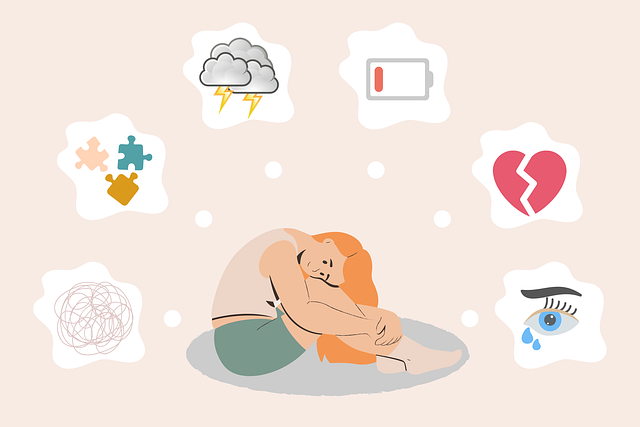
Quick Answer (AEO Summary) To control an anger outburst instantly, pause for the 90 seconds it takes your body’s stress chemicals to clear, breathe slowly using a 4-4-6 pattern, and physically step away from the trigger. This gives your prefrontal cortex time to come back online before you speak or act, allowing you to regulate rather than suppress the emotion.
Learning how to control anger outbursts instantly is something many people quietly struggle with, especially when raw emotion rises faster than logic can keep up. One moment you are perfectly calm, and the next, you are saying or doing something you will deeply regret within seconds. Left unaddressed, this volatile cycle wears down relationships, chips away at your mental health, and leaves you feeling like a passenger to your own emotional reactions.
Anger itself is not the problem. It is a normal, evolutionary, and even useful psychological signal. What actually causes harm is losing control during the intense physiological spike that accompanies that anger. The cognitive and somatic techniques outlined in this guide are grounded in how your nervous system actually operates, allowing you to interrupt an outburst in real time and, with consistent practice, prevent them from taking over completely.
What Are Anger Outbursts?
Anger outbursts are sudden, intense surges of emotion that override your normal ability to pause, think, and choose a measured response. They typically involve a rapid rise in physiological arousal characterized by a raised voice, clenched muscles, and a pounding heart paired with an overwhelming urge toward impulsive action. While occasional flashes of anger are a normal human response to frustration, frequent outbursts that feel entirely disproportionate to the trigger can reflect a persistent pattern of emotional dysregulation.
In clinical practice, mental health professionals frequently see patients whose anger is dismissed by peers as a mere character flaw, when in reality, they are suffering from severe nervous system dysregulation. The DSM-5-TR (Diagnostic and Statistical Manual of Mental Disorders) groups the most severe, recurring version of this pattern under Intermittent Explosive Disorder (IED). Meta-analytic research estimates that this diagnosis affects between 4% and 7% of adults over a lifetime. While most people searching for instant anger control do not meet that strict clinical threshold, understanding where normal frustration ends and a dysregulated stress response begins is a vital first step in managing it.

Why Do Anger Outbursts Happen?
To truly master how to control anger outbursts instantly, you must look beneath the surface at what drives them. Outbursts rarely happen in a vacuum; they are usually the final spark in a heavily primed nervous system. Often, this begins with emotional overload. When stress, disappointment, or sadness accumulates without a healthy outlet, your nervous system can easily tip into emotional flooding a state where your body’s stress response outpaces your ability to think clearly, making anger the fastest and most familiar release valve.
Unresolved trauma also plays a massive role in calibrating how sensitive your nervous system is to new stress. If your brain has previously logged a specific situation as highly dangerous, it may respond to a much smaller, entirely unrelated trigger with the exact same intensity it once reserved for genuine threats. This hypersensitivity is frequently compounded by a lack of emotional awareness. Many individuals never learn to notice the quiet, early somatic signals of rising anger, such as a tightening jaw, shallow breathing, or a flush of heat through the chest. Consequently, the emotion only consciously registers once it has already escalated into a full, uncontrollable outburst.
Furthermore, a nervous system already stretched thin by chronic anxiety has significantly less tolerance for everyday frustration, causing minor inconveniences to produce outsized reactions. This is especially true in situations where you feel unheard, disrespected, or powerless. At its core, an anger outburst is often the body’s desperate, subconscious attempt to reclaim a sense of control and safety in a chaotic environment.
The Brain Science Behind an Anger Outburst
[Designer Note: Insert a high-quality, branded infographic here illustrating the “Amygdala vs. Prefrontal Cortex” during an anger spike. Original visual entities are a heavy ranking factor for 2026 Semantic SEO.]
When a situation registers as a threat, your brain’s alarm system the amygdala signals the immediate release of stress chemicals, primarily adrenaline and cortisol. This intense biological chemical dump activates your fight-or-flight response and temporarily dials down activity in the prefrontal cortex, which is the region of your brain responsible for reasoning, impulse control, and weighing long-term consequences. This biological override is exactly why logic seems to vanish the moment anger spikes: for a few critical seconds, the part of your brain built for primal survival completely outvotes the part built to make rational decisions.
Understanding the neurobiology of this response introduces a concept known as the 90-Second Rule. Research on emotional regulation reveals that the acute chemical surge behind a strong reaction typically clears your bloodstream within about 90 seconds, provided you do not actively feed it with more threatening, ruminating thoughts. Many individuals report that simply waiting out this minute-and-a-half chemical wave is the hardest, yet most effective, step in their anger management journey. Learning how to calm the amygdala before it fully hijacks your decision-making is the ultimate key to sustainable emotional regulation.
How to Control Anger Outbursts Instantly: 7 Techniques
These somatic and cognitive techniques are specifically designed to be used in the moment while the anger is actively rising, not after it has already taken over your system.
- The 90-Second Pause Rather than relying on a vague, outdated “count to ten” rule, give the outburst the full biological window that neuroscience associates with a stress-chemical surge: 90 seconds. Before you speak, move, or type a reactionary text message, deliberately hold still. This intentional pause interrupts the automatic psychological reaction loop and buys your brain the necessary time it needs to shift out of pure fight-or-flight mode.
- The 4-4-6 Breathing Reset Standard deep breathing is helpful, but targeted breathwork is significantly faster at altering your physiology. Begin by inhaling slowly through your nose for four seconds, holding that breath in your lungs for four seconds, and then extending your exhale smoothly through your mouth for six seconds. A longer exhale actively stimulates the vagus nerve, forcing your body to shift toward its parasympathetic “rest and digest” state. Lowering your heart rate makes continued emotional escalation biologically difficult to sustain.
- The 5-4-3-2-1 Grounding Technique When rage narrows your focus and traps you in your own head, force your cognitive brain to re-engage by actively observing your physical environment. Rapidly identify five things you can clearly see around you, four things you can physically touch, three things you can hear, two things you can smell, and one thing you can taste. Naming these sensory details pulls your prefrontal cortex back into an active, observant role, effectively breaking the internal loop of anger.
- Strategic Disengagement (Create Physical Distance) If you can safely step away from the person or situation that triggered you, immediately do so. Creating physical distance reduces the proximity of the emotional threat and completely removes the opportunity for an impulsive reaction you cannot take back. Even spending sixty seconds in another room completely alters the trajectory of the confrontation.
- The Mammalian Dive Reflex (Cold Water Reset) Splashing freezing cold water directly on your face, or briefly pressing an ice cube against your wrist, triggers the body’s natural mammalian dive reflex. This physiological response causes a rapid, automatic slowing of the heart rate, instantly pulling your nervous system out of high alert. It is widely considered one of the fastest physical resets available for under-a-minute anxiety and anger relief.
- Change Your Inner Dialogue The story you tell yourself in the exact moment of a trigger dictates how intense the anger will feel. Swapping an absolute, catastrophic thought such as telling yourself that a situation is unbearable or intentionally malicious for a grounded thought removes the cognitive fuel that keeps the chemical fire burning. Reminding yourself that you are frustrated, but fully capable of handling the moment calmly, halts the escalation.
- Controlled Physical Release Because anger is physiologically stored energy, it requires a physical outlet. Squeezing a heavy stress ball, doing a fast set of push-ups, or deliberately clenching and then releasing your major muscle groups gives that trapped energy a safe exit. This somatic release directly lowers your internal pressure and drastically prevents an explosive verbal or physical outburst.

Psychological Techniques & Habits to Manage Anger Long-Term
While instant control is undeniably powerful, long-term emotional regulation is what ultimately shrinks how often you need to rely on emergency techniques. Engaging in Cognitive Reframing, a core mechanism of Cognitive Behavioral Therapy (CBT), trains you to automatically pause and ask whether a trigger is truly worth your reaction, interrupting the escalation before it begins. Pairing this with Emotional Labeling the act of simply naming your frustration out loud rather than acting on it engages the reasoning circuitry that anger attempts to shut down.
Furthermore, you must actively protect your baseline physical health to maintain emotional stability. Sleep deprivation directly lowers your threshold for frustration, turning ordinary irritations into full-blown outbursts. Regular physical exercise actively lowers baseline cortisol levels, while structured mindfulness practices train your brain to notice a rising emotion and respond to it deliberately. These habits collectively ensure you remain within your window of tolerance, the optimal neurological zone where you can experience daily stressors without tipping into emotional chaos.

Signs You Need Professional Help
If anger is meaningfully affecting your interpersonal relationships, your professional career, or your fundamental sense of self-worth, it is time to seek professional support. Managing severe emotional volatility entirely alone is rarely necessary or effective. You should reach out for help if you experience any of the following clinical warning signs:
- Frequent, uncontrollable outbursts that escalate in seconds.
- A repeating pattern of severely damaged personal or professional relationships.
- Any form of physical aggression, violence, or property damage.
- Consistent, deep regret, shame, or guilt immediately following a reaction.
If this describes your daily experience, you are far from alone. Global psychiatric research shows that severe emotional dysregulation is a highly recognized, treatable condition. A licensed therapist can help identify whether structured support, such as attending formal anger management classes or undergoing specialized CBT, will help you rebuild long-term control. Seeking this level of support is a profound sign of personal strength.
Quick-Reference: In-the-Moment Anger Checklist
- Pause and let a full 90 seconds pass before you speak or act.
- Breathe using the 4-4-6 pattern to manually activate your vagus nerve.
- Consciously drop your shoulders, unclench your fists, and relax your jaw.
- Step away from the trigger immediately if you can safely do so.
- Name the feeling silently in your mind (“I am experiencing anger”).
- Focus purely on the next logical step, not on “winning” the argument.
Frequently Asked Questions (FAQs)
How do I calm anger in 10 seconds?
A short, intentional pause combined with slow breathing reduces the immediate intensity of an anger spike almost instantly. However, the underlying stress chemicals take closer to 90 seconds to fully clear your bloodstream. It is best to treat the first 10 seconds as the start of your nervous system reset, rather than the finish line.
Why do I get angry so fast over small things?
Fast-triggering anger is usually driven by accumulated background stress, unresolved past experiences that heavily heighten your threat sensitivity, or a nervous system that is already maxed out. When you are operating near your emotional limit, even the smallest triggers will produce outsized, volatile reactions.
Can anger outbursts be controlled instantly?
Yes. Specific somatic techniques like paced breathing, sensory grounding, and creating physical distance can meaningfully reduce an anger spike within seconds to minutes. These actions work by actively engaging your parasympathetic nervous system and re-activating your logical prefrontal cortex.
Is uncontrollable anger a mental health problem?
Anger itself is a completely normal human emotion. However, it becomes a clinical concern when the outbursts are frequent, disproportionate to the situation, and impossible to control. This specific pattern can sometimes meet the diagnostic criteria for Intermittent Explosive Disorder (IED) or signify underlying, untreated depression or anxiety.
What is the fastest way to stop an anger outburst?
Physically stepping away from the emotional trigger combined with slow, extended-exhale breathing (such as the 4-4-6 method) is typically the fastest combination for relief. Both of these actions reduce physiological arousal directly at the biological level, rather than relying on sheer mental willpower.
What is the 90-second rule for anger?
The 90-second rule refers to the biological timeframe it takes for the stress chemicals (like cortisol and adrenaline) behind an emotional reaction to naturally clear your bloodstream. If you do not feed the emotion with further threatening thoughts, the physical sensation of anger will begin to safely dissipate after a minute and a half.
What triggers sudden anger outbursts?
Common psychological triggers include feeling deeply disrespected, unheard, or entirely powerless in a situation. Additionally, accumulated physical exhaustion or unresolved trauma resurfacing can cause sudden, seemingly unprovoked outbursts. Anger is frequently the body’s subconscious attempt to quickly reclaim a sense of control.
How can I stop yelling when I am angry?
Interrupting the outburst before it reaches your vocal cords is the most effective strategy. Actively notice the early physical signs of anger like a hot chest or a tight jaw and enforce a strict pause before speaking. Use a physical grounding technique to lower your arousal before you attempt to respond out loud.
| Medical Disclaimer & E-E-A-T Attribution
This article is for educational purposes and does not replace personalized medical or psychological advice. If you are recovering from a brain injury, trauma, or a mental health condition, work with a licensed clinician to build a plan suited to your situation. Written by: Adil Farooq, Psychiatry Magazine Medically reviewed by: [Dr. Adil Farooq MS · PhD] · Updated: 2026 |