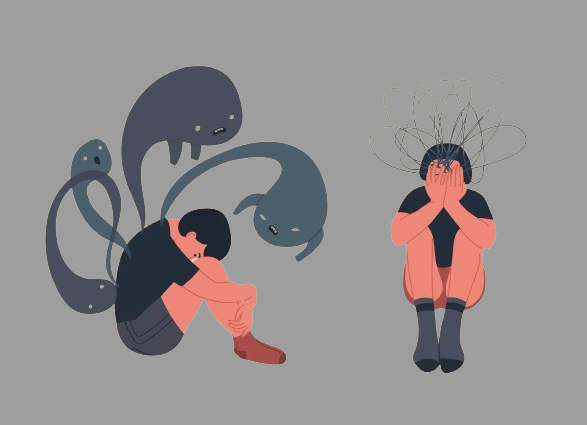
Dependent Personality Disorder is a complex psychological condition characterized by an excessive need to rely on others for emotional support, reassurance, and decision-making. While it is natural for people to depend on friends, family, or partners at times, individuals with Dependent Personality Disorder (DPD) experience a persistent and overwhelming fear of being alone or abandoned. This intense dependence can affect relationships, self-confidence, and daily functioning.
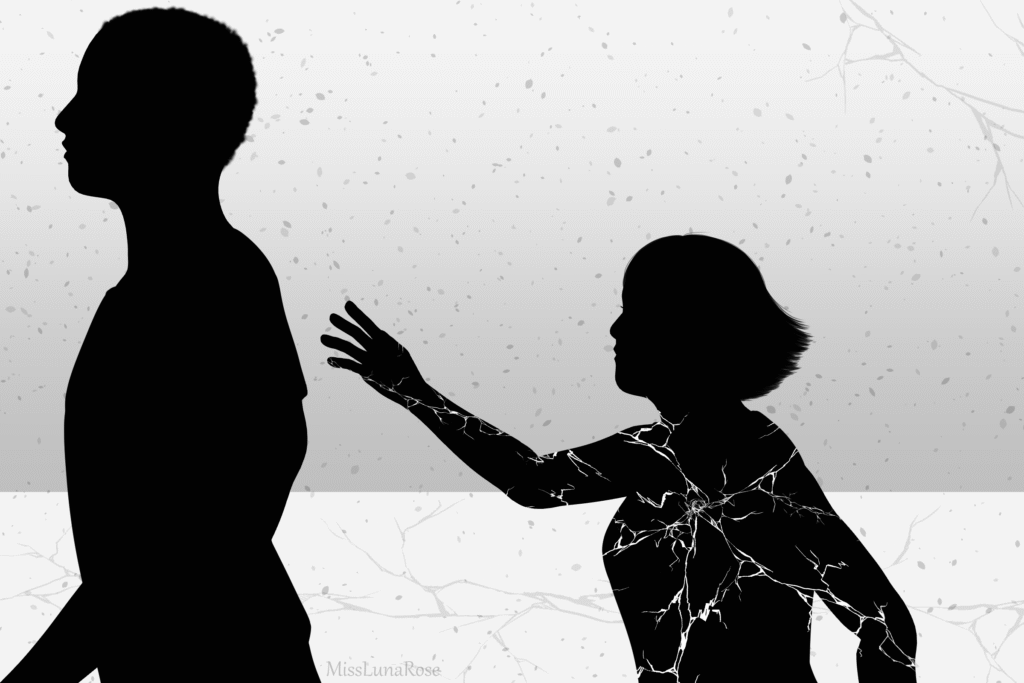
People with Dependent Personality Disorder often struggle to make independent choices and may feel incapable of managing life without constant guidance from others. Because of this, they may tolerate unhealthy relationships, suppress their own opinions, or seek approval from those around them. These behaviors are not simply personality quirks; they represent a deeper pattern of emotional reliance that can interfere with personal growth and mental well-being.
Personality disorders are long-term patterns of thinking and behavior that differ from cultural expectations and cause distress or difficulties in daily life. Mental health professionals classify Dependent Personality Disorder among the cluster of anxious or fearful personality disorders in clinical diagnostic systems such as the Diagnostic and Statistical Manual of Mental Disorders developed by the American Psychiatric Association.
What Is Dependent Personality Disorder?
Dependent Personality Disorder is a personality condition in which individuals experience a strong psychological need to be taken care of by others. This dependence often leads to submissive behavior, difficulty making decisions independently, and fear of abandonment.
Unlike healthy dependence—where people seek support while still maintaining autonomy—DPD involves excessive reliance on others for emotional reassurance and life choices.
Key Characteristics of Dependent Personality Disorder
Common traits associated with the condition include:
- difficulty making everyday decisions without advice
- strong fear of being alone
- constant need for reassurance
- submissive behavior in relationships
- avoidance of responsibility
These behaviors usually begin in early adulthood and may continue throughout life if left untreated.
People with Dependent Personality Disorder often believe they are incapable of functioning independently. As a result, they may prioritize maintaining relationships—even unhealthy ones—over their own emotional needs.
How Do People With DPD Act?
Understanding how people with Dependent Personality Disorder behave can help identify the condition and distinguish it from normal personality traits.
Excessive Need for Reassurance
Individuals with DPD frequently seek reassurance from others before making even small decisions. They may repeatedly ask for advice about choices such as career decisions, finances, or daily tasks.
Difficulty Making Decisions Alone
People with Dependent Personality Disorder often doubt their own judgment. This lack of confidence can make independent decision-making extremely stressful.
Fear of Abandonment
One of the strongest emotional drivers behind DPD is the fear of being abandoned. Individuals may worry constantly that loved ones will leave them.
Submissive or Clingy Behavior
To maintain relationships, individuals with DPD may become overly accommodating. They may avoid expressing disagreement or personal opinions.
Avoidance of Responsibility
Because they fear making mistakes, people with DPD sometimes avoid taking responsibility for important life decisions.
These behaviors can create a cycle where dependence increases over time, reinforcing feelings of helplessness.
Symptoms of Dependent Personality Disorder
The symptoms of Dependent Personality Disorder often involve emotional, behavioral, and cognitive patterns.
Emotional Symptoms
- intense fear of being alone
- anxiety about separation from loved ones
- low self-confidence
- feelings of helplessness
Behavioral Symptoms
- relying on others to make decisions
- difficulty expressing disagreement
- seeking constant reassurance
- staying in unhealthy relationships
Cognitive Symptoms
- belief that one cannot function independently
- excessive worry about abandonment
- difficulty trusting personal judgment
These symptoms typically appear in adulthood and may persist without therapeutic intervention.
What Causes Dependent Personality Disorder?
The development of Dependent Personality Disorder is believed to involve multiple psychological and environmental influences.
Childhood Experiences
Early childhood experiences can shape personality development. Children who grow up in overly protective environments may struggle to develop independence.
Overprotective or Controlling Parenting
Parents who make decisions for their children or discourage independence may unintentionally reinforce dependent behavior patterns.
Trauma or Neglect
Some individuals develop dependent behaviors after experiencing emotional trauma, abandonment, or neglect during childhood.
Genetic and Biological Factors
Research suggests that personality traits may have genetic components. Certain temperament traits, such as high anxiety or sensitivity, may increase vulnerability.
Social and Cultural Influences
Cultural norms that emphasize obedience or dependence may also influence personality development in some individuals.
How Dependent Personality Disorder Affects Relationships
Relationships play a central role in the lives of individuals with Dependent Personality Disorder.
Emotional Reliance on Partners
People with DPD often rely heavily on romantic partners for emotional stability and decision-making.
Fear of Rejection or Abandonment
The fear of losing relationships can lead individuals to tolerate unhealthy or controlling partners.
Difficulty Setting Boundaries
Because they prioritize maintaining relationships, individuals with DPD may struggle to establish personal boundaries.
Vulnerability to Manipulation
Unfortunately, extreme dependence may make individuals more vulnerable to manipulation or exploitation.
Learning healthy independence is often a key part of treatment.
What Is the Difference Between BPD and DPD?
Dependent Personality Disorder is sometimes confused with Borderline Personality Disorder, but the two conditions involve different psychological patterns.
Emotional Regulation
- BPD involves intense emotional instability.
- DPD primarily involves dependence and fear of abandonment.
Relationship Patterns
- People with BPD may experience unstable relationships with cycles of idealization and conflict.
- Individuals with DPD often remain submissive to maintain stability.
Impulsivity
- Impulsive behaviors are common in BPD.
- Impulsivity is generally less common in DPD.
Although both disorders involve fear of abandonment, their behavioral patterns and emotional responses differ significantly.
Can People With BPD Have a Normal Life?
Many individuals diagnosed with Borderline Personality Disorder are capable of living fulfilling and meaningful lives with proper treatment and support.
Therapeutic approaches can help individuals develop emotional regulation skills, improve relationships, and manage stress.
Important strategies include:
- psychotherapy
- emotional awareness training
- healthy relationship skills
- supportive social networks
With consistent treatment, many individuals with BPD achieve significant improvements in mental health and overall well-being.
Diagnosis of Dependent Personality Disorder
Mental health professionals diagnose Dependent Personality Disorder through psychological evaluation.
The diagnostic process may include:
- clinical interviews
- assessment of personality patterns
- review of personal history
- evaluation using established diagnostic criteria
Because personality disorders involve long-term behavioral patterns, accurate diagnosis requires careful professional evaluation.
Self-diagnosis can sometimes be misleading, as many personality traits may resemble symptoms without meeting clinical criteria.
Treatment for Dependent Personality Disorder
Treatment for Dependent Personality Disorder focuses on helping individuals build confidence and independence.
Cognitive Behavioral Therapy
Cognitive Behavioral Therapy (CBT) helps individuals identify negative thought patterns that reinforce dependency.
Therapists work with patients to develop healthier thinking habits and decision-making skills.
Psychodynamic Therapy
This therapy explores early childhood experiences and emotional conflicts that may contribute to dependent behaviors.
Group Therapy
Group therapy provides opportunities to practice social interaction and develop self-confidence in supportive environments.
Medication for Related Symptoms
While there is no medication specifically for DPD, healthcare providers may prescribe medications to treat related symptoms such as anxiety or depression.
Coping Strategies for People With DPD
Individuals with Dependent Personality Disorder can develop greater independence through practical strategies.
Helpful approaches include:
- practicing small independent decisions
- building self-confidence gradually
- learning assertiveness skills
- setting personal boundaries
- developing supportive friendships
Over time, these strategies can help individuals become more comfortable with autonomy.
Supporting Someone With Dependent Personality Disorder
Friends and family members play an important role in supporting individuals with DPD.
Helpful approaches include:
- encouraging independence rather than enabling dependency
- offering emotional support without controlling decisions
- promoting therapy or professional help
- respecting the person’s efforts toward personal growth
Healthy support involves balance—providing care while encouraging independence.
Frequently Asked Questions
Is Dependent Personality Disorder treatable?
Yes. With therapy and supportive environments, many individuals can develop healthier levels of independence.
What triggers dependent personality behavior?
Fear of abandonment, low self-confidence, and stressful life events may trigger dependent behaviors.
Can therapy help with DPD?
Yes. Psychotherapy is one of the most effective treatments for personality disorders.
Are people with DPD aware of their behavior?
Some individuals recognize their dependence, while others may not fully understand the patterns affecting their relationships.
How common is Dependent Personality Disorder?
Dependent Personality Disorder is considered relatively uncommon but may be underdiagnosed due to overlapping symptoms with other conditions.
Conclusion
Dependent Personality Disorder is a complex personality condition characterized by excessive emotional reliance on others and difficulty functioning independently. Individuals with DPD often experience intense fears of abandonment, low self-confidence, and challenges in decision-making.
Although these patterns can significantly affect relationships and personal growth, effective treatments are available. Psychotherapy, emotional skill development, and supportive environments can help individuals develop greater independence and healthier relationship dynamics.
By increasing awareness and encouraging professional support, people affected by Dependent Personality Disorder can work toward building confidence, autonomy, and fulfilling lives.