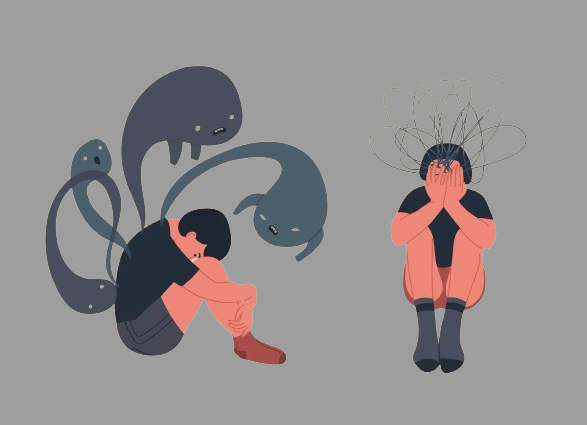
Childhood is meant to be a time of safety, care, and emotional learning. But for many people, early life included experiences that were overwhelming, neglectful, unpredictable, or frightening. These experiences may not always be remembered clearly, and they may not fit the traditional image of “trauma.” Yet their impact can quietly shape emotions, behaviors, relationships, and even physical health well into adulthood.
Childhood trauma signs in adults often go unrecognized because they don’t always look dramatic. They can appear as chronic anxiety, emotional numbness, difficulty trusting others, people-pleasing, perfectionism, or feeling “different” without knowing why. Many adults blame themselves for these struggles, believing they are flaws in personality rather than understandable responses to early environments.
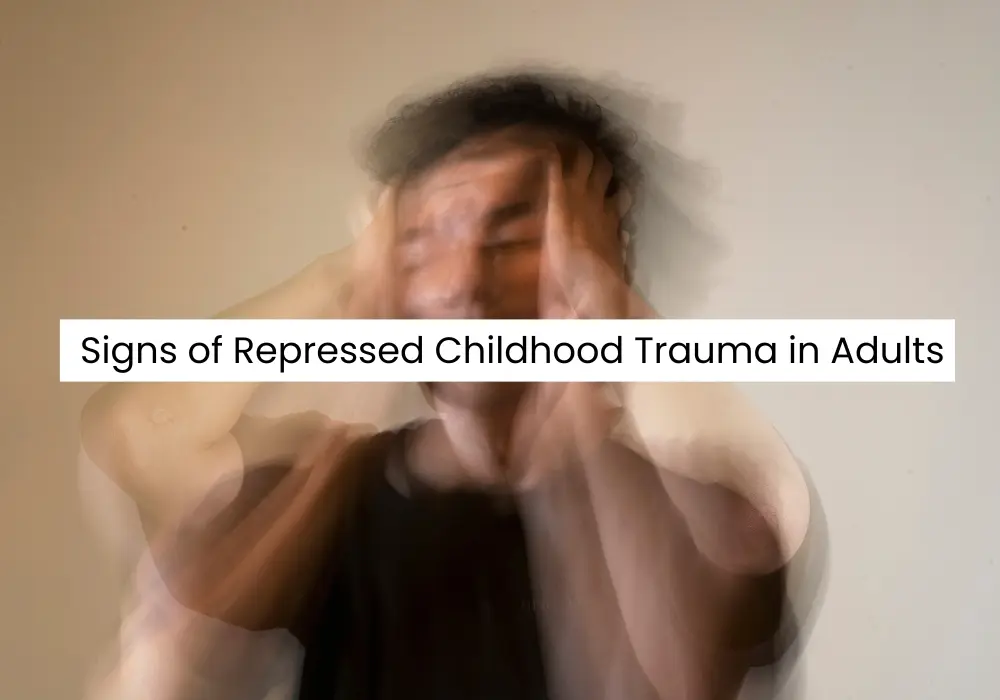
What Does Childhood Trauma Look Like as an Adult?
Childhood trauma in adulthood rarely looks like constant distress or obvious flashbacks. Instead, it often appears as patterns—ways of thinking, feeling, reacting, and relating that once helped you survive but now create difficulty.
Some adults with childhood trauma seem highly functional on the outside while feeling deeply unsettled inside. Others struggle with relationships, emotional regulation, or self-worth without understanding why.
Common Adult Patterns of Childhood Trauma
- Feeling unsafe even when life is stable
- Chronic anxiety or a constant sense of tension
- Emotional numbness or disconnection
- Difficulty trusting others
- Fear of abandonment or rejection
- Strong reactions to criticism
- Overresponsibility or people-pleasing
- Avoidance of conflict or extreme conflict reactions
These patterns are not weaknesses. They are adaptive survival responses developed during a time when safety, consistency, or emotional attunement was missing.
Emotional Signs of Childhood Trauma in Adults
One of the most persistent effects of childhood trauma appears in the emotional world. Because emotions were often unsupported, punished, or ignored early in life, adults may struggle to understand or regulate their feelings.
1. Chronic Anxiety
Many adults with childhood trauma live in a state of constant alertness. Their nervous system learned early that danger could appear at any moment.
This may show up as:
- Overthinking
- Excessive worry
- Difficulty relaxing
- Fear of making mistakes
Even in calm situations, the body may remain tense.
2. Depression and Emotional Heaviness
Unresolved childhood trauma can create a sense of hopelessness or emotional exhaustion.
Signs include:
- Low motivation
- Persistent sadness
- Feeling disconnected from joy
- Loss of interest in life
This is often linked to unmet emotional needs from childhood.
3. Emotional Numbness
Some adults don’t feel “too much”—they feel too little.
Emotional numbness may include:
- Feeling empty
- Difficulty crying
- Detachment from others
- Feeling unreal or disconnected
This develops when emotions once felt unsafe to express.
4. Shame and Toxic Self-Blame
Many trauma survivors internalize the belief that they were “the problem.”
Common thoughts include:
- “Something is wrong with me”
- “I’m too sensitive”
- “I’m not enough”
This shame is learned, not deserved.
5. Difficulty Identifying Emotions
If emotions were not named or validated in childhood, adults may struggle to recognize what they feel at all—leading to confusion, overwhelm, or sudden emotional outbursts.
Behavioral and Relationship Signs of Childhood Trauma
Trauma deeply affects how people relate to others. Early attachment experiences shape expectations about safety, love, and connection.
1. People-Pleasing
Many adults learned that love came from being helpful, quiet, or compliant.
This can look like:
- Saying yes when you mean no
- Fear of disappointing others
- Neglecting your own needs
2. Fear of Intimacy
Closeness may feel dangerous if relationships were unpredictable or hurtful early on.
Signs include:
- Avoiding emotional closeness
- Pulling away when relationships deepen
- Fear of being truly seen
3. Codependency
Some adults tie their self-worth to caring for others, often ignoring themselves in the process.
4. Conflict Avoidance or Explosive Reactions
Trauma survivors may:
- Avoid conflict at all costs
or - React intensely when boundaries are crossed
Both responses stem from early experiences where conflict felt unsafe.
5. Self-Sabotage
Success, stability, or happiness may feel unfamiliar or threatening, leading to unconscious patterns of pushing good things away.
Physical and Somatic Symptoms of Childhood Trauma
Trauma is not stored only in memory—it is also stored in the body.
Adults with childhood trauma often experience chronic physical symptoms without a clear medical explanation.
Common Somatic Symptoms
- Chronic fatigue
- Muscle tension
- Headaches or migraines
- Digestive issues
- Sleep disturbances
- Chest tightness
- Nervous system sensitivity
The body learned early how to stay alert, and it may still be operating in survival mode decades later.
How Do I Know If I Suffered Childhood Trauma?
Many adults doubt whether their experiences “count” as trauma—especially if they were not physically abused or if others had it worse.
Here’s an important truth:
Trauma is defined by impact, not by comparison.
You may have experienced childhood trauma if:
- You felt emotionally unseen or unsupported
- You had to grow up too fast
- Your caregivers were unpredictable, critical, or emotionally unavailable
- You learned to suppress your needs to stay safe
- You feel deep emotional pain without clear memories
Memory gaps are common. Trauma does not require conscious recall to leave lasting effects.
How Do I Know If I Have CPTSD?
Complex Post-Traumatic Stress Disorder (CPTSD) is associated with ongoing or repeated trauma, especially during childhood.
Core Signs of CPTSD
In addition to PTSD symptoms, CPTSD includes:
1. Emotional Dysregulation
- Intense emotions
- Difficulty calming down
- Emotional overwhelm
2. Negative Self-Concept
- Deep shame
- Feeling broken or unworthy
- Persistent self-criticism
3. Relationship Difficulties
- Fear of abandonment
- Difficulty trusting
- Cycles of closeness and withdrawal
CPTSD is not a label of defect—it is a framework that explains how prolonged trauma shapes development.
Childhood Trauma vs. Personality Traits
Many trauma survivors believe their trauma responses are “just who they are.”
But:
- Hypervigilance is not personality—it’s survival
- Emotional numbness is not coldness—it’s protection
- People-pleasing is not weakness—it’s adaptation
Healing does not mean losing yourself. It means meeting your true self beneath survival strategies.
How Do I Heal from Childhood Trauma?
Healing childhood trauma is not about erasing the past—it’s about retraining the nervous system, restoring safety, and rebuilding self-trust.
1. Developing Emotional Awareness
- Learning to name emotions
- Validating feelings without judgment
- Inner child awareness
2. Nervous System Regulation
Trauma lives in the nervous system, so healing must involve the body.
Helpful practices include:
- Grounding exercises
- Slow breathing
- Gentle movement
- Somatic awareness
3. Reframing Trauma Beliefs
Challenging beliefs like:
- “It was my fault”
- “I’m too much”
- “I don’t deserve care”
4. Relationship Repair
- Learning boundaries
- Practicing safe connection
- Recognizing secure attachment behaviors
5. Professional Support
Trauma-informed therapies may include:
- EMDR
- Somatic therapy
- Parts-based therapy
- Trauma-focused CBT
Healing is non-linear, gradual, and deeply personal.
Why Childhood Trauma Persists Into Adulthood
Childhood trauma shapes:
- Brain development
- Stress response systems
- Emotional regulation
- Attachment patterns
The brain adapts to early environments for survival—not for long-term peace. Healing teaches the brain that danger is no longer constant.
Common Myths About Childhood Trauma
“It wasn’t that bad”
Minimization is a common trauma response.
“I should be over it by now”
Trauma heals through safety, not time alone.
“Others had it worse”
Pain does not need comparison to be valid.
Conclusion
Childhood trauma signs in adults are not signs of weakness—they are signs of resilience shaped by survival. The patterns you struggle with today once helped protect you in an environment that felt unsafe or unpredictable.
Awareness is the first step toward healing. With understanding, compassion, and the right support, it is possible to soften survival responses, reconnect with emotions, and build a life that feels safer, calmer, and more authentic.
Healing childhood trauma is not about becoming someone new—it’s about finally becoming who you were always meant to be, without the weight of survival on your shoulders.