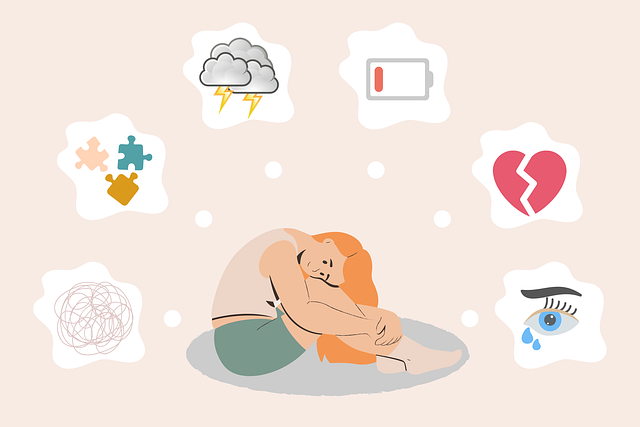
Quick Answer: A bipolar disorder quiz is an educational screening tool designed to help individuals identify patterns of extreme mood shifts, ranging from depressive lows to manic or hypomanic highs. While no online test can replace a clinical diagnosis, structured self-assessments are a vital first step in recognizing symptoms and determining when to consult a licensed mental health professional.
Disclaimer: This assessment is for educational purposes only and does not constitute medical advice. If you are experiencing a crisis or suicidal thoughts, please call or text 988 (the Suicide & Crisis Lifeline) immediately.
Understanding the Bipolar Spectrum
Bipolar disorder is a complex mood disorder characterized by dramatic shifts in mood, energy, and activity levels. According to the National Institute of Mental Health (NIMH), an estimated 2.8% of U.S. adults experience bipolar disorder in any given year.
Because the “up” periods can initially feel productive, euphoric, or highly creative before becoming disruptive, many people live with the condition for years before recognizing their symptoms. This is why taking a bipolar disorder quiz can be an eye-opening first step toward understanding your mental health.
Bipolar disorder is not a singular, uniform condition; it exists on a spectrum defined by the latest DSM-5-TR criteria. Understanding where your experiences fall is critical:
- Bipolar I Disorder: Requires at least one full manic episode lasting a week or longer (or requiring hospitalization). Depressive episodes usually occur as well, but severe mania is the defining trait.
- Bipolar II Disorder: Involves hypomania (a milder, shorter form of mania) paired with major depressive episodes. A person with Bipolar II has never experienced a full manic episode.
- Cyclothymic Disorder: A chronically unstable mood state involving periods of hypomanic symptoms and depressive symptoms lasting for at least two years, though neither meets the full clinical criteria for a major episode.

(Learn more about the specific stages and severity: Bipolar I vs. Bipolar II)
The Defining Symptoms: Mania, Hypomania, and Depression
To take an accurate self-assessment, it helps to know exactly what clinical terms mean in everyday life.
During a Manic or Hypomanic Phase People often describe this phase as feeling unusually confident, energetic, or “wired.” You might need significantly less sleep than normal but still wake up feeling completely rested. Thoughts may race ahead of your words, leading to rapid, pressured speech. The primary difference between mania and hypomania comes down to severity: mania disrupts your ability to function and impairs judgment (leading to reckless spending, impulsive decisions, or grandiosity), whereas hypomania is milder and often goes unnoticed by the individual, even if friends and family can see the change.
During a Depressive Phase The depressive crash feels like the exact opposite of mania. It involves pervasive emptiness, a total loss of interest in hobbies, severe fatigue, trouble concentrating, and feelings of worthlessness. Sometimes, individuals experience “mixed features,” where high-energy racing thoughts occur simultaneously with deep depression, creating a highly volatile state.

The Overlap: Bipolar vs. BPD vs. ADHD
A major reason why individuals seek a bipolar disorder quiz is because they feel misdiagnosed. Mood instability is not exclusive to bipolar disorder, and symptom overlap is incredibly common.
- Bipolar vs. ADHD: Both can feature racing thoughts, distractibility, impulsivity, and restlessness. However, ADHD symptoms are generally chronic and consistent, whereas bipolar symptoms occur in distinct episodic phases (weeks or months at a time).
- Bipolar vs. Borderline Personality Disorder (BPD): Both involve intense mood swings and impulsive behavior. However, BPD mood shifts are typically triggered by interpersonal conflict (like a fear of abandonment) and can shift rapidly within hours. Bipolar mood shifts often occur without a direct external trigger and last for days or weeks. (Deep dive: Borderline Personality vs. Bipolar)

The Bipolar Disorder Quiz (Interactive Self-Assessment)
Note: This bipolar disorder quiz is inspired by validated screening tools like the Mood Disorder Questionnaire (MDQ). It is designed to help you recognize patterns over the last 12 months. Answer honestly.
Part A: Energy and Elevated Mood
- Have there been periods lasting several days where you felt so happy, energetic, or “wired” that others noticed you were not your usual self? (Rarely / Sometimes / Often)
- During these high-energy periods, did you find that you needed much less sleep than usual (e.g., 3-4 hours) but still felt completely rested? (Rarely / Sometimes / Often)
- Have you experienced times when your thoughts were racing so fast that you couldn’t keep track of them, or you talked much faster than normal? (Rarely / Sometimes / Often)
- Did you engage in uncharacteristic, impulsive behaviors during these times (e.g., reckless spending sprees, unsafe sexual encounters, or sudden drastic life changes) that you later regretted? (Rarely / Sometimes / Often)
Part B: Depressive Crashes and Functional Impact 5. Do you transition from these periods of high energy into weeks of profound exhaustion, where completing basic daily tasks feels impossible? (Rarely / Sometimes / Often) 6. Have your mood fluctuations ever caused significant disruptions in your professional life, or strained your closest relationships? (Rarely / Sometimes / Often) 7. Do you experience times where you feel a complete lack of pleasure or interest in activities you usually love? (Rarely / Sometimes / Often)
Interpreting Your Behavioral Patterns
Instead of assigning a definitive “score” or diagnosing you through a screen, look at the patterns in your answers:
- Consistent “Often” in Part A & B: If you frequently experience the highs detailed in Part A followed by the crashes in Part B, and these shifts affect your daily functioning, you are exhibiting classic traits associated with the bipolar spectrum. A professional evaluation is highly recommended.
- “Often” in Part B, but “Rarely” in Part A: If your symptoms are heavily weighted toward exhaustion, sadness, and lack of interest without the distinct “wired” highs, you may be dealing with unipolar depression rather than bipolar disorder.
- Mild or Inconsistent Symptoms: If your answers lean toward “Rarely” or “Sometimes,” but you still feel distressed, you may be experiencing a different condition (such as chronic stress, anxiety, or cyclothymia).
How Is Bipolar Disorder Actually Diagnosed?
No online bipolar disorder quiz can replace the expertise of a psychiatrist. A clinician diagnoses bipolar disorder through a structured psychiatric interview that maps your lifelong mood history against DSM-5-TR criteria.
Because individuals frequently under-report their own manic episodes (since the “highs” can feel good), doctors often gather input from a family member or partner. They must also rule out other medical causes of mood instability, such as hyperthyroidism, substance use, or medication side effects.
Risk Factors and Treatment
If your self-assessment suggests a need for help, do not panic. Bipolar disorder is highly treatable.
- Genetics: Bipolar disorder has a strong genetic component, with heritability estimates being some of the highest in psychiatry. Having a parent or sibling with the condition raises your risk, which is vital context to share with your doctor.
- Medical Treatment: Management typically involves mood stabilizers (like lithium or lamotrigine) or atypical antipsychotics to manage the chemical imbalances driving the episodes.
- Therapy and Lifestyle: Cognitive Behavioral Therapy (CBT) and strict sleep hygiene are critical for recognizing triggers and maintaining a stable baseline.
Frequently Asked Questions (FAQ)
Can a bipolar disorder quiz diagnose me?
No. An online bipolar disorder quiz is an educational screening tool designed to highlight behavioral patterns. Only a licensed mental health professional can provide a clinical diagnosis using a structured psychiatric evaluation.
What is the Mood Disorder Questionnaire (MDQ)?
The MDQ is a widely used, 13-item clinical screening tool developed by psychiatric researchers to help doctors identify bipolar spectrum disorders in primary care settings. Many online self-assessments are inspired by its framework.
Can bipolar disorder be cured without medication?
While lifestyle changes, strict sleep hygiene, and psychotherapy are crucial pillars of management, bipolar disorder is a neurobiological condition. For the vast majority of individuals, mood-stabilizing medication is required to safely prevent manic and depressive relapses.
Why is bipolar disorder so frequently misdiagnosed?
Because the depressive phase of bipolar disorder often lasts longer and causes more immediate distress, many patients only seek help when they are depressed, leading to a misdiagnosis of Major Depressive Disorder. Additionally, symptoms like impulsivity and racing thoughts closely mimic ADHD and Borderline Personality Disorder.
How do I prepare for my first psychiatric appointment?
Bring the results of your bipolar disorder quiz, a timeline of your mood episodes, a list of current medications, and any known family history of mental health conditions. Being honest about both your depressive lows and your manic highs is the key to receiving an accurate diagnosis.
| Medical Disclaimer & E-E-A-T Attribution
This article is for educational purposes and does not replace personalized medical or psychological advice. If you are recovering from a brain injury, trauma, or a mental health condition, work with a licensed clinician to build a plan suited to your situation. Written by: Adil Farooq, Psychiatry Magazine Medically reviewed by: [Dr. Adil Farooq MS · PhD] · Updated: 2026 |