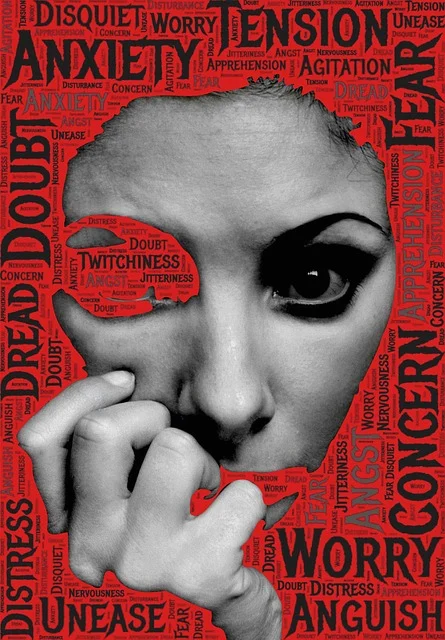
Moral OCD can turn an ordinary day into a trial in which you are both the defendant and the prosecutor. Perhaps you said something slightly awkward to a coworker, and now you are replaying it for hours, asking whether you are secretly unkind. Perhaps a stray thought crossed your mind, and you cannot stop wondering what it says about your character. You have a spotless record, people describe you as thoughtful, and yet the doubt will not leave.

If this sounds familiar, you are not alone, and you are not a bad person. This form of obsessive-compulsive disorder is recognized, understood, and treatable. In this guide, you will learn what it is, how it looks in daily life, how to tell it apart from real guilt, why reassurance backfires, what causes it, and how treatment actually works.
Quick Answer: Moral OCD, also called moral scrupulosity, is a form of obsessive-compulsive disorder in which a person is tormented by repetitive doubts about being a bad or immoral person and performs mental or physical rituals to feel certain. It is treatable, most often with exposure and response prevention (ERP) therapy.
What Is Moral OCD?
Moral OCD is a form of obsessive-compulsive disorder, or OCD, that centers on fears about being immoral, dishonest, or harmful. Clinicians often call it moral scrupulosity, and it sits within a broader group of scrupulosity concerns that can include religious and ethical doubts. Like all OCD, it is built from two parts: obsessions and compulsions.
Obsessions are unwanted thoughts, doubts, or images that appear repeatedly and cause distress. In this case, they tend to sound like questions about your character: What if I am a terrible person? Did I do something wrong and not realize it? Compulsions are the things you do to quiet that distress. They may be visible, such as confessing or checking, or entirely internal, such as mentally reviewing your past or arguing with yourself.
Here is the part that is hard to believe when you are in the middle of it. The problem is not that you lack morals. People who live with this condition are often highly conscientious and care deeply about doing right. The suffering comes from the doubt, from the impossible demand to be certain that you are good, and from the exhausting effort to prove it.
Moral OCD Symptoms: Obsessions, Compulsions, and Avoidance
Symptoms tend to cluster around three patterns. The first is the doubt itself, which is intrusive, repetitive, and strongly felt. You may question your honesty, your fairness, your intentions, or your past actions, often for minor events that other people would forget within a day.
The second is the rituals. Some are outward, such as asking friends whether you behaved badly, apologizing repeatedly, confessing small things, or rereading messages to make sure you were not offensive. Many are mental compulsions that no one can see, including replaying memories, searching your mind for hidden bad motives, analyzing your feelings, praying or promising yourself to do better, and mentally defending your innocence. These mental rituals are easy to miss, and they often take up the most time.

The third pattern is avoidance. You might stay away from situations that could trigger doubt, such as social gatherings, certain conversations, news stories, or even movies, because they stir up questions about your goodness. Along the way, many people feel intense shame, which makes them reluctant to talk about their thoughts. Time, energy, and peace of mind drain away, even though the person looks fine on the outside.
Moral OCD Examples: What It Can Look Like in Everyday Life
Examples help, because the experience can feel too unique to describe. Imagine telling a small white lie to be polite, and then spending the evening wondering whether you are a dishonest person at heart. Or picture someone who snapped at a cashier and now cannot stop asking whether they are cruel, replaying the exchange for days and checking whether the cashier looked upset.
Another person might remember cheating on a quiz years ago and feel compelled to confess to friends, family, or a stranger, even though the event was minor and long past. A parent might have a fleeting unwanted thought and fear that it reveals something about their character, then spend hours analyzing whether they are fit to raise a child. Someone in a relationship may worry that a passing attraction to another person means they are a betrayer, even though they would never act on it.
Some people also experience unwanted thoughts or images that clash sharply with their values, such as harmful or taboo themes. These are common in OCD and are not signs of hidden desires or intentions. What links all these examples is not the content of the doubt but the pattern: a persistent question, a rush of distress, a ritual to feel certain, and a relief that never lasts.
Moral OCD vs Real Guilt: How to Tell the Difference
This is the question that haunts most people with this condition: how do I know whether my guilt is real or whether it is OCD? The distinction matters, and it is worth taking slowly.
Real guilt tends to be tied to a specific action that conflicted with your values. It is usually proportionate to what happened, and it points toward something useful, such as apologizing, making amends, or doing better next time. Once you have done that, the feeling generally eases. Conscience, in other words, tells you something, you respond, and the matter settles.
OCD guilt behaves differently. It often attaches to tiny events, vague possibilities, or thoughts rather than actions. It is repetitive and disproportionate, it fixates on whether you are a bad person rather than on what to repair, and it demands certainty that no one can ever have. When you try to soothe it with reassurance, confession, or analysis, the relief is brief, and the doubt returns, often louder.
A useful question is whether the guilt leads to a clear action and then rests, or whether it loops without end. If you have genuinely harmed someone, accountability and repair still matter, and a good therapist can help you tell the difference without dismissing your values. Do not try to settle it by thinking harder, because the effort to decide is often part of the cycle.
Why Intrusive Thoughts Are Normal
One of the most freeing facts in this area is that unwanted, strange, or upsetting thoughts are a normal part of human life. Research on the general population suggests that most people experience intrusive thoughts at times, including thoughts that seem shocking or out of character. A person may think about swerving a car, saying something cruel, or doing something embarrassing, and then move on without a second thought.

What separates a passing thought from an obsession is the meaning given to it. If you believe that having a thought says something about who you are, or that it could make something terrible happen, your mind treats it as a threat and keeps scanning for it. This is the key idea in OCD. Thoughts are not intentions, and they are not predictions. If you want to understand how these differ from ordinary overthinking, our guide on rumination vs intrusive thoughts explains the distinction clearly.
You cannot simply order your mind to stop having unwanted thoughts. What you can change is how you respond to them, and that is where treatment focuses.
The Moral OCD Cycle: Reassurance, Mental Review, and Confession
OCD runs on a loop that is easy to describe and hard to escape. A trigger appears, such as an awkward moment or a stray thought. It sparks an obsession: What if I am a bad person? Anxiety, guilt, or disgust follows. You then do something to reduce that distress, whether that is reviewing the event, asking someone for reassurance, confessing, or mentally arguing your case. You feel better for a moment. Then the doubt returns, and the loop begins again.
The reason this keeps going is that each ritual teaches your brain a lesson: the doubt was dangerous, and the ritual saved you. Reassurance is the most tempting trap. A friend says you are a good person, and for a few minutes you feel lighter, but the relief fades, and soon you need more. Over time, the need grows, and the person offering comfort becomes part of the cycle.
Mental review works the same way. Searching your memory for evidence feels productive, yet memory is imperfect, and the search only produces more uncertainty. Confession feels like cleansing, but it can strain relationships and reinforce the belief that you were guilty. The way out is not finding the perfect answer. It is learning to leave the question unanswered.
Moral OCD in Relationships, Religion, and Work
This condition rarely stays confined to your own head. In relationships, partners may be asked for constant reassurance, or they may feel confused by apologies for things that did not happen. Some people withdraw because they fear they will hurt others, which can feel like rejection to the people who love them. Honest conversations about the pattern, and about what helps and what does not, can protect the relationship.
In faith settings, the same pattern is often called religious scrupulosity. A person may fear that they have sinned without knowing it, pray repeatedly to feel clean, or confess the same thing over and over. This is not a flaw in the faith or a lack of devotion. It is OCD borrowing the language of what matters most to you, and many religious leaders and clinicians work together to help people get care without abandoning their beliefs.
At work, the doubt can show up as checking emails for any trace of dishonesty, agonizing over small decisions, or feeling unable to say no. Some people overcompensate by taking on too much, a pattern related to the psychology of people pleasing. The result is often exhaustion, because the effort to be flawless is endless.
What Causes Moral OCD?
No single cause explains it. Researchers believe that OCD arises from a mix of genetic influences, differences in brain circuits that handle doubt and threat detection, temperament, and life experience. People who are naturally conscientious, responsible, and sensitive to wrongdoing may be more prone to this theme, which is why it often affects kind, thoughtful individuals.
Stress can worsen symptoms, and periods of change or pressure, such as a new job, a new baby, or a loss, can trigger a flare. Our article on chronic stress symptoms describes how long-term strain affects the mind and body. Difficult early experiences, including those described in childhood trauma effects, can also shape how safe or unsafe we feel in our own minds. What does not cause it is weak character, bad parenting alone, or secret wrongdoing. Understanding this can lift some of the shame that keeps people silent.
Is It OCD, Depression, Anxiety, or Perfectionism?
This condition can look like other conditions, and it can also exist alongside them. Depression often includes guilt and harsh self-criticism, but it tends to feel like a heavy conviction of worthlessness rather than a repetitive doubt paired with rituals. Generalized anxiety involves worry about many everyday topics, while the worry in OCD is tied to a specific fear and followed by compulsions. Our comparison of anxiety vs overthinking can help you see how ordinary worry differs from a clinical pattern.
Perfectionism sets high standards and punishes mistakes, but it does not usually involve the same cycle of intrusive doubt and ritual relief. People with this form of OCD may also experience other themes, such as fears of harm, relationship doubts, or illness, and the overlap with concerns such as health anxiety is common because both involve intolerance of uncertainty.
Because these conditions overlap, self-diagnosis can be misleading. An assessment by a clinician who understands OCD can clarify what is happening. Clinicians often use structured tools, such as the Yale-Brown Obsessive Compulsive Scale, which is far more reliable than any online quiz. If you have searched for a moral OCD test, treat the results as a prompt to seek an evaluation, not an answer.
Moral OCD Treatment: What Actually Works
The encouraging news is that OCD responds well to treatment, and many people find that the grip of the doubt loosens considerably. The most established approach is exposure and response prevention, usually called ERP. It is considered a first-line, evidence-based treatment for OCD.
ERP works by helping you face the thoughts and uncertainty you have been avoiding, gradually and with support, while choosing not to perform the rituals that usually follow. For this condition, that might mean sitting with the question of whether you are a good person without seeking reassurance, resisting the urge to mentally review, or allowing a doubtful thought to be there without arguing with it. It sounds frightening, but a skilled therapist works at a pace you can manage, and the goal is not to prove anything. It is to teach your brain that you can tolerate uncertainty without the ritual.
Acceptance and commitment therapy, or ACT, can be a helpful partner to ERP. It teaches you to notice thoughts without obeying them and to act in line with your values even when doubt is loud. Cognitive approaches may help as well, although arguing with OCD logic can become another ritual if it is not done carefully.
Medication, most commonly a class called SSRIs, can help some people, particularly when symptoms are severe, and decisions about medication belong with a prescriber. It is worth choosing a therapist trained specifically in ERP, since general talk therapy that focuses on reassurance can unintentionally make things worse. Progress takes time and effort, but many people regain a life that is no longer ruled by doubt.
How to Cope Between Sessions: Practical Steps
Small habits can support treatment. Start by naming what is happening: this is an OCD thought, not a fact about me. Labeling the thought as part of the condition creates a little distance and helps you avoid treating it as a verdict.
Next, notice the urge to seek reassurance or review, and try delaying it. You do not have to fight the urge perfectly. Waiting even a few minutes teaches your mind that the discomfort passes. Practice letting the thought exist without solving it, and let uncertainty be uncomfortable but survivable.
When anxiety spikes, calm your body so your mind has a chance to settle. Techniques from our guide on how to calm your nervous system fast can help in the moment, and developing emotional regulation skills over time makes distress easier to ride out. Treat yourself the way you would treat a friend who was suffering. Self-compassion is not letting yourself off the hook. It is withdrawing the harsh prosecution that keeps the cycle alive.
Finally, share your experience with someone safe. Shame thrives in secrecy, and speaking about it, especially to a therapist who understands OCD, often brings relief.
How to Support Someone With Moral OCD
If someone you love lives with this, your role matters. The hardest part is resisting the urge to reassure them endlessly. It may feel kind to say you are a good person for the tenth time that day, but it usually feeds the cycle. Instead, you can acknowledge their pain and gently decline to answer the doubt. Something like I can see how stuck you feel, and I care about you, but I am not going to answer that one can be both warm and firm.
Encourage them to seek an ERP-trained therapist, and offer practical help, such as researching options or attending the first appointment together if they want. Avoid arguing about the content of the doubt, which turns you into another participant in the ritual. Remember to look after yourself as well. Living alongside OCD can be exhausting, and your own support matters.
When to Seek Help for Moral OCD
Consider reaching out if the doubts take up significant time each day, if rituals are damaging your relationships or work, if you avoid things you care about, or if shame and exhaustion are weighing on your mood. You do not have to wait until things are unbearable. Early support can prevent the cycle from deepening.
If you feel hopeless, or if you are having thoughts of ending your life, please seek help immediately. Call or text 988 in the United States, or contact local emergency services. Painful thoughts of self-harm are a sign that you need support, not a sign of weakness, and help is available.
Frequently Asked Questions About Moral OCD
What is moral OCD in simple terms?
Moral OCD is a form of obsessive-compulsive disorder in which you are plagued by repeated doubts about being a bad or immoral person, and you perform mental or physical rituals to feel certain. It is not a character flaw. It is a treatable anxiety-driven pattern.
Is moral OCD the same as guilt?
No. Real guilt is tied to a specific action, is usually proportionate, and eases after you make amends. Moral OCD guilt tends to be repetitive, focused on doubt about your character, and resistant to reassurance. The two can overlap, and a therapist can help you tell them apart.
Can moral OCD make you a bad person?
No. Having this condition does not change your values or make you more likely to act against them. People with it are often especially conscientious. Intrusive thoughts are not intentions, and the distress they cause is a sign that they clash with who you are.
What causes moral OCD?
There is no single cause. Genetics, brain circuitry, a sensitive and responsible temperament, and life stress all appear to play a role. It is not caused by weak character or secret wrongdoing. Understanding this can help reduce the shame that often keeps people from seeking treatment.
Is moral OCD curable?
OCD is considered a long-term condition for many people, but it is highly treatable. With ERP therapy, and sometimes medication, many people experience major improvement and learn to manage doubt without rituals. Symptoms may flare during stress, but the skills you learn stay with you.
How is moral OCD treated?
The main treatment is exposure and response prevention, a form of cognitive behavioral therapy that gradually helps you face feared doubts without performing rituals. Acceptance and commitment therapy can support it, and some people benefit from SSRI medication prescribed by a doctor. Choose a therapist trained specifically in ERP.
Is there a moral OCD test?
Online quizzes can help you reflect, but they cannot diagnose OCD. A trained clinician uses a structured interview and tools such as the Yale-Brown Obsessive Compulsive Scale. If your results worry you, treat them as a reason to book an assessment rather than as a conclusion.
Is moral OCD the same as religious OCD?
They overlap. Religious OCD, often called religious scrupulosity, focuses on fears of sin, blasphemy, or offending God, while moral OCD centers on ethics and being a good person more broadly. Both involve doubt and rituals, and both respond to the same kinds of treatment.
Conclusion
Moral OCD can make you feel as though you are on trial every hour of the day, but the very pain you feel is a sign of how much you care about being good. The condition feeds on certainty that cannot be reached, and the way forward is not to prove your innocence once and for all. It is to learn, with support, that you can live well with doubt.
You are more than your worst thought, and you deserve relief. If you recognize yourself in this guide, take the next step and talk to someone trained in OCD. Our online therapy for anxiety can be a good place to begin, and when you are ready you can book a session with us at your own pace.
This article is for educational purposes only and is not a substitute for professional diagnosis or treatment. If you are in crisis or having thoughts of suicide, call or text 988 in the United States, or contact your local emergency services.