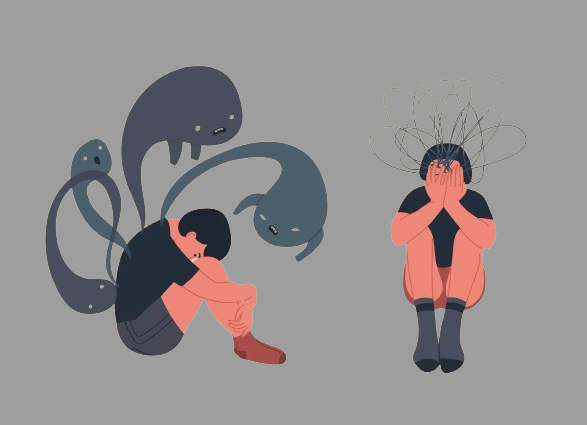
Imagine a woman everyone describes as “so organized.” She never misses a deadline, remembers birthdays, and always seems calm. What they do not see is that she rewrites her to-do list five times a day, rehearses conversations in the shower, and stays up until 2 a.m. to finish work that should have taken an hour. She is not simply a high achiever.

She may be one of the many people living with ADHD masking in women, a pattern where the symptoms of attention deficit hyperactivity disorder are hidden behind exhausting effort, perfectionism, and people pleasing. Because she looks fine, no one thinks to ask whether she is struggling, and she may not realize it herself.
In this article, you will learn what masking is, why it so often delays diagnosis, which signs to look for, what it costs over time, and how to find support that actually helps. If you have spent years feeling like everyone else got a manual for life and you did not, this guide is for you.
What Is ADHD Masking in Women?
Masking, sometimes called camouflaging, means consciously or unconsciously hiding your natural ADHD traits so that you appear “normal” to others. It can involve suppressing fidgeting, forcing eye contact, copying how other people talk and behave, or building elaborate systems to cover up forgetfulness and disorganization. Many women describe it as performing a role all day long and then collapsing once they are alone.
It is important to understand that masking is not the same as ordinary coping. Everyone adjusts their behavior at work or in social settings. Masking is different because it is constant, effortful, and driven by fear of being judged, rejected, or labeled as lazy or difficult. It often starts in childhood, when a girl learns that being quiet, tidy, and agreeable earns praise, while being distracted or emotional earns criticism.
ADHD itself is a neurodevelopmental condition that affects attention, impulse control, emotional regulation, and executive function, which is the brain’s ability to plan, start, and finish tasks. Masking does not cure any of this. It simply moves the struggle out of sight. The symptoms are still there, and the woman is paying for her appearance of control with enormous mental energy.
Why ADHD Masking in Women Often Goes Undiagnosed
For decades, ADHD was studied mostly in young boys, and the classic image of the condition became a hyperactive child bouncing off classroom walls. Girls were far less likely to fit that picture. They are more likely to have the inattentive presentation, which looks like daydreaming, losing things, and struggling to finish tasks rather than disruptive behavior. Teachers and parents rarely worry about the quiet girl staring out of the window, so she slips through the cracks.
Social expectations make this worse. Girls are often taught from an early age to be polite, neat, and emotionally controlled. A girl who works twice as hard to keep her desk tidy and her grades acceptable may be seen as diligent, even when she is quietly drowning. When her struggles do surface, they are often blamed on personality, hormones, or stress.

Misdiagnosis is another major barrier. Many women spend years being treated for anxiety or depression, and those conditions are real and can occur alongside ADHD, but treating them alone leaves the underlying cause untouched. It is common for women to receive an ADHD diagnosis in their thirties, forties, or later, often after their own child is evaluated and the parent recognizes herself in the description. A late diagnosis can bring grief for the years spent struggling, but also enormous relief.
Common Signs of ADHD Masking in Women
The signs of masking are often the opposite of what people expect from ADHD, which is exactly why they are missed. They tend to show up in several areas of life.
Emotional Signs
Many women with masked ADHD carry a deep sense of shame. They may believe they are fundamentally flawed, too sensitive, or not trying hard enough, despite trying harder than anyone around them. Emotions can feel intense and fast, and a small criticism can land like a punch. Some describe rejection sensitive dysphoria, an overwhelming emotional pain in response to real or imagined rejection, which leads them to hide their true selves even more carefully.
Social Signs
Socially, masking often looks like people pleasing. You might agree to things you do not want to do, laugh at jokes you did not follow, or copy the mannerisms of people you admire so that you blend in. Many women rehearse conversations in advance and replay them afterward, searching for mistakes. You may interrupt less than you want to, not because it is easy, but because you have trained yourself to bite your tongue so hard that conversations feel tiring.
Work and Home Signs
At work, masking may take the form of perfectionism and overpreparation. You may arrive early, triple-check emails, or take work home to compensate for how long tasks take you. At home, the mask often comes off, and the mess, unfinished projects, and unopened mail pile up. Many women describe living two lives: an organized public one and a chaotic private one that no one is allowed to see.
Physical and Energy Signs
Constant self-monitoring is exhausting. Women who mask often report needing long recovery periods after social events, feeling drained by ordinary tasks, and having trouble sleeping because their minds will not slow down. Headaches, tension, and stress-related stomach problems are also common. Some hit a wall known as ADHD burnout, where the systems they built to cope finally collapse.
ADHD Masking Symptoms in Everyday Life
Understanding how masking plays out in daily routines can help you recognize it. In the workplace, a woman may be praised for her creativity and energy but privately spend hours recovering from tasks that colleagues finish easily. She may rely on last-minute adrenaline to meet deadlines, then feel guilty and swear to do better next time, only for the cycle to repeat.

In friendships and romantic relationships, masking can make intimacy difficult. Partners may see the calm, capable version of you and feel confused when you become overwhelmed by something that seems small. Friends may not realize that your late replies or forgotten plans are not carelessness but the result of a brain that struggles to hold everything at once. Some women withdraw from friendships because keeping up the performance feels like too much.
Parenting adds another layer. Mothers with undiagnosed ADHD often juggle school schedules, meals, and appointments with a brain that finds planning and time management genuinely difficult. They may look like they are handling it all while feeling constantly behind and terrified that others will see how much they are struggling. Many say the pressure to be a “perfect mom” makes masking even stronger.
Even small social settings can be draining. A dinner party may require monitoring your voice, your posture, your facial expressions, and the flow of conversation all at once. By the end of the evening, you may feel as though you have run a marathon and need a full day alone to recover.
The Hidden Cost of ADHD Masking in Women
Masking may help you survive in the short term, but it takes a serious toll over time. The most immediate cost is exhaustion. Putting this much effort into appearing “fine” leaves little energy for rest, hobbies, or relationships, and the fatigue can become chronic.
Mental health suffers as well. Living in constant fear of being found out feeds anxiety, and years of feeling misunderstood can lead to low self-esteem and depression. Some women develop masked depression signs without realizing that the roots may be linked to undiagnosed ADHD, since both conditions can involve hiding emotional pain behind a capable exterior. Perfectionism and people pleasing may also lead to burnout, resentment, and difficulty setting boundaries.
Another cost is identity confusion. When you have spent decades copying other people, it can be hard to know who you really are, what you actually like, and what you need. Many women describe feeling like an actor who has forgotten the real person behind the role. A diagnosis and proper support can begin to reverse this, allowing you to explore your authentic self without constant pressure to perform.
ADHD Masking in Women vs Anxiety, Depression and Autism
Because ADHD overlaps with other conditions, it is easy to confuse them. Anxiety involves persistent worry and physical tension, and it can look very similar to the restlessness and racing thoughts of ADHD. The difference is often in the source. With anxiety, the worry is the main problem, while with ADHD, the anxiety is frequently a reaction to years of forgetting, missing deadlines, and fearing failure. Learning to spot common anxiety symptoms can help you describe your experience clearly to a professional.
Depression can also mimic ADHD, with low motivation, poor concentration, and fatigue. However, in ADHD, difficulty focusing usually goes back to childhood, while depression tends to arrive later as a change from your usual self. The two often occur together, and treating only one can leave you feeling stuck.
Autism is another condition that is frequently missed in women, and masking is common in both. Women with autism may also copy social behavior and hide sensory struggles, and many people have both ADHD and autism. If social communication, sensory sensitivities, and rigid routines feel significant for you, it may be worth reading about signs of undiagnosed autism in adults and discussing them with your evaluator. The most important point is that you cannot sort this out alone, and a thorough assessment by an experienced clinician is the best way to get clarity.
How Hormones Affect ADHD Masking in Women
Hormones add another layer that is often overlooked. Estrogen influences dopamine and other brain chemicals involved in attention and mood, so changes in hormone levels can make ADHD symptoms feel stronger or weaker at different times. Many women notice that focus, memory, and emotional control worsen in the days before their period, when estrogen drops, and improve at other points in the cycle.
Pregnancy, the postpartum period, and perimenopause can also shift symptoms. For some women, perimenopause is the point when their coping systems suddenly stop working, because falling estrogen makes brain fog, forgetfulness, and overwhelm more intense. This is one reason many women are diagnosed in midlife, after years of managing well enough.
Research in this area is still developing, and not every woman will experience the same pattern. If you notice that your symptoms change with your cycle or life stage, tracking them for a few months and sharing that record with your doctor can provide useful clues. It also helps to rule out thyroid problems and other medical causes, since these can produce similar symptoms.
How to Get Diagnosed With ADHD as a Woman
Getting an evaluation can feel intimidating, especially if you are used to masking, but preparation makes it easier. Start by choosing the right professional. Psychiatrists, clinical psychologists, and some specially trained doctors can assess ADHD in adults. If you are unsure where to begin, understanding when to see a psychiatrist can help you decide between your family doctor and a specialist.
Before the appointment, write down your experiences. Include childhood memories such as school reports or comments from teachers, since ADHD symptoms must have begun in childhood. Note the specific ways your symptoms affect work, relationships, and home life, and describe what it costs you to keep up appearances. Ask a parent, partner, or close friend to share what they have observed if possible.
During the assessment, try to be as honest as you can. This can be surprisingly hard, because masking is automatic, and you may find yourself downplaying your struggles or explaining them away. Remind yourself that the clinician is there to understand you, not judge you. You may be asked to fill out questionnaires and answer detailed questions about your history. The process is not a test you can fail, and a good clinician will take your experience seriously.
Treatment and Support for ADHD Masking in Women
ADHD is highly treatable, and support usually involves a combination of approaches. Medication is one option, and a psychiatrist may discuss stimulant or non-stimulant medicines that help with focus and impulse control. These should always be prescribed and monitored by a qualified professional, and it can take time to find the right medicine and dose.
Therapy is equally valuable. Cognitive behavioral therapy adapted for ADHD can help with time management, planning, and unhelpful thought patterns, while other approaches can address shame, anxiety, and the emotional aftermath of years of masking. Exploring different types of therapy can help you choose what feels right. ADHD coaching can also be practical, helping you build routines and systems that work with your brain rather than against it.
Daily habits play a supporting role. Body doubling, which means working alongside another person, can help with focus. Visual reminders, timers, and breaking tasks into small steps reduce overwhelm. Regular exercise, consistent sleep, and balanced meals support attention and mood. Just as important is learning to unmask gradually and safely. That might mean telling one trusted person about your diagnosis, asking for reasonable adjustments at work, or allowing yourself to stim, take breaks, or say no without over-explaining. Treat yourself with the same compassion you would offer a friend, because years of self-criticism take time to undo.
How to Support a Woman Who Masks Her ADHD
If someone you care about may be masking, the most helpful thing you can do is listen without judgment. Instead of pointing out what she should be doing differently, ask what would make her life easier. Avoid saying things like “You seem fine to me” or “Everyone forgets things,” which can make her feel invisible and even more ashamed.
Offer practical, respectful help. This might mean sharing household tasks, sending gentle reminders she has asked for, or simply sitting with her while she tackles something she has been avoiding. Celebrate her strengths, since many women with ADHD are creative, empathetic, and resourceful. If she is open to it, encourage her to seek an evaluation and offer to go with her. Above all, be patient. Unmasking takes time, and feeling safe to be herself is often the biggest gift you can give.
Frequently Asked Questions
What is ADHD masking in women?
ADHD masking in women is the habit of hiding ADHD symptoms to appear organized, calm, and socially acceptable. It can include perfectionism, people pleasing, copying others, and overpreparing. Although it may help a woman fit in, it is exhausting and often delays diagnosis because her struggles stay hidden from others.
What are the signs of ADHD masking in women?
Common signs include constant overpreparation, intense fear of criticism, people pleasing, rehearsing conversations, feeling drained after socializing, and a big difference between public and private behavior. Many women also report chronic exhaustion, shame, and feeling like they are pretending. These signs need a professional evaluation, because they can overlap with anxiety and other conditions.
Why are women diagnosed with ADHD later than men?
Women are diagnosed later because ADHD research focused on boys, and women more often show the inattentive type, which is quieter and easier to miss. Social pressure to be neat and agreeable also encourages masking. Many women are first diagnosed with anxiety or depression, and only later receive an ADHD diagnosis.
Can you have ADHD and not be hyperactive?
Yes. The inattentive presentation of ADHD involves problems with focus, organization, memory, and finishing tasks, without obvious hyperactivity. It is especially common in women. Hyperactivity may also appear internally, as racing thoughts or constant restlessness, rather than as visible movement, which is another reason it is often overlooked.
Is ADHD masking the same as autism masking?
They are similar but not identical. Both involve hiding natural traits to fit in, and both can lead to burnout. ADHD masking often focuses on hiding disorganization, distraction, and emotional intensity, while autistic masking often involves suppressing sensory needs and social differences. Some people have both, so a thorough assessment is helpful.
Can hormones make ADHD symptoms worse?
Yes, for many women. Estrogen affects brain chemicals linked to attention and mood, so symptoms can feel worse before a period, after childbirth, or during perimenopause. Not every woman experiences this the same way. Tracking your symptoms and sharing them with your doctor can help guide treatment.
Is it too late to get diagnosed with ADHD as an adult?
No. Adults can be diagnosed at any age, and many women receive their diagnosis in their forties, fifties, or later. A late diagnosis can help you make sense of your past and access treatment and strategies that improve daily life. It is never too late to seek support.
Conclusion
ADHD masking in women is easy to miss because it looks like success from the outside. Behind the organized schedules and polite smiles, there is often a woman working twice as hard as everyone else, afraid that one slip will expose her. If you recognize yourself in these pages, please know that your struggles are real, they are not a character flaw, and they are more common than you might think.
The most encouraging truth is that support works. A proper evaluation can give you answers, and treatment, therapy, and practical strategies can help you stop performing and start living. Consider booking an appointment with a doctor or psychiatrist who understands ADHD in women, and be as honest as you can about what a normal day costs you. You have spent years trying to keep up. It is time to let someone help you.
Disclaimer: This article is for educational purposes and is not a substitute for professional medical advice.