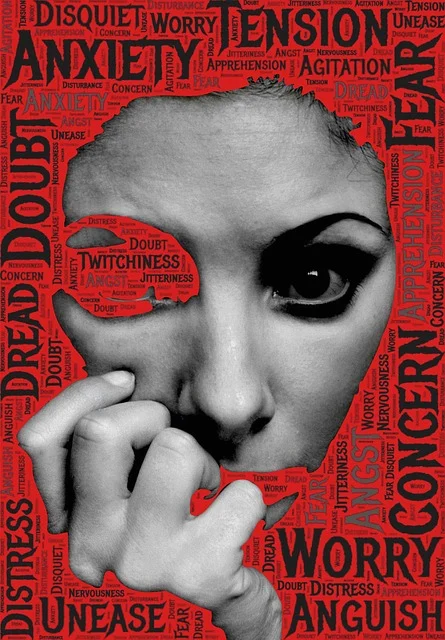
Picture someone who answers every message on time, arrives at work with a smile, jokes with friends, and never seems to complain. From the outside, their life looks perfectly together. Inside, they feel exhausted, empty, and quietly disconnected from everything they once enjoyed. This is the reality for many people living with hidden depression, and learning the masked depression signs can make the difference between years of silent suffering and finding real help.

Masked depression is not an official diagnosis in medical manuals, but clinicians widely use the term to describe depression that does not look the way people expect it to look. In this guide, you will learn what masked depression is, which signs to watch for in yourself and others, why it so often goes unnoticed, and which practical steps can help.
If parts of this article feel uncomfortably familiar, please read on with kindness toward yourself. Understanding what is happening is a real first step.
What Is Masked Depression?
Masked depression is a term for depression in which the emotional core of the illness is hidden. Sometimes the person hides it deliberately. Other times it is covered by physical and behavioral symptoms that seem to point somewhere else. Someone with classic depression may talk about feeling sad, hopeless, or worthless. Someone with masked depression may instead complain about constant headaches, stomach problems, trouble sleeping, or irritability, and may not describe themselves as sad at all. In other cases, the person hides how they feel because they have learned that showing vulnerability is unsafe or unwelcome.
You may also hear it called smiling depression, hidden depression, or high functioning depression. Each name points to the same pattern: a person who keeps meeting responsibilities and keeping up appearances while struggling underneath. Being able to function does not mean being okay. Many people with this pattern hold down demanding jobs, care for families, and stay socially active, all while feeling drained and hollow.
It also helps to know what masked depression is not. It is not weakness, attention seeking, or laziness, and it is not something a person can simply talk themselves out of. It is a genuine mental health condition that responds well to treatment. The main challenge is that it is easy to miss, because the usual warning signs are covered by a very convincing performance. That is why learning to read the subtler clues matters so much.
Common Masked Depression Signs You Should Not Ignore
Masked depression signs tend to show up in four areas of life: emotions, body, behavior, and relationships. No single sign proves that someone is depressed, but a cluster of them lasting two weeks or longer deserves attention.
Emotional Signs
Rather than open sadness, the emotional signs are often quieter. Many people describe a flat, gray feeling in which nothing seems exciting or rewarding anymore. Hobbies that once brought joy start to feel like chores. Others notice that they are unusually irritable or short-tempered, snapping at people they love and then feeling guilty afterward. A persistent sense of emotional numbness is also common, where you feel as though you are watching your life from behind glass rather than living it. Some people carry a heavy sense of guilt or self-criticism that they never say out loud, an inner voice insisting that they are not doing enough or are not good enough, no matter how much they achieve.

Physical Signs
The body often speaks when the mind stays quiet. Chronic fatigue that sleep does not fix is one of the most common physical clues. So are frequent headaches, back pain, muscle aches, and digestive troubles such as nausea or stomach pain that doctors cannot fully explain. Changes in appetite, whether eating far more or far less than usual, are also frequent, as are changes in sleep. You might have insomnia, wake at three in the morning, or sleep ten hours and still feel exhausted. If you have visited several doctors for unexplained physical complaints and every test comes back normal, it is worth considering whether low mood could be part of the picture.
Behavioral Signs
Behavior can reveal what words do not. Some people throw themselves into work, exercise, or constant busyness, using activity to avoid feeling anything. Others procrastinate more than they used to, struggle to concentrate, or find that simple decisions feel overwhelming. Increased reliance on alcohol, food, shopping, scrolling, or other habits to cope can be a sign as well. You might notice that you say yes to everything and then feel resentful, or that you cancel plans at the last minute because pretending to be cheerful feels like too much effort.
Social and Relationship Signs
In relationships, masked depression often looks like quiet withdrawal. A person may become the friend who always says “I’m fine” and steers conversations back to everyone else. They may attend gatherings but feel lonely in the middle of the crowd, or reply to messages later and later until contact fades. Some people become people pleasers, pouring all their energy into keeping others happy so that no one looks closely at how they are really doing. Over time, this can leave them feeling deeply unseen, even by those closest to them.
A Gentle Self-Check: Questions Worth Asking Yourself
Ask yourself whether you have felt more tired, numb, or irritable than usual for at least two weeks. Consider whether things you used to enjoy now feel flat, and whether you have been leaning on work, food, alcohol, or screens to avoid your feelings. Notice how often you say “I’m fine” when the honest answer would be different, and whether the people close to you really know how you feel. Think about whether physical complaints have been piling up without clear medical answers. If you answered yes to several of these questions, it does not automatically mean you have depression, but it is a good reason to talk with a professional. Try to approach the questions with curiosity rather than judgment, since the goal is understanding, not self-criticism.
Why Masked Depression Signs Go Unnoticed
Several forces work together to keep this condition hidden. Stigma is the biggest. In many families and communities, talking about emotional pain is seen as weakness, oversharing, or a lack of gratitude. People learn early to keep their struggles private, and by adulthood hiding feels automatic. In cultures where family honor or personal strength is highly valued, admitting to depression can feel especially risky.
Perfectionism and high achievement also play a part. When someone is successful, reliable, and always available, people assume they must be happy. Praise for their productivity can even reinforce the mask, because being seen as the strong one becomes part of their identity. Letting the mask slip would feel like losing that identity.
Social media adds another layer. Online, we all present polished versions of our lives, and it becomes easy to compare our private struggles with everyone else’s public highlights. That comparison can deepen shame and make honesty feel even harder.
Finally, many people simply do not recognize what they are experiencing. If your idea of depression is someone who cannot get out of bed, then feeling exhausted while still going to work may not seem serious enough to count. Yet depression exists on a spectrum, and you do not have to be at your lowest point to deserve care.
Masked Depression Signs in Men vs Women
Depression can look different depending on gender, largely because of how society teaches people to handle emotions. Research and clinical experience suggest that men are more likely to express depression through anger, irritability, risk taking, overworking, or increased alcohol use rather than sadness. Because these behaviors are often dismissed as “just stress” or personality, many men go undiagnosed for years. They may also be less likely to seek help, since traditional expectations about masculinity discourage vulnerability.
Women are diagnosed with depression more often overall, but masked forms still slip through. Women may hide their pain behind caregiving roles, perfectionism, and a constant effort to keep everyone else comfortable. They may report anxiety, tearfulness, fatigue, or physical pain rather than low mood, and their symptoms are sometimes wrongly blamed on hormones or busy schedules.
It is important to remember that these are patterns, not rules. People of any gender can experience any combination of symptoms, and non-binary and transgender people may face additional pressures that make hiding even more likely. The key is to look beyond stereotypes and pay attention to changes in how a person normally thinks, feels, and acts.
How Masked Depression Differs From Anxiety, Burnout, and Ordinary Sadness
Because the symptoms overlap, it is easy to confuse masked depression with other experiences. Ordinary sadness usually has a clear cause, such as a loss or disappointment, and it gradually eases with time and support. Masked depression tends to linger for weeks or months, often without an obvious trigger, and it affects many areas of life at once.

Burnout is closely linked to work or caregiving demands. People with burnout often feel exhausted and cynical about their job, but they may feel better once they take time off. With depression, the heaviness follows you on vacation and into weekends, and it usually includes a loss of pleasure in things unrelated to work.
Anxiety and depression frequently occur together. Common anxiety symptoms include constant worry, restlessness, a racing heart, and difficulty relaxing, whereas depression is more often marked by low energy, loss of interest, and hopelessness. When you experience both, you may feel wired and tired at the same time. Only a qualified professional can sort out what is going on, so if you cannot tell the difference, that is reason enough to seek an evaluation.
What Causes Masked Depression?
There is rarely a single cause. Biology plays a role, since depression can run in families and is linked to differences in brain chemistry and stress hormone regulation. Chronic illness, thyroid problems, vitamin deficiencies, and hormonal changes can also contribute to depressive symptoms or mimic them, which is one reason a medical check is valuable.
Psychological and life factors matter just as much. Childhood experiences such as emotional neglect, constant criticism, or having to be “the strong one” can teach a person to suppress their feelings. Long-term stress, grief, loneliness, and major life changes can build up over time. Experiences of narcissistic abuse or other controlling relationships are another important factor, because being constantly criticized or manipulated can erode self-worth and lead a person to hide their pain to stay safe. Unresolved trauma may also lead to trauma responses such as shutting down, people pleasing, or emotional detachment, which can look like calm on the surface while the person struggles underneath.
Finally, environment plays a part. Demanding workplaces, financial pressure, and communities that stigmatize mental illness all make it harder to be honest about how you feel.
How Is Masked Depression Diagnosed?
There is no blood test or scan for depression. A diagnosis is made through a conversation with a trained professional such as a psychiatrist, clinical psychologist, or your family doctor. They will ask about your mood, energy, sleep, appetite, concentration, and interests, as well as how long the symptoms have lasted and how much they affect your daily life. Because masked depression often shows up as physical complaints, a doctor may also run tests to rule out medical causes like thyroid disease or anemia.
Many clinicians use standard questionnaires, such as the PHQ-9, to measure the severity of symptoms. Being honest during this process is essential, even if you are used to saying you are fine. If you are unsure who to see first, learning when to see a psychiatrist can help you decide whether to start with your family doctor or go straight to a mental health specialist. Remember that a diagnosis is not a label of failure. It is a map that helps you and your provider choose the right kind of support.
Treatment and Coping Strategies for Masked Depression
The encouraging news is that masked depression responds well to treatment, just like other forms of depression. Talking therapy is often the first step. Cognitive behavioral therapy helps you notice and change unhelpful thought patterns, while interpersonal therapy focuses on relationships and communication. Exploring different types of therapy can help you find an approach that feels comfortable, and the relationship with your therapist matters as much as the method. For people who have learned to hide their feelings, therapy can be one of the first places where taking the mask off feels safe.
For moderate to severe depression, or when therapy alone is not enough, a psychiatrist may recommend antidepressant medication. These medicines can help restore balance in brain chemistry, and they often work best alongside therapy. They can take several weeks to work, and they should always be started, adjusted, and stopped under medical guidance.
Daily habits also support recovery, although they are not a replacement for professional care. Regular movement, even a twenty-minute walk, can lift your mood. Keeping a steady sleep schedule, eating regular meals, and spending time in daylight help stabilize your body’s rhythms. Try writing down your true feelings for a few minutes each day, or sharing them with one trusted person. Small acts of honesty gradually loosen the habit of hiding. Set gentle goals, celebrate small wins, and try to treat yourself the way you would treat a friend going through the same thing.
How to Support Someone Showing Masked Depression Signs
If you suspect a friend, partner, or family member is struggling behind a smile, start by choosing a private, unhurried moment. Instead of saying “You seem depressed,” which may feel like an accusation, try sharing what you have noticed with care: “You’ve seemed really tired lately, and I’ve missed hanging out with you. How are you really doing?” Then listen without rushing to fix, judge, or compare their pain to anyone else’s.
Avoid phrases such as “But you have so much to be grateful for” or “Just think positive,” which can increase shame and push the person further behind their mask. Simple statements like “That sounds really hard” and “I’m here for you” are far more helpful. Be patient if they deflect the first time, because it can take several conversations before someone feels safe enough to open up.
You can gently encourage them to speak with a doctor or therapist, and offer practical help such as finding a provider, going with them to the first appointment, or checking in regularly afterward. Do not forget to look after your own wellbeing too, since supporting someone is emotionally demanding. If the person ever talks about wanting to die or harming themselves, treat it as an emergency and contact local emergency services or a crisis line right away rather than waiting.
Frequently Asked Questions
What are the most common masked depression signs?
The most common masked depression signs include persistent tiredness, unexplained aches and pains, irritability, emotional numbness, changes in sleep or appetite, loss of interest in hobbies, and withdrawing from people while still appearing fine. Because the person often keeps working and socializing, these signs are easy to overlook, so look for patterns that last two weeks or longer.
Can you have depression and still smile and function normally?
Yes. Many people with depression continue to go to work, care for their families, and smile in public. This is often called smiling depression or high functioning depression. Being able to function does not mean you are not suffering. If your smile feels like an effort or a performance, that inner struggle deserves attention and support.
Is masked depression a real medical diagnosis?
“Masked depression” is not a formal diagnosis in manuals like the DSM-5, but the term is used clinically to describe depression that is hidden or shows up mainly through physical or behavioral symptoms. Professionals usually diagnose it as major depressive disorder or persistent depressive disorder once the symptoms meet the criteria.
How long does masked depression last?
Without support, it can last months or even years, since the person rarely asks for help. With proper treatment, many people begin to feel better within a few weeks to a few months, though the timeline varies. Early recognition usually leads to faster and more complete recovery, so do not wait for things to get worse.
What is the difference between masked depression and high functioning depression?
The terms overlap heavily. High functioning depression usually describes people who meet daily obligations despite ongoing low mood, while masked depression emphasizes that the emotional symptoms are hidden or expressed through physical complaints. Many people fit both descriptions. In practice, the treatment approach is the same and depends on the severity of your symptoms.
Can masked depression go away on its own?
Mild low mood sometimes improves with rest and support, but true depression rarely resolves fully on its own and can return or worsen. Ignoring it may also lead to burnout, health problems, and strained relationships. Speaking with a professional gives you the best chance of lasting recovery, and starting sooner is almost always easier than waiting.
When should I see a doctor about masked depression signs?
See a doctor or mental health professional if the signs last longer than two weeks, interfere with work, relationships, or daily life, or if you rely on unhealthy coping habits. Seek urgent help immediately if you have thoughts of harming yourself or feel unsafe. You do not need to wait until things feel unbearable.
Conclusion
Masked depression can be lonely, precisely because the people around you may have no idea how much you are carrying. But learning to recognize masked depression signs, whether in yourself or someone you care about, is a powerful step toward change. Look for the quiet clues: the numbness beneath the smile, the unexplained exhaustion, the habit of saying “I’m fine” when you are anything but. None of this is your fault, and you do not need a crisis to justify asking for help.
If this article resonated with you, consider booking an appointment with a doctor, therapist, or psychiatrist this week. Recovery is possible, and you deserve to feel real, not just look fine. If you are in immediate danger or thinking about harming yourself, please contact your local emergency number or a crisis helpline right away.
Disclaimer: This article is for educational purposes and is not a substitute for professional medical advice, diagnosis, or treatment.