Addicted to quick dopamine hits—if this sounds familiar, you’re not alone. In today’s digital world, many people find themselves constantly reaching for their phones, scrolling endlessly, and struggling to focus on anything meaningful.
You may think it’s just a bad habit.
But in reality, your brain is being shaped by constant stimulation.
From apps like TikTok to Instagram, modern platforms are designed to deliver instant gratification, making it easier than ever to become addicted to quick dopamine hits.
This article will help you understand the signs, causes, and proven ways to break free from dopamine addiction and regain control of your focus and life.
What Does It Mean to Be Addicted to Quick Dopamine Hits?
Being addicted to quick dopamine hits means your brain has become dependent on fast, easy rewards instead of meaningful, effort-based satisfaction.
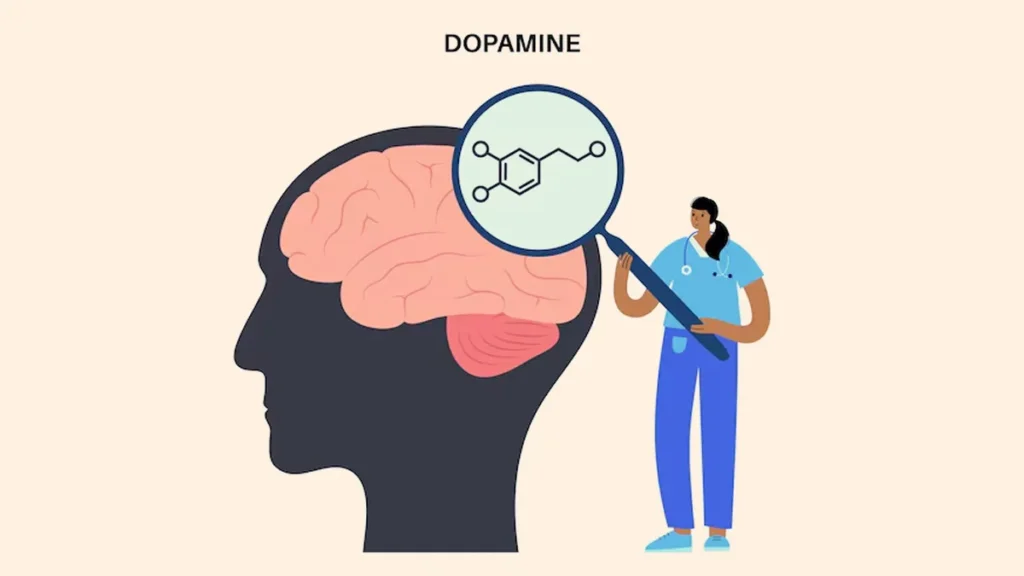
Dopamine is the chemical responsible for:
- Motivation
- Pleasure
- Reward
Quick Dopamine Hits Come From:
- Social media scrolling
- Notifications and likes
- Short videos
- Gaming
👉 Over time, your brain starts craving these quick rewards constantly.
Why Are You Addicted to Quick Dopamine Hits?
1. Social Media Overload
Apps like TikTok are designed to keep you hooked.
- Endless scrolling
- Fast content
- Instant entertainment
2. Instant Gratification Addiction
Your brain prefers:
👉 Easy pleasure now
over
👉 Effort and reward later
3. Dopamine Overload Symptoms
Too much stimulation leads to:
- Reduced satisfaction
- Increased cravings
- Constant need for stimulation
Signs You Are Addicted to Quick Dopamine Hits
Behavioral Signs
- Checking your phone constantly
- Scrolling without purpose
- Difficulty staying offline
Mental Signs
- Short attention span symptoms
- Brain fog from phone use
- Difficulty focusing
Emotional Signs
- Feeling bored easily
- Low motivation
- Lack of excitement
Dopamine Addiction Symptoms
Mental Symptoms
- Poor concentration
- Forgetfulness
- Reduced creativity
Emotional Symptoms
- Irritability
- Mood swings
- Mental exhaustion
Physical Symptoms
- Fatigue
- Poor sleep
- Restlessness
Effects of Being Addicted to Quick Dopamine Hits
1. Reduced Focus
Your brain struggles with deep work.
2. Motivation Decline
Normal tasks feel boring and difficult.
3. Brain Rot Symptoms
- Mental fog
- Low clarity
- Reduced thinking ability
4. Digital Overstimulation Symptoms
- Restlessness
- Constant distraction
- Difficulty relaxing
Addicted to Quick Dopamine Hits vs Normal Behavior
| Normal Use | Addiction |
|---|---|
| Controlled usage | Compulsive usage |
| Can focus easily | Easily distracted |
| Balanced lifestyle | Constant stimulation |
How Social Media Makes You Addicted to Quick Dopamine Hits
Platforms like Instagram:
- Trigger constant dopamine spikes
- Shorten your attention span
- Encourage addictive behavior
👉 This creates a loop:
Scroll → Dopamine → Crave More → Repeat
Can You Recover From Being Addicted to Quick Dopamine Hits?
👉 Yes—recovery is possible.
Your brain can rewire itself through:
- Reduced stimulation
- Better habits
- Consistent effort
How to Stop Being Addicted to Quick Dopamine Hits
1. Start a Dopamine Detox
- Limit social media
- Avoid short-form content
2. Reduce Screen Time
- Set app limits
- Keep phone away during work
3. Rebuild Your Focus
- Start with small focus sessions
- Gradually increase attention span
4. Replace Dopamine Sources
Instead of scrolling:
- Exercise for brain
- Read books
- Learn new skills
5. Accept Boredom
👉 Boredom helps your brain reset.
6. Improve Sleep Habits
Avoid late-night scrolling to restore balance.
Dopamine Detox Plan
Step 1
- Cut down social media usage
Step 2
- Remove unnecessary apps
Step 3
- Focus on real-life activities
Step 4
- Maintain consistency
Daily Routine to Fix Dopamine Addiction
Morning
- No phone use
- Exercise or sunlight
Daytime
- Deep work sessions
- Limited distractions
Evening
- Relax without screens
- Reflect on your day
Benefits of Overcoming Dopamine Addiction
Mental Benefits
- Clear thinking
- Better focus
Emotional Benefits
- Higher motivation
- Improved mood
Life Benefits
- Increased productivity
- Better discipline
When to Seek Help
You should seek help if:
- You cannot control your habits
- Your focus is severely affected
- You feel mentally exhausted
Conclusion
Being addicted to quick dopamine hits is one of the biggest hidden problems in today’s digital world. But the good news is—it’s completely reversible.
With small, consistent changes, you can:
- Reset your brain
- Improve your focus
- Take back control of your life
👉 It all starts with awareness—and action.