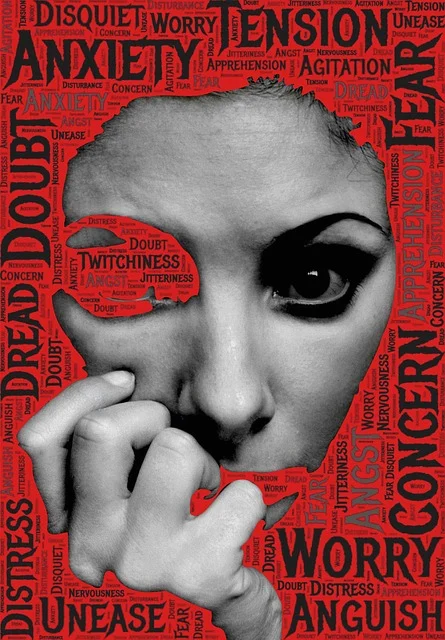
Feeling like your body is constantly on edge, even when your mind knows you are safe, is one of the most confusing and exhausting experiences a person can have. When the nervous system stuck in fear mode, everyday life can feel overwhelming—your heart races without reason, your muscles stay tense, your thoughts loop, and rest no longer feels restorative. Many people describe it as being “always braced for danger,” even in calm moments.
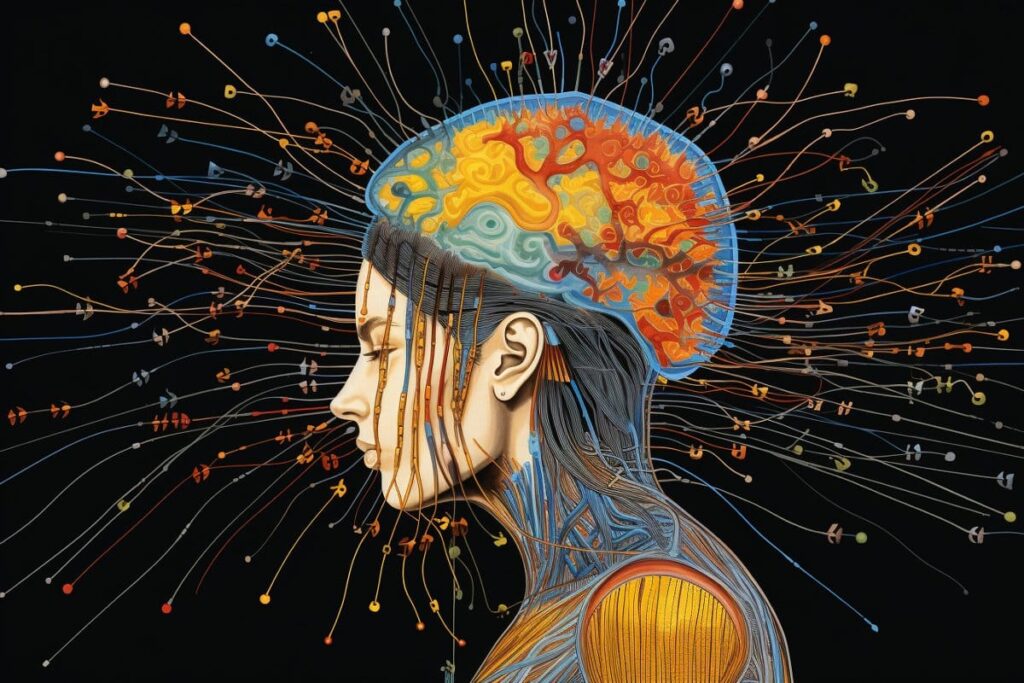
This state is not a personal failure, weakness, or lack of willpower. It is a biological survival response that has stayed switched on longer than necessary. The nervous system evolved to protect you, not punish you—but when fear responses become chronic, they begin to shape how you think, feel, and function.
What Does “Nervous System Stuck in Fear Mode” Actually Mean?
The nervous system has one primary job: detect danger and keep you alive. When it senses threat, it activates the sympathetic nervous system, releasing stress hormones like adrenaline and cortisol. This prepares the body to fight, flee, or freeze.
Normally, once the threat passes, the parasympathetic nervous system restores balance. But when stress, trauma, or anxiety is prolonged, the nervous system may lose its ability to switch off survival mode.
When the nervous system is stuck in fear mode:
- The brain overestimates danger
- The body remains hyper-alert
- Calm feels unfamiliar or unsafe
- Relaxation can trigger anxiety
This is not imagined. Brain imaging studies show increased amygdala activity and reduced prefrontal regulation in chronic anxiety states.
Fight, Flight, Freeze, and Fawn Explained Simply
Understanding these responses helps reduce fear of your own reactions.
Fight Response
- Anger, irritability, defensiveness
- Muscle tension, jaw clenching
- Need to control or argue
Flight Response
- Restlessness, panic, overthinking
- Urge to escape situations
- Avoidance behaviors
Freeze Response
- Emotional numbness
- Dissociation, shutdown
- Feeling stuck or unable to act
Fawn Response
- People-pleasing
- Fear of conflict
- Losing sense of self
All of these are automatic nervous system reactions, not conscious choices.
Why the Nervous System Stuck in Fear Mode
The nervous system doesn’t respond to logic—it responds to patterns. Common reasons it stays activated include:
- Chronic stress without recovery
- Childhood emotional neglect
- Traumatic experiences (big or small)
- Long-term anxiety or panic disorders
- Burnout and nervous exhaustion
Over time, the nervous system learns: “It’s safer to stay alert than to relax.”
How to Unfreeze Your Nervous System?
When the nervous system is stuck in fear mode, especially freeze, the instinct is to “push through.” Unfortunately, forcing productivity often deepens shutdown. Freeze requires gentle re-engagement, not pressure.
Why Freeze Happens
Freeze occurs when the body believes:
- Fight won’t work
- Flight isn’t possible
So it conserves energy and disconnects.
Gentle Ways to Unfreeze the Nervous System
- Slow, rhythmic movement (walking, rocking)
- Temperature changes (warm shower, holding something cold)
- Orienting exercises (naming what you see around you)
- Very small actions, repeated consistently
Unfreezing is about signaling safety, not forcing motivation.
What to Do If Brain Is Stuck in Fight or Flight Mode?
Fight-or-flight means your brain is constantly scanning for threat. Even neutral events feel dangerous.
Signs Your Brain Is Stuck in Survival Mode
- Racing thoughts
- Inability to relax
- Constant worry or irritability
- Difficulty sleeping
What Helps Calm Fight or Flight
- Slow breathing with longer exhales
- Grounding through the senses
- Predictable daily routines
- Reducing stimulants (caffeine, excessive news)
The brain calms after the body feels safe, not before.
What Are the Symptoms of Freeze Mode?
Freeze mode is often misunderstood as laziness or depression, but it is a protective nervous system response.
Physical Symptoms
- Heavy limbs
- Chronic fatigue
- Low energy
Emotional Symptoms
- Numbness
- Hopelessness
- Feeling disconnected
Cognitive Symptoms
- Brain fog
- Difficulty making decisions
- Feeling “stuck”
Many people cycle between fight/flight and freeze.
How Long Does the Nervous System Take to Recover from Anxiety?
This is one of the most common questions—and the answer depends on several factors.
Short-Term Anxiety
- Recovery: weeks to a few months
- With rest, regulation, and support
Chronic Anxiety or Trauma
- Recovery: months to longer-term healing
- Progress happens in layers, not lines
The nervous system is plastic, meaning it can re-learn safety at any age.
Daily Habits That Keep the Nervous System Dysregulated
Sometimes healing stalls because daily habits unintentionally reinforce fear mode.
Common contributors:
- Irregular sleep
- Constant screen stimulation
- Overworking without rest
- Ignoring body signals
Healing often begins by removing pressure, not adding effort.
Somatic Healing vs Cognitive Healing
Thinking your way out of fear mode rarely works alone.
Cognitive Approaches Help:
- Understanding anxiety
- Reframing thoughts
Somatic Approaches Help:
- Calming the body directly
- Restoring nervous system regulation
Best results come from combining both.
What Recovery Actually Feels Like
Healing doesn’t mean never feeling anxious again. It means:
- Faster recovery after stress
- Increased tolerance for emotions
- Feeling safer in your body
Progress may feel subtle before it feels strong.
When to Seek Professional Support
Consider professional help if:
- Symptoms last longer than 6 months
- Daily functioning is impaired
- Trauma history is present
Therapies that help include:
- Somatic therapy
- EMDR
- Trauma-informed CBT
Final Thoughts
When your nervous system is stuck in fear mode, it is because it learned to survive—not because you are broken. Healing is not about eliminating fear, but teaching your body that safety is possible again. With patience, compassion, and the right support, regulation can return.