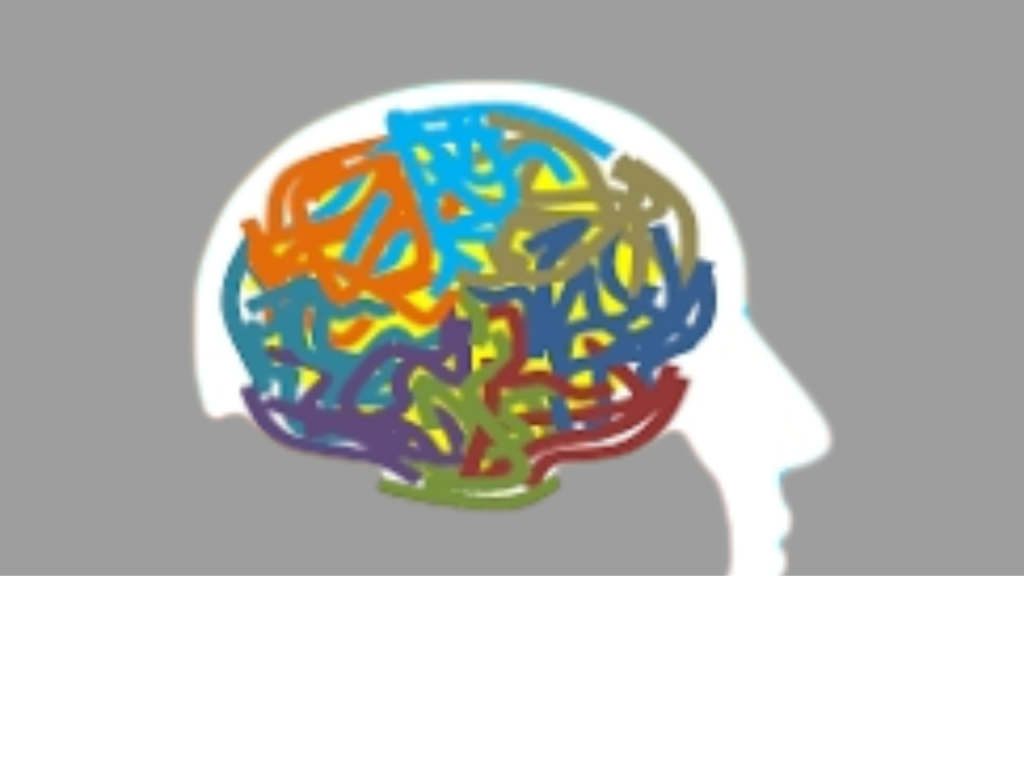
Mood swings are sudden and noticeable changes in a person’s emotional state, ranging from happiness to sadness, irritability, or anger. While occasional emotional shifts are normal, frequent or intense mood swings can signal underlying psychological issues that require attention.

Many people experience mood swings due to stress, lifestyle factors, or mental health conditions. Understanding the root causes and learning how to manage them can significantly improve emotional stability and overall well-being.
What Are Mood Swings?
Mood swings refer to rapid or extreme fluctuations in emotions that may feel difficult to control.
Normal vs. Severe Mood Swings
- Normal mood swings: Temporary and situation-based
- Severe mood swings: Intense, frequent, and disruptive
Psychologically, mood swings are linked to how the brain processes emotions, stress, and environmental triggers.
What Causes Mood Swings?
Understanding the causes of mood swings is essential for effective management.
1. Stress and Anxiety
- High stress levels disrupt emotional regulation
- Chronic anxiety leads to emotional instability
2. Hormonal Influences
- Hormonal fluctuations can affect mood
- Common during puberty, menstruation, or aging
3. Mental Health Disorders
- Depression
- Bipolar disorder
- Personality disorders
4. Lifestyle Factors
- Poor sleep
- Unhealthy diet
- Lack of physical activity
Are Mood Swings a Mental Illness?
Mood swings are not always a mental illness.
However, they may indicate deeper issues when:
- They occur frequently
- intense or uncontrollable
- They interfere with daily life
In such cases, mood swings can be a symptom of underlying psychological conditions.
Signs and Symptoms of Mood Swings
Emotional Symptoms
- Sudden sadness or anger
- Irritability
- Anxiety
Behavioral Symptoms
- Social withdrawal
- Impulsive decisions
- Difficulty maintaining relationships
Cognitive Symptoms
- Negative thinking
- Poor concentration
- Overthinking
Mood Swings and Mental Health Disorders
1. Anxiety Disorders
Anxiety can lead to:
- Constant worry
- Emotional ups and downs
2. Depression
Depression may cause:
- Persistent sadness
- Loss of interest
3. Bipolar Disorder
Characterized by:
- Extreme highs (mania)
- Extreme lows (depression)
4. Personality Disorders
Can involve:
- Emotional instability
- Difficulty managing emotions
Mood Swings in Different Groups
Adults
- Work stress
- Financial pressure
Teenagers
- Hormonal changes
- Identity development
Women
- Menstrual cycles
- Pregnancy
- Menopause
Men
- Stress and suppressed emotions
- Hormonal shifts
Psychological Impact of Mood Swings
Mood swings can affect multiple areas of life:
Relationships
- Miscommunication
- Conflict
Work
- Reduced productivity
- Difficulty focusing
Self-Esteem
- Feelings of guilt or shame
How to Control Mood Swings Naturally
1. Practice Mindfulness
- Stay present
- Reduce emotional reactivity
2. Maintain a Routine
- Regular sleep schedule
- Balanced daily habits
3. Exercise Regularly
- Boosts mood
- Reduces stress
4. Healthy Diet
- Avoid sugar spikes
- Eat nutrient-rich foods
Therapy and Treatment for Mood Swings
Cognitive Behavioral Therapy (CBT)
- Helps change negative thought patterns
Counseling
- Provides emotional support
Stress Management Techniques
- Relaxation exercises
- Breathing techniques
Daily Coping Strategies
- Identify triggers
- Keep a mood journal
- Practice deep breathing
- Take breaks when overwhelmed
When Should You Worry About Mood Swings?
Watch for these red flags:
- Extreme emotional reactions
- Sudden personality changes
- Difficulty controlling emotions
When to Seek Professional Help
You should seek help if:
- Mood swings disrupt daily life
- Relationships are affected
- You feel overwhelmed
- Consult a therapist
Can Mood Swings Be Controlled or Treated?
Yes, mood swings can be managed with:
- Therapy
- Lifestyle changes
- Emotional awareness
Consistency is key for long-term improvement.
Conclusion
Mood swings are a common experience, but when they become intense or frequent, they can impact mental health and daily life. Understanding their causes and learning effective coping strategies can help restore emotional balance.
You are not alone, and help is available. With the right support and approach, you can regain control over your emotions and lead a more stable, fulfilling life.
👉 If mood swings are affecting your daily life, professional support can help you regain emotional balance.