The fear of abandonment is one of the most painful and confusing emotional experiences a person can carry. It can make relationships feel unsafe, love feel fragile, and even small changes feel threatening. What makes this fear especially distressing is that it often exists even when there is no actual abandonment happening.
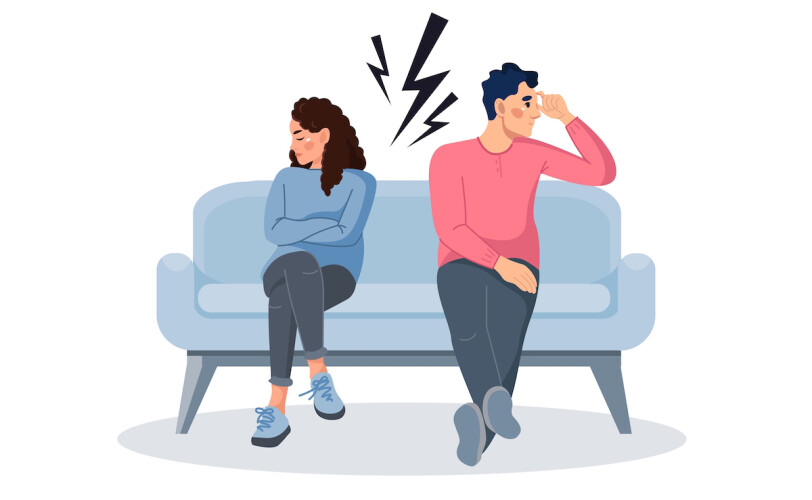
You may logically know that someone cares about you, yet emotionally feel certain they will leave. You may crave closeness but panic when you get it. You may feel deeply affected by silence, distance, or perceived rejection—without fully understanding why.
What Is Fear of Abandonment?
The fear of abandonment is an intense emotional fear of being left, rejected, replaced, or emotionally disconnected from someone important. It is not simply a preference for closeness—it is a deep sense of emotional threat tied to separation or perceived loss.
This fear often lives beneath the surface and may not always be obvious. Many people with abandonment fear appear confident, independent, or emotionally strong on the outside, while internally feeling anxious and unsafe in relationships.
Fear vs. Reality
Fear of abandonment is rarely about what is happening in the present. Instead, it is about what the nervous system expects to happen based on past emotional experiences.
- Reality: Someone is busy or needs space
- Nervous system response: “I am about to be left”
This mismatch can create ongoing emotional distress, even in healthy relationships.
Why Do I Have Fear of Abandonment?
One of the most common questions people ask is: “Why do I have fear of abandonment?”
This fear does not appear randomly. It develops through emotional experiences that taught your brain that connection is unstable, unsafe, or conditional.
Common Roots of Abandonment Fear
- Inconsistent caregiving
- Emotional neglect
- Feeling unseen or unheard as a child
- Unpredictable affection
- Conditional love
- Repeated emotional disappointments
Importantly, abandonment fear does not require a parent or partner to physically leave. Emotional absence can be just as impactful.
Attachment and Early Learning
In early life, we learn whether relationships are safe. If emotional support was inconsistent or unavailable, the brain adapts by staying alert to signs of loss. This hypervigilance becomes the fear of abandonment in adulthood.
What Is Emotional Abandonment?
Emotional abandonment occurs when a person’s emotional needs are consistently ignored, minimized, or dismissed—especially during vulnerable moments.
Unlike physical abandonment, emotional abandonment is subtle and often invisible.
Examples of Emotional Abandonment
- Caregivers who were physically present but emotionally unavailable
- Being punished or ignored for expressing emotions
- Being told you were “too sensitive”
- Feeling like love had to be earned
Children in these environments often learn that connection is unreliable, leading to fear of abandonment later in life.
How Do I Tell If I Have Abandonment Issues?
Fear of abandonment shows up in patterns, not just feelings.
Emotional Signs
- Intense anxiety when someone pulls away
- Fear of being replaced or forgotten
- Strong emotional reactions to perceived rejection
- Persistent insecurity in relationships
Behavioral Patterns
- People-pleasing
- Over-explaining or over-texting
- Difficulty setting boundaries
- Staying in unhealthy relationships to avoid being alone
Internal Thought Patterns
- “I’m too much”
- “They will leave once they really know me”
- “I have to prove my worth”
These patterns are not character flaws—they are survival strategies.
Why Do I Have Abandonment Issues If I Was Never Abandoned?
This question causes deep confusion and self-doubt.
You can have abandonment issues even if no one physically left you.
Emotional Absence vs. Physical Absence
A caregiver can be present but emotionally unavailable. Inconsistent emotional connection teaches a child that love is unstable.
Examples include:
- Parents overwhelmed by stress
- Emotionally immature caregivers
- Households where feelings were ignored
The nervous system does not distinguish between physical and emotional loss—it only registers safety or threat.
How Fear of Abandonment Shows Up in Adult Relationships
In adulthood, abandonment fear often reappears in romantic relationships.
Common Relationship Patterns
- Anxious attachment
- Clinging followed by withdrawal
- Fear of conflict
- Difficulty trusting reassurance
You may crave closeness but feel overwhelmed once you have it, creating a push-pull dynamic that is exhausting for both partners.
The Brain and Nervous System Behind Abandonment Fear
Fear of abandonment is not just psychological—it is neurological.
Key Systems Involved
- Amygdala: detects threat and triggers fear
- Nervous system: shifts into fight-or-flight
- Attachment system: seeks safety through connection
When attachment feels threatened, the nervous system reacts as if survival is at risk. This is why abandonment fear feels so intense and illogical.
How to Heal Fear of Abandonment
Healing the fear of abandonment is not about becoming emotionally detached. It is about building internal safety.
Regulation Before Reassurance
The nervous system must learn that connection can exist without danger.
Healing focuses on:
- Emotional regulation
- Self-soothing
- Secure internal attachment
- Rewriting relational expectations
Therapy and Support
Trauma-informed or attachment-focused therapy can help safely explore and heal abandonment wounds without blame or pressure.
Practical Steps to Reduce Abandonment Anxiety
Grounding Techniques
- Slow, deep breathing
- Physical movement
- Sensory awareness
Emotional Boundaries
- Notice when fear is driving behavior
- Practice pausing before reacting
- Separate past fear from present reality
Self-Compassion
Fear of abandonment often comes with shame. Treating yourself with kindness reduces its power.
Frequently Asked Questions About Fear of Abandonment
Is fear of abandonment a trauma response?
Yes. It often develops from emotional neglect or inconsistent attachment experiences.
Can abandonment issues go away?
Yes. With awareness and emotional safety, the fear can significantly reduce.
Is fear of abandonment linked to anxiety?
Yes. It is commonly connected to anxious attachment and chronic anxiety.
How long does healing take?
Healing is gradual and non-linear. Many people notice improvement within months of consistent work.