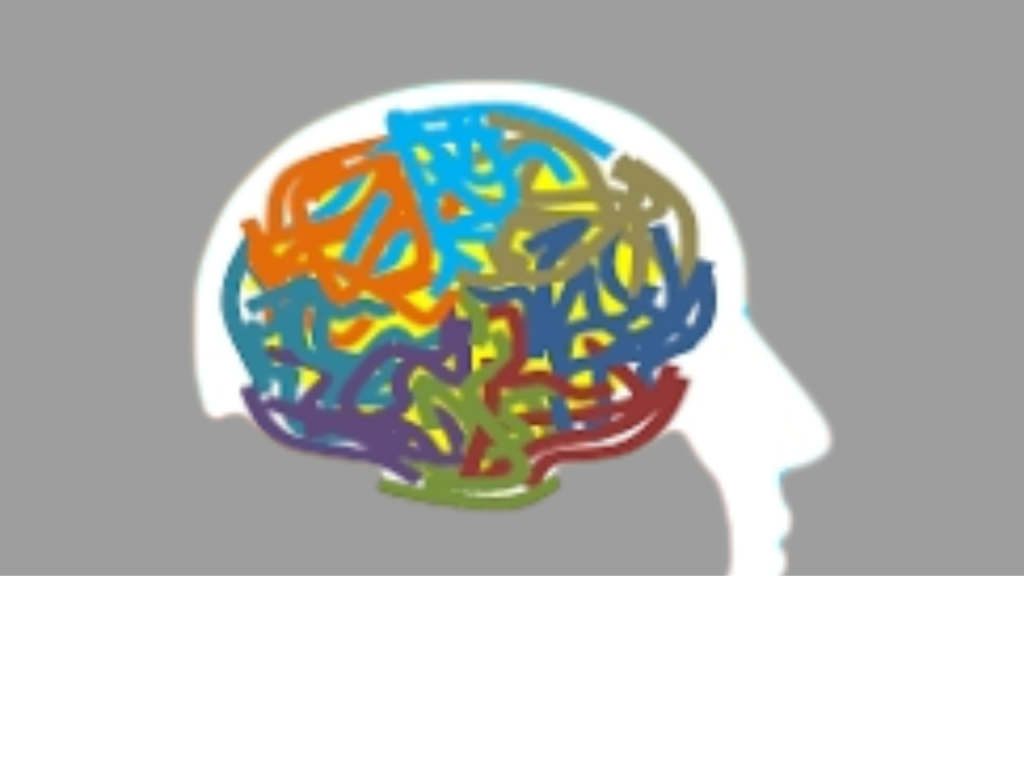
Living with a constant fear that something bad is about to happen can feel exhausting, terrifying, and deeply confusing. Even when everything seems fine on the outside, your mind may stay stuck in danger mode—anticipating disasters, imagining worst-case scenarios, and preparing for threats that never arrive. This invisible fear can quietly take over your peace, your sleep, your relationships, and your confidence in life.
If you feel this way, you are not weak, broken, or dramatic. You are experiencing a real psychological and nervous-system response that millions of people struggle with every day. The good news is that this kind of fear is understandable, treatable, and reversible with the right tools and support.

What Does “Constant Fear of Something Bad Happening” Really Mean?
Constant fear of something bad happening is not just ordinary worry. It is a persistent sense of dread, uneasiness, or threat that stays active even when there is no clear danger present. People often describe it as:
- “I always feel like something terrible is about to happen.”
- “I can’t relax because my mind is always waiting for bad news.”
- “Even on good days, I feel nervous for no reason.”
- “I feel unsafe even when I’m safe.”
This state is often driven by:
- Anticipatory anxiety
- Catastrophic thinking
- Hypervigilance
- Trauma conditioning
- An overactive fear response in the brain
Your brain is not trying to harm you—it is trying to protect you. Unfortunately, when this system becomes overactive, it starts seeing danger everywhere.
Psychological Causes of Constant Fear
Several mental and emotional conditions can create a constant fear response:
1. Generalized Anxiety Disorder (GAD)
GAD creates nonstop worry about the future, health, family, money, safety, and uncontrollable events. The fear feels uncontrollable and exhausting.
2. Post-Traumatic Stress Disorder (PTSD)
Trauma teaches the brain that danger can happen anytime. Even when the trauma is over, the body stays stuck in survival mode.
3. Panic Disorder
Repeated panic attacks make the brain fear fear itself. People start staying on edge, waiting for the next attack.
4. Childhood Emotional Neglect
Growing up without emotional safety can wire the nervous system to stay alert for rejection, abandonment, or danger.
5. Health Anxiety
Constant scanning for bodily symptoms and fear of illness keeps the mind locked in threat mode.
6. Phobias
Specific fears (like death, illness, driving, crowds, or flying) can spread into general fear about life.
7. Chronic Stress & Burnout
When stress stays too long, the nervous system never returns to calm.
Physical and Emotional Symptoms
Constant fear does not only live in your thoughts—it lives in your body.
Physical Symptoms
- Racing heart
- Shortness of breath
- Chest tightness
- Dizziness
- Nausea
- Muscle tension
- Fatigue
- Cold hands and feet
Emotional & Mental Symptoms
- Intrusive thoughts
- Overthinking
- Restlessness
- Irritability
- Emotional numbness
- Difficulty concentrating
- Fear of losing control
- Fear of dying
- Feeling detached from reality
How Constant Fear Affects Daily Life
Over time, constant fear can silently shrink your life:
- You avoid people, places, and opportunities
- You struggle with relationships
- You hesitate to plan your future
- You feel disconnected from joy
- You doubt your abilities
- You feel trapped inside your own mind
Living this way is not truly living—it is surviving.
What Is the 3-3-3 Rule for Anxiety?
The 3-3-3 rule is a simple grounding technique designed to pull your mind out of panic and back into the present moment.
Here’s how it works:
- Name 3 things you can see
- Name 3 sounds you can hear
- Move 3 parts of your body
This technique works because:
- It interrupts catastrophic thinking
- It stimulates the rational part of the brain
- It signals safety to the nervous system
You can use the 3-3-3 rule during:
- Panic attacks
- Intense fear episodes
- Intrusive thoughts
- Trauma flashbacks
- Social anxiety
It is not a cure—but it is a powerful first-aid tool for fear.
The Difference Between Fear, Anxiety, Phobia, and Trauma-Based Fear
| Fear Type | What It Is |
|---|---|
| Normal Fear | Reaction to real danger |
| Anxiety | Constant worry about possible danger |
| Phobia | Intense, irrational fear of a specific thing |
| Trauma Fear | Nervous system stuck in survival mode |
Understanding the source of your fear is essential for healing.
How to Remove Phobia from the Mind
Phobias are learned fear responses—and what is learned can be unlearned.
1. Gradual Exposure
Slowly and safely facing the feared object or situation teaches the brain that it is not dangerous.
2. Cognitive Behavioral Therapy (CBT)
CBT helps you challenge distorted fear thoughts and replace them with realistic thinking.
3. Visualization
Mentally rehearsing calm exposure retrains the brain without real danger.
4. Desensitization
Repeated small exposures weaken the fear connection.
5. Lifestyle Support
- Regular exercise
- Reduced caffeine
- Better sleep
- Stress management
Phobias do not fade by avoidance—they fade by gentle, consistent confrontation.
Trauma and Constant Fear: The Hidden Link
Trauma physically reshapes the fear system in the brain. The amygdala (fear center) becomes overactive, while the rational brain becomes suppressed during threat perception. This creates:
- Emotional flashbacks
- Body-based fear responses
- Hypervigilance
- Dissociation
- Night terrors
- Startle responses
Your body may react with terror even when your mind says, “I’m safe.”
How to Overcome Trauma Fear
Healing trauma fear is not about forcing bravery—it is about teaching safety to the nervous system.
1. Grounding Techniques
- 5-4-3-2-1 sensory grounding
- Cold water on the face
- Holding textured objects
2. Somatic Healing
- Slow breathing
- Gentle stretching
- Body scanning
3. Inner Child Healing
Trauma often lives in the wounded child within. Self-compassion rebuilds emotional safety.
4. Evidence-Based Therapies
- EMDR
- Trauma-focused CBT
- Somatic experiencing
5. Building Safe Relationships
Healing happens faster in safe connections.
Why Fear Feels Uncontrollable
Fear becomes uncontrollable when:
- The fight-flight-freeze response dominates
- The nervous system is dysregulated
- Thoughts and emotions loop into each other endlessly
Once fear activates, it feeds itself—unless interrupted.
How to Deal with Intense Fear
When fear becomes overwhelming, your goal is not to think—it is to regulate your body first.
Immediate Fear Relief Tools
- Slow belly breathing
- Ice pack on chest or neck
- Naming objects around you
- Press your feet firmly into the ground
- Speak calming phrases out loud
Mental Reframing
- “This is fear, not danger.”
- “My body is reacting, not predicting.”
- “This feeling will pass.”
Fear cannot stay at peak forever—it naturally rises and falls.
Daily Habits That Reduce Chronic Fear
- Consistent sleep routine
- Balanced nutrition
- Walking or stretching daily
- Reduced caffeine
- Journaling fears
- Mindfulness practices
- Sun exposure
- Limiting doom-scrolling
Small habits practiced daily slowly rewire fear circuits.
How to Stop Overthinking and Catastrophic Thoughts
- Write down your fears
- Challenge unrealistic predictions
- Ask: “What is the actual evidence?”
- Set worry time
- Redirect attention intentionally
- Avoid reassurance-seeking loops
You cannot stop thoughts—but you can stop obeying them.
When to Seek Professional Help
You should seek help when:
- Fear controls daily life
- Sleep is constantly disturbed
- Panic attacks are frequent
- Avoidance behaviors increase
- Depression appears
- You feel disconnected from reality
Therapy is not weakness—it is nervous-system retraining.
Success Stories: Healing Is Possible
Many people who once lived in constant fear now live calm, meaningful lives through:
- Therapy
- Self-regulation tools
- Trauma healing
- Support systems
- Patience
The brain is plastic—it can heal at any age.
FAQs: Constant Fear of Something Bad Happening
Is constant fear a mental illness?
It can be a symptom of anxiety disorders or trauma but is not always a standalone illness.
Can fear exist without anxiety?
Yes. Trauma and phobias can cause fear without generalized anxiety.
Why do I fear things even when I’m safe?
Because your nervous system remembers past danger, not present safety.
Can trauma cause lifelong fear?
Untreated trauma can—but healing is always possible.
Can fear completely go away?
Fear becomes manageable, background noise instead of a controlling force.
Conclusion: You Are Not Broken—You Are Protecting Yourself
Constant fear of something bad happening is not weakness—it is your nervous system trying to protect you using outdated survival settings. Your body learned fear at some point, but it can also learn safety again.
You do not need to fight your fear.
You need to understand it, regulate it, and gently retrain it.
With time, support, and the right tools:
- Fear softens
- Control returns
- Peace becomes possible again
And slowly—very slowly—you begin to trust life again.