Quick Answer Cold water therapy (cold water immersion, or CWI) is the deliberate exposure to cold water through showers, ice baths, or open-water plunges to trigger the body’s stress-adaptation response. Clinical research links it to sustained dopamine elevation, enhanced vagal tone, and reduced perceived stress. However, it carries significant risks, including cold-shock response and cardiovascular strain, and is contraindicated for individuals with severe autonomic dysregulation or cardiac conditions.
In recent years, cold water therapy has transitioned from a niche athletic recovery tool into a cornerstone of neurobiological wellness. From professional athletes stepping into ice baths to everyday people challenging themselves with cold showers, the appeal now extends well beyond muscle recovery it is actively utilized for mood stabilization, focus, and stress resilience.
But the clinical conversation has matured. People are no longer just asking “what is it?” They are asking nuanced, skeptical questions about the neurochemical reality, safe temperature thresholds, and psychiatric safety. This comprehensive guide breaks down the actual cold water therapy benefits and risks, separating proven neurobiology from social media hype to outline evidence-based protocols for safe practice.
What Is Cold Water Therapy?
Cold water therapy also known as cold water immersion (CWI) is an umbrella term for practices that expose the body to water below normal skin temperature. While often used interchangeably, the specific modalities differ significantly in temperature and clinical application.
|
Modality |
Typical Temperature |
Typical Duration |
Medium |
|
Cold Shower |
60–70°F (15–21°C) |
30 sec – 5 min |
Water (Flowing) |
|
Cold Plunge / Ice Bath |
50–59°F (10–15°C) |
2–10 min |
Water (Immersion) |
|
Open-Water Plunge |
32–50°F (0–10°C) |
Seconds – 2 min |
Natural Water Body |
|
Whole-Body Cryotherapy |
-166°F to -256°F (-110°C to -160°C) |
2–4 min |
Refrigerated Air |
Note: Cryotherapy uses nitrogen-chilled air rather than water, engaging a slightly different thermoregulatory response.
The Neurobiology: How Cold Impacts the Brain and Body
When skin contacts cold water, thermoreceptors instantly transmit sensory signals to the hypothalamus, setting off a rapid, well-documented cascade of physiological and endocrine reactions.
1. The Sympathetic Surge and Catecholamine Cascade
Initial cold exposure triggers an immediate fight-or-flight response. Blood vessels near the skin experience intense vasoconstriction, redirecting oxygenated blood to the core. Simultaneously, the brain releases a massive surge of catecholamines:
- Norepinephrine: Concentrations can increase by up to 530%, causing a sharp spike in alertness, elevated heart rate, and blunted pain perception.
- Dopamine: Studies show cold water immersion can elevate circulating dopamine levels by up to 250%. Unlike artificial, fast-spike rewards, cold-induced dopamine rises steadily and remains elevated for hours, providing sustained mental energy.

2. The Mammalian Dive Reflex & Cold-Shock Proteins
When cold water touches the trigeminal nerve (around the face and neck), it activates the Mammalian Dive Reflex, prompting the heart rate to slow down (bradycardia). Furthermore, deliberate cold exposure stimulates cold-shock proteins (such as RBM3), which researchers are actively studying for their neuroprotective and synaptic repair properties.
Mental Health Benefits: What 2026 Research Shows
The psychological case for cold water therapy centers on its ability to train the autonomic nervous system through hormesis the process where a brief, controlled stressor builds long-term resilience.
A 2026 Stanford Lifestyle Medicine review noted that cold water immersion reliably lifts mood through sustained endorphin and neurotransmitter release. Furthermore, a systematic review published in PLOS One found that regular cold-water immersion resulted in measurable stress reduction and improved self-reported quality of life.
Vagal Tone and Parasympathetic Recovery
The true mental health benefit occurs after the initial shock. By using slow, controlled breathing to override the panic reflex while in the water, practitioners actively engage the parasympathetic nervous system. This strengthens vagal tone, training the brain to downregulate fear signals more efficiently.
For more strategies on engaging this calming pathway, explore our guide on effective vagus nerve regulation techniques.
Clinical Insight from Dr. Adil Farooq:
“In clinical practice, I often see patients mistake the acute adrenaline rush of an ice bath for long-term healing. Cold exposure is incredibly effective for building stress resilience, but it must be done intentionally. The goal isn’t just to survive the cold; the goal is to consciously use your breath to signal safety to your brain while under extreme physical stress. That is where the true neurological rewiring happens.”
Physical Benefits of Cold Water Therapy
- Brown Adipose Tissue (BAT) Activation: Cold exposure activates brown fat, which burns calories to generate heat (thermogenesis). While not a standalone weight-loss cure, it modestly improves metabolic function and insulin sensitivity.
- Reduced Systemic Inflammation: The cycle of vasoconstriction (during the plunge) and vasodilation (after exiting) clears metabolic waste and suppresses pro-inflammatory cytokines, speeding up muscle recovery.
- Immune System Support: Clinical trials indicate that routine cold showers (even just 30–90 seconds) correlate with a nearly 29% reduction in reported sick days, pointing to a bolstered immune response.
Risks, Side Effects, and Psychiatric Contraindications
Cold water therapy offers profound benefits, but it is not universally safe. For specific clinical profiles, it can trigger dangerous physiological and psychological reactions.
Who Should Avoid Cold Water Therapy
- Cardiovascular Patients: Sudden arterial vasoconstriction can cause severe blood pressure spikes and arrhythmias.
- Raynaud’s Disease: Cold exposure can dangerously restrict blood flow to extremities.
- Cold Urticaria: A condition where cold triggers a histamine reaction, causing hives or even systemic anaphylaxis.
Psychiatric Risks: Trauma and Hyperarousal
For individuals managing acute PTSD, severe chronic stress, or panic disorders, the sudden biological shock of cold water can mimic a traumatic event. The rapid surge in heart rate and breathing can trick the brain into a state of hyperarousal. If you are prone to autonomic distress, it is crucial to understand the subtle differences between these physiological triggers such as recognizing a panic attack vs. an anxiety attack before attempting cold immersion.
The Wim Hof Safety Caveat: Avoid combining extreme breath-holding techniques (hyperventilation) with water immersion. This combination has been clinically linked to shallow-water blackout and drowning. Never practice extreme cold-water immersion unsupervised.
How to Start Safely: A Beginner’s Protocol
You do not need to jump into a freezing lake on day one. Follow this progressive adaptation protocol to safely build tolerance.
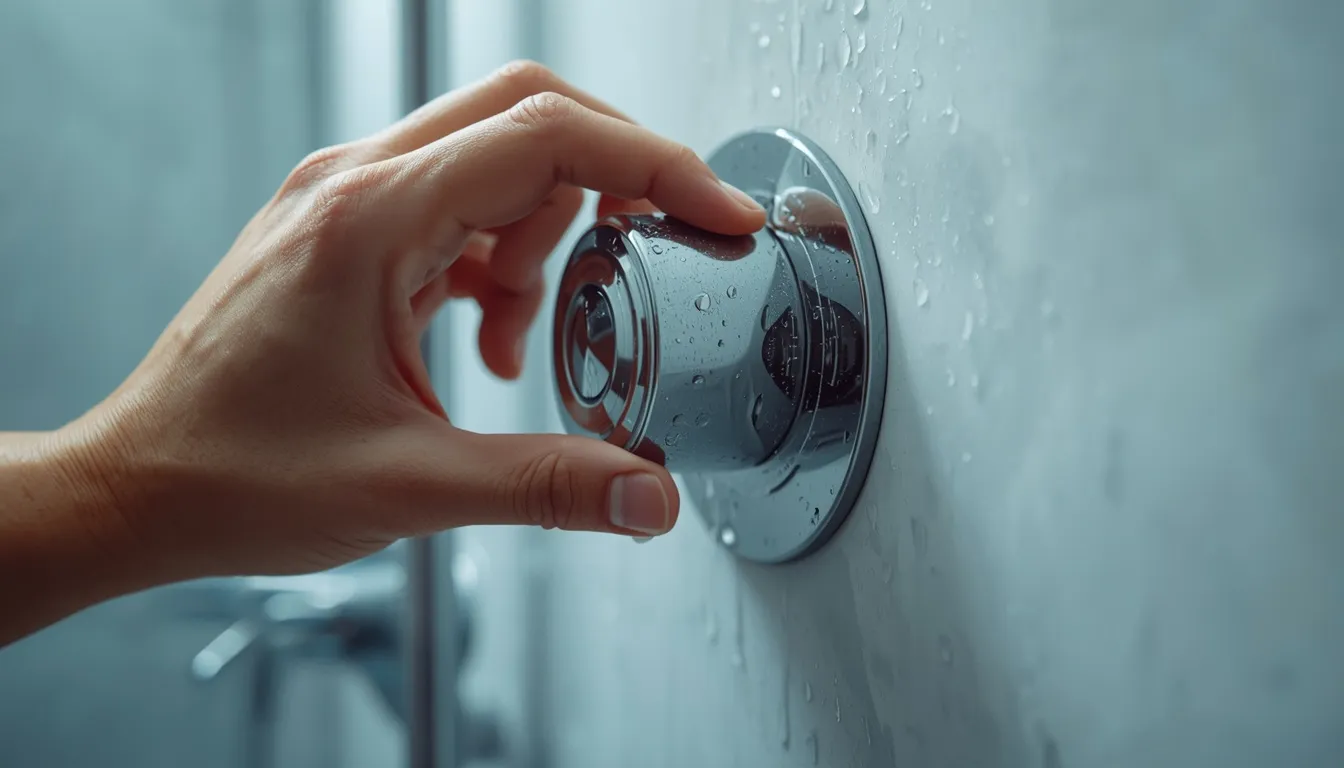
- Level 1: The Cold Finish (Weeks 1–2): Take your normal warm shower. For the final 30 seconds, drop the temperature to roughly 60°F (15°C). Focus on long, controlled nasal exhales to prevent the gasp reflex.
- Level 2: Contrast Therapy (Weeks 3–4): Alternate between 2 minutes of warm water and 45 seconds of cold water for 3 to 4 cycles. Always end on cold to stimulate thermogenesis.
- Level 3: Full Immersion (Month 2+): Transition to a plunge tub (50°F–59°F). Aim for 2 to 3 minutes per session.
- Optimal Weekly Volume: Research suggests that just 11 minutes total per week, divided across multiple sessions, is enough to achieve maximum metabolic and neurochemical benefits.
Post-Immersion Rewarming Mechanics (Avoiding the “Afterdrop”)
A critical yet frequently overlooked safety aspect of cold water immersion is the “afterdrop.” After you exit cold water, chilled blood from your peripheral skin and subcutaneous tissue recirculates back to your core, causing your core body temperature to continue dropping even after you are dressed.
To rewarm safely and prevent autonomic exhaustion:
- Avoid Hot Showers Immediately: Stepping straight into hot water causes rapid peripheral vasodilation, which accelerates the afterdrop and can lead to dizziness or fainting (syncope).
- Prioritize Active Rewarming: Dry off immediately, layer with loose clothing, and engage in gentle movement (such as light walking or horse stance) to generate natural internal heat.
- Warm Drinks: Consume warm (not scalding) non-caffeinated liquids to warm the body gradually from the inside out.
Frequently Asked Questions (FAQ)
What does cold water therapy actually do to your brain?
It triggers the sympathetic nervous system and the mammalian dive reflex, causing a massive release of norepinephrine (alertness) and dopamine (motivation). Once you exit, the parasympathetic nervous system engages, leaving you in a state of calm, focused clarity.
Is cold water therapy good for anxiety and depression?
It can provide a short-term mood lift and build long-term stress resilience. However, it is a complementary practice, not a replacement for medication or therapy. In cases of severe panic disorders, the initial cold shock may temporarily worsen anxiety symptoms.
How long should a cold plunge or cold shower last?
Beginners should start with 30 seconds. For maximum neurobiological benefit, aim for 2 to 5 minutes at 50°F–59°F (10°C–15°C). Exceeding 10 minutes increases the risk of hypothermia without adding significant clinical value.
Can cold water therapy help you lose weight?
Only modestly. It activates brown adipose tissue (BAT) to generate heat, which burns calories. However, it should be paired with proper nutrition and exercise rather than relied upon as a primary weight-loss method.
Is it better to take a cold shower in the morning or at night?
Morning is highly recommended. The surge in cortisol and catecholamines boosts daytime alertness. Practicing cold immersion at night can overstimulate the nervous system and lead to delayed sleep onset.
What happens after 30 days of daily cold showers?
During Week 1, the body experiences acute shock. By Week 2, breathing stabilizes. By Week 4, most practitioners report enhanced baseline mood, sustained energy, and a noticeably higher tolerance for chronic stress in their daily lives.
Medical Disclaimer & E-E-A-T Attribution
This article is for educational purposes and does not replace personalized medical or psychological advice. If you are recovering from a brain injury, trauma, or a mental health condition, work with a licensed clinician to build a plan suited to your situation.
Written by: Adil Farooq, Psychiatry Magazine
Medically reviewed by: [Dr. Adil Farooq MS · PhD] · Updated: 2026