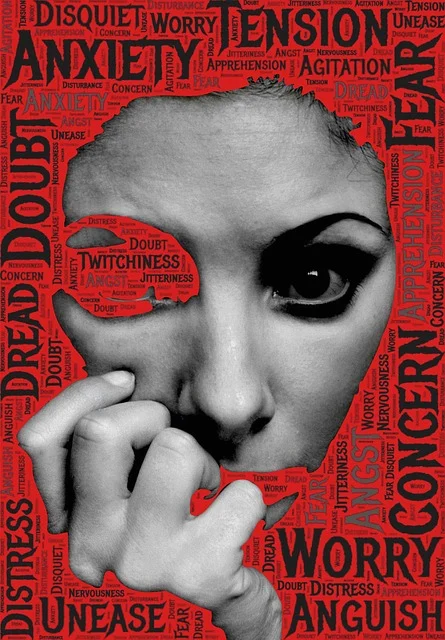
You made it through the day without much trouble. You answered emails, cooked dinner, and even laughed at something on television. Then you turned off the light, and suddenly your mind began replaying an awkward comment from three years ago, a bill due next week, and a vague feeling that something is wrong. If this sounds familiar, you are not alone, and you are not broken.

Understanding anxiety at night causes is the first step toward quieter evenings, because once you know why your mind behaves this way, the experience feels far less frightening. In this guide, you will learn what nighttime anxiety is, why it tends to be stronger after dark, which biological, lifestyle, and medical factors may be involved, and which practical tools can help you settle. You will also learn when it is time to ask a professional for support.
What Is Anxiety at Night?
Anxiety at night, often called nighttime anxiety or bedtime anxiety, is a pattern in which worry, fear, or physical tension becomes stronger in the evening or after you get into bed. It may show up as racing thoughts, a pounding heart, a tight chest, restlessness, or a sense of dread that has no clear source. For some people, it appears only during stressful periods. For others, it happens night after night and begins to shape how they feel about sleep itself.
It helps to know that this is not a separate official diagnosis. Nighttime anxiety is better understood as a way that anxiety can show up, whether it comes from everyday stress or from a condition such as generalized anxiety disorder. It is also extremely common. Many people who feel fairly calm during the day discover that the quiet of the night removes the distractions that were keeping their worries at bay.
If you have ever lain awake thinking, “Why is this happening to me when I was fine an hour ago?”, please remember that your brain is not malfunctioning. It is responding to a particular mix of conditions that makes worry louder. Let us look at what those conditions are.
Anxiety at Night Causes: Why Worries Feel Louder After Dark
The most common explanation is also the simplest. During the day, your attention is constantly pulled outward by work, conversations, noise, and tasks. At night, those distractions disappear. With nothing else competing for attention, your mind turns inward and begins to sort through whatever is unresolved. Problems you pushed aside at 2 p.m. are waiting for you at midnight.
Tiredness makes this worse. When you are exhausted, the part of your brain responsible for reasoning and emotional control, the prefrontal cortex, works less effectively. The emotional centers, including the amygdala, which detects threat, become more reactive. The result is that small worries feel enormous, and your ability to calmly say “that is not as bad as it seems” is weaker than usual.
Darkness and stillness also matter. Lying alone in a quiet room can make bodily sensations more noticeable. A skipped heartbeat, a tight stomach, or a warm face may go unnoticed in daylight, but at night you may interpret them as signs of danger, which increases anxiety and creates a feedback loop.
Rumination plays a major role as well. This is the habit of going over the same thoughts again and again without reaching a solution. At night, rumination often shifts into “what if” thinking about the future or “why did I” thinking about the past. Many people who struggle with this also wonder why they overthink everything, and the honest answer is that a tired, quiet, undistracted brain is simply prone to it. Finally, unprocessed emotions from the day, such as irritation, sadness, or fear, tend to catch up with us when we finally slow down.
Biological Anxiety at Night Causes: What Happens in Your Body
Your body also follows a daily rhythm, and this rhythm can influence how anxious you feel. Cortisol, the main stress hormone, normally peaks in the morning to help you wake up and gradually falls throughout the day, reaching its lowest point around midnight. In people under chronic stress, this pattern can become disrupted. Cortisol may stay higher than it should in the evening, keeping the body in a state of alertness when it should be winding down.
Melatonin, the hormone that signals sleep, rises in the evening as it gets dark. Bright light from screens and indoor lighting can delay this rise, leaving you tired but wired. Your internal body clock, known as the circadian rhythm, also thrives on regular timing. Irregular bedtimes and wake times can confuse it, making it harder for your nervous system to relax.

Blood sugar is another often overlooked factor. If you skip dinner or eat a very sugary meal, your blood sugar may dip overnight, triggering the release of adrenaline to bring it back up. That surge can cause a racing heart, sweating, or sudden waking with a feeling of panic. Learning to recognize nervous system dysregulation, a state where your body stays on high alert even when there is no danger, can also help explain why your body seems to sound an alarm at bedtime. These biological patterns are not your fault, and many of them can be adjusted with simple changes.
Lifestyle Anxiety at Night Causes You Can Change
Some of the most powerful contributors to nighttime anxiety are daily habits, and the encouraging news is that habits can be changed. Caffeine is the classic example. It stays in your system for many hours, and an afternoon coffee or energy drink can still be active at bedtime, increasing heart rate and restlessness. Nicotine is also a stimulant, and smoking or vaping close to bedtime can keep your body activated.
Alcohol is trickier because it feels relaxing at first. A drink may help you fall asleep faster, but as your body processes it, sleep becomes lighter and more fragmented. Many people wake in the early hours with a pounding heart, sweating, and a rush of anxious thoughts, sometimes called “hangxiety.” Over time, using alcohol to calm nighttime anxiety can make both anxiety and sleep worse.
Screens deserve special attention. Scrolling through news, social media, or messages in bed exposes you to bright light and a constant stream of emotional content. Doomscrolling, which means endlessly reading distressing news, can leave your mind buzzing with threats just as you are trying to switch off. Work emails and late-night conversations have a similar effect, because they keep your brain in problem-solving mode.
Other habits matter too. An irregular sleep schedule, heavy meals close to bedtime, lack of exercise, and having no wind-down routine can all contribute. Many people go straight from a busy day to lights out, then wonder why their minds will not slow down. Your brain needs a runway to land, and without one it often circles for hours.
Hidden Anxiety at Night Causes: Medical and Mental Health Conditions
Sometimes nighttime anxiety is a sign of something more than stress or habits. Generalized anxiety disorder involves persistent, hard-to-control worry about many areas of life, and it often becomes most noticeable at night. Panic disorder can cause sudden surges of fear, including attacks that wake you from sleep. Post-traumatic stress disorder may bring nightmares, flashbacks, and a feeling of danger when the world gets quiet and dark. Obsessive-compulsive disorder can cause intrusive thoughts that feel especially intense at bedtime.
Depression and anxiety frequently occur together, and early morning waking with anxious thoughts is common in depression. Some people also experience what looks like calm during the day but struggle privately, a pattern explained in masked depression signs. Attention deficit hyperactivity disorder is another important link. Many adults with ADHD find that their minds speed up at night, and women in particular may spend years hiding their struggles, as described in ADHD masking in women, only to feel overwhelmed once the day’s performance ends.

Physical health conditions can also play a role. An overactive thyroid can cause a racing heart, tremor, and anxiety. Sleep apnea, a condition in which breathing repeatedly pauses during sleep, can cause sudden wake-ups with a feeling of panic or breathlessness. Hormonal changes, including those linked to the menstrual cycle, pregnancy, and perimenopause, can increase nighttime anxiety and sleep disruption. Certain medications, such as some decongestants, steroids, and stimulants, may contribute, and stopping some medicines or substances suddenly can trigger rebound anxiety. Because so many conditions overlap, a medical check is wise if your symptoms are frequent or severe. Please do not change or stop any medication on your own without speaking to your doctor.
Nocturnal Panic Attacks vs Night Anxiety: What Is the Difference?
Not every anxious night is the same, and it is useful to know the difference between ordinary bedtime worry and a nocturnal panic attack. Night anxiety usually builds gradually as you lie awake. You feel tense, your thoughts race, and sleep seems out of reach, but your fear stays within a manageable range.
A nocturnal panic attack is much more sudden. You wake from sleep, often within a few hours of falling asleep, with intense fear, a pounding heart, shortness of breath, sweating, trembling, chest tightness, or a sense that something terrible is about to happen. It can feel like a heart attack, which makes it especially frightening. The peak is usually reached within minutes, and the worst of it typically settles within 10 to 20 minutes, though the aftermath can leave you shaken and unable to sleep again.
If you want a deeper comparison, reading about anxiety attack vs panic attack can help you understand the distinctions. The most important point is this: if you experience chest pain, trouble breathing, or symptoms that feel different from anything you have had before, seek urgent medical care. A doctor should rule out heart, lung, and other physical causes before concluding that panic is responsible. Once those are checked, knowing that panic attacks are frightening but not dangerous can make them easier to face.
How Anxiety and Insomnia Feed Each Other
Anxiety and poor sleep often form a loop that is hard to escape. When you are anxious, it is difficult to fall asleep. When you do not sleep well, your brain becomes more reactive the following day, and anxiety rises. By the evening, you are more worried than before, and the cycle repeats.
A second loop develops around sleep itself. After a few bad nights, many people begin to fear the bed. You may start thinking, “I must fall asleep right now or tomorrow will be ruined,” which creates performance pressure. Ironically, trying hard to sleep activates the very alertness that keeps you awake. Clock watching adds to the problem. Every glance at the time brings a new calculation of how many hours remain, followed by a fresh wave of worry.
Over time, the bedroom can become associated with frustration rather than rest. Sleep experts call this conditioned arousal, and it explains why some people feel sleepy on the couch but wide awake the moment they enter their bedroom. The good news is that these patterns can be unlearned, and structured approaches such as cognitive behavioral therapy for insomnia are very effective at breaking the cycle.
Anxiety at Night Symptoms to Watch For
Nighttime anxiety affects the mind, the body, and behavior. Emotionally, you may notice constant worry, dread, irritability, or a feeling of being on edge. Mentally, there may be racing thoughts, difficulty switching off, catastrophic thinking, and trouble concentrating the next day.
Physically, common symptoms include a fast or pounding heartbeat, tight chest, shallow breathing, muscle tension, sweating, trembling, nausea, stomach discomfort, and feeling hot or cold. Some people wake suddenly in the night with a jolt, or lie awake for hours despite feeling exhausted.
Behaviors can reveal nighttime anxiety too. You might delay bedtime to avoid lying down with your thoughts, scroll your phone until you collapse, check the clock repeatedly, or rely on alcohol or sleep aids to cope. The following day, fatigue, low mood, and difficulty focusing are common. If these symptoms last for several weeks, they deserve attention, even if each individual night feels manageable.
How to Calm Anxiety at Night: Practical Techniques That Help
While the right long-term plan depends on the cause, there are gentle, evidence-based tools you can start using tonight. Begin with the hour before bed. Create a wind-down routine that signals safety to your brain, such as dimming the lights, taking a warm shower, stretching, reading something light, or listening to calm music. Keeping the routine consistent matters more than the specific activities, because your brain learns to associate it with sleep.
One of the most useful habits is a worry download earlier in the evening. Set aside ten minutes after dinner to write down everything on your mind, along with one small next step for each concern. This tells your brain that the problems have been recorded and will be dealt with tomorrow, so they do not need to circle all night. If thoughts still pop up in bed, remind yourself, “I have already written this down, and I can deal with it in the morning.”
Slow breathing is a quick way to calm your body. Try breathing in gently through your nose for four counts, then breathing out slowly through your mouth for six counts, repeating for a few minutes. Longer exhales help activate the body’s relaxation response. Progressive muscle relaxation, where you tense and then release each muscle group from your toes to your face, can also ease physical tension.
When your mind is racing, grounding can pull you back to the present. The 5 4 3 2 1 grounding technique invites you to notice five things you can see, four you can touch, three you can hear, two you can smell, and one you can taste, which shifts attention from worry to the senses. If you want more tools for racing thoughts at night, it also helps to practice simply naming your thoughts as “just thinking” and letting them pass without arguing with them.
Finally, avoid fighting wakefulness. If you have been awake for about twenty minutes and feel more frustrated than sleepy, get up, move to a dim, quiet space, and do something calm until you feel drowsy. Then return to bed. This protects the link between your bed and sleep. Keep a consistent wake time, get morning daylight, limit caffeine after midday, and keep screens out of the last hour before bed. Change one or two things at a time, rather than trying to overhaul your whole routine overnight.
Long-Term Treatment for Nighttime Anxiety
If self-help strategies are not enough, professional treatment can make a lasting difference. Cognitive behavioral therapy is one of the most effective treatments for anxiety. It helps you identify unhelpful thought patterns, test them against reality, and build healthier responses. A specialized version, cognitive behavioral therapy for insomnia, targets the habits and beliefs that keep sleep problems going, and many people see improvement within a few weeks. Exploring different types of therapy can help you find an approach that suits your personality and needs.
Medication may be recommended in some cases, particularly when anxiety is severe or accompanied by depression or panic disorder. Several types of medicines can help, and a doctor or psychiatrist will weigh the benefits and risks based on your situation. Some sleep aids can cause dependence or worsen anxiety over time, so they should only be used under medical guidance. Please do not start or stop medication without speaking to a professional.
Treating underlying conditions is equally important. If a thyroid problem, sleep apnea, hormonal change, ADHD, or depression is contributing, addressing it often reduces nighttime anxiety significantly. Be patient with the process. Progress is rarely a straight line, and a few bad nights do not mean treatment has failed. Most people improve steadily when they combine good sleep habits, professional support, and self-compassion.
When to See a Doctor or Mental Health Professional
It is worth seeking help if nighttime anxiety lasts longer than a few weeks, happens most nights, or begins to interfere with your work, relationships, or mood. The same applies if you are having panic attacks, relying on alcohol or sleep medication to cope, or feeling constantly exhausted and overwhelmed.
Seek urgent medical attention if you have chest pain, difficulty breathing, fainting, or symptoms that feel different from your usual anxiety, since these need to be checked for physical causes. If you are unsure who to see first, reading about when to see a psychiatrist can help you decide between your family doctor, a therapist, and a psychiatrist. If you ever have thoughts of harming yourself or feel unsafe, contact your local emergency number or a crisis helpline immediately. You do not need to wait until things feel unbearable, and asking for help is a sign of strength.
Frequently Asked Questions
What are the main anxiety at night causes?
The main causes include fewer distractions at night, tiredness that weakens emotional control, rumination, elevated stress hormones, and habits such as caffeine, alcohol, and late-night screen use. Underlying conditions such as generalized anxiety disorder, panic disorder, depression, ADHD, thyroid problems, and sleep apnea can also contribute. Often, several causes combine.
Why is my anxiety worse at night?
Your anxiety feels worse at night because the quiet removes daytime distractions, leaving your mind free to focus on worries. Fatigue also lowers your ability to think calmly, and stress hormones may remain elevated. Bodily sensations become more noticeable in the dark, which can feed anxious thoughts and create a loop.
Is it normal to wake up with anxiety in the middle of the night?
It is common, especially during stressful periods. Causes include high stress hormones, blood sugar changes, alcohol, sleep apnea, and nocturnal panic attacks. If it happens often, or if you wake with chest pain or breathing trouble, speak with a doctor to rule out medical causes and find the right treatment.
How do I stop racing thoughts at night?
Try writing a worry list earlier in the evening, practicing slow breathing, and using grounding methods such as noticing things around you. Avoid screens before bed and keep a consistent routine. If you cannot sleep after about twenty minutes, get up and do something calm until you feel sleepy, then return to bed.
Can anxiety at night cause panic attacks?
Yes. Some people wake from sleep with sudden intense fear, a pounding heart, and shortness of breath, which are called nocturnal panic attacks. They are frightening but not dangerous in themselves. Because the symptoms can resemble heart or breathing problems, it is wise to see a doctor to rule out physical causes.
Does anxiety at night mean I have an anxiety disorder?
Not necessarily. Occasional nighttime anxiety is common and often linked to stress or habits. However, if it happens most nights, lasts for weeks, or affects your daily life, it may point to an anxiety disorder or another condition. Only a qualified professional can diagnose this after a proper assessment.
What is the best treatment for anxiety at night?
The best treatment depends on the cause. Cognitive behavioral therapy and cognitive behavioral therapy for insomnia are highly effective, along with healthy sleep habits and stress management. Some people benefit from medication prescribed by a doctor. Treating related conditions, such as thyroid problems or sleep apnea, can also help significantly.
Conclusion
Understanding anxiety at night causes can take away much of the fear that makes those long hours so painful. Your mind is not betraying you. It is responding to quiet, tiredness, stress hormones, habits, and sometimes underlying health conditions that all come together after dark. The encouraging truth is that most of these factors can be improved, whether through a calmer evening routine, better habits, professional therapy, or treatment of an underlying condition.
Start small tonight. Choose one thing, such as writing down your worries before dinner or putting your phone away thirty minutes earlier, and give it a fair try. If your nights stay difficult, reach out to a doctor or mental health professional, because you deserve rest and you do not have to figure this out alone. If you are ever in crisis or feel unsafe, please contact your local emergency services or a crisis helpline right away.