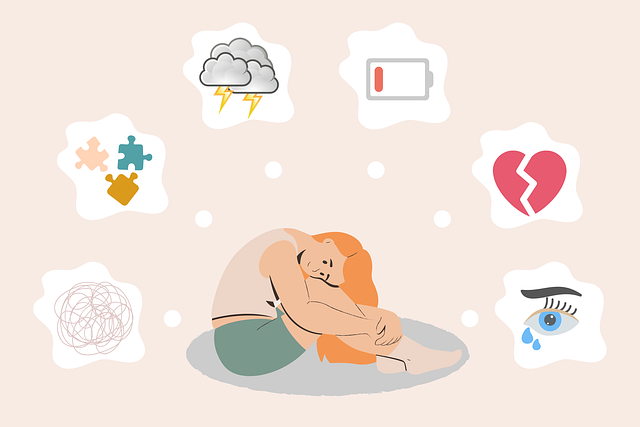
Quick AnswerThe best jobs for people with PTSD are typically predictable, low-stimulation roles with flexible schedules, think remote work, library or archival careers, gardening, or skilled trades with a steady routine. There’s no single right answer; the ideal career depends on your specific triggers, but ADA-protected workplace accommodations can make almost any job more sustainable. |
Why Career Choice Matters So Much When You Have PTSD
If you’re living with PTSD, you already know a job isn’t just a job. It’s eight or more hours a day spent inside an environment that either supports your nervous system or quietly wears it down. Picture this: you’re three weeks into a new role in an open-plan office. A stapler drops behind you. Before you’ve consciously registered the sound, your heart is pounding, your shoulders are up around your ears, and you’re scanning the room for the nearest exit. Your coworkers barely noticed. You spend the next twenty minutes trying to talk your body down while pretending to review a spreadsheet.
That reaction is hyperarousal, the nervous system’s tendency to stay locked in a state of high alert long after real danger has passed. Paired with hypervigilance, the exhausting habit of constantly scanning your surroundings for threats, it can turn an ordinary workday into a marathon of self-management. That isn’t a character flaw or a lack of professionalism. It’s a well-documented trauma response, and it’s exactly why the environment you work in matters as much as the title on your business card.
PTSD at Work vs. Everyday Job Stress
Almost everyone feels stressed at work sometimes, a tight deadline, a difficult boss, an overflowing inbox. That’s normal, and even people without a trauma history can develop a workplace anxiety disorder in response to chronic job pressure. PTSD-related work difficulty is different. It isn’t simply “I don’t love my job.” It’s your body reacting as though a past threat is happening again: a raised voice that echoes an old argument, a locked door that mirrors a memory, a routine performance review that triggers a full-body flight response. Recognizing that difference matters, because the fix isn’t always “manage your stress better.” Sometimes it’s identifying your specific triggers and either steering away from roles that stack them on top of each other, or requesting accommodations that remove them.
Complex PTSD and the Challenge of Office Dynamics
For people with complex PTSD, the form that develops after prolonged or repeated trauma, such as childhood abuse, long-term domestic violence, or extended combat exposure, workplace challenges often run deeper than sensory triggers alone. Complex PTSD frequently affects trust, emotional regulation, and the ability to read ambiguous social situations, which can make something as ordinary as office politics feel like navigating a minefield. A passive-aggressive email, an unclear chain of command, or a coworker’s mixed signals can trigger disproportionate anxiety or shutdown, not because you’re “too sensitive,” but because your nervous system learned, for good reason, that ambiguity in relationships can be dangerous. Recognizing this can help you prioritize workplaces with clear communication norms and stable teams over ones that reward political maneuvering.
The Best Jobs and Careers for People Living with PTSD
When people search for jobs for people with PTSD, they’re usually not looking for a single “PTSD-friendly job title.” They’re looking for a category of work: predictable, low-sensory, and within your control. The five categories below are a starting point, not a checklist, the right fit always depends on your personal trigger profile.
Low-Stimulation, Predictable Environments
Roles with quiet, structured environments and minimal unpredictable interruptions tend to reduce baseline hyperarousal.
- Archivist or librarian, solitary, orderly work with minimal sensory chaos.
- Data entry specialist or data analyst, clear tasks, few surprises, often flexible hours.
- Bookkeeper or accountant, rule-based, detail-oriented work with predictable deadlines.
- Laboratory technician, structured protocols and a controlled physical environment.
- Proofreader or copyeditor, independent, deadline-driven, but rarely crisis-driven.
Remote and Flexible Work
Remote roles hand you control over lighting, noise, and interruptions, three of the biggest triggers for hyperarousal.
- Freelance writer or content strategist, set your own hours and workspace.
- Virtual assistant, task-based, asynchronous communication reduces surprise interactions.
- Software developer or web designer, deep, focused work with minimal drop-in interruptions.
- Online tutor or e-learning instructor, scheduled, one-on-one or small-group sessions.
- Customer support (chat or email-based), written communication buffers you from unpredictable tone or volume.
Nature-Based and Physically Grounding Roles
Movement and time outdoors both support nervous system regulation, helping bring the body out of a fight-or-flight state.
- Landscaper or gardener, physical, repetitive, outdoor work with visible progress.
- Farm or agricultural work, structured seasonal routines, often solo or small-team.
- Pet care or dog walking, low-conflict, physically active, animal companionship.
- Park or trail maintenance, solitary outdoor labor with clear tasks.

Creative and Independent Careers
Creative work offers something rare: a legitimate reason to control your own schedule, pace, and environment.
- Visual artist or illustrator, self-directed projects and flexible deadlines.
- Photographer, project-based work with built-in variety and autonomy.
- Craftsperson (woodworking, pottery, textiles), tactile, repetitive, meditative work.
- Novelist or freelance writer, deep-focus work done largely alone.
Structured, Rule-Based Roles
For some trauma survivors, especially veterans, clear hierarchy and defined procedures feel more stabilizing than open-ended creative work.
- Skilled trades (electrician, HVAC technician, plumber), clear procedures, tangible results, often solo or small-crew.
- IT or network administration, rule-governed systems with predictable troubleshooting steps.
- Quality control inspector, detail-focused, checklist-driven work.
- Long-haul or regional trucking, solitude and routine, though isolation is a real trade-off to weigh.
Work Environments to Approach with Caution
No job is universally “bad” for PTSD, it depends entirely on your triggers. That said, a few environments tend to stack multiple stressors at once:
- Open-plan offices with no quiet space, constant ambient noise and visibility can keep hypervigilance switched on all day.
- High-pressure, customer-facing roles with unpredictable conflict, retail, hospitality, or collections work where you can’t control who walks in or what they say.
- Jobs with rotating or last-minute schedule changes, unpredictability itself can be a trigger, independent of the work.
- Environments with frequent loud or sudden noise, construction sites, warehouses, or venues without reliable hearing protection.
- High-conflict, politically charged workplaces, especially relevant for complex PTSD, where reading ambiguous social cues is already exhausting.
Your Rights: Workplace Accommodations Under the ADA
PTSD that substantially limits a major life activity, concentration, sleep, or social interaction, for example, is generally covered as a disability under the Americans with Disabilities Act. That means you may be entitled to reasonable workplace accommodations, and employers are legally prohibited from firing, demoting, or refusing to hire someone simply because they disclose a PTSD diagnosis. The EEOC’s guide on depression, PTSD, and other mental health conditions in the workplace lays out these protections in plain language, including how to request accommodations.
Common, low-cost accommodations include:
- A quiet workspace or permission to use noise-canceling headphones
- Flexible start times or a modified break schedule
- Written instructions instead of verbal-only directions
- Advance notice of schedule or workspace changes
- Permission to step away briefly during a flashback or panic response
- Approval to work remotely on high-symptom days, where the role allows it

You are not legally required to disclose your diagnosis to get hired, and you can request accommodations without sharing every detail of your trauma history, a simple “I have a medical condition that’s sometimes affected by X” is enough to start the conversation.
A Step-by-Step Approach to Career Planning with PTSD
Career planning with PTSD works best as an ongoing process, not a one-time decision. Here’s a practical starting sequence:
- Map your specific triggers. Keep a simple log for two weeks noting what happens right before you feel overwhelmed at work or in interviews, noise, tone of voice, lack of notice, crowding.
- Identify your non-negotiables. Decide what you truly can’t compromise on (schedule predictability, autonomy, sensory environment) versus what you could tolerate with support.
- Research company culture, not just the job description. Ask about typical schedule stability, noise levels, and management style during interviews, you’re allowed to interview them too.
- Decide how (and whether) to disclose. You’re never obligated to share your diagnosis, but knowing your options in advance makes the decision less stressful if the topic comes up.
- Draft accommodation requests before you need them. Having a short list ready means you’re not scrambling to advocate for yourself mid-crisis.
- Build a reset plan for hard days. Know in advance what you’ll do if you’re triggered at work, a place to step away to, a person to text, a breathing technique you’ve practiced.
- Revisit the plan every six to twelve months. Healing isn’t linear, and neither is career fit; what worked in year one of recovery may look different in year three.
Regulating Your Nervous System During the Workday
Even in a well-matched job, workdays will occasionally bring triggers. A few low-disruption tools for nervous system regulation can help you recover faster without leaving your desk:
- Paced breathing, a slow exhale longer than your inhale (for example, in for four counts, out for six) signals safety to your nervous system.
- A five-senses grounding check, silently naming something you can see, hear, feel, smell, and taste anchors you back in the present moment.
- Micro-movement breaks, a short walk to refill your water bottle or step outside interrupts the stress response before it builds.
- Environmental control, noise-canceling headphones, a desk facing the door, or a consistent seat can lower baseline hypervigilance.
- A pre-agreed “out”, knowing you can step into a stairwell or empty room for five minutes, without needing to explain why, reduces the pressure to push through a spike in symptoms.
When to Seek Professional Support
No job, however well-matched, replaces treatment. The right career can lower your daily trigger load, but processing the underlying trauma is what actually reduces PTSD symptoms over time. If you’re navigating a job search or workplace struggles alongside PTSD, working with a trauma-informed therapist can help you build coping strategies, decide when and how to disclose at work, and practice the nervous system regulation skills that make demanding days more survivable. If in-person appointments feel like one more logistical hurdle on top of an already full plate, online therapy for trauma and PTSD can offer flexible, specialized support that fits around a real work schedule.
Frequently Asked Questions
What are the best jobs for people with PTSD?
- Roles with predictable schedules and minimal sensory chaos, such as archival work, bookkeeping, or lab work
- Remote or flexible positions that let you control your environment, like freelance writing or software development
- Nature-based or physically active work, such as landscaping or farm work, which supports nervous system regulation
- The “best” job is always the one that avoids your specific triggers, not a single universal title
Is PTSD considered a disability under the ADA?
- Yes, PTSD is generally covered under the ADA when it substantially limits a major life activity, such as concentration, sleep, or social interaction
- Coverage qualifies you for reasonable workplace accommodations
- Employers cannot legally fire, refuse to hire, or discriminate against you for disclosing a PTSD diagnosis
- You don’t have to disclose your full trauma history to request support
What jobs should I avoid if I have PTSD?
- There’s no universal “avoid” list, it depends on your personal triggers
- Roles that commonly cause difficulty include high-conflict customer service, unpredictable shift work, and loud or chaotic physical environments
- If a role stacks several of your specific triggers at once, approach it with extra caution or request accommodations upfront
Can I get fired for having PTSD?
- No, under the ADA, employers cannot terminate you solely because of a PTSD diagnosis
- You can still be held to the same performance standards as other employees, with reasonable accommodations if needed
- If you believe you were discriminated against, the EEOC accepts complaints related to disability discrimination
How do I ask for workplace accommodations for PTSD?
- Request accommodations in writing to HR or your direct supervisor
- Describe your needs functionally (“I need advance notice of schedule changes”) rather than diagnostically
- A note from a treating clinician can support your request, though it isn’t always required
- Employers are required to engage in an “interactive process” to find a workable solution
Can someone with complex PTSD hold down a demanding job?
- Yes, many people with complex PTSD build successful, demanding careers, often with the right support in place
- Workplaces with clear communication and predictable structure tend to be easier to navigate than politically charged ones
- Ongoing therapy and workplace accommodations both meaningfully reduce work-related symptom flare-ups
Medical Disclaimer & E-E-A-T AttributionThis article is for educational purposes and does not replace personalized medical or psychological advice. If you are recovering from a brain injury, trauma, or a mental health condition, work with a licensed clinician to build a plan suited to your situation. Written by: Adil Farooq, Psychiatry Magazine Medically reviewed by: [Dr. Adil Farooq MS · PhD] · Updated: 2026 |