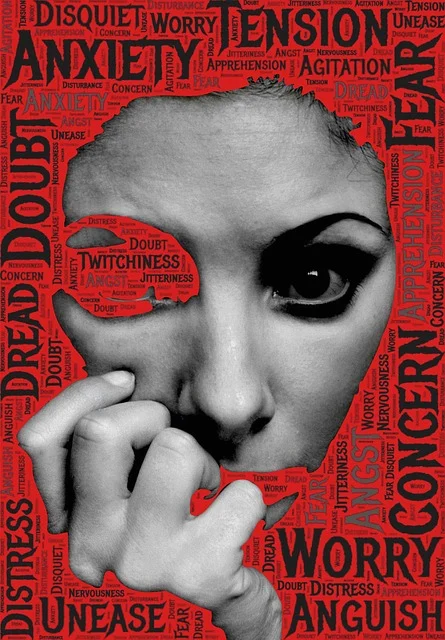
You know something is wrong, your body feels tense or heavy, yet you cannot find the words to describe what you are actually feeling. This difficulty has a name: alexithymia.

Alexithymia describes difficulty identifying, describing, and processing one’s own emotions, even though the underlying emotional experience is genuinely present within the body and mind.
This article explains what alexithymia actually involves, why it develops, how it differs from simply being emotionally reserved, and what genuinely helps people build a clearer relationship with their inner world.
What Alexithymia Actually Means
Alexithymia comes from Greek roots meaning without words for emotion, describing a difficulty translating internal emotional states into language that can be identified, named, and communicated.
It is not a formal DSM-5 diagnosis on its own, but a recognized psychological construct that frequently appears alongside conditions like autism, depression, PTSD, and certain eating disorders.
Alexithymia exists on a spectrum rather than as a fixed category, meaning people can experience mild difficulty naming emotions or a much more significant, pervasive disconnect from their inner world.
Importantly, alexithymia does not mean a person lacks emotions entirely. It means the process of recognizing and articulating those emotions is genuinely disrupted or underdeveloped.
The Core Features of Alexithymia
Difficulty identifying feelings involves struggling to distinguish between different emotional states, sometimes experiencing only a vague sense that something feels off without further specificity.
Difficulty describing feelings to others is a related but distinct feature, where a person may sense an emotion internally but struggle to find language to communicate it.
Externally oriented thinking describes a cognitive style focused heavily on concrete, external details rather than internal emotional experience, sometimes appearing as a preference for facts over feelings.
Reduced imaginative capacity, particularly around emotional or symbolic content, is another recognized feature, though this varies significantly in degree from person to person.
Why Alexithymia Develops
Early childhood environments where emotions were dismissed, punished, or simply not acknowledged can interfere with a child’s developing capacity to identify and name their own internal states.
Children learn emotional vocabulary largely through caregivers reflecting and naming feelings back to them, so environments lacking this reflection can leave emotional literacy underdeveloped.
Trauma, particularly chronic or early relational trauma, can also disrupt emotional processing, as dissociation from feeling becomes a protective mechanism against overwhelming distress.
Neurodevelopmental differences play a role as well, since alexithymia appears at notably higher rates among autistic individuals, suggesting a partly neurological basis in at least some cases.
Some research also points to differences in brain structures involved in processing and integrating emotional information, suggesting a biological component alongside environmental factors.
Alexithymia Versus Simply Being Private or Reserved
Being private about emotions typically involves choosing not to share feelings that are, in fact, clearly identified internally, even if that person keeps them to themselves.
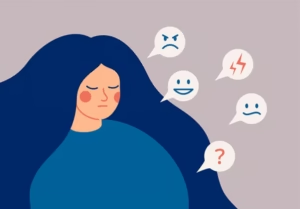
Alexithymia differs because the difficulty occurs at the level of internal recognition itself, not merely at the level of choosing whether or how to share with others.
Someone who is simply reserved can usually answer, with reflection, what they are feeling, even if they choose not to disclose it, whereas alexithymia makes that internal identification genuinely difficult.
This distinction matters clinically, since interventions differ significantly between building comfort with sharing already-identified emotions and building the more foundational skill of identifying emotions at all.
How Alexithymia Shows Up in Daily Life
You might notice frequently answering I don’t know when asked how you feel, not from avoidance but from a genuine difficulty accessing a clear internal answer.
Physical symptoms like stomach tension, headaches, or fatigue may arise during emotional situations without a clear accompanying awareness of the emotional experience driving those physical sensations.
Relationships can be affected, since partners or friends may perceive emotional distance or disconnection, even when the alexithymic person genuinely cares and wants to connect.
Some people with alexithymia describe relying heavily on others to help interpret their own emotional states, essentially borrowing external perspective to understand their internal experience.
The Connection Between Alexithymia and Physical Health
Alexithymia is associated with somatic symptom disorder and related conditions, where emotional distress manifests primarily through physical symptoms rather than conscious emotional awareness.
This connection makes sense given the core feature of alexithymia, since emotional energy that cannot be consciously processed may instead express itself through the body’s physical systems.
Research has also linked alexithymia to conditions like irritable bowel syndrome and chronic pain, suggesting a meaningful mind-body connection worth considering in treatment approaches.
Addressing alexithymia directly, alongside physical symptom management, sometimes improves outcomes for people whose physical symptoms are connected to underlying, unprocessed emotional experience.
Alexithymia and Autism
Alexithymia occurs at significantly higher rates among autistic individuals compared to the general population, though it is important to note the two are distinct constructs.
Not all autistic people experience alexithymia, and not all people with alexithymia are autistic, though the overlap is substantial enough to warrant careful clinical differentiation.
This overlap has led some researchers to suggest that certain social difficulties historically attributed purely to autism may actually stem partly from co-occurring alexithymia affecting emotional communication.
Understanding this distinction matters for treatment, since interventions targeting alexithymia specifically may improve emotional communication even when broader autistic traits remain unchanged.
Alexithymia and Trauma
Chronic or early relational trauma can disrupt the developing brain’s capacity to integrate and process emotional experience, sometimes resulting in alexithymia as a protective adaptation.
Dissociation, a common trauma response, shares mechanisms with alexithymia, as both involve a disconnect between conscious awareness and the body’s actual emotional or physiological state.
For trauma survivors, alexithymia can serve a protective function initially, reducing overwhelming emotional flooding, though it later interferes with genuine emotional processing and connection.
Trauma-focused therapy approaches, including somatic methods that work directly with bodily sensation, can be particularly helpful in addressing alexithymia rooted in earlier traumatic experience.
The Difference Between Alexithymia and Depression
Depression often involves a pervasive low mood alongside other symptoms like changes in sleep, appetite, and energy, with emotions typically still identifiable even if predominantly negative.
Alexithymia specifically involves difficulty identifying emotions regardless of their valence, meaning a person may struggle equally to name both positive and negative emotional states.
The two can co-occur, and alexithymia may actually complicate depression treatment, since therapy often relies on a client’s capacity to identify and articulate emotional experience.
Recognizing alexithymia alongside depression can help tailor treatment, sometimes incorporating more body-based or externally structured approaches to emotional identification.
How Alexithymia Affects Romantic Relationships
Partners of people with alexithymia sometimes interpret emotional distance as disinterest or lack of care, when the difficulty actually lies in identification rather than genuine feeling.
This misinterpretation can create painful relational cycles, where a partner seeks more emotional connection while the alexithymic partner feels genuinely unable to provide the clarity being requested.
Couples therapy can help both partners understand alexithymia as a specific difficulty rather than a character flaw, reducing blame and building more effective communication strategies together.
Learning to communicate through concrete behaviors and physical sensations, rather than only abstract emotional labels, can help bridge this gap in many relationships.
Building Emotional Vocabulary as an Adult
Using emotion wheels or feeling charts can help build vocabulary gradually, providing external structure for a skill that may not have developed naturally during childhood.
Practicing noticing physical sensations first, such as tension or heaviness, and then working backward toward possible emotional labels, can be more accessible than starting with emotion words directly.
Journaling with prompts specifically designed to build emotional awareness, rather than open-ended writing, often works better for people with significant alexithymia in the early stages.
Working with a therapist trained in emotion-focused approaches can provide structured, consistent practice building this skill in a supportive, low-pressure environment over time.
Therapeutic Approaches That Help With Alexithymia
Emotion-focused therapy specifically targets the skill of identifying and processing emotional experience, making it particularly well suited for addressing alexithymia directly.
Somatic therapies, which work with bodily sensation as a gateway to emotional awareness, can be especially helpful for people who access physical sensation more readily than emotional language.
Mentalization-based therapy, which builds the capacity to understand mental states in oneself and others, has also shown promise in addressing alexithymia within a relational context.
Progress with alexithymia is often gradual, since it involves building a genuinely new cognitive and emotional skill rather than simply overcoming resistance to already-identified feelings.
When to Seek Professional Support
If alexithymia is significantly affecting relationships, physical health, or overall wellbeing, working with a therapist trained in emotion-focused or somatic approaches can be genuinely valuable.
If alexithymia co-occurs with depression, trauma, or autism, addressing the full clinical picture with a knowledgeable professional tends to produce better outcomes than treating any single piece in isolation.
Persistent physical symptoms without clear medical explanation may also warrant exploring alexithymia as a potential contributing factor alongside standard medical evaluation.
A mental health professional can help determine which specific therapeutic approach is likely to be most effective given your particular history and presentation.
Alexithymia and Eating Disorders
Alexithymia occurs at notably higher rates among people with eating disorders, particularly anorexia and bulimia, where disordered eating may partly function as a way to manage unidentifiable distress.
When emotional states cannot be clearly named, some individuals may misinterpret internal discomfort as hunger, fullness, or body-related distress, redirecting emotional pain toward food and body focus instead.
Treatment for eating disorders increasingly incorporates emotional identification work, recognizing that addressing alexithymia directly can support more sustainable recovery than focusing on eating behavior alone.
This connection does not mean alexithymia causes eating disorders, but it does represent a meaningful overlapping factor worth addressing within comprehensive treatment approaches.
Cultural and Gendered Influences on Emotional Expression
Cultural norms around emotional expression vary significantly, with some cultures encouraging open emotional display and others valuing stoicism and emotional restraint as signs of maturity or strength.
Traditional gender socialization has historically discouraged emotional expression in men more than women, potentially contributing to somewhat higher rates of alexithymia features observed in some studies of men.
These cultural influences do not create true alexithymia by themselves, but they can suppress emotional vocabulary development in ways that mimic or worsen underlying alexithymic tendencies.
Recognizing these cultural layers helps clinicians distinguish between learned emotional restraint and a more fundamental difficulty with emotional identification requiring different therapeutic approaches.
The Neuroscience Behind Alexithymia
Neuroimaging studies suggest altered connectivity between brain regions responsible for processing bodily sensations and regions responsible for translating those sensations into conscious emotional awareness.
The insula, a brain region involved in interoception, or the sense of the body’s internal state, appears to function differently in people with significant alexithymia compared to those without it.
This suggests alexithymia may partly reflect a genuine difference in how the brain processes and integrates internal bodily information into recognizable emotional experience, rather than simple avoidance.
Understanding this neurological dimension can reduce shame, framing alexithymia as a difference in processing rather than a personal failure of emotional effort or willingness.
Practical Daily Exercises to Build Interoceptive Awareness
Body scanning exercises, where attention moves slowly through different areas of the body noticing sensation without judgment, can help build the foundational awareness alexithymia often disrupts.
Pairing physical sensations with potential emotional labels, such as noticing chest tightness and considering whether anxiety or sadness might be present, builds the bridge between body and emotion.
Regular check-ins throughout the day, pausing briefly to notice physical state before attempting to name any accompanying feeling, gradually strengthens this connection through consistent practice.
Working with a somatic therapist can provide guided practice with these exercises, offering feedback and support that self-directed practice alone often cannot fully replicate.
Alexithymia in Friendships and Social Connection
Friends of someone with alexithymia may sometimes feel unsure how to offer support, since typical emotional check-ins may be met with genuine uncertainty rather than a clear answer.
Shifting toward more concrete questions, such as asking about specific situations or physical sensations rather than open-ended feelings questions, can make conversations more accessible for both people.
Patience and consistency matter significantly in these friendships, since trust often builds gradually as the alexithymic person becomes more comfortable exploring uncertain internal territory with a supportive friend.
Friendships that allow for connection through shared activities, rather than requiring constant emotional disclosure, can also provide meaningful closeness that does not depend entirely on verbal emotional processing.
Distinguishing Alexithymia From Simply Having a Bad Day Processing Emotions
Everyone occasionally struggles to identify a specific feeling, particularly during overwhelming or confusing situations, without this reflecting alexithymia as an ongoing pattern.
Alexithymia specifically involves a persistent, pervasive difficulty across many different situations and over an extended period, rather than an occasional struggle during a particularly difficult moment.
Considering whether this difficulty has been a consistent, lifelong pattern versus a recent or situational struggle helps clarify whether alexithymia versus a temporary stress response better describes the experience.
A thorough clinical assessment can help make this distinction more precisely, particularly when the pattern significantly affects relationships or daily functioning over time.
Alexithymia and Creative Expression
Some people with alexithymia find creative outlets like art, music, or movement offer an alternative pathway to emotional expression that bypasses the difficulty of verbal identification.
Creating without needing to immediately name or explain the emotional content can reduce pressure, allowing feeling to emerge indirectly through color, sound, or movement instead of language.
Art therapy specifically incorporates this principle, using creative process as a bridge toward eventual verbal identification rather than requiring words as the only valid starting point.
This approach can be particularly helpful for those who find traditional talk therapy frustrating due to the verbal demands it places on emotional identification from the very first session.
Frequently Asked Questions
Is alexithymia the same as being emotionally numb?
Not exactly. Emotional numbness typically involves a reduced intensity of feeling, while alexithymia involves difficulty identifying and describing feelings that are still genuinely present, even if hard to name.
Can alexithymia be cured completely?
Alexithymia exists on a spectrum, and while significant improvement is possible through therapy and practice, some degree of difficulty may persist, particularly for those with a strong neurodevelopmental component.
Is alexithymia more common in men or women?
Some research suggests slightly higher rates in men, potentially influenced by both biological factors and cultural conditioning around emotional expression, though it occurs across all genders.
Does having alexithymia mean I don’t care about my relationships?
No, alexithymia reflects a difficulty with emotional identification and language, not a lack of care. Many people with alexithymia deeply value their relationships despite struggling to articulate their feelings.
Can children be diagnosed with alexithymia?
Alexithymia can be identified in children, though assessment differs from adult evaluation given ongoing emotional development, and early intervention can help build emotional vocabulary before patterns become deeply ingrained.
How is alexithymia assessed by professionals?
Clinicians often use standardized questionnaires like the Toronto Alexithymia Scale, alongside clinical interviews, to assess the degree and specific features of a person’s difficulty with emotional identification.
Can medication help with alexithymia?
There is no medication specifically for alexithymia itself, though treating co-occurring conditions like depression or anxiety may indirectly improve emotional clarity as overall mental health improves.
Is alexithymia something I was born with or something that developed over time?
Both genetic and environmental factors appear to contribute, meaning alexithymia often reflects some combination of inherited tendencies and the emotional environment a person grew up within.
Conclusion
Alexithymia describes a genuine difficulty accessing and naming emotional experience, not an absence of feeling or a lack of care for the people in your life.
Understanding this distinction can relieve significant shame, particularly for those who have been told they seem cold or disconnected despite genuinely caring beneath the surface.
With patience, the right therapeutic approach, and consistent practice building emotional vocabulary, meaningful growth in this area is genuinely possible for most people who experience it.
Building this skill takes time, much like learning any new language, and small, consistent steps toward naming your internal world tend to compound meaningfully over months and years.