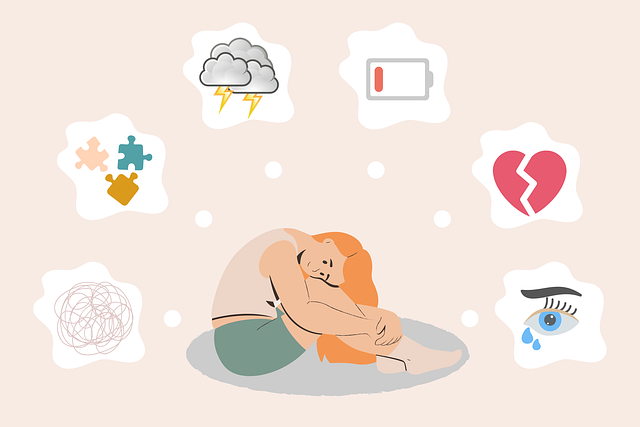
The window of tolerance is one of the most powerful yet overlooked concepts in mental health, especially when it comes to managing anxiety, trauma, and emotional overwhelm. It describes the optimal zone where your nervous system can function calmly and effectively—where you feel grounded, present, and in control of your emotions.

When you’re inside your window of tolerance, life feels manageable. You can handle stress, think clearly, communicate effectively, and respond rather than react. But when you’re pushed outside this window, everything changes. You may feel overwhelmed, anxious, panicked—or on the opposite end—numb, disconnected, and shut down.
This concept is especially important for people dealing with trauma, chronic stress, or emotional dysregulation. Many people unknowingly live most of their lives outside their window, constantly swinging between emotional extremes without understanding why.
In this guide, you’ll learn exactly what the window of tolerance is, how it connects to your nervous system, how trauma affects it, and most importantly—how to expand it so you can feel more stable, calm, and in control in your daily life.
What Is Window of Tolerance?
The window of tolerance refers to the emotional and physiological zone where you can function optimally without becoming overwhelmed or shut down. Within this window, your brain and body are balanced. You’re able to process emotions, think rationally, and respond appropriately to stress.
Imagine your emotional capacity as a container. When stress stays within that container, you can handle it. But when it exceeds your capacity, you either overflow (hyperarousal) or shut down (hypoarousal).
Inside your window:
- You feel calm but alert
- U can manage emotions effectively
- You can think clearly and make decisions
- You feel safe and grounded
Outside your window:
- You either feel overwhelmed (anxiety, panic)
- Or you feel numb (disconnected, empty)
This concept is widely used in trauma therapy because it helps explain why people react the way they do under stress. It’s not about weakness—it’s about nervous system capacity.
Understanding your window of tolerance is the first step toward emotional mastery. Once you recognize when you’re inside or outside it, you can start using tools to regulate yourself and return to balance.
Window of Tolerance and the Nervous System
The window of tolerance is deeply connected to your nervous system—specifically the autonomic nervous system, which controls your stress responses.
Your nervous system has two main modes:
- Sympathetic (fight or flight)
- Parasympathetic (rest and digest / shutdown)
When you’re within your window of tolerance, these systems are balanced. But when stress hits, your body automatically shifts into survival mode.
If the stress is too much, your nervous system pushes you outside your window:
- Into hyperarousal (anxiety, panic)
- Or hypoarousal (shutdown, numbness)
This isn’t something you consciously choose—it’s automatic. Your body is trying to protect you.
The problem is, in modern life, your nervous system often reacts to emotional stress the same way it would to physical danger. Deadlines, arguments, or even social media can trigger survival responses.
Over time, chronic stress can make your window smaller, meaning even small triggers can push you out of balance.
The key to healing is not eliminating stress—but increasing your nervous system’s capacity to handle it.
Hyperarousal vs Hypoarousal in Window of Tolerance
When you leave your window of tolerance, you typically move into one of two states:
🔥 Hyperarousal (Too Much Activation)
This is your fight-or-flight state.
Symptoms include:
- Anxiety and panic
- Racing thoughts
- Irritability or anger
- Rapid heartbeat
- Feeling overwhelmed
This state feels like “too much.” Your body is on high alert, ready to respond to danger—even if no real threat exists.
❄️ Hypoarousal (Too Little Activation)
This is your shutdown or freeze state.
Symptoms include:
- Emotional numbness
- Low energy
- Brain fog
- Disconnection
- Depression-like feelings
This state feels like “nothing.” Your body essentially powers down to protect you from overload.
Both states are natural responses—but staying in them too long can affect your mental health, relationships, and overall quality of life.
The goal isn’t to avoid these states entirely—but to recognize them and return to your window of tolerance more quickly.
Signs You Are Outside Your Window of Tolerance
Many people don’t realize when they’ve left their window of tolerance. They just feel “off” without understanding why.
Here are common signs:
Hyperarousal Signs:
- Overreacting to small problems
- Feeling constantly on edge
- Trouble sleeping
- Difficulty focusing
Hypoarousal Signs:
- Feeling emotionally numb
- Lack of motivation
- Avoiding people or responsibilities
- Feeling disconnected from reality
Behavioral Clues:
- Procrastination
- People-pleasing
- Isolation
- Emotional outbursts
Recognizing these signs is crucial. Awareness gives you the power to intervene before things escalate.
Window of Tolerance and Trauma (Deep Connection)
Trauma has a profound impact on the window of tolerance. When someone experiences trauma, their nervous system becomes more sensitive to perceived threats.
Even after the danger has passed, the body continues to react as if it’s still happening.
This means:
- Smaller triggers can cause intense reactions
- Emotional regulation becomes harder
- The window of tolerance becomes narrower
For example, someone who experienced childhood trauma may feel overwhelming anxiety in situations that others find normal.
This isn’t a flaw—it’s a survival adaptation.
Understanding this can be incredibly empowering. It shifts the narrative from “What’s wrong with me?” to “What happened to me?”
How Trauma Shrinks the Window of Tolerance
Trauma doesn’t just affect your mind—it rewires your nervous system.
Repeated stress or trauma can:
- Increase sensitivity to stress
- Reduce emotional resilience
- Make it harder to stay regulated
Over time, your window becomes smaller, meaning:
- You get overwhelmed more easily
- You shut down faster
- Recovery takes longer
This is why healing isn’t about “thinking differently”—it’s about retraining your nervous system.
Polyvagal Theory and Window of Tolerance Explained
The polyvagal theory helps explain how your nervous system responds to safety and danger.
It introduces three states:
- Safe & Social (within window of tolerance)
- Fight or Flight (hyperarousal)
- Shutdown (hypoarousal)
Your body constantly scans for safety cues. When it feels safe, you stay within your window. When it detects danger, you shift into survival mode.
This theory emphasizes one key idea:
Safety is the foundation of emotional regulation.
Emotional Regulation Inside the Window of Tolerance
Emotional regulation becomes much easier when you’re inside your window of tolerance.
You can:
- Process emotions without being overwhelmed
- Communicate clearly
- Stay present in difficult situations
This is where real growth happens.
Instead of reacting impulsively, you respond thoughtfully. Instead of shutting down, you stay engaged.
How to Expand Your Window of Tolerance Naturally
Expanding your window of tolerance means increasing your ability to handle stress without becoming overwhelmed.
Effective strategies include:
- Mindfulness practices
- Deep breathing
- Regular exercise
- Quality sleep
Consistency is key. Small daily practices gradually build resilience.
Grounding Techniques to Return to Your Window of Tolerance
When you’re outside your window of tolerance, grounding techniques can bring you back.
Examples:
- 5-4-3-2-1 sensory exercise
- Deep breathing
- Holding something cold
- Naming objects around you
These techniques anchor you in the present moment.
Somatic Exercises for Nervous System Regulation
Somatic exercises focus on the body rather than the mind.
Examples include:
- Body scanning
- Gentle movement
- Stretching
- Shaking tension out
These help release stored stress and restore balance.
Window of Tolerance in Relationships and Daily Life
Your window of tolerance affects how you show up in relationships.
When regulated:
- You communicate better
- You handle conflict calmly
When dysregulated:
- You overreact or withdraw
Understanding this can transform your relationships.
FAQs
1. What is the window of tolerance in simple terms?
It’s the zone where you feel calm, balanced, and able to handle stress.
2. Can you increase your window of tolerance?
Yes, through consistent nervous system regulation practices.
3. What causes a narrow window of tolerance?
Trauma, chronic stress, and emotional overwhelm.
4. How do I know I’m outside my window?
You feel either overwhelmed (anxious) or shut down (numb).
5. Is this related to anxiety?
Yes, anxiety often occurs when you’re outside your window.
Conclusion
The window of tolerance is a powerful framework for understanding your emotional world. It explains why you feel overwhelmed, why you shut down, and most importantly—how you can regain control.
By learning to recognize your state and using simple regulation tools, you can expand your window and create a life that feels calmer, safer, and more balanced.
Healing isn’t about perfection—it’s about capacity. And your capacity can grow.