Trauma responses are automatic psychological and physiological reactions that develop when a person experiences overwhelming stress, fear, or emotional pain. These responses are not signs of weakness—they are survival mechanisms designed by the brain and nervous system to protect you from perceived danger.
However, when trauma responses persist long after the threat is gone, they can begin to interfere with daily life, relationships, and emotional stability. Many people live with these patterns without even realizing it—reacting to present situations based on past experiences.
Understanding trauma responses is crucial because it gives you the power to recognize hidden patterns, regulate your emotions, and ultimately reclaim control over your life. Healing begins with awareness, and awareness begins with understanding how trauma shapes your thoughts, behaviors, and relationships.
What Are Trauma Responses?
Trauma responses are the body and mind’s instinctive reactions to perceived threats. They are deeply rooted in the nervous system and are designed to ensure survival during dangerous or stressful situations.
These responses involve:
- The brain (especially the amygdala, which detects danger)
- The nervous system (which activates survival modes)
- Behavioral patterns (automatic reactions like avoidance or aggression)
Trauma responses can be:
- Conscious (you recognize your reaction)
- Unconscious (you react automatically without awareness)
For example:
- Feeling intense anxiety in safe situations
- Avoiding certain people or environments
- Overreacting to minor stressors
These patterns are not random—they are learned adaptations based on past experiences.
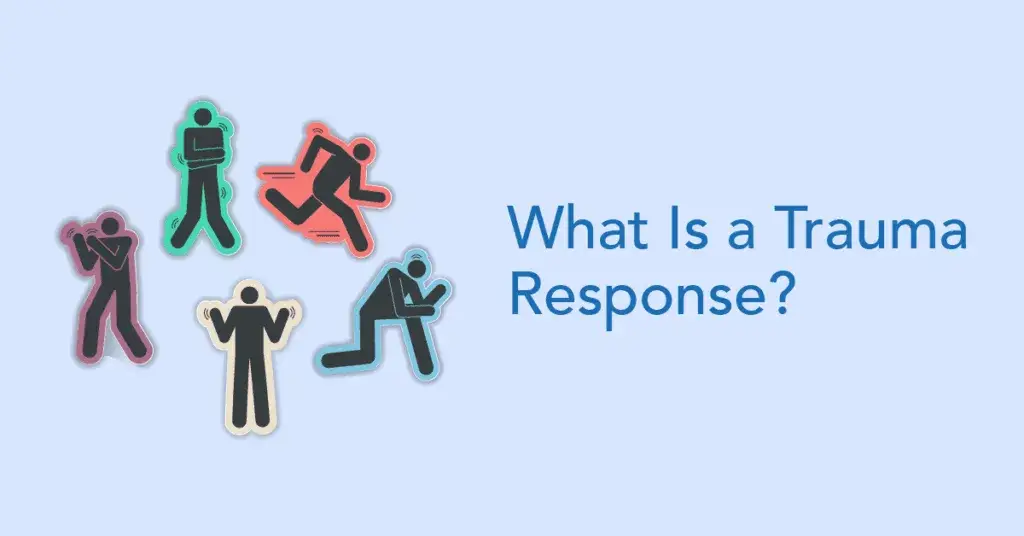
Trauma Response Types
Understanding trauma response types helps you identify how your body and mind react under stress.
Fight Response
This response involves confronting the threat aggressively.
Characteristics:
- Anger or irritability
- Need for control
- Defensive behavior
Example: Someone becomes argumentative or controlling when feeling threatened.
Flight Response
This response involves escaping or avoiding the threat.
Characteristics:
- Anxiety and restlessness
- Overworking or perfectionism
- Avoidance of conflict
Example: A person avoids difficult conversations or responsibilities.
Freeze Response
This response involves shutting down when overwhelmed.
Characteristics:
- Feeling stuck or paralyzed
- Emotional numbness
- Difficulty making decisions
Example: Someone “zones out” during stressful situations.
Fawn Response
This response involves pleasing others to avoid conflict.
Characteristics:
- People-pleasing behavior
- Difficulty saying no
- Prioritizing others’ needs over your own
Example: Agreeing with others even when you disagree internally.
Fawn Trauma Response
The fawn trauma response is one of the most misunderstood trauma patterns. It develops when a person learns that the safest way to avoid harm is to appease others.
Origins
Often rooted in:
- Childhood emotional neglect
- Abusive or controlling environments
- Fear of rejection or abandonment
Signs
- Constant need for approval
- Lack of boundaries
- Fear of conflict
- Suppressing personal needs
Impact
Over time, fawning can lead to:
- Loss of identity
- Burnout and resentment
- Unhealthy relationships
Real-Life Example
A person agrees to everything at work to avoid criticism, even at the cost of their well-being.
Emotional Trauma Responses
Emotional trauma responses are intense emotional reactions triggered by past experiences.
Common Emotional Patterns
Anxiety
Constant worry or fear, even without immediate danger.
Anger
Outbursts or irritability masking deeper pain.
Shame
Deep feelings of unworthiness or guilt.
Emotional Numbness
Difficulty feeling emotions or connecting with others.
Emotional Flashbacks
Unlike traditional flashbacks, these involve:
- Sudden emotional overwhelm
- Feeling like you’re reliving past pain
Triggers
Triggers can include:
- Specific words or tones
- Certain environments
- Relationship dynamics
Trauma Responses in Relationships
Trauma responses in relationships often create repeating patterns that affect connection and trust.
Attachment Styles
- Anxious attachment: Fear of abandonment
- Avoidant attachment: Fear of intimacy
- Disorganized attachment: Mixed behaviors
Common Relationship Patterns
- Codependency
- Emotional withdrawal
- Conflict escalation
- Fear of vulnerability
Communication Issues
Trauma can lead to:
- Misinterpretation of intentions
- Defensive reactions
- Difficulty expressing needs
Causes and Origins of Trauma Responses
Trauma responses are shaped by various factors:
Childhood Trauma
- Neglect
- Abuse
- Lack of emotional support
Chronic Stress
Long-term exposure to stress can rewire the brain.
Environmental Factors
- Toxic relationships
- Unsafe environments
Biological Factors
- Genetics
- Brain sensitivity to stress
Signs and Symptoms of Trauma Responses
Physical Symptoms
- Rapid heartbeat
- Muscle tension
- Fatigue
Emotional Symptoms
- Fear
- Anger
- Sadness
Behavioral Symptoms
- Avoidance
- Control issues
- Withdrawal
Trauma Responses and the Nervous System
The nervous system plays a central role in trauma responses.
Fight-or-Flight Activation
Triggers adrenaline and prepares the body for action.
Hyperarousal
- Anxiety
- Hypervigilance
Hypoarousal
- Numbness
- Shutdown
Chronic activation leads to long-term dysregulation.
Long-Term Effects of Unresolved Trauma Responses
- Anxiety disorders
- Depression
- Relationship struggles
- Self-sabotage
- Physical health issues
Unresolved trauma can shape your entire life if not addressed.
How to Identify Your Trauma Responses
Self-Awareness Techniques
- Observe your reactions
- Identify triggers
Journaling Prompts
- What situations trigger me?
- How do I عادة react?
Pattern Recognition
Look for repeated behaviors in similar situations.
How to Heal Trauma Responses
Therapy Approaches
- Cognitive Behavioral Therapy (CBT)
- EMDR
- Somatic therapy
Mindfulness Techniques
- Grounding exercises
- Breathing practices
Nervous System Regulation
- Deep breathing
- Body awareness
Building Resilience
- Self-compassion
- Emotional awareness
Daily Strategies to Manage Trauma Responses
- Practice deep breathing
- Maintain routines
- Create safe environments
- Limit exposure to triggers
Consistency is key.
Preventing Trauma Responses from Controlling Your Life
- Set healthy boundaries
- Develop self-awareness
- Practice emotional regulation
When to Seek Professional Help for Trauma Responses
Seek help if:
- Reactions feel uncontrollable
- Relationships are affected
- Emotional distress is severe
Professional support accelerates healing.
Final Thoughts on Trauma Responses
Trauma responses are not flaws—they are adaptations. But what once protected you may now be holding you back.
The good news is that healing is possible. With awareness, support, and consistent effort, you can retrain your mind and body to respond differently.
You are not your trauma—you are the person learning to heal from it.
Frequently Asked Questions
1. What are trauma responses?
They are automatic reactions to stress or past trauma.
2. Are trauma responses permanent?
No, they can be changed with therapy and awareness.
3. What is the fawn trauma response?
It’s a pattern of people-pleasing to avoid conflict.
4. Can trauma affect relationships?
Yes, it often impacts trust, communication, and attachment.
5. How long does healing take?
It varies, but consistent effort leads to improvement.
6. Do I need therapy?
Not always, but it can significantly help.