Narcissism is a complex personality pattern that ranges from normal self-confidence to deeply harmful behavior that can damage relationships, mental health, and overall well-being. While the term is often used casually to describe someone who is self-absorbed, true narcissism—especially in its extreme form—goes far beyond vanity. It involves a persistent need for admiration, lack of empathy, and patterns of manipulation that can be emotionally exhausting for those around them.
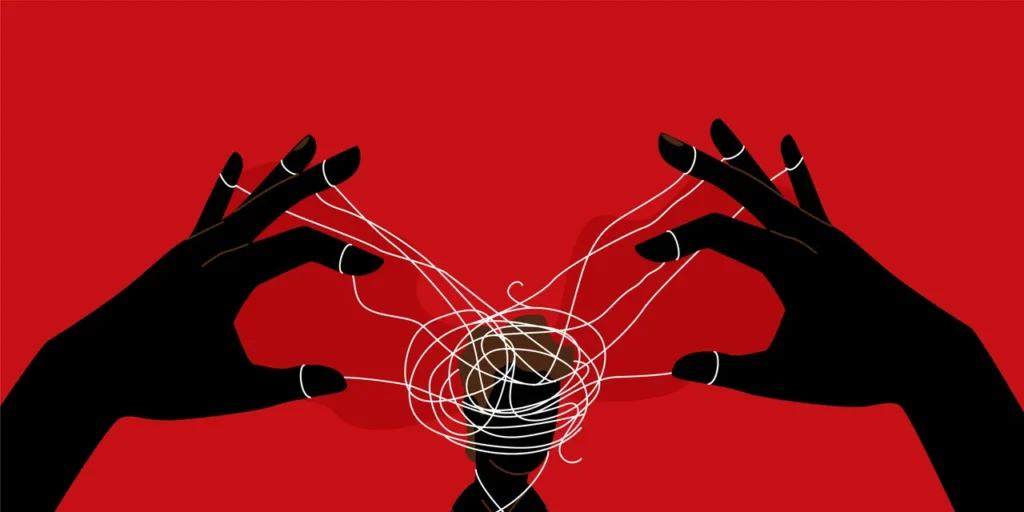
In today’s world of social media, self-promotion, and validation-seeking behavior, narcissism is more relevant than ever. Understanding it can help you protect your mental health, improve your relationships, and recognize toxic patterns early. Whether you’re trying to identify narcissistic traits in yourself or someone else, or you’re recovering from a narcissistic relationship, this comprehensive guide will give you clarity and practical tools.
What is Narcissism?
Narcissism is a personality trait characterized by an inflated sense of self-importance, a deep need for excessive attention or admiration, and a lack of empathy for others. It exists on a spectrum:
- Healthy narcissism: Confidence, self-esteem, ambition
- Unhealthy narcissism: Arrogance, entitlement, lack of empathy
- Pathological narcissism: Narcissistic Personality Disorder (NPD)
Narcissistic Personality Disorder (NPD)
NPD is a clinically recognized mental health condition where narcissistic traits become extreme and disruptive. People with NPD often:
- Believe they are superior to others
- Require constant validation
- Exploit others for personal gain
- Struggle with criticism
Signs of Narcissism
Recognizing narcissism early can help you avoid emotional harm.
Common Signs:
- Grandiose sense of self-importance
- Constant need for admiration
- Lack of empathy
- Manipulative behavior
- Sense of entitlement
- Difficulty maintaining relationships
Subtle Signs (Often Overlooked):
- Passive-aggressive behavior
- Playing the victim
- Extreme sensitivity to criticism
- Hidden insecurity masked by confidence
Types of Narcissism
Not all narcissists behave the same. Understanding the different types helps you identify patterns more clearly.
1. Grandiose Narcissism
- Outgoing and dominant
- Seeks attention openly
- Appears confident and charismatic
2. Covert Narcissism
- Quiet and introverted
- Feels superior internally
- Plays the victim
- Highly sensitive to criticism
3. Malignant Narcissism
- Combines narcissism with aggression
- Manipulative and sometimes abusive
- Lacks remorse
4. Communal Narcissism
- Appears helpful or caring
- Seeks validation through “good deeds”
- Motivated by praise rather than genuine empathy
Causes of Narcissism
Narcissism does not develop randomly—it is shaped by a combination of factors.
1. Childhood Environment
- Excessive praise without boundaries
- Emotional neglect
- Over-criticism
2. Parenting Styles
- Overprotective parenting
- Conditional love
- Lack of emotional validation
3. Genetic and Biological Factors
- Personality traits can be inherited
- Brain structure differences affecting empathy
4. Social and Cultural Influences
- Social media validation culture
- Emphasis on status and success
Narcissism vs Confidence
It’s important to distinguish between healthy confidence and narcissism.
| Confidence | Narcissism |
|---|---|
| Secure self-esteem | Fragile self-esteem |
| Empathy for others | Lack of empathy |
| Accepts criticism | Reacts defensively |
| Values relationships | Exploits relationships |
Confidence builds connections. Narcissism destroys them.
Narcissism in Relationships
Relationships with narcissistic individuals can be emotionally draining and confusing.
Common Patterns:
- Love bombing (intense affection early on)
- Devaluation (criticism and withdrawal)
- Discard (sudden emotional abandonment)
Emotional Impact:
- Anxiety
- Low self-esteem
- Confusion and self-doubt
Narcissistic Abuse
Narcissistic abuse is a form of emotional and psychological manipulation.
Common Tactics:
- Gaslighting (making you question reality)
- Blame-shifting
- Silent treatment
- Emotional manipulation
Signs You’re Experiencing It:
- Constant self-doubt
- Feeling “not good enough”
- Walking on eggshells
How Narcissists Manipulate People
Understanding manipulation helps you protect yourself.
Key Techniques:
- Gaslighting: Distorting reality
- Projection: Blaming others for their own flaws
- Love Bombing: Overwhelming affection
- Triangulation: Creating jealousy or rivalry
Impact on Mental Health
Being around narcissism can have serious psychological effects.
Effects Include:
- Depression
- Anxiety
- Trauma bonding
- Emotional exhaustion
Long-term exposure can lead to deep emotional scars.
How Narcissism is Diagnosed
A mental health professional diagnoses Narcissistic Personality Disorder based on specific criteria.
Diagnostic Indicators:
- Persistent grandiosity
- Need for admiration
- Lack of empathy
- Dysfunctional relationships
Diagnosis typically involves psychological evaluation rather than lab tests.
Can Narcissism Be Treated?
Yes—but it is challenging.
Therapy Options:
- Cognitive Behavioral Therapy (CBT)
- Psychodynamic therapy
- Schema therapy
Challenges:
- Narcissists rarely seek help
- Difficulty accepting flaws
- Resistance to change
However, with commitment, improvement is possible.
How to Deal with a Narcissist
You cannot change a narcissist—but you can change how you respond.
Practical Strategies:
- Set clear boundaries
- Avoid emotional arguments
- Stay calm and neutral
- Limit exposure if possible
Setting Boundaries with Narcissists
Boundaries are essential for protecting your mental health.
Examples:
- Saying no without guilt
- Limiting personal information
- Walking away from toxic conversations
Consistency is key.
How to Heal from Narcissistic Abuse
Recovery is possible with the right approach.
Healing Steps:
- Acknowledge the abuse
- Seek therapy or support
- Rebuild self-esteem
- Practice self-care
Emotional Recovery:
- Journaling
- Mindfulness
- Building healthy relationships
How to Stop Attracting Narcissists
Many people unknowingly fall into repeated patterns.
Prevention Tips:
- Recognize red flags early
- Strengthen self-worth
- Set boundaries early
- Avoid rushing relationships
Narcissism in Family Dynamics
Narcissism often appears in family relationships.
Examples:
- Narcissistic parents controlling children
- Favoritism and manipulation
- Emotional neglect
Effects on Children:
- Low self-esteem
- Anxiety
- Difficulty forming healthy relationships
Narcissism and Social Media
Modern platforms can amplify narcissistic traits.
Influencing Factors:
- Constant need for validation
- Comparison culture
- Image-focused identity
However, social media does not cause narcissism—it can intensify it.
When to Walk Away
Sometimes the healthiest choice is distance.
Warning Signs:
- Repeated emotional harm
- Lack of accountability
- No willingness to change
Leaving is not weakness—it’s self-protection.
Frequently Asked Questions
What is narcissism in simple terms?
It’s a pattern of self-centered behavior combined with a lack of empathy and need for admiration.
Can narcissists love someone?
They can form attachments, but their love is often conditional and self-focused.
Is narcissism a mental illness?
Only in severe cases diagnosed as Narcissistic Personality Disorder.
Can narcissists change?
Yes, but only if they acknowledge the problem and seek help.
Conclusion
Narcissism is more than just self-love—it can be a deeply disruptive personality pattern that affects relationships, mental health, and overall life satisfaction. Understanding its signs, causes, and effects empowers you to make better decisions, protect your emotional well-being, and build healthier connections.
Whether you’re dealing with a narcissist or reflecting on your own behavior, awareness is the first step toward change. With the right tools, boundaries, and support, you can break free from toxic patterns and create a more balanced, fulfilling life.