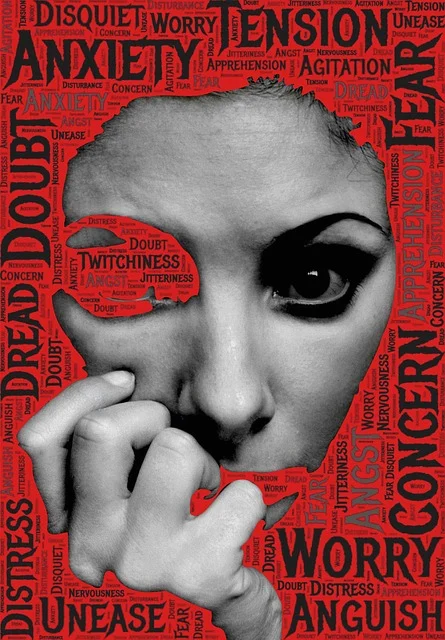
Trichotillomania is a mental health condition characterized by the recurrent, irresistible urge to pull out one’s own hair, often leading to noticeable hair loss and emotional distress. Also known as hair pulling disorder, it falls under body-focused repetitive behaviors (BFRBs) and is closely related to obsessive-compulsive and anxiety disorders.
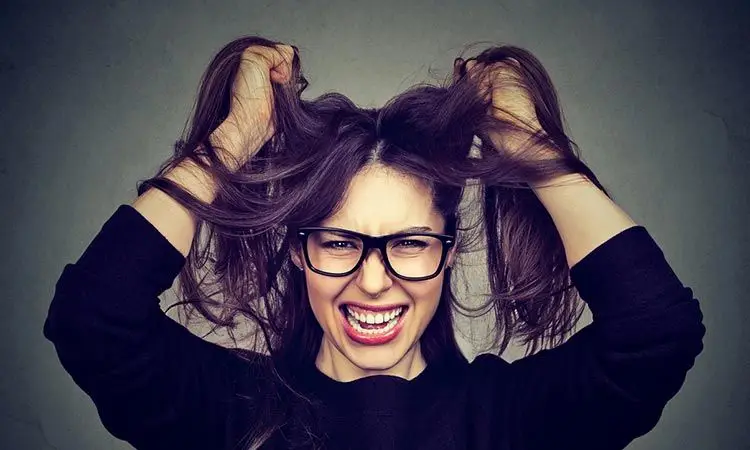
Many people struggling with trichotillomania feel confused, ashamed, or isolated—but the truth is, it’s a recognized psychological condition that can be treated and managed effectively.
What Causes Trichotillomania?
Understanding the causes of trichotillomania is key to managing it. While there is no single cause, several factors contribute:
1. Psychological Triggers
- Stress and anxiety
- Emotional tension
- Depression
- Trauma
2. Neurological Factors
- Imbalances in brain chemicals like dopamine and serotonin
- Differences in impulse control mechanisms
3. Behavioral Patterns
- Habit formation over time
- Reinforcement (temporary relief after pulling hair)
4. Genetic Predisposition
- Family history of OCD or related disorders
Common Symptoms of Trichotillomania
Recognizing trichotillomania symptoms early can help with faster recovery:
- Repeated pulling of scalp hair, eyebrows, or eyelashes
- Noticeable bald patches
- Increasing tension before pulling
- Relief or pleasure after pulling
- Attempts to stop but inability to do so
- Avoiding social situations due to embarrassment
Is Trichotillomania a Mental Illness?
Yes, trichotillomania is classified as a mental health disorder under Obsessive-Compulsive and Related Disorders.
However, it’s important to understand:
- It is not a sign of weakness
- It is treatable
- Many people recover with the right support
Why Do People Pull Their Hair Out?
The question “why do I pull my hair out?” is very common.
Hair pulling usually serves one of these purposes:
1. Emotional Regulation
Pulling helps reduce:
- Stress
- Anxiety
- Boredom
2. Sensory Satisfaction
Some individuals are drawn to:
- The texture of hair
- The sensation of pulling
3. Automatic Behavior
Sometimes it happens without awareness, especially during:
- Watching TV
- Studying
- Thinking deeply
What Triggers Trichotillomania?
Common triggers of hair pulling include:
- High stress situations
- Loneliness or boredom
- Perfectionism
- Negative emotions
- Fatigue
Identifying triggers is a critical step in recovery.
Trichotillomania in Adults vs Children
In Adults
- Often linked with anxiety or OCD
- More awareness and shame
- Harder to break long-term habits
In Children
- May develop as a coping mechanism
- Often easier to treat early
- Requires parental support and understanding
How to Stop Trichotillomania (Proven Strategies)
If you’re wondering how to stop trichotillomania, here are evidence-based methods:
1. Habit Reversal Training (HRT)
One of the most effective treatments.
Steps include:
- Awareness training
- Identifying triggers
- Replacing hair pulling with another action (e.g., squeezing a stress ball)
2. Cognitive Behavioral Therapy (CBT)
CBT helps:
- Change negative thought patterns
- Manage urges
- Build healthier coping mechanisms
3. Stimulus Control Techniques
Modify your environment:
- Wear gloves or hats
- Keep hands busy
- Remove mirrors if they trigger pulling
4. Mindfulness & Stress Management
Practices like:
- Meditation
- Deep breathing
- Journaling
These reduce stress-induced hair pulling.
5. Keep Hands Busy
Try:
- Fidget toys
- Stress balls
- Drawing or writing
Medications for Trichotillomania
While therapy is primary, some medications may help:
- SSRIs (for anxiety/depression)
- N-acetylcysteine (NAC) supplements
- Mood stabilizers (in some cases)
Always consult a professional before taking medication.
How to Regrow Hair After Trichotillomania
Hair regrowth is possible if follicles aren’t permanently damaged:
Tips:
- Stop pulling consistently
- Use gentle hair care routines
- Maintain a healthy diet
- Consider dermatological treatments
Emotional Impact of Trichotillomania
This condition can deeply affect mental well-being:
- Low self-esteem
- Shame and guilt
- Social anxiety
- Isolation
That’s why emotional healing is just as important as stopping the behavior.
Coping Strategies for Daily Life
Here are practical trichotillomania coping strategies:
- Track urges in a journal
- Create a “no-pull zone” routine
- Reward progress (even small wins)
- Join support groups
Can Trichotillomania Be Cured?
There is no instant “cure,” but:
It can be managed successfully
Many people achieve full recovery
Relapses can happen—but they are part of the journey
When to Seek Professional Help
You should seek help if:
- Hair pulling is frequent or uncontrollable
- It causes visible hair loss
- It affects your confidence or relationships
A mental health professional can guide you through personalized treatment plans.
Final Thoughts
Trichotillomania is more than just a habit—it’s a complex condition involving the mind, emotions, and behavior. However, with the right tools, support, and treatment strategies, recovery is absolutely possible. Understanding related mental health conditions, such as female narcissistic personality disorders, can also help individuals and families recognize behavioral patterns, improve relationships, and seek appropriate professional guidance when needed.
If you’re struggling, remember:
You are not alone
Help is available
Change takes time—but it happens