Many people assume stress always comes with worry, panic, or nervousness—but that’s not always true. You can experience significant mental stress symptoms without anxiety without feeling anxious at all. This is often referred to as “silent stress”, where the body and mind are under pressure, but the classic signs of anxiety are missing.
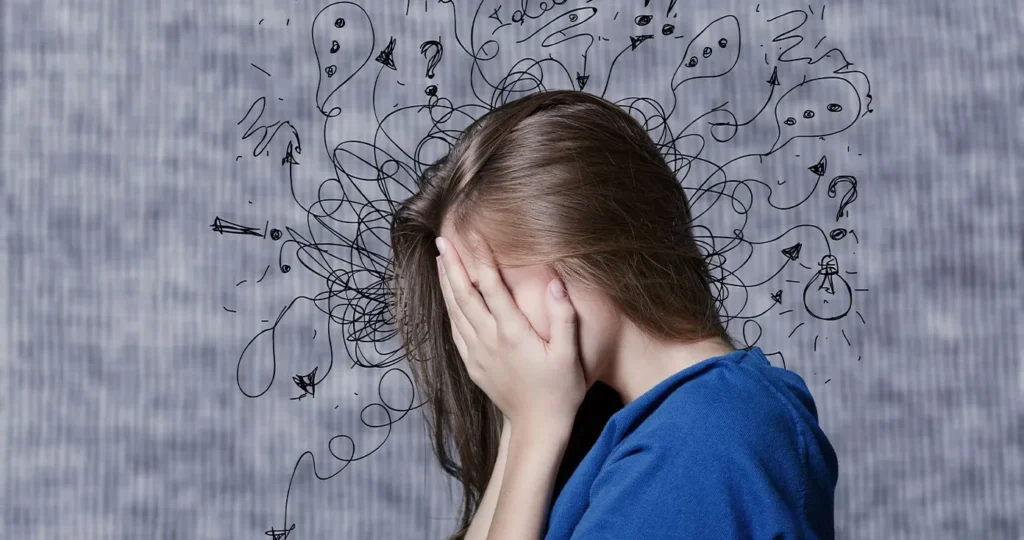
In some cases, this type of stress may overlap with conditions like Chronic Stress or even develop into Adjustment Disorder if left unmanaged.
Understanding these hidden symptoms is crucial because they are easy to ignore—but can seriously affect your health, productivity, and relationships over time.
Can You Have mental stress symptoms without anxiety?
Yes—stress and anxiety are related but not the same.
- Stress is a response to external pressure (work, relationships, responsibilities)
- Anxiety is a persistent feeling of fear or worry, often without a clear cause
👉 You can feel mentally overloaded, exhausted, or emotionally drained without feeling nervous or anxious.
Mental Stress Symptoms Without Anxiety
These symptoms are often subtle and easily overlooked.
1. Constant Mental Fatigue
- Feeling drained even after rest
- Difficulty starting tasks
- Low motivation
👉 This is one of the most common signs of hidden stress.
2. Lack of Focus & Brain Fog
- Trouble concentrating
- Forgetfulness
- Slow thinking
Your brain is overloaded, even if you don’t feel worried.
3. Emotional Numbness
- Feeling disconnected from emotions
- Not reacting to things that usually matter
- Lack of excitement or joy
4. Irritability Without Clear Reason
- Getting annoyed easily
- Short temper over small issues
- Feeling internally frustrated
5. Low Energy Despite No Physical Illness
- Constant tiredness
- Reduced productivity
- Feeling “slowed down”
Physical Symptoms of Stress Without Anxiety
Even when your mind feels “calm,” your body may show signs of stress.
Common Physical Signs
- Headaches or muscle tension
- Digestive issues (bloating, stomach discomfort)
- Sleep disturbances
- Low immunity (frequent illness)
- Heart palpitations (without panic)
These symptoms are often linked to prolonged activation of the body’s stress response.
What Causes Stress Without Anxiety?
1. Chronic Overload
Too many responsibilities without emotional processing.
2. Suppressed Emotions
Ignoring feelings instead of expressing them.
3. High-Functioning Lifestyle
People who stay busy often don’t notice stress building up.
4. Burnout
Long-term stress leading to emotional exhaustion and detachment.
Silent Stress vs Anxiety: Key Differences
| Feature | Silent Stress | Anxiety |
|---|---|---|
| Emotional State | Numb or neutral | Worried or fearful |
| Awareness | Often unnoticed | Highly noticeable |
| Physical Symptoms | Common | Common |
| Mental Impact | Fatigue, fog | Overthinking, fear |
How Silent Stress Affects Your Life
Ignoring stress can lead to serious long-term effects:
- Reduced work performance
- Relationship issues
- Emotional detachment
- Increased risk of depression
- Physical health problems
Over time, silent stress may evolve into conditions like burnout or mood disorders.
How to Recognize Hidden Stress Early
Warning Signs
- You feel “off” but can’t explain why
- Tasks feel heavier than usual
- You avoid social interaction
- You feel tired even after doing little
👉 Awareness is the first step toward recovery.
How to Cope With Mental Stress Without Anxiety
1. Slow Down Your Routine
- Reduce overload
- Take regular breaks
- Prioritize essential tasks
2. Practice Emotional Awareness
- Journal your thoughts
- Identify hidden feelings
- Allow yourself to feel
3. Improve Sleep & Energy
- Maintain a consistent sleep schedule
- Limit screen time before bed
4. Physical Activity
- Exercise reduces stress hormones
- Even light activity improves mood
5. Mindfulness & Relaxation
- Meditation
- Deep breathing
- Spending time in nature
6. Talk to Someone
- Share your thoughts with a trusted person
- Seek therapy if needed
When to Seek Professional Help
Consider professional support if:
- Symptoms last for weeks or months
- Daily functioning is affected
- You feel emotionally disconnected
- Physical symptoms persist
Early help can prevent more serious mental health conditions.
Living With High-Functioning Stress
Some people appear completely “fine” on the outside but struggle internally.
Common Traits
- Productive but exhausted
- Social but emotionally distant
- Calm but mentally overwhelmed
👉 This is often called high-functioning stress, and it deserves attention.
Final Thoughts
Mental stress doesn’t always look like anxiety. Sometimes, it’s quiet, hidden, and easy to ignore—but its effects are real.
Conditions like Chronic Stress and Adjustment Disorder can develop if stress is left unmanaged.
Recognizing the subtle signs early can help you take control, improve your well-being, and prevent long-term mental and physical health issues.