Psychological effects of war on civilians are profound, long-lasting, and often overlooked compared to the physical destruction caused by conflict. While war damages infrastructure and displaces populations, its deepest scars are frequently invisible—impacting the minds, emotions, and overall mental health of those who experience it. Civilians, including children, families, and elderly individuals, are especially vulnerable because they are often unprepared for the extreme stress, violence, and instability that war brings.
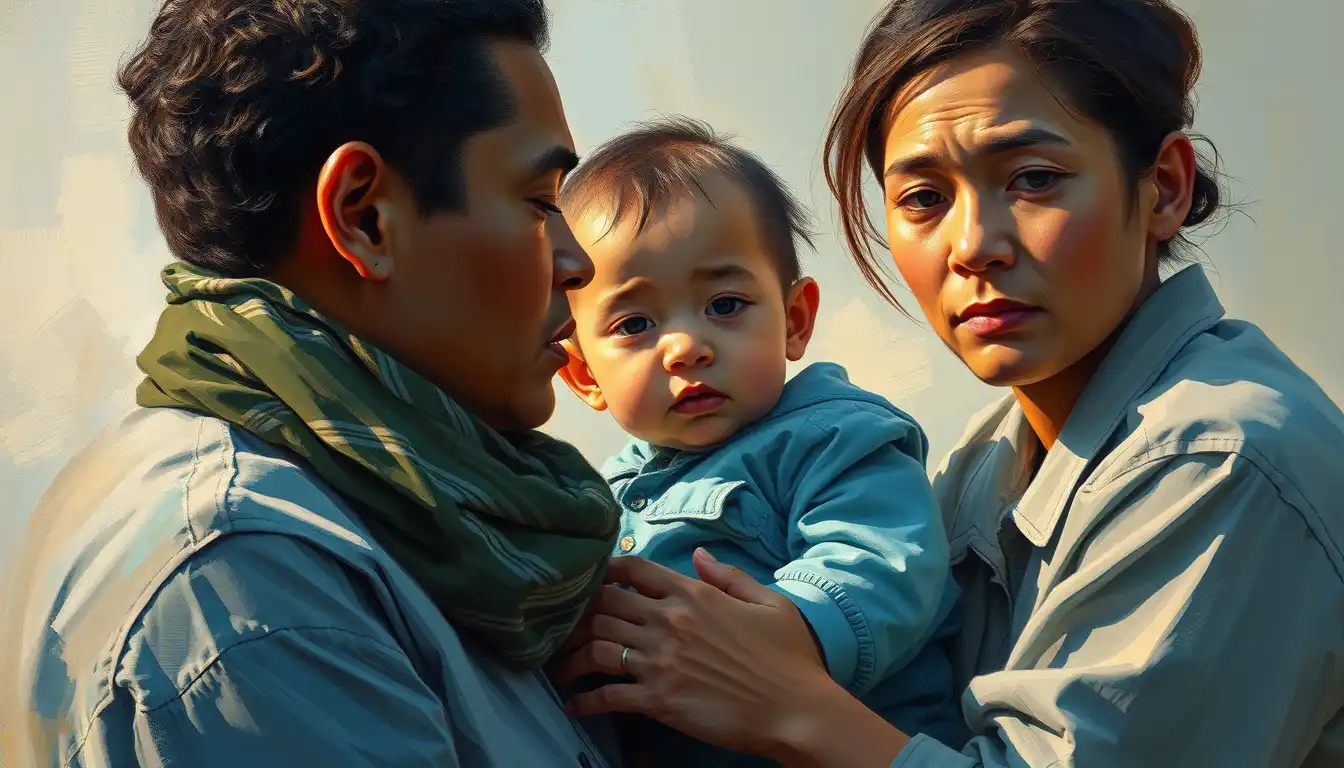
Across the world, conflicts have shown that exposure to war can lead to serious mental health challenges such as anxiety, depression, and trauma-related conditions. Organizations like the World Health Organization emphasize that mental health support is a critical part of humanitarian response in war zones. The constant fear, loss, displacement, and uncertainty experienced by civilians create an environment of chronic stress that can affect individuals for years—even after the conflict ends.
Understanding the psychological impact of war is essential not only for providing effective support but also for raising awareness about the human cost of conflict. This article explores the emotional, cognitive, and long-term mental health effects of war on civilians, with a focus on children, families, and communities. It also highlights coping strategies, treatment options, and the importance of global mental health interventions.
Understanding the Psychological Effects of War on Civilians
War creates an environment of continuous stress, fear, and uncertainty, which can deeply affect mental well-being. Unlike short-term stressful events, war often involves prolonged exposure to danger, violence, and loss.
Psychological trauma occurs when individuals experience or witness events that overwhelm their ability to cope. In war settings, civilians may face:
- exposure to violence or death
- destruction of homes and communities
- separation from loved ones
- forced displacement
These experiences can disrupt emotional stability and lead to both immediate and long-term psychological challenges.
Immediate Psychological Effects of War
The early psychological responses to war are often intense and overwhelming. These reactions are natural responses to extreme stress.
Shock and Fear
Many civilians initially experience shock when exposed to war. This may include disbelief, confusion, and intense fear for personal safety.
Panic and Anxiety
The unpredictability of conflict can lead to heightened anxiety, including:
- constant worry
- hyper-alertness
- fear of sudden attacks
Emotional Numbness
Some individuals may feel emotionally detached as a coping mechanism. This numbness helps them temporarily avoid overwhelming emotions.
Acute Stress Reactions
Short-term trauma responses can include:
- rapid heartbeat
- difficulty sleeping
- irritability
- trouble concentrating
These reactions may subside over time or develop into more serious conditions if not addressed.
Long-Term Psychological Effects of War
The long-term mental health consequences of war can persist for months or years after the conflict ends.
Post-Traumatic Stress Disorder
PTSD is one of the most common conditions among war survivors. It involves:
- flashbacks of traumatic events
- nightmares
- avoidance of reminders of trauma
- heightened emotional reactions
Chronic Anxiety
Prolonged exposure to danger can lead to ongoing anxiety, even in safe environments.
Depression
Depression may develop due to:
- loss of loved ones
- feelings of hopelessness
- lack of stability and security
Emotional Instability
Many individuals experience mood swings, irritability, and difficulty managing emotions.
Psychological Effects of War on Children
Children are among the most vulnerable groups in conflict situations.
Developmental Impact
War can interfere with normal emotional and cognitive development.
Behavioral Changes
Children may exhibit:
- aggression
- withdrawal
- clinginess
- regression (e.g., bedwetting)
Learning Difficulties
Trauma can affect concentration, memory, and academic performance.
Fear and Insecurity
Children may develop long-term fears related to safety, separation, or loss.
Emotional Effects of War on Families and Communities
War affects not only individuals but entire social structures.
Family Breakdown
Loss, displacement, and stress can strain family relationships.
Grief and Loss
Many civilians experience the death of loved ones, leading to prolonged grief.
Displacement and Refugee Stress
Forced migration creates additional challenges such as:
- uncertainty about the future
- loss of home and identity
- limited access to resources
Social Isolation
Communities may fragment, leading to reduced social support networks.
War Trauma and Mental Health Disorders
War exposure significantly increases the risk of mental health disorders, including:
- Post-Traumatic Stress Disorder
- Depression
- Anxiety Disorders
These conditions can interfere with daily functioning and require professional support.
How War Changes the Brain
Chronic stress during war can affect brain functioning.
Stress Hormones
Exposure to danger increases cortisol levels, which can impact emotional regulation.
Brain Structure and Function
Long-term trauma may alter areas of the brain responsible for:
- memory
- decision-making
- emotional processing
Emotional Regulation Issues
Individuals may struggle to manage emotions or respond appropriately to stress.
Coping With War Trauma
Although the effects of war can be severe, recovery is possible with proper support.
Emotional Support
Connecting with trusted individuals can help reduce feelings of isolation.
Therapy and Counseling
Professional mental health care provides tools to process trauma and build coping skills.
Community Support
Support groups and community programs can foster resilience and shared healing.
Stress Management Techniques
Practical methods include:
- deep breathing exercises
- mindfulness practices
- physical activity
Mental Health Support in War Zones
Access to mental health care in conflict areas is often limited.
Challenges
- lack of trained professionals
- limited healthcare infrastructure
- stigma around mental health
Role of Organizations
Humanitarian organizations and NGOs play a key role in providing psychological support and raising awareness.
Recovery and Healing After War
Healing from war trauma is a gradual process.
Trauma Recovery
Recovery involves:
- processing traumatic experiences
- rebuilding emotional stability
- developing coping strategies
Building Resilience
Resilience can be strengthened through:
- supportive relationships
- education and awareness
- access to mental health care
Long-Term Healing
While some effects may persist, many individuals learn to manage symptoms and rebuild their lives.
Frequently Asked Questions
How does war affect mental health?
War exposes individuals to extreme stress, increasing the risk of anxiety, depression, and trauma-related disorders.
Can war trauma be treated?
Yes. Therapy, counseling, and support systems can help individuals recover from trauma.
How long does war trauma last?
The duration varies. Some people recover within months, while others may experience long-term effects.
What are signs of war trauma?
Common signs include anxiety, nightmares, emotional numbness, and difficulty concentrating.
How does war affect children psychologically?
Children may experience developmental delays, emotional distress, and behavioral changes due to trauma.
Conclusion
The psychological effects of war on civilians extend far beyond the battlefield, affecting emotional well-being, mental health, and social stability. From immediate reactions such as fear and shock to long-term conditions like PTSD and depression, the impact of war can shape lives for years.
Civilians, especially children, face unique challenges that require attention, understanding, and support. Recognizing the signs of trauma and providing access to mental health care are essential steps toward healing.
Despite the severity of these challenges, recovery is possible. With proper support, therapy, and community resilience, individuals affected by war can rebuild their lives and regain emotional strength. Raising awareness about the mental health impact of conflict is crucial for creating a more compassionate and supportive global society.